Affiliate Disclosure: As an Amazon Associate, we earn from qualifying purchases. This does not affect the price you pay.
“Juicer” describes three different machines that work in completely different ways, and comparing them on price or wattage is meaningless. The ten below split into cold press, centrifugal and citrus press, and choosing the wrong type matters far more than choosing the wrong model within a type.
Cold press machines turn a slow auger that crushes produce against a screen. Higher yield, juice that keeps longer, and slow. Centrifugal machines shred against a blade spinning at 12,000 to 18,000 rpm — a figure one listing here publishes — and fling the juice out. Fast, cheaper, and the juice separates within the hour. Citrus presses ream halved fruit on a cone and do nothing else, for a fraction of the price.
Wattage does not carry across those categories. A 300-watt cold press extracts more juice from the same carrots than a 500-watt centrifugal, because the mechanisms are not doing the same work. Five of the ten machines here publish no wattage at all.
What does predict daily use is feed chute width, which runs from 2 inches to 7 inches here. That is the difference between chopping everything small and dropping in a whole apple — and it is the reason most juicers end up in a cupboard.
Our Quick Picks
 Best OverallTM-1080SJ 3-in-1
A seven-inch feed chute takes whole unpeeled fruit, which removes the chopping that makes juicing a chore.
 Best Value Cold PressFretta Cold Press
Cold press extraction for sixty dollars, which is centrifugal money.
 Best CitrusElite Gourmet ETS623
A citrus press with an auto-reversing cone, for fourteen dollars.
At a Glance
Ten Juicers Compared
Grouped by mechanism, with feed chute width and body material, and wattage shown only where a manufacturer publishes one.
| # | Model | Type | Feed / Capacity | Power | Body | Standout | Main Drawback | Check Price |
|---|---|---|---|---|---|---|---|---|
| 1 |
 TM-1080SJ 3-in-1 TM-1080SJ 3-in-1 |
Cold press | 7 in chute | Not published | Stainless steel | Widest chute here at 7 inches | 4.9 rating rests on a very short record | View on Amazon |
| 2 |
 Canoly C16 3-in-1 Canoly C16 3-in-1 |
Cold press | 6 in chute | Not published | Polycarbonate | Two strainers, established design | Most expensive here by a wide margin | View on Amazon |
| 3 |
 Fretta Cold Press Fretta Cold Press |
Cold press | 4.25 in chute | Not published | ABS | Cold press juice at centrifugal money | 4.9 rating on a new listing | View on Amazon |
| 4 |
 Godspeeds MP-802Q Godspeeds MP-802Q |
Cold press | 6 in chute | Not published | Plastic | 6 x 6 inch footprint with a 6-inch chute | Plastic body, 16 inches tall | View on Amazon |
| 5 |
 SJ-057 2-in-1 SJ-057 2-in-1 |
Cold press | 5.8 in chute | Not published | PVC | Safety lock on a wide-chute machine | PVC body, and no wattage stated | View on Amazon |
| 6 |
 Juilist Centrifugal Juilist Centrifugal |
Centrifugal | 3 in chute | 800 W max / 400 W | Stainless steel | Fastest extraction here | Publishes two different wattages | View on Amazon |
| 7 |
 QCen KS-501 QCen KS-501 |
Centrifugal | Extra wide chute | 500 W | Stainless steel | Publishes real RPM figures | Lowest rating in the roundup | View on Amazon |
| 8 |
 Magic Bullet Mini Juicer Magic Bullet Mini Juicer |
Centrifugal | 2 in chute | 400 W | Plastic | Juices straight into the cup | Smallest chute here at 2 inches | View on Amazon |
| 9 |
 Elite Gourmet ETS623 Elite Gourmet ETS623 |
Citrus press | 24 oz | 40 W | Stainless steel | Auto-reversing cone at the lowest price here | Citrus only | View on Amazon |
| 10 |
 LEBENLANG Orange Juicer LEBENLANG Orange Juicer |
Citrus press | Large volume | Not published | Stainless steel | Two cone sizes for different fruit | No wattage published | View on Amazon |
Specifications and ratings are taken from each manufacturer’s Amazon listing as displayed on 20 August 2026 and may change. Five of these ten publish no wattage; those figures are not estimated. Wattage is not comparable between cold press and centrifugal machines, which extract by different mechanisms. Juilist advertises “Max 800W” in its title and “3-Speed 400W” in the same listing — a peak against a running figure — and both are shown. Two machines carry 4.9 ratings on recent listings, which is a weaker signal than a lower score with years of feedback behind it.
Scroll the table sideways to see every column
How We Chose These Juicers
We researched current listings, compared manufacturer specifications and documentation, and examined recurring patterns in customer feedback. We did not carry out hands-on testing, and nothing below is presented as measured performance data.
- Mechanism first — cold press, centrifugal and citrus press are different machines, and we have grouped rather than ranked across them
- Feed chute width — the specification that decides whether you keep using it, ranging from 2 to 7 inches here
- Counter footprint and height — cold press machines build upward; one here is 36 square inches, another 241
- Body material — PVC, ABS, plastic, polycarbonate and stainless all appear, in prolonged contact with acidic juice
- Whether wattage or rpm is published — half publish neither, and one publishes two conflicting figures
- Rating weighed against listing age — two 4.9 ratings here sit on very short records
The 10 Best Juicers, Reviewed
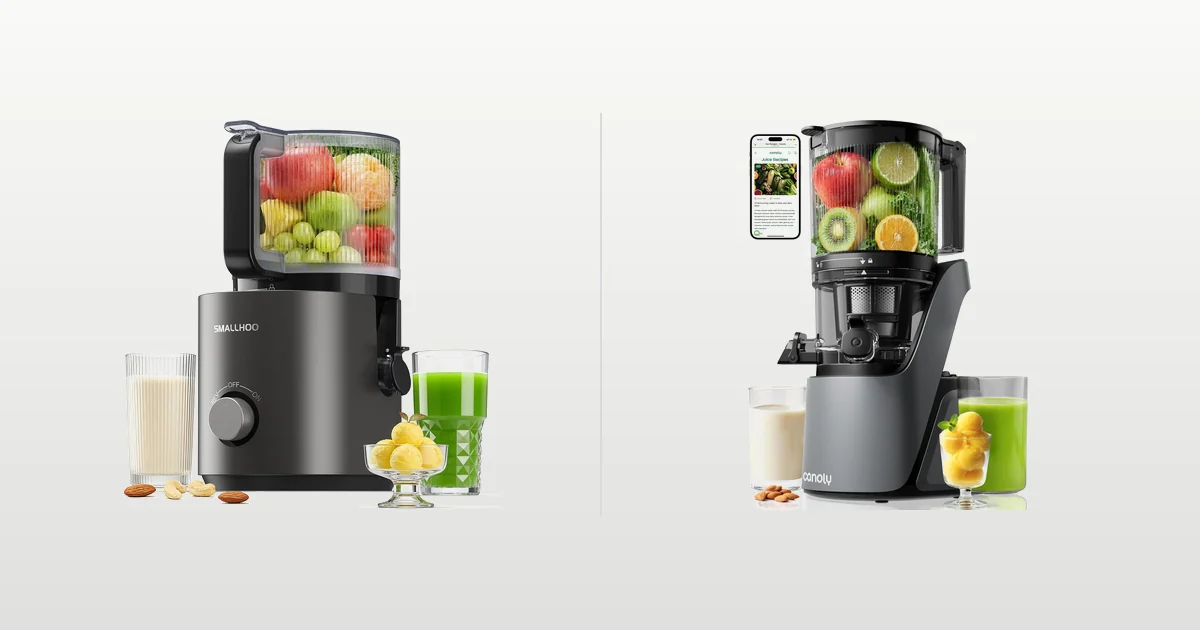
1. TM-1080SJ 3-in-1 — Best Overall

Chute width is the specification that decides whether you actually use a juicer. A two-inch chute means quartering everything first, and that is the step people stop doing after a fortnight. Seven inches takes whole apples and unpeeled produce.
It is the widest chute in this roundup by more than an inch, in a stainless body with a 120 oz container.
Key Specifications
| Type | Cold press / masticating |
|---|---|
| Feed chute | 7 inches, widest here |
| Container | 120 oz |
| Functions | 3-in-1: juice, nut milk, sorbet |
| Body | Stainless steel |
| Dimensions | 13″D x 7.5″W x 17″H |
| Model | TM-1080SJ |
| Rating | 4.9 out of 5 stars — see note |
| Best For | Juicing whole fruit without prep |
Why We Recommend It
The 3-in-1 strainers add nut milk and sorbet, which use the same slow-squeeze mechanism with a different screen. Nuts need a three to four hour soak first, per the listing.
Treat the 4.9 rating carefully. Two machines in this roundup carry 4.9, and both are recent listings. A near-perfect score on a short record is a weaker signal than a 4.3 with years of feedback behind it — it means few people have complained yet, not that the machine is proven.
No wattage is published, which is common on cold press machines but still a gap.
Pros
- Seven-inch chute takes whole unpeeled fruit
- Stainless steel body rather than ABS or PVC
- 120 oz container, largest here
- Juice, nut milk and sorbet from one motor
- Removes almost all the chopping
Cons
- 4.9 rating on a very short listing history
- No wattage published
- 17 inches tall, will not fit under a cabinet
- Cold press machines are slower than centrifugal
Best for: Anyone who has abandoned a juicer because of the prep work.
2. Canoly C16 3-in-1 — Best Premium

Two separate strainers rather than one compromise screen is the difference here: a juice strainer with fine perforations and a sorbet strainer with none, so frozen fruit extrudes rather than being pressed and drained.
The six-inch chute is second only to the TM-1080SJ, and still swallows whole apples.
Key Specifications
| Type | Cold press / masticating |
|---|---|
| Feed chute | 6 inches |
| Strainers | Two: juice and sorbet |
| Functions | Juice, sorbet and nut milk |
| Body | Polycarbonate |
| Dimensions | 13.78″D x 17.52″W x 7.68″H |
| Model | C16 |
| Rating | 4.5 out of 5 stars |
| Best For | Frequent juicing where build quality matters |
Why We Recommend It
A 4.5 rating on a machine at this price is a more meaningful signal than 4.9 on a new listing, because there is more feedback behind it.
The price is the obvious objection. It costs more than three of the cold press machines here combined, and the mechanism is the same slow-squeeze principle. What you are buying is build quality and the second strainer, not a different kind of juice.
At 17.52 inches wide it also lies flatter than the tall cold press machines, which suits a low cabinet better.
Pros
- Two purpose-made strainers rather than one compromise
- Six-inch chute takes whole fruit
- 4.5 rating with a real body of feedback
- Lower profile than the tall cold press machines
- Polycarbonate is tougher than ABS
Cons
- Most expensive machine here by a wide margin
- No wattage published
- 17.52 inches wide needs a clear run
- Same juice as cheaper cold press machines
Best for: Regular juicers who want the machine to last.
3. Fretta Cold Press — Best Value Cold Press

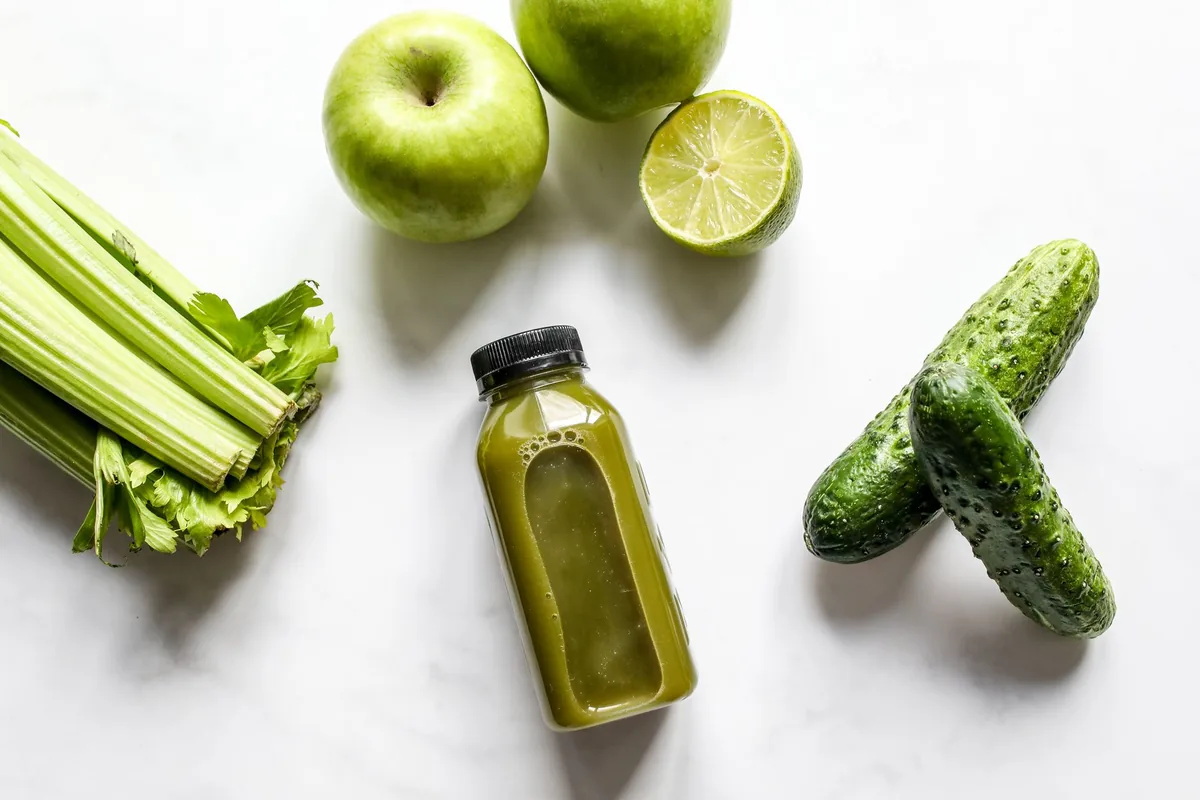
Cold press machines normally start around eighty dollars and run past two hundred. This one is sixty, which puts slow-squeeze extraction into the same price bracket as the centrifugal machines below.
At 6.3 inches wide it is also the narrowest cold press here, which matters because these machines are tall and permanent.
Key Specifications
| Type | Cold press / masticating |
|---|---|
| Feed chute | 4.25 inches, extra wide |
| Container | 1 litre juice container |
| Functions | 3-in-1 |
| Body | ABS |
| Dimensions | 7.5″D x 6.3″W x 15″H |
| Rating | 4.9 out of 5 stars — see note |
| Best For | Trying cold press without committing $100+ |
Why We Recommend It
The 4.25-inch chute is narrower than the six and seven-inch machines above, so some chopping returns — but it still takes halved apples rather than quarters.
Same caution as the TM-1080SJ: 4.9 is a new-listing rating. It tells you early buyers are happy, not that the machine has a track record. At this price that is a reasonable risk; at two hundred it would not be.
ABS construction is the compromise that gets the price down, against stainless or polycarbonate elsewhere.
Pros
- Cold press extraction at a centrifugal price
- Narrowest cold press here at 6.3 inches wide
- 1 litre container
- 3-in-1 functions included
- The cheapest way into slow juicing
Cons
- 4.9 rating on a short listing history
- ABS body rather than stainless
- 4.25-inch chute still needs some chopping
- No wattage published
Best for: First-time cold press buyers who do not want to spend a hundred dollars to find out.
4. Godspeeds MP-802Q — Smallest Footprint

Thirty-six square inches of counter for a six-inch chute is the best ratio in this roundup by a wide margin. The Canoly needs 241 square inches to offer the same chute width.
Cold press machines achieve this by building upward — the auger is vertical — which is why this stands 16 inches tall.
Key Specifications
| Type | Cold press / masticating |
|---|---|
| Feed chute | 6 inches |
| Footprint | 6″D x 6″W = 36 square inches, smallest here |
| Height | 16 inches |
| Filter | Removable, resists pulp buildup |
| Body | Plastic |
| Model | MP-802Q |
| Rating | 4.3 out of 5 stars |
| Best For | Whole-fruit juicing on a crowded counter |
Why We Recommend It
The removable filter is called out specifically as resisting pulp buildup, which is the main maintenance annoyance with masticating juicers: dried pulp in a fine screen is genuinely difficult to shift.
The trade is height and material. Sixteen inches will not fit under a wall cabinet, and the plastic body is the least substantial construction among the cold press machines here. At eighty dollars with a 4.3 rating it is honestly priced for what it is.
Pros
- Smallest counter footprint here at 36 square inches
- Six-inch chute despite the small base
- Filter designed to resist pulp buildup
- Genuine cold press extraction
- Fits where the wide machines cannot
Cons
- 16 inches tall, no cabinet clearance
- Plastic body
- 4.3 rating is mid-pack
- No wattage published
Best for: Small kitchens that still want whole-fruit cold press juicing.
5. SJ-057 2-in-1 — Best Safety Lock

A wide chute is convenient and it is also a larger opening above a turning auger. A safety lock that prevents the motor running unless the assembly is seated is worth having, particularly with children in the kitchen, and this is the machine that names it.
At 13 inches it is the shortest cold press machine in the roundup.
Key Specifications
| Type | Cold press, 2-in-1 |
|---|---|
| Feed chute | 5.8 inches |
| Safety | Safety lock fitted |
| Body | PVC |
| Dimensions | 5″D x 11″W x 13″H |
| Model | SJ-057 |
| Rating | 4.3 out of 5 stars |
| Best For | Households where a wide opening needs locking |
Why We Recommend It
The 5.8-inch chute still takes whole small apples and most unpeeled produce, so the prep saving is close to the six and seven-inch machines.
PVC is the weak point. It is the least appealing material in this group for something in prolonged contact with acidic juice, and the listing publishes no wattage. At $119.99 it is also dearer than the better-built Godspeeds and the Fretta.
Pros
- Named safety lock on the assembly
- 5.8-inch chute takes most whole produce
- Shortest cold press machine here at 13 inches
- 5-inch depth is very shallow
- 2-in-1 functionality
Cons
- PVC body
- No wattage published
- Dearer than better-built cold press rivals here
- 4.3 rating is mid-pack
Best for: Family kitchens where a wide chute needs a lock behind it.
6. Juilist Centrifugal — Fastest

Centrifugal juicers shred produce against a spinning blade and fling the juice through a mesh. They are fast — a glass in under a minute — and that speed is the entire reason to choose one over a cold press.
Three speeds is more control than most centrifugal machines at this price offer.
Key Specifications
| Type | Centrifugal |
|---|---|
| Feed chute | 3 inches wide mouth |
| Wattage — title | Max 800 W |
| Wattage — also stated | 3-speed 400 W — see note |
| Speeds | 3 |
| Body | Stainless steel |
| Dimensions | 12.09″D x 10.14″W x 5.85″H |
| Model | AMR526 |
| Rating | 4.3 out of 5 stars |
| Best For | Juicing fast when time is the constraint |
Why We Recommend It
Read the wattage carefully. The title advertises “Max 800W” and the same listing also states “3-Speed 400W”. Those describe the same motor: 800 is a peak figure and 400 is what it runs at. This is the same peak-versus-rated gap that runs through blender and mixer listings, and it is worth recognising before comparing it against the 500 W QCen below.
At 5.85 inches tall it is by far the lowest-profile juicer here and the only one that fits comfortably under a wall cabinet.
Pros
- Fastest extraction in the roundup
- Three speed settings
- Stainless steel body
- Only 5.85 inches tall, fits under cabinets
- Around forty dollars
Cons
- Advertises 800 W max against 400 W in the same listing
- 3-inch chute means more chopping
- Centrifugal juice oxidises faster and separates
- Noisier than cold press machines
Best for: People who will only juice if it takes under two minutes.
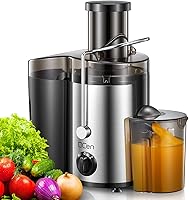
7. QCen KS-501 — Best Budget Centrifugal
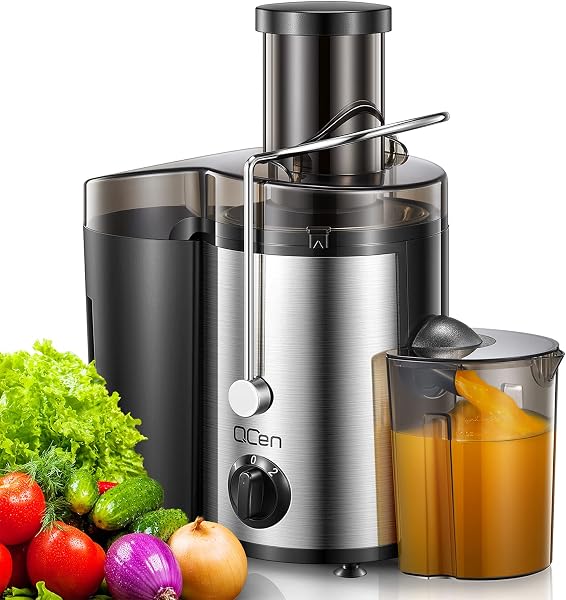
Twelve to eighteen thousand rpm is the figure that explains centrifugal juicers. That speed is what makes them fast, and it is also what heats and aerates the juice, which is why cold press advocates object to them.
Publishing the range rather than just a wattage is unusually informative, and it lets you use the low speed for soft fruit and the high one for carrots and beetroot.
Key Specifications
| Type | Centrifugal |
|---|---|
| Feed chute | Extra wide |
| Wattage | 500 watts |
| Speeds | 2, at 12,000–18,000 rpm |
| Body | Stainless steel |
| Dimensions | 13.7″D x 12.01″W x 7.76″H |
| Model | KS-501 |
| Rating | 4.2 out of 5 stars |
| Best For | Understanding what a centrifugal juicer is doing |
Why We Recommend It
Five hundred watts is stated plainly with no “max” qualifier, unlike the Juilist above, which makes it the more trustworthy of the two figures.
At 4.2 it carries the lowest rating in this roundup. That is not disastrous across a large centrifugal category, but it is worth weighing against the Juilist’s 4.3 and stainless build at a similar price.
Pros
- Publishes an actual RPM range, rare here
- 500 W stated plainly with no peak qualifier
- Two speeds for soft and hard produce
- Stainless steel body
- Extra wide chute for a centrifugal machine
Cons
- Lowest rating in the roundup at 4.2
- Centrifugal juice separates quickly
- 13.7 inches deep
- High rpm makes it loud
Best for: Buyers who want to understand the mechanism they are paying for.
8. Magic Bullet Mini Juicer — Best Personal
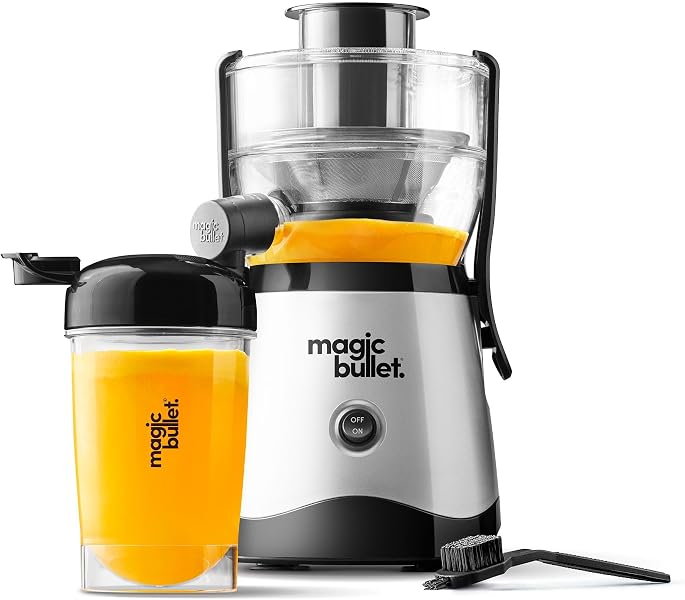
The reason most juicers stop being used is the cleaning: a full-size machine has a chute, an auger or blade, a mesh screen, a pulp bin and a jug. This has fewer parts and juices directly into the cup, which removes the jug entirely.
For a single daily glass that is a meaningful reduction in effort.
Key Specifications
| Type | Centrifugal, personal |
|---|---|
| Feed chute | 2 inches |
| Wattage | 400 watts |
| Included | Cup |
| Body | Plastic |
| Dimensions | 7″D x 6″W x 11.5″H |
| Model | MBJ50100 |
| Rating | 4.4 out of 5 stars |
| Best For | One glass at a time, with minimal washing up |
Why We Recommend It
Magic Bullet’s record with compact appliances is long, and a 4.4 rating is solid for the category.
The two-inch chute is the smallest here, so everything gets chopped small first — which partly returns the prep time the design saves on cleaning. It is a single-serving machine and should be judged as one; it will not make juice for a family.
Pros
- Juices directly into the drinking cup
- Fewest parts to wash of any machine here
- Compact 7 x 6 inch footprint
- Established brand
- 400 W stated plainly
Cons
- 2-inch chute, smallest here, means most chopping
- Single-serving capacity only
- Plastic construction
- Centrifugal juice does not keep
Best for: One glass a day, where washing up decides whether you bother.
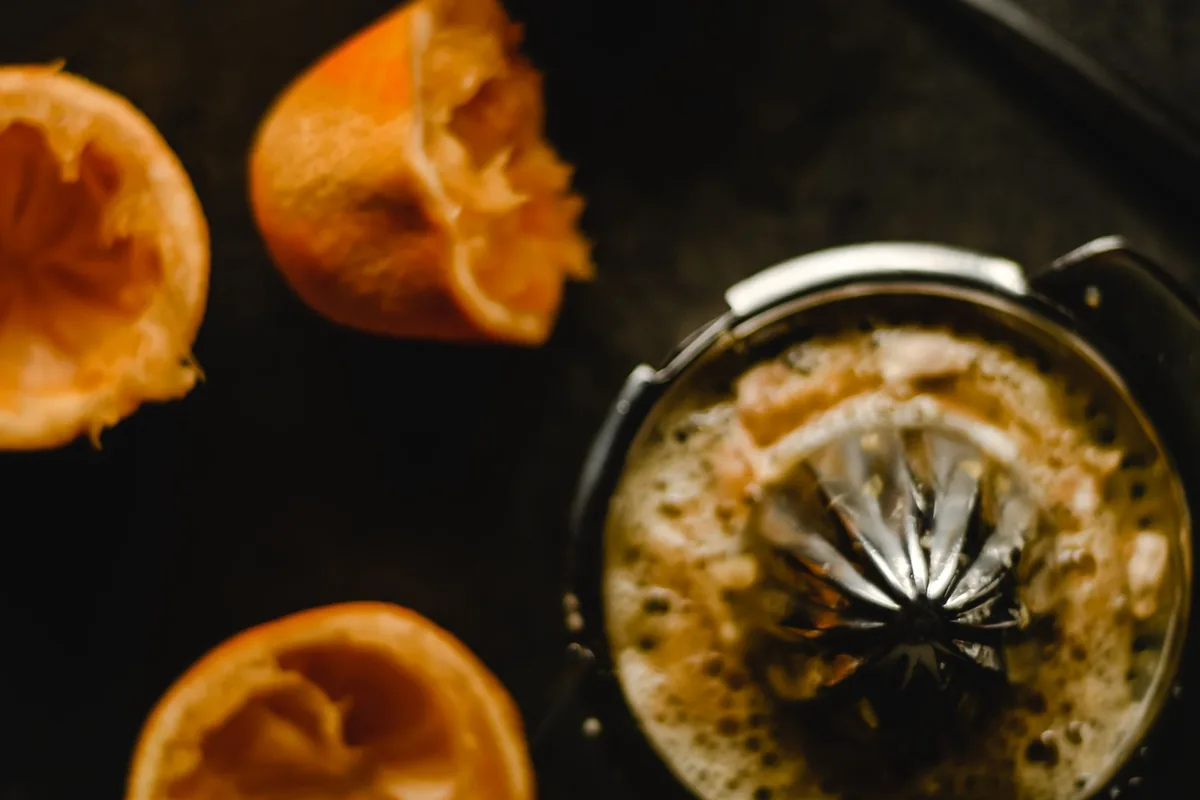
9. Elite Gourmet ETS623 — Best Citrus

If what you actually want is orange juice, a citrus press does it better than any machine above — more yield, fewer parts, and thirty seconds of cleaning instead of five minutes.
The auto-reversing cone changes direction as you press, which frees more juice from the membrane than a fixed cone.
Key Specifications
| Type | Citrus press |
|---|---|
| Capacity | 24 oz / 3 cups |
| Wattage | 40 watts, against 25 W on standard models per listing |
| Cone | Auto-reversing |
| Body | Stainless steel |
| Dimensions | 7.28″D x 5.71″W x 7.68″H |
| Model | ETS623 |
| Rating | 4.5 out of 5 stars |
| Best For | Orange and lemon juice, and nothing else |
Why We Recommend It
Elite Gourmet notes the 40 W motor against the 25 W typical of standard models. On a citrus press, more power means it does not stall against a firm grapefruit.
It does one thing. No apples, no carrots, no celery. But it costs fourteen dollars, occupies 42 square inches, and a 4.5 rating suggests it does that one thing well. Many people buying a full juicer for orange juice would be better served here.
Pros
- Cheapest machine in the roundup by a wide margin
- Auto-reversing cone improves yield
- 40 W against the 25 W typical of the category
- Cleans in about thirty seconds
- Tiny footprint
Cons
- Citrus only — no vegetables or hard fruit
- 24 oz capacity
- Not comparable to the cold press machines on versatility
- Small motor by any other standard
Best for: Anyone whose actual goal was orange juice all along.
10. LEBENLANG Orange Juicer — Best Citrus Yield

One cone cannot suit both a lime and a grapefruit — too small and the fruit slips, too large and small citrus is not properly reamed. Two cones is the fix, and it is the main advantage over the Elite Gourmet.
Two-direction pressing does the same job as the ETS623’s auto-reverse.
Key Specifications
| Type | Citrus press |
|---|---|
| Cones | Two, different sizes |
| Direction | Two-direction pressing |
| Material | Stainless steel, BPA-free |
| Dimensions | 7.8″D x 7.8″W x 12.2″H |
| Model | LB389 |
| Rating | 4.5 out of 5 stars |
| Best For | Households juicing both lemons and grapefruit |
Why We Recommend It
The stainless steel build and BPA-free rating are stated, which for a machine handling acidic juice is worth having.
No wattage is published, so you cannot compare it against the Elite Gourmet’s 40 W. At 12.2 inches it is also noticeably taller than the ETS623 for the same job, and costs about ten dollars more.
Pros
- Two cone sizes for different citrus
- Two-direction pressing for higher yield
- Stainless steel and BPA-free
- 4.5 rating
- Handles everything from limes to grapefruit
Cons
- No wattage published
- Taller than the Elite Gourmet at 12.2 inches
- Citrus only
- Dearer than the ETS623 for the same category
Best for: Citrus drinkers who use more than one size of fruit.
Cold Press or Centrifugal?
The central decision, and the one that determines everything else about how the machine behaves.
| Cold press (masticating) | Centrifugal | |
|---|---|---|
| Models here | TM-1080SJ, Canoly, Fretta, Godspeeds, SJ-057 | Juilist, QCen, Magic Bullet |
| How it works | Slow auger crushes against a screen | Blade shreds at 12,000–18,000 rpm |
| Speed | Slow | A glass in under a minute |
| Leafy greens and celery | Handles them well | Struggles |
| Juice keeping | Separates slowly, keeps longer | Separates within the hour |
| Noise | Quiet | Loud |
| Price here | $60–$260 | $40–$42 |
Buy centrifugal if speed is what will keep you using it, and you drink the juice immediately. Buy cold press if you juice greens and celery, or want to make more than one glass at a time and keep some. The clearest tell is what you plan to juice: centrifugal machines are poor with leafy greens, and no amount of wattage fixes that, because the mechanism is wrong for the material.
Do You Actually Need a Juicer, or a Citrus Press?
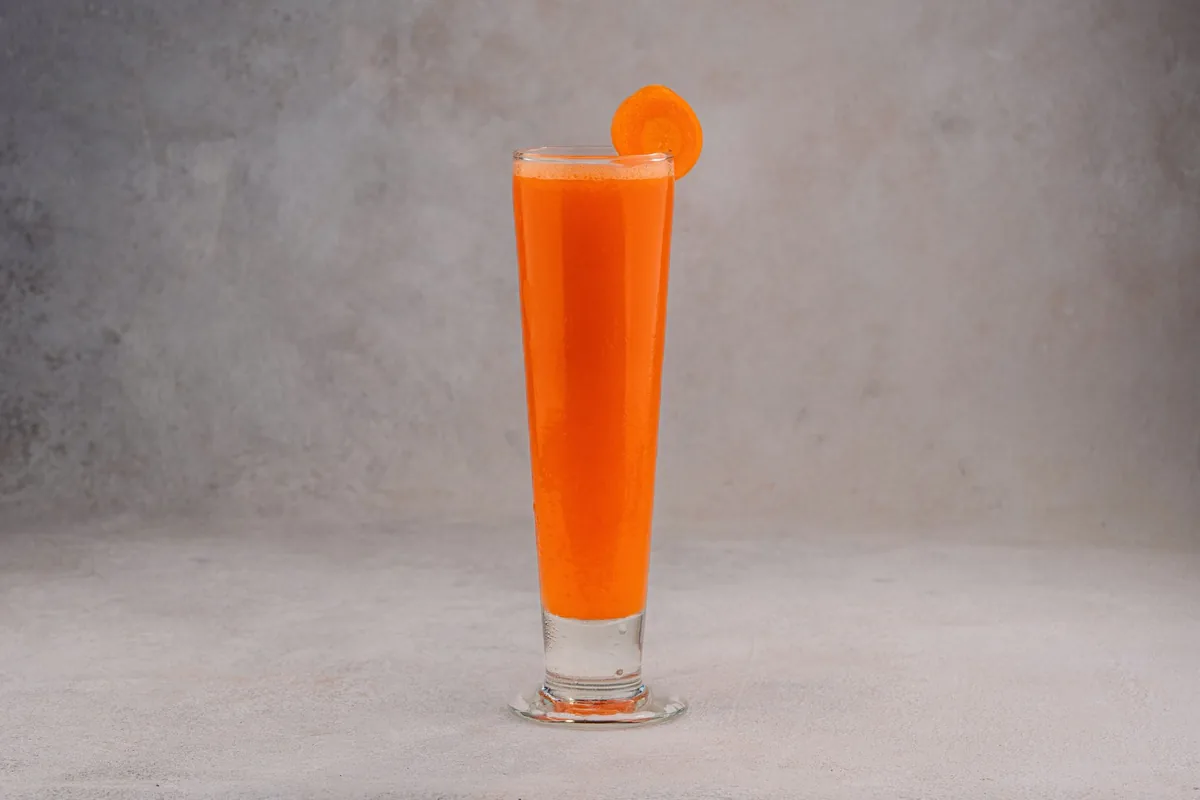
Worth asking honestly before spending a hundred dollars, because a large share of juicers are bought to make orange juice.
| Full juicer | Citrus press | |
|---|---|---|
| Models here | Eight of the ten | Elite Gourmet ETS623, LEBENLANG |
| Handles | Apples, carrots, celery, beetroot, greens | Oranges, lemons, limes, grapefruit |
| Yield on citrus | Good | Better |
| Parts to wash | Five or more | Two |
| Cleaning time | Around five minutes | About thirty seconds |
| Price here | $40–$260 | $14–$24 |
| Footprint | 36–241 sq in | 42–61 sq in |
If citrus is what you drink, a press gives more juice, cleans in a fraction of the time and costs under twenty-five dollars. The Elite Gourmet here is $13.99 with a 4.5 rating. Buying a two-hundred-dollar cold press machine to make orange juice is the most common expensive mistake in this category, and the cleaning time is usually what ends it.
Best Alternatives
| Alternative | Why Consider It | Better For | Main Trade-Off |
|---|---|---|---|
| High-powered blender | Keeps the fibre; far easier to clean | Smoothies and whole-fruit drinks | Not juice — the pulp stays in |
| Manual citrus squeezer | A few pounds, no electricity, nothing to break | A glass of orange juice | Hard work on more than two fruit |
| Hand-crank wheatgrass juicer | Purpose-built for grass and greens | Wheatgrass specifically | Slow, and useless for anything else |
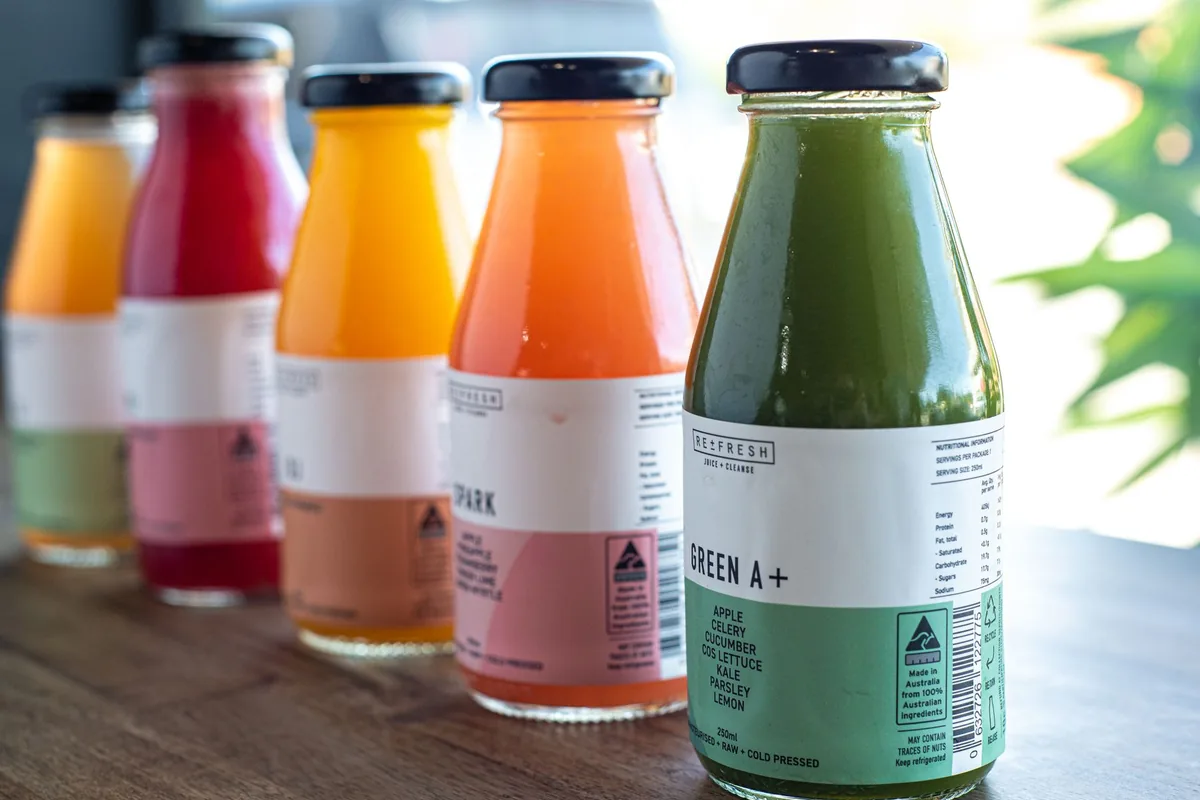
| Bottled cold-pressed juice | Zero equipment and zero cleaning | Occasional use | Expensive per litre, and less fresh |
| Steam juicer | Extracts from large batches of soft fruit | Preserving and cordials | Heat destroys the raw-juice benefits |
What Feed Chute Width Actually Buys You
7 inches — TM-1080SJ. Whole unpeeled apples go in without touching a knife. This is the width that removes prep almost entirely, and it is the single strongest predictor of whether a juicer keeps getting used.
5.8 to 6 inches — Canoly, Godspeeds, SJ-057. Whole small apples and most unpeeled produce. Practically speaking this is close to the seven-inch experience for a lot less money, and the Godspeeds delivers it in the smallest footprint here.
4.25 inches — Fretta. Halved apples rather than quarters. Some chopping returns, but nothing like the work a narrow chute demands.
2 to 3 inches — Juilist, Magic Bullet. Everything gets cut small. On the Magic Bullet that is a fair trade for juicing straight into the cup; on a full-size machine it is the specification most likely to end in a cupboard.
The counter-intuitive part: chute width does not track price or footprint. The $80 Godspeeds has a 6-inch chute in 36 square inches of counter; the $260 Canoly has the same chute width and needs 241 square inches. Wide chutes are a design choice, not a premium feature.
How to Choose a Juicer
Pick the Mechanism Before the Model
Decide what you will juice. Leafy greens, celery and wheatgrass need cold press. Apples, carrots and speed suit centrifugal. Citrus alone needs neither — buy a press for a fraction of the money. Getting this wrong makes every other specification irrelevant.
Buy the Widest Chute You Can
This is the specification that decides whether the machine stays on the counter or goes in a cupboard. Two inches means chopping everything; six or seven means dropping fruit in whole. It varies independently of price, so you can have it cheaply.
Ignore Wattage Across Types
A 300 W cold press outperforms a 500 W centrifugal on yield because the mechanisms differ. Only compare wattage within a type, and note that five of these ten publish no figure at all, while one publishes 800 W max against 400 W running in the same listing.
Check the Body Material
Juice is acidic and juicers hold it in contact for as long as you run them. This roundup includes PVC, ABS, plastic, polycarbonate and stainless steel. Stainless and polycarbonate are the better end; PVC is the one worth thinking about.
Count the Parts You Will Wash
Cleaning is the reason juicers get abandoned, not performance. A cold press machine has a chute, auger, screen, pulp outlet and jug. A citrus press has a cone and a cup. Look for removable filters designed against pulp buildup — the Godspeeds names this explicitly.
Read the Rating With the Listing Age
Two machines here carry 4.9 ratings and both are recent listings. That means early buyers are happy, not that the machine is proven. A 4.5 across a long record, like the Canoly’s, is stronger evidence.
Common Juicer Buying Mistakes
- Buying a full juicer to make orange juice. A $14 citrus press gives more juice and cleans in thirty seconds.
- Comparing wattage between cold press and centrifugal machines. They extract by different mechanisms; the numbers do not transfer.
- Choosing a narrow chute to save money. The chopping is what stops people using the machine, and wide chutes are available cheaply.
- Expecting a centrifugal juicer to handle celery and greens. It cannot, at any wattage.
- Trusting a 4.9 rating on a new listing. It reflects few complaints so far, not a track record.
- Ignoring how many parts need washing. Cleaning time is the main reason juicers are abandoned.
- Assuming a peak wattage is the running figure. One listing here advertises 800 W max and 400 W running for the same motor.
Which Juicer Should You Buy?
Buy the TM-1080SJ if you want to stop chopping. A seven-inch chute takes whole unpeeled fruit, in a stainless body with the largest container here — accepting that its 4.9 rating is young.
Buy the Fretta if you want to try cold press without spending a hundred dollars. Slow-squeeze extraction at centrifugal money, in the narrowest cold press body here.
Buy the Elite Gourmet ETS623 if what you actually drink is orange juice. Fourteen dollars, better citrus yield than any machine above it, and thirty seconds of cleaning.
Buy the Canoly C16 if you juice several times a week and want build quality and two purpose-made strainers.
Buy the Godspeeds MP-802Q if counter space is tight — a six-inch chute in a six by six inch footprint.
Buy the Juilist if speed is the only thing that will keep you juicing, and you drink it straight away.
Buy the Magic Bullet Mini if you want one glass a day with almost nothing to wash.

Frequently Asked Questions
What is the difference between a cold press and a centrifugal juicer?
A cold press, or masticating, juicer turns a slow auger that crushes produce against a screen. A centrifugal juicer shreds produce against a blade spinning at 12,000 to 18,000 rpm and flings the juice out. Cold press gives higher yield, handles leafy greens, is quieter, and produces juice that separates more slowly. Centrifugal is much faster and considerably cheaper. Five of the ten machines here are cold press and three are centrifugal.
Does a higher wattage juicer extract more juice?
Not across types. A 300-watt cold press machine will out-yield a 500-watt centrifugal on the same carrots, because the mechanisms are doing different work. Wattage only helps you compare within a type, and even then five of the ten listings here publish no figure at all. One advertises 800 W max and 400 W running for the same motor.
What feed chute size do I need?
As wide as you can get. The chutes here range from 2 to 7 inches, and this is the specification that most determines whether you keep using the machine — a narrow chute means chopping everything small first. Six and seven-inch chutes take whole unpeeled apples. Usefully, chute width does not track price: an $80 machine here has the same six-inch chute as a $260 one.
Can a centrifugal juicer handle celery and leafy greens?
Poorly. High-speed shredding does not extract well from fibrous leafy material, which passes through largely intact. If celery, kale or wheatgrass are a regular part of what you juice, a cold press machine is the right mechanism and no centrifugal model will match it.
Is a citrus press worth buying separately?
If citrus is most of what you drink, yes. A press reams halved fruit on a cone: higher yield on oranges and lemons than any full juicer, two parts to wash instead of five or more, about thirty seconds of cleaning, and $14 to $24 rather than $40 to $260. It does nothing else at all, which is the trade.
How long does fresh juice keep?
Centrifugal juice separates within about an hour and is best drunk immediately, because the high-speed blade aerates it. Cold press juice separates far more slowly and keeps better in a sealed container in the fridge, which is why commercially bottled juice is cold pressed.
Why do juicers end up unused in cupboards?
Cleaning and chopping, not performance. A full-size juicer has five or more parts to wash, and a narrow chute means cutting everything small before you start. Buying the widest chute available and looking for a filter designed to resist pulp buildup are the two things that most improve the odds of long-term use.
What body material should a juicer be?
Juice is acidic and stays in contact with the machine throughout use. This roundup includes stainless steel, polycarbonate, ABS, plain plastic and PVC. Stainless and polycarbonate are the more robust choices; the machines using them here are also generally the better rated.
Final Verdict
A seven-inch chute that takes whole unpeeled fruit removes the chopping that ends most juicing habits — in a stainless body with the largest container here.
Slow-squeeze extraction at centrifugal money, in the narrowest cold press footprint in the roundup.
Fourteen dollars, an auto-reversing cone, better orange yield than any full juicer here, and thirty seconds of cleaning.
The word juicer covers three machines that share almost nothing but a name. A cold press auger, a blade spinning at eighteen thousand rpm and a citrus cone are not variations on a theme, and the specification sheets encourage you to compare them as though they were.
So decide the mechanism first, from what you will actually put in it. Greens and celery mean cold press. Speed means centrifugal. Oranges mean a press, and a press costs fourteen dollars. Then buy the widest chute in that category you can, because chopping is what kills the habit. Check the body material, count the parts you will wash, and read any 4.9 rating alongside how long the listing has existed.
Do that and the machine will still be on the counter in six months — which is the only test of a juicer that matters.