Affiliate Disclosure: As an Amazon Associate, we earn from qualifying purchases. This does not affect the price you pay.
Most guides to this category open by explaining the difference between burr and blade grinders. Amazon has already done it for them: the products below are filed under three separate subcategories — Electric Coffee Blade Grinders, Burr Coffee Grinders and Manual Coffee Grinders — and every grinder on this page carries a rank in exactly one of them.
The difference between those headings is not a refinement. It is the whole product.
The four blade grinders in this roundup have zero grind settings between them. Not few — none. A blade grinder chops whatever is in the bowl, and the only variable you control is how long you hold the button down. The six burr grinders here advertise 15, 16, 28, 30, 36 and 40 settings respectively.
And the pricing does not follow the capability at all. The two most expensive blade grinders on this page cost $34.97 and $35.99. The cheapest burr grinder costs $29.99 and has twenty-eight settings. You can pay more for no adjustment than for twenty-eight of them.
None of which stops the market. The best-selling product here by an enormous margin — #415 in the whole of Home & Kitchen — is a blade grinder, and it is rated 4.6 stars. It is a very good spice grinder. That is worth knowing before you buy it to grind coffee.
Our Quick Picks
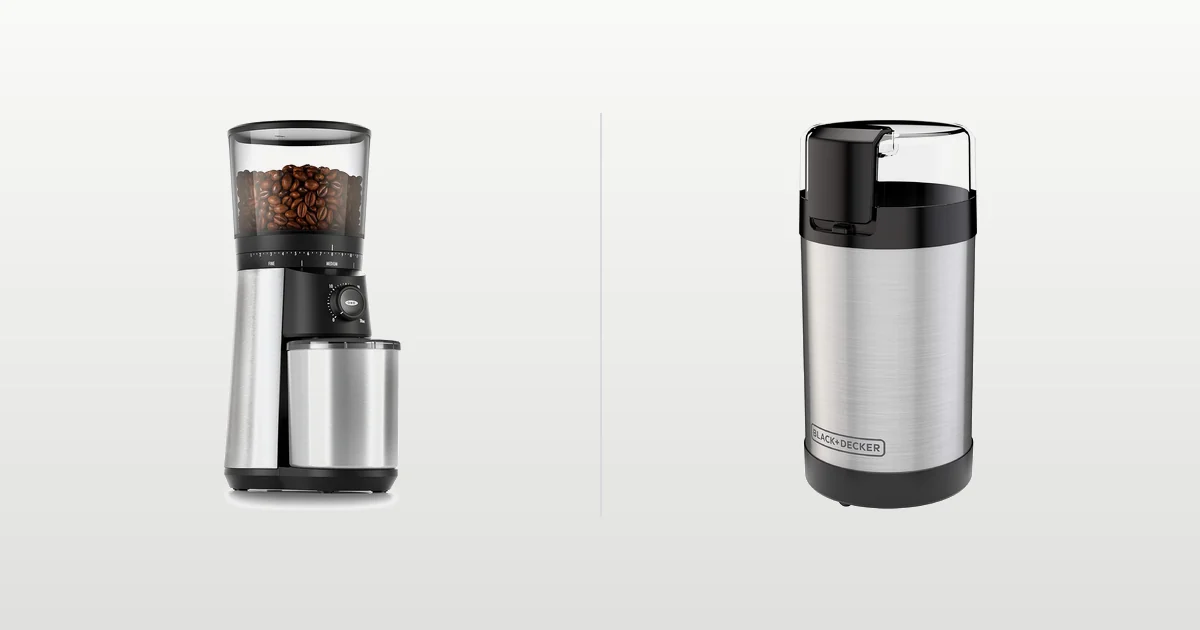
 Best OverallOXO Brew Conical Burr
Forty-millimetre stainless conical burrs, fifteen settings with forty-three micro-adjustments, and a hopper that holds three-quarters of a pound.
 Cheapest BurrLonkion Burr Grinder
Twenty-eight grind settings, auto-stop by cup count, and it costs less than two of the blade grinders on this page.
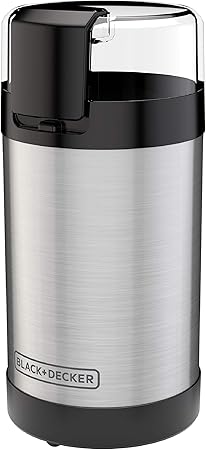 Most PopularBLACK+DECKER One-Touch
The best-selling grinder in this roundup by a wide margin — and it has no grind setting of any kind.
At a Glance
Ten Coffee Grinders Compared
Grinding mechanism first, because it decides everything — then the settings count, which is the number that separates the machines within each type.
| # | Model | Type | Grind Settings | Burr or Blade | Capacity | Standout | Main Drawback | Check Price |
|---|---|---|---|---|---|---|---|---|
| 1 |
 OXO Brew Conical Burr OXO Brew Conical Burr |
Electric conical burr | 15, plus 43 micro-adjustments | 40 mm stainless conical | 12 oz hopper | #1 in Burr Coffee Grinders | $98.99, dearest here | View on Amazon |
| 2 |
 Lonkion Burr Grinder Lonkion Burr Grinder |
Electric flat burr | 28 | Flat metal burr | 3 oz, 2–12 cups | 28 settings for $29.99 | Plastic body and an unknown brand | View on Amazon |
| 3 |
 BLACK+DECKER One-Touch BLACK+DECKER One-Touch |
Electric blade | None — timed by hand | Stainless steel blade | 56.6 g bowl | #415 in all of Home & Kitchen | No grind settings at all | View on Amazon |
| 4 |
 SHARDOR Burr Grinder 2.0 SHARDOR Burr Grinder 2.0 |
Electric flat burr | 16 | Metallic flat burr mill | 8.5 oz, 2–14 cups | Burr grinding under forty dollars | Flat burr, not conical | View on Amazon |
| 5 |
 Ollygrin Conical Burr Ollygrin Conical Burr |
Electric conical burr | 30 | 40 mm stainless conical | 10 oz, 2–12 cups | Gear reduction motor and a friction clutch | 2 kg and $79.99 | View on Amazon |
| 6 |
 CEVING Mini Manual CEVING Mini Manual |
Manual conical burr | 40, externally adjusted | Conical ceramic | 30 g | 40 settings for $17.99 | You turn the handle yourself | View on Amazon |
| 7 |
 TIMEMORE Chestnut C2S TIMEMORE Chestnut C2S |
Manual conical burr | About 36 levels | S2C stainless conical, 55–58 HRC | 25 g | Joint highest rating here at 4.6 | $60 for a grinder with no motor | View on Amazon |
| 8 |
 Wancle Electric Grinder Wancle Electric Grinder |
Electric blade | None — timed by hand | Stainless steel blade | Listing states both 20 g and 60 g | $15.99, cheapest grinder in the roundup | No settings, and a contradictory capacity | View on Amazon |
| 9 |
 KitchenAid BCG111OB KitchenAid BCG111OB |
Electric blade | None — timed by hand | Stainless steel blade | 4 oz bowl, marked 4–12 cups | Measurement markings inside the bowl | $34.97 for zero grind settings | View on Amazon |
| 10 |
 SHARDOR Silent Blade SHARDOR Silent Blade |
Electric blade | None — a timer, not a grind setting | Stainless steel blade | 2.5 oz / 70 g, up to 10 cups | 63 dB, the only noise figure here | $35.99, dearest blade grinder here | View on Amazon |
Specifications, prices and ratings are taken from each manufacturer’s Amazon listing as displayed on 21 August 2026 and may change. Type is taken from Amazon’s own subcategory assignment in each listing’s Best Sellers Rank field: Electric Coffee Blade Grinders, Burr Coffee Grinders, or Manual Coffee Grinders. “Grind settings” counts discrete marked positions as stated by each manufacturer; blade grinders are recorded as having none because holding a button for longer changes duration rather than particle size, and the SHARDOR Silent Blade’s rotary knob is marked in seconds, not grind sizes. Two listings contradict themselves and we have flagged rather than corrected them: the KitchenAid BCG111OB describes itself as a burr grinder in one bullet while its title, remaining bullets and specification table all describe a stainless steel blade, and the Wancle gives a capacity of 20 g in its specification table and “up to 60 g” in its description. The CEVING gives its weight as 325 g in the description and 0.38 kg in the specification table.
Scroll the table sideways to see every column
How We Chose These Coffee Grinders
We researched current listings, compared manufacturer specifications and documentation, and examined recurring patterns in customer feedback. We did not carry out hands-on testing, and nothing below is presented as measured performance data.
- Burr, blade or manual — Amazon separates these into three subcategories, and so should any buyer
- Grind settings, counted as stated — the single number that predicts whether you can brew more than one way
- Conical or flat burrs — both grind properly, but they retain, heat and distribute particles differently
- Motor design and heat — gear reduction grinds slowly and cool; a fast motor cooks the aromatics off
- Capacity against household size — hoppers here run from 25 g to 12 oz, and beans should not sit in one for weeks
- All three types represented — a roundup of burr grinders only would hide what the category actually sells
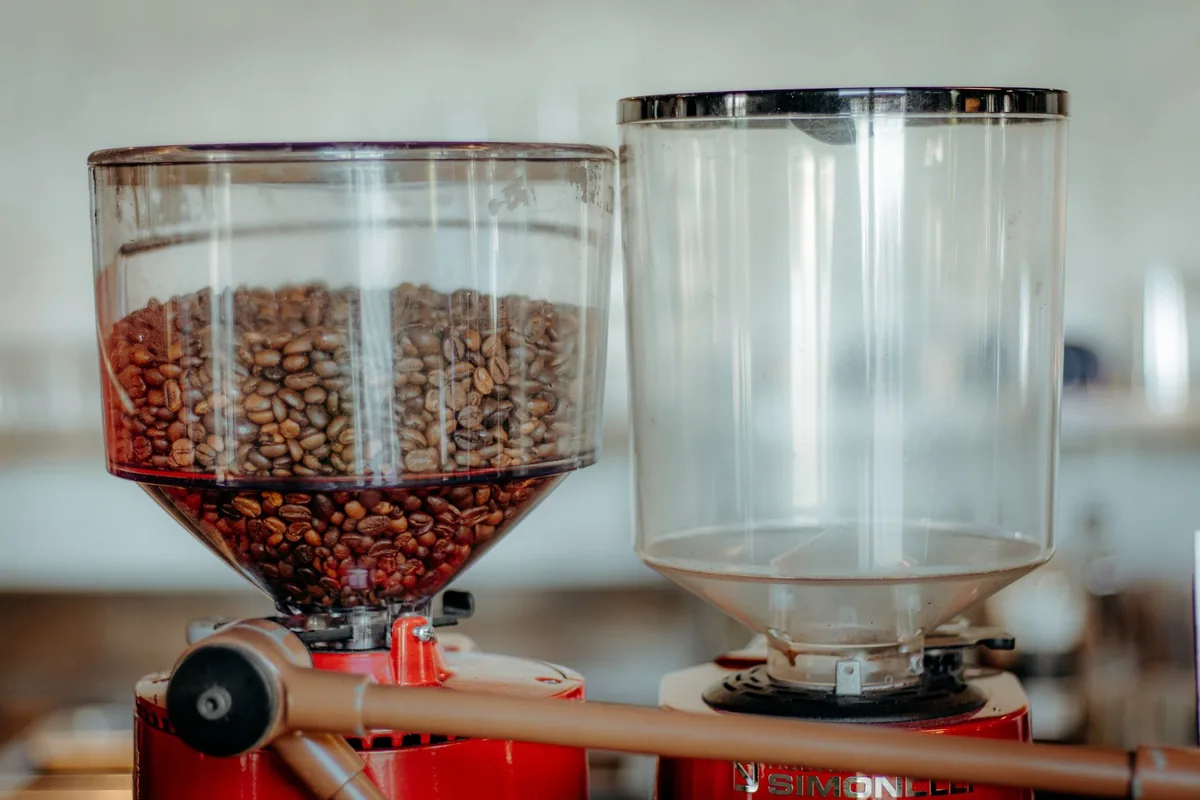
The 10 Best Coffee Grinders, Reviewed
1. OXO Brew Conical Burr — Best Overall

This is the reference electric grinder in the category and it is #1 in Amazon’s Burr Coffee Grinders subcategory. Forty-millimetre stainless conical burrs, a twelve-ounce hopper, and a grind range that genuinely covers espresso through cold brew.
It is also $98.99, which is more than three times the cheapest burr grinder on this page.
Key Specifications
| Type | Electric conical burr |
|---|---|
| Burrs | 40 mm stainless steel conical |
| Grind settings | 15, plus 43 micro-adjustments |
| Hopper | 12 oz / 340 g, removable |
| Memory | Remembers the last setting |
| Hopper tint | UV-blocking |
| Wattage | 100 watts |
| Weight | 4.5 pounds |
| Best For | Anyone who brews more than one method and needs the grind to move between them |
Why We Recommend It
Fifteen settings plus forty-three micro-adjustments is the specification to understand. The fifteen are the marked detents you select; the micro-adjustments come from rotating the hopper itself, which shifts the burr gap between those detents. In practice it is a continuous adjustment with fifteen labelled reference points, which is how a grinder covers espresso and French press on one mechanism.
The setting memory matters more than it sounds. Most grinders in this roundup reset to nothing; this one starts where you left it, so a household brewing the same way every morning never touches the dial.
The UV-blocking hopper tint is the kind of detail that separates this from the $30 machines. Light degrades coffee oils, and a twelve-ounce hopper means beans sit in it for days.
At 100 watts it draws the least of any electric grinder here, because a gear-reduced burr grinder does not need speed.
Pros
- #1 in Amazon’s Burr Coffee Grinders subcategory
- 40 mm stainless conical burrs
- 15 settings with 43 micro-adjustments between them
- 12 oz removable hopper
- Remembers the last setting used
- UV-blocking hopper tint protects the beans
- Burrs are removable for cleaning
Cons
- $98.99, the most expensive grinder in this roundup
- 4.5 pounds and a large countertop footprint
- 4.3 stars, mid-table here
- Twelve ounces of beans is more than most households should store in a hopper
Best for: The grinder to buy if you brew several ways and want one machine to cover them all.
2. Lonkion Burr Grinder — Cheapest Burr

Twenty-nine ninety-nine for twenty-eight grind settings and a flat metal burr. That is the single most useful fact in this roundup, because two of the blade grinders here — which have no grind settings whatsoever — cost more than this does.
It sits at #6 in Burr Coffee Grinders.
Key Specifications
| Type | Electric flat burr |
|---|---|
| Burrs | Flat metal burr |
| Grind settings | 28 |
| Dose control | 2 to 12 cups, auto-stop |
| Protection | Overheat protection system |
| Container | Anti-static treated plastic |
| Wattage | 200 watts |
| Dimensions | 6.2″L x 3.55″W x 7.3″H |
| Best For | The cheapest way to stop using a blade grinder |
Why We Recommend It
This is where the category’s pricing stops making sense, and it is worth stating plainly. The KitchenAid blade grinder is $34.97. The SHARDOR silent blade grinder is $35.99. Neither has a grind setting at all. This has twenty-eight and costs $29.99.
If you take one thing from this page, it is that burr grinding is not a premium tier. It is available below the price of a mid-range blade grinder.
Auto-stop by cup count is the other quiet advantage. You select two to twelve cups and walk away, rather than holding a button and guessing — which is how every blade grinder in this roundup is operated.
The corners that were cut are the body and the hopper: it is a small plastic machine holding three ounces, from a brand with no track record, and 200 watts through a flat burr will be noisier than the gear-reduced grinders here. The grind quality is the part they did not cut.
Pros
- 28 grind settings at $29.99, cheapest burr grinder here
- Costs less than two of the blade grinders in this roundup
- Auto-stop by cup count, 2 to 12
- Overheat protection
- Anti-static container reduces clinging grounds
- Compact at 7.3 inches tall
Cons
- Plastic body and small 3 oz capacity
- Unfamiliar brand with no track record
- Flat burr at 200 watts is not a quiet machine
- No setting memory
- #6 in Burr Coffee Grinders, low visibility
Best for: Anyone upgrading from a blade grinder who does not want to spend $80.
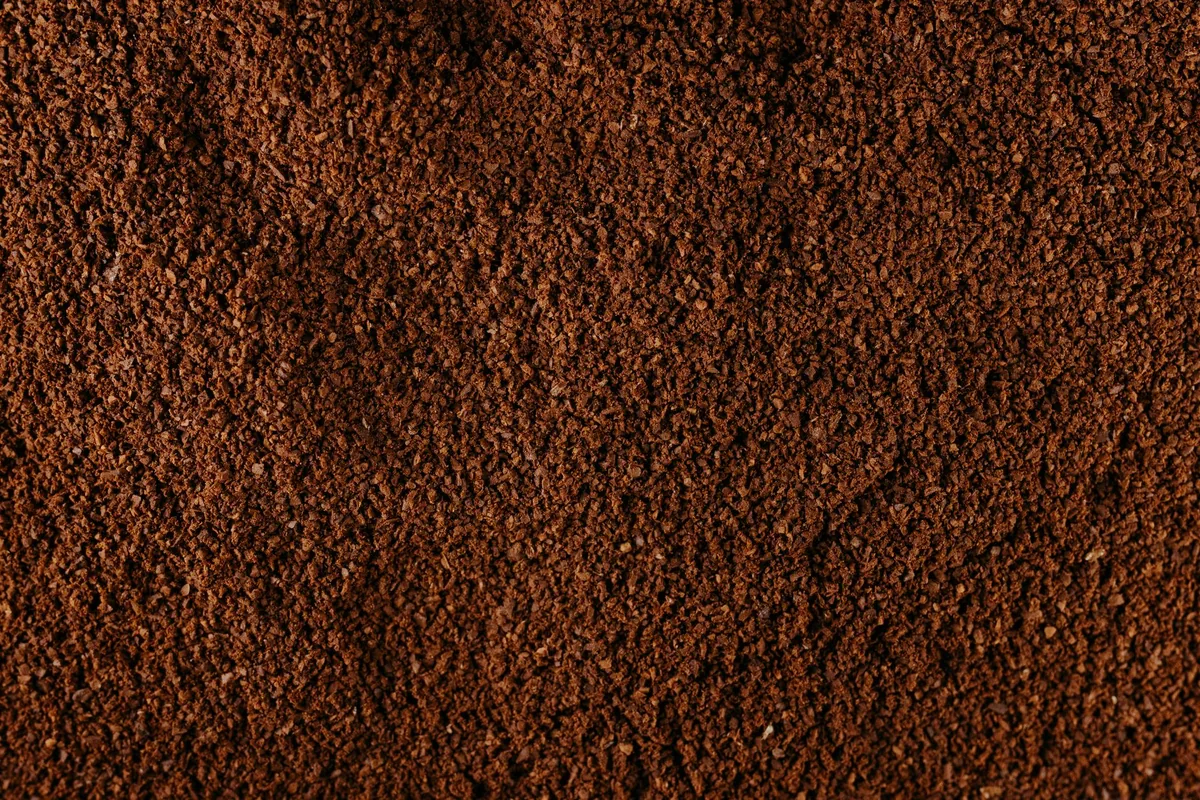
3. BLACK+DECKER One-Touch — Most Popular

This is the most popular product on this page and it is not close: #1 in Electric Coffee Blade Grinders and #415 in the whole of Home & Kitchen. It is also the joint highest-rated grinder here at 4.6 stars.
And it has no grind settings. The listing’s own phrasing is that push-button control "lets you easily customize the grind consistency, from coarse to fine" — which means holding the button down for longer.
Key Specifications
| Type | Electric blade |
|---|---|
| Grind settings | None; you control it by how long you hold the button |
| Blade and bowl | Stainless steel, both |
| Capacity | 56.6 g |
| Wattage | 130 watts |
| Safety | Lid-locking — blades only spin when the lid is secured |
| Weight | 0.65 kg |
| Rating | 4.6 out of 5 stars |
| Best For | Spices, and coffee where consistency is not the priority |
Why We Recommend It
That is the honest description of every blade grinder. A blade grinder does not grind; it chops, repeatedly, at whatever is in the bowl. Particles near the blade get hit many times and turn to dust while particles at the edge stay chunky, so what comes out is a mixture of both rather than a uniform grind. Time changes the average, not the spread.
Which is exactly right for spices, and this listing leads with herbs, spices and grains for good reason. Uniformity does not matter in a curry paste.
What it does well it does properly. Stainless steel blade and bowl — several rivals here use a plastic body — plus a lid-locking interlock, at $25.99. If you want a spice grinder that also handles coffee when you are not fussy, this is a sound buy at 4.6 stars.
Just do not buy it expecting a grind you can dial in, because there is no dial.
Pros
- #415 in all of Home & Kitchen, the best seller here
- Joint highest rating in this roundup at 4.6 stars
- Stainless steel blade and bowl, not plastic
- Lid-locking safety interlock
- Excellent for spices, herbs and grains
- $25.99
Cons
- No grind settings whatsoever
- Chops rather than grinds, so particle size is uneven
- Costs more than the 28-setting Lonkion burr grinder
- 56.6 g bowl is small
- Static makes grounds cling to the lid
Best for: Spices first, coffee second — and only if an uneven grind does not bother you.
4. SHARDOR Burr Grinder 2.0 — Best Flat Burr

Thirty-nine ninety-eight, sixteen settings, an 8.5-ounce hopper and a two-to-fourteen-cup timer. It is #2 in Burr Coffee Grinders behind the OXO, at less than half the price.
The distinction worth knowing is that this is a flat burr, not a conical one.
Key Specifications
| Type | Electric flat burr |
|---|---|
| Burrs | Metallic flat burr mill |
| Grind settings | 16 micro-adjusted |
| Dose control | 2 to 14 cups, auto-stop timer |
| Capacity | 8.5 ounces |
| Safety | Dual interlock — hopper and chamber must both be seated |
| Wattage | 150 watts |
| Weight | 960 g |
| Best For | A real burr grinder for a household, without triple digits |
Why We Recommend It
Flat and conical burrs both grind properly — both are enormously better than a blade — but they behave differently. Flat burrs produce a tighter, more uniform particle distribution, which is why commercial espresso grinders tend to be flat. Conical burrs run cooler and slower, retain slightly less coffee between doses, and are cheaper to make at this size.
At this price the difference between them is much smaller than the difference between either one and a blade.
The dual interlock is a better safety design than most here: both the bean hopper and the grounds chamber must be seated before the motor will run, so it cannot spray grounds across the counter.
Fourteen cups is the widest dose range in this roundup, which matters if the same grinder serves one person on weekdays and a table on Sundays.
Pros
- #2 in Burr Coffee Grinders at under half the OXO’s price
- 16 micro-adjusted grind settings
- 2 to 14 cups, the widest dose range here
- Dual safety interlock on hopper and chamber
- 8.5 oz capacity
- Anti-spill lid on a removable grounds chamber
- Cleaning brush included
Cons
- Flat burr retains slightly more coffee between doses than conical
- 16 settings is the narrowest burr range in this roundup
- 4.4 stars
- $39.98 is still 33% more than the Lonkion
- No setting memory
Best for: The sensible middle of this category — genuine burr grinding, no triple-digit price.
5. Ollygrin Conical Burr — Most Electric Settings

Forty-millimetre stainless conical burrs — the same burr size the $98.99 OXO uses — with thirty grind settings instead of fifteen, a ten-ounce hopper and a gear-reduced motor, for $79.99.
It is #3 in Burr Coffee Grinders.
Key Specifications
| Type | Electric conical burr |
|---|---|
| Burrs | 40 mm stainless steel conical |
| Grind settings | 30 |
| Dose control | 2 to 12 cups |
| Motor | Gear reduction, slow grinding action |
| Protection | Friction clutch guards the gears against stones |
| Hopper | 10 ounces, removable, auto-locking |
| Wattage | 150 watts |
| Best For | Someone who wants the OXO’s burrs and settings for twenty dollars less |
Why We Recommend It
Gear reduction is the specification that separates a good burr grinder from a cheap one. Spinning burrs fast generates heat, and heat drives off the volatile aromatics you bought whole beans to keep. A gear-reduced motor turns the burrs slowly at high torque instead, which is why this draws only 150 watts while grinding a ten-ounce hopper.
The friction clutch is a genuinely thoughtful inclusion. Coffee occasionally contains small stones that survive processing, and a stone between two steel burrs is how grinders die. A clutch slips instead of stripping the gear train. Nothing else on this page mentions one.
Thirty settings against the OXO’s fifteen is not the win it appears to be, because the OXO adds forty-three micro-adjustments between its detents. Thirty discrete steps is plenty; it is simply a different way of dividing the same range.
At 2 kg it is the heaviest electric grinder here and 12 inches tall.
Pros
- 40 mm stainless conical burrs, same size as the OXO’s
- 30 discrete grind settings
- Gear reduction motor keeps the grind cool
- Friction clutch protects the gears from stones
- 10 oz auto-locking removable hopper
- $20 less than the OXO
Cons
- $79.99, still the second-dearest here
- 2 kg and 12 inches tall
- Unfamiliar brand
- No setting memory
- #3 in Burr Coffee Grinders, behind two cheaper machines
Best for: The value route to full-size conical burr grinding.
6. CEVING Mini Manual — Best Manual Value

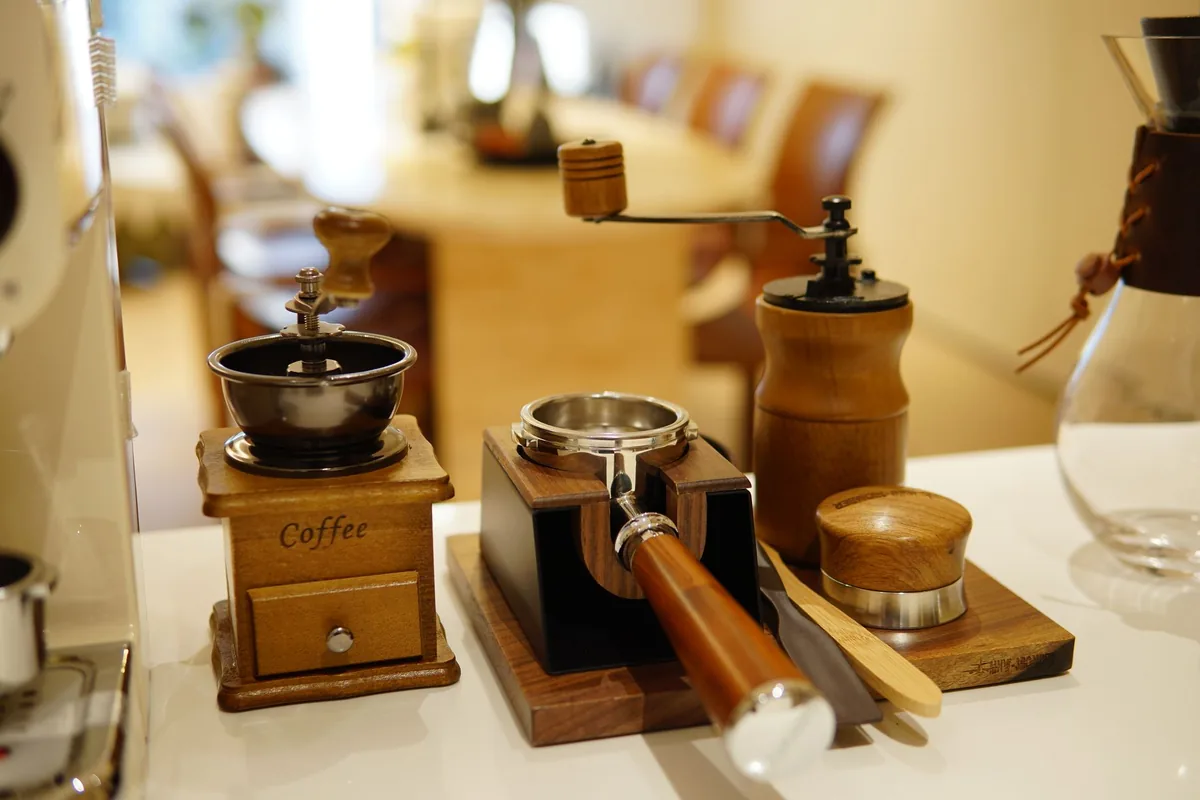
Seventeen ninety-nine, forty grind settings, a ceramic conical burr, and it is #1 in Amazon’s Manual Coffee Grinders subcategory.
It is also cheaper than every blade grinder in this roundup except the Wancle, and it has forty more grind settings than all four of them combined.
Key Specifications
| Type | Manual conical burr |
|---|---|
| Burrs | Conical ceramic |
| Grind settings | 40, externally adjustable |
| Capacity | 30 g |
| Dimensions | 6.7″ x 2.3″ x 7.4″ |
| Weight | 325 g per the description, 0.38 kg per the spec table |
| Assembly | Three main parts, fully detachable |
| Rank | #1 in Manual Coffee Grinders |
| Best For | Travel, camping, and the cheapest route to a genuinely even grind |
Why We Recommend It
External adjustment is the feature to notice. Most manual grinders adjust from a nut underneath the burr, which means dismantling the grinder to change grind and losing your reference point. This one adjusts from outside with numbered detents, so you can move from espresso to French press and back without guessing.
Ceramic burrs run cooler than steel and the listing makes that claim explicitly. They are also more brittle — a stone that a steel burr would crush can chip a ceramic one — and they hold their edge longer against wear. For hand grinding, ceramic is the conventional choice.
The real cost is your arm. Thirty grams of beans is roughly ninety seconds of steady cranking, every single morning. That is trivial for one cup and tiresome for four, which is the entire argument between manual and electric.
One small inconsistency: the description says 325 g and the specification table says 0.38 kg. Either way it is the lightest grinder here.
Pros
- 40 externally adjustable settings at $17.99
- #1 in Manual Coffee Grinders
- Ceramic conical burr runs cooler than steel
- 325 g and 7.4 inches tall, genuinely packable
- No power needed at all
- Three parts, trivial to clean
Cons
- You grind it by hand, roughly 90 seconds for 30 g
- 4.1 stars, lowest in this roundup
- 30 g capacity is two cups at most
- Ceramic burrs chip where steel would crush
- Listing gives two different weights
Best for: Travel, camping, and anyone who wants an even grind for under twenty dollars.
7. TIMEMORE Chestnut C2S — Best Manual

Sixty dollars for a grinder with no motor sounds absurd until you look at what the money buys: CNC-machined stainless conical burrs hardened to 55–58 HRC in a full-metal unibody, at 4.6 stars — joint highest in this roundup.
The C2S is the upgraded C2, and the upgrade was the unibody, which fixed the alignment problem the original had.
Key Specifications
| Type | Manual conical burr |
|---|---|
| Burrs | S2C stainless conical, 5-axis CNC machined |
| Burr hardness | 55–58 HRC |
| Grind settings | Approximately 36 levels |
| Body | Full metal unibody |
| Capacity | 25 g |
| Weight | 700 g |
| Rating | 4.6 out of 5 stars |
| Best For | One or two excellent cups a day, brewed deliberately |
Why We Recommend It
Burr alignment is what you are paying for. If the two burrs are not perfectly concentric, the gap varies as they rotate and the grind spreads out — which is the same failure a blade grinder has, arriving by a different route. A machined metal unibody holds the axle true in a way a screwed-together plastic housing cannot, and it is the single reason good hand grinders outperform cheap electric burr grinders.
Hardness matters for how long that stays true. At 55–58 HRC these burrs are harder than most kitchen knives, so the cutting edges keep their geometry over years of use.
Twenty-five grams is one large cup or two small ones, and the handle keeps turning after you release it thanks to the flywheel effect the listing describes. It is still a manual grinder, and four cups is real work.
At 700 g it is heavy for hand grinding, which is what makes it stable to hold.
Pros
- Joint highest rating in this roundup at 4.6 stars
- Full-metal unibody keeps the burrs concentric
- CNC-machined stainless burrs at 55–58 HRC
- About 36 grind levels
- Grind quality rivals electric grinders costing far more
- No power needed
Cons
- $60.00 for a grinder with no motor
- 25 g capacity, one or two cups per fill
- Manual work every morning
- 700 g is heavy to hold while grinding
- #3 in Manual Coffee Grinders
Best for: The best grind on this page per dollar, if you accept turning the handle.
8. Wancle Electric Grinder — Cheapest Here

Fifteen ninety-nine, #2 in Electric Coffee Blade Grinders, a copper motor and a clear lid so you can watch the grind. As a cheap spice grinder it is difficult to fault.
As a coffee grinder it has the same limitation as every blade machine here: no settings, and a particle spread you cannot control.
Key Specifications
| Type | Electric blade |
|---|---|
| Grind settings | None; press and hold, release to stop |
| Motor | Pure copper |
| Blade and bowl | Stainless steel |
| Capacity | Spec table says 20 g; description says up to 60 g |
| Wattage | 150 watts |
| Weight | 380 g |
| Included | Cleaning brush |
| Best For | Spices on a budget, and coffee when nothing else is available |
Why We Recommend It
A copper motor is a real distinction at this price. Copper windings run cooler than the aluminium ones common in budget appliances, and the listing ties that to not burning the beans — which is a fair claim, since heat is what a blade grinder generates most of.
The capacity is contradictory in the listing itself. The specification table gives 20 g. The description says "pour in up to 60 g beans." Those differ by a factor of three and cannot both be right; 60 g is implausible for a bowl this size, so plan around the smaller figure.
Note the body material. The specification table lists it as plastic, where the BLACK+DECKER at $25.99 is stainless steel throughout. Ten dollars separates them and that is most of what it buys.
Pros
- $15.99, cheapest grinder in this roundup
- #2 in Electric Coffee Blade Grinders
- Pure copper motor runs cooler than aluminium
- Clear lid lets you watch the grind
- Stainless steel blade and bowl
- Cleaning brush included
- 380 g, very light
Cons
- No grind settings at all
- Listing contradicts itself on capacity, 20 g versus 60 g
- Plastic body per the specification table
- 4.4 stars
- Uneven particle size, inherent to blade grinding
Best for: The cheapest spice grinder here, and a coffee grinder only by necessity.
9. KitchenAid BCG111OB — Best-Known Blade

KitchenAid’s blade grinder costs $34.97, which is $4.98 more than the twenty-eight-setting Lonkion burr grinder on this page. It has no grind settings.
What it does have is the best dose control of any blade grinder here: measurement markings inside the bowl for four, eight, ten and twelve cups.
Key Specifications
| Type | Electric blade |
|---|---|
| Grind settings | None; press the cover to run, release to stop |
| Blade | Stainless steel |
| Bowl | 4 oz stainless steel, marked for 4, 8, 10 and 12 cups |
| Bowl | Removable for transferring grounds |
| Wattage | 160 watts |
| Weight | 2.6 pounds |
| Warranty | 1 year hassle-free replacement |
| Best For | Brand familiarity, and measuring the dose rather than the grind |
Why We Recommend It
That is a more useful feature than it sounds, because dose consistency is the one variable a blade grinder actually lets you control. You cannot fix the particle spread, but you can at least put the same amount of coffee in every morning, and no other blade grinder here helps you do it.
The removable bowl means you tip grounds straight into the brewer rather than shaking them out of a fixed chamber, which is a real daily improvement over the BLACK+DECKER and the Wancle.
One clear listing error. The fourth bullet reads "Model BCG111 includes (1) Burr Grinder" — but the title, the other bullets and the specification table all describe a stainless steel blade. This is a blade grinder. Anyone buying it on the strength of that bullet would be badly misled.
The one-year hassle-free replacement warranty is the best warranty terms on this page.
Pros
- Measurement markings for 4, 8, 10 and 12 cups
- Removable stainless bowl for easy transfer
- One-year hassle-free replacement warranty
- One-touch press-the-cover operation
- Best-known brand in this roundup
- 160 watts, the strongest blade motor here
Cons
- $34.97, more than the 28-setting Lonkion burr grinder
- No grind settings at all
- One bullet incorrectly calls it a burr grinder
- Polycarbonate body, not steel
- #8 in Electric Coffee Blade Grinders, well behind cheaper rivals
Best for: Buyers who want a familiar brand and will not miss grind adjustment.
10. SHARDOR Silent Blade — Quietest

SHARDOR has done something unusual here: instead of pretending the dial changes the grind, the knob is marked in seconds, with "coarse" at one end and "fine" at the other.
That is exactly what a blade grinder does, stated openly, and it makes this the most honest product in the roundup.
Key Specifications
| Type | Electric blade |
|---|---|
| Grind control | Rotary timer knob marked in seconds |
| Grind settings | None; the knob sets duration, not particle size |
| Noise | 63 dB average |
| Bowl | 2.5 oz / 70 g, removable |
| Yield | Up to 10 cups |
| Wattage | 150 watts |
| Warranty | 2 years |
| Best For | Early mornings in a quiet house, if you have accepted blade grinding |
Why We Recommend It
It is also the clearest illustration of the problem. Time is not a grind setting. Grinding for longer does not move every particle to a finer size; it turns the particles nearest the blade into powder while the ones at the wall stay coarse. Twenty seconds gives you fine dust and chunks, not fine coffee.
The 63 dB figure is genuinely useful and nothing else on this page publishes one. Blade grinders shriek, and 63 dB is roughly conversation volume — quiet enough not to wake a household at six in the morning, which is a real problem this actually solves.
The removable 70 g bowl is the largest blade capacity here and yields up to ten cups.
But look at the price. Thirty-five ninety-nine is six dollars more than the Lonkion burr grinder, which has twenty-eight actual grind settings and produces a uniform particle size. On specification there is no argument; on noise, there is.
Pros
- 63 dB, the only published noise figure in this roundup
- Timer knob is an honest description of what a blade grinder does
- 70 g removable bowl, largest blade capacity here
- Up to 10 cups per grind
- Two-year warranty
- Includes a 2-in-1 spoon with brush
Cons
- $35.99, the most expensive blade grinder here and dearer than a 28-setting burr grinder
- A timer is not a grind setting
- Particle size remains uneven regardless of duration
- 4.4 stars
- #7 in Electric Coffee Blade Grinders
Best for: A quiet blade grinder for early risers who have already ruled out burrs.
Amazon’s Own Three Headings
Every grinder here is ranked in exactly one of these subcategories. The split is Amazon’s, not ours.
| Electric blade | Electric burr | Manual burr | |
|---|---|---|---|
| Grinders here | BLACK+DECKER, Wancle, KitchenAid, SHARDOR Silent | OXO, SHARDOR 2.0, Ollygrin, Lonkion | CEVING, TIMEMORE |
| Count | 4 | 4 | 2 |
| Grind settings | 0, 0, 0, 0 | 15+43, 16, 30, 28 | 40, ~36 |
| Price range here | $15.99 – $35.99 | $29.99 – $98.99 | $17.99 – $60.00 |
| How it works | Chops repeatedly at high speed | Crushes between two burrs at a fixed gap | Same, turned by hand |
| Particle consistency | Dust and chunks together | Uniform | Uniform |
| Effort | Push a button | Push a button | 90 seconds of cranking |
| Best rating here | 4.6 (BLACK+DECKER) | 4.4 (three of four) | 4.6 (TIMEMORE) |
Read the settings row against the price row. Blade grinders occupy $15.99 to $35.99 with no adjustment at any point in that range, while burr grinding starts at $29.99 with twenty-eight settings. The overlap is the story: two of the four blade grinders here cost more than the cheapest burr grinder, and one costs more than a $60 hand grinder that produces a better result than either. Blade grinders are not the budget tier of this category. They are a different tool that happens to sit in the same aisle.
Why a Blade Grinder Has No Settings
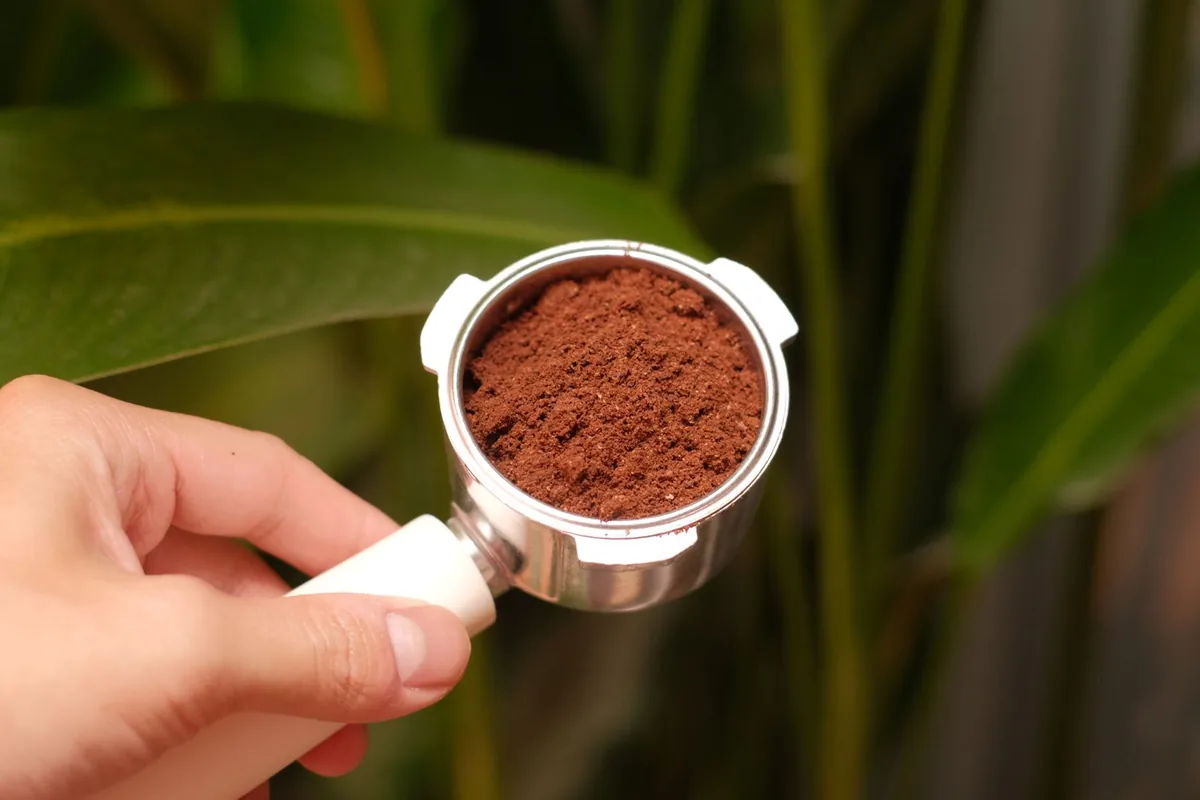
This is not a feature manufacturers left out. It is a consequence of the mechanism.
| Blade | Burr | |
|---|---|---|
| Mechanism | A blade spins at high speed and chops | Two surfaces crush beans through a fixed gap |
| What sets particle size | Nothing — only elapsed time | The gap between the burrs |
| Grinding longer produces | More dust, and the chunks remain | Nothing different; size is already fixed |
| Output | Powder and gravel in the same bowl | One size, throughout |
| Heat generated | High, from blade speed | Low, especially with gear reduction |
| Espresso capable | No | Yes, on all six here |
| Good for spices | Excellent | Unnecessary |
The distinction is chopping versus crushing. A blade hits whatever is nearest it, over and over, so beans close to the centre are pulverised long before the ones at the wall are touched — and grinding for another ten seconds makes the dust finer without doing much to the chunks. A burr grinder sets a physical gap and every particle must pass through it, so the output is one size by construction. This is why blade grinders cannot offer settings and why the ones that appear to — a knob marked in seconds — are offering you a timer.
Best Alternatives
| Alternative | Why Consider It | Better For | Main Trade-Off |
|---|---|---|---|
| Buying pre-ground coffee | No machine, no noise, no cleaning | Convenience above all | Stales within days of opening; grind fixed to one method |
| A grind-and-brew coffee machine | One appliance instead of two | Counter space | Built-in grinders are usually blade or low-end burr |
| Having the roaster grind it | Free, and done on a commercial burr grinder | One brewing method, used consistently | Same staling problem, and you cannot change grind |
| A mortar and pestle | Costs nothing, works for spices | Small quantities of spice | Hopeless for coffee — no consistency at all |
| A high-end single-dose grinder | Best possible consistency and near-zero retention | Serious espresso | Several hundred dollars, well beyond this roundup |
What Each Price Tier Actually Buys
$15.99 to $19.68 — Wancle blade, CEVING manual. The most revealing pairing on this page. For $15.99 the Wancle gives you a motor and no grind control; for $17.99 the CEVING gives you forty settings, a ceramic conical burr and no motor. Two dollars separates a machine that cannot grind evenly from one that cannot grind without you.
$25.99 to $29.99 — BLACK+DECKER blade, Lonkion burr. Four dollars apart, and this is where the category’s logic breaks. The BLACK+DECKER is the best-selling grinder here at 4.6 stars with no settings; the Lonkion has twenty-eight, a flat metal burr and auto-stop by cup count.
$34.97 to $39.98 — KitchenAid blade, SHARDOR Silent blade, SHARDOR Burr 2.0. Two blade grinders and a burr grinder within five dollars of one another. The blades buy you a familiar brand and a 63 dB noise rating; the burr buys sixteen settings and a fourteen-cup timer.
$60.00 to $79.99 — TIMEMORE manual, Ollygrin burr. Real quality, two ways. The TIMEMORE spends the money on machined burr alignment in a metal unibody; the Ollygrin spends it on 40 mm conical burrs, a gear-reduced motor and a friction clutch.
$98.99 — OXO Brew Conical Burr. The category benchmark: 40 mm conical burrs, fifteen settings with forty-three micro-adjustments, setting memory and a UV-tinted twelve-ounce hopper.
The pattern: the two joint-highest-rated grinders here cost $25.99 and $60.00, and one of them has no settings while the other has no motor. Price in this category buys mechanism, not rank.
How to Choose a Coffee Grinder
Decide Between Burr and Blade First, and Nothing Else Matters Until You Have
These are two different tools. A burr grinder crushes beans through a fixed gap so every particle comes out the same size; a blade grinder chops at high speed and produces dust and chunks together. That difference changes extraction more than the beans, the water or the brewer will. The good news is that it is not a price decision — burr grinding starts at $29.99 on this page, below two of the four blade grinders here.
Count the Grind Settings, and Treat Zero as Disqualifying for Coffee
The number of marked positions tells you how many brewing methods the grinder can serve. Espresso needs a grind near powder; French press needs something like sea salt; everything else sits between. Grinders here offer 15, 16, 28, 30, 36 and 40 settings — or none at all. If a listing describes grind control as pressing a button for longer, or gives you a knob marked in seconds, it has no settings and cannot brew espresso.
Do Not Dismiss the Hand Grinders
A manual grinder is the cheapest route to a genuinely even grind, and one of the two here is the joint highest-rated product on this page. What you are buying is burr alignment: a machined metal body holds the two burrs concentric, which is exactly what cheap electric grinders fail to do. The cost is about ninety seconds of cranking for thirty grams, every morning. That is nothing for one cup and real work for four, and that is the whole decision.
Look for Gear Reduction, Not Wattage
Higher wattage is not better in this category — the OXO draws the least power of any electric grinder here. What matters is whether the motor is geared down to turn the burrs slowly at high torque. Fast burrs generate heat, and heat drives off the volatile aromatics that were the entire point of buying whole beans. The listings that mention gear reduction are telling you something useful; the ones advertising 200 watts through a flat burr are not.
Buy the Hopper Size You Will Empty in a Week
Capacities here run from 25 grams to twelve ounces, and beans stale in a hopper the same way they stale in a bag — faster, in clear plastic under kitchen lights. The OXO addresses this with a UV-blocking tint, which tells you the problem is real. Unless you are brewing for a household every day, a large hopper is somewhere for coffee to go flat rather than a convenience.
If You Mainly Grind Spices, Buy a Blade Grinder Deliberately
Everything that makes a blade grinder poor at coffee makes it excellent at spices: it is fast, it handles small quantities, it copes with oily and fibrous material that would clog burrs, and uniformity is irrelevant in a spice blend. The best-selling grinder on this page is a blade grinder at 4.6 stars, and it is a genuinely good product. Buy one for spices with confidence — and keep it separate from coffee, because cumin does not wash out.
Common Coffee Grinder Buying Mistakes
- Assuming blade grinders are the budget option. Two of the four here cost more than a 28-setting burr grinder.
- Reading a timer as a grind setting. A knob marked in seconds changes duration, not particle size.
- Buying a blade grinder for espresso. It cannot produce the grind, at any duration.
- Chasing wattage. The best grinder in this roundup draws the least power of any electric model here.
- Overlooking hand grinders. One of the two here is the joint highest-rated product on this page.
- Buying a twelve-ounce hopper for a one-cup habit. Beans stale sitting in it, which is why the OXO tints its own.
- Using the same grinder for spices and coffee. Cumin and cardamom do not wash out of a grind chamber.
- Trusting a single bullet point. One listing here calls a blade grinder a burr grinder in its own description.
Which Coffee Grinder Should You Buy?
Buy the OXO Brew Conical Burr if you brew more than one way and want it settled. Fifteen settings with forty-three micro-adjustments, 40 mm conical burrs, setting memory, #1 in Burr Coffee Grinders.
Buy the Lonkion if you want the cheapest genuine upgrade available. Twenty-eight settings and a flat metal burr for $29.99, which is less than two of the blade grinders here.
Buy the TIMEMORE Chestnut C2S if you make one or two cups a day and want the best grind on this page. Machined stainless burrs in a metal unibody, 4.6 stars, no electricity.
Buy the CEVING if you want an even grind for under twenty dollars, or a grinder that fits in a rucksack.
Buy the SHARDOR Burr 2.0 if you want the sensible middle: sixteen settings, a fourteen-cup timer and a dual safety interlock for $39.98.
Buy the Ollygrin if you want the OXO’s 40 mm conical burrs and thirty settings for twenty dollars less.
Buy the BLACK+DECKER if what you actually want is a spice grinder. It is the best seller here and rated 4.6 stars, and it is very good at that job.
Buy the SHARDOR Silent Blade if you have already decided on a blade grinder and grind at six in the morning in a quiet house.

Frequently Asked Questions
What is the difference between a burr and a blade coffee grinder?
A burr grinder crushes beans between two surfaces set a fixed distance apart, so every particle has to pass through that gap and comes out the same size. A blade grinder spins a blade at high speed and chops whatever it hits, so beans near the centre are pulverised while beans at the wall stay coarse — the output is dust and gravel in the same bowl. That is why burr grinders have grind settings and blade grinders do not: on a blade machine there is no gap to adjust, and holding the button longer changes how long you chop rather than what size the particles end up. In this roundup all six burr grinders offer between fifteen and forty settings, and all four blade grinders offer none.
Are expensive coffee grinders worth it?
Up to a point, and the point is lower than the prices suggest. The meaningful jump is from blade to burr, and on this page that costs $29.99 — less than two of the blade grinders here. Above that, money buys burr size, motor quality, settings resolution, capacity and build: the $98.99 OXO has 40 mm conical burrs, setting memory and a UV-tinted hopper that the $29.99 Lonkion does not. But note that the two joint-highest-rated grinders in this roundup cost $25.99 and $60.00, and one of them has no settings while the other has no motor. Price tracks mechanism and construction, not customer satisfaction.
Can you make espresso with a blade grinder?
No, and this is the clearest practical limit of the mechanism. Espresso needs a fine, extremely uniform grind because water is forced through the puck under pressure and will carve a channel through any part that is coarser than the rest. A blade grinder produces powder and chunks simultaneously, so the water finds the chunky path, races through it, and you get a sour, thin shot no matter how long you grind. Every burr grinder in this roundup, including the $17.99 manual one, can produce an espresso grind. None of the blade grinders can.
Is a manual coffee grinder as good as an electric one?
At these prices, usually better. What determines grind quality in a burr grinder is how precisely the two burrs stay aligned, and a machined metal hand grinder holds that alignment more reliably than a plastic-bodied electric grinder costing the same. The TIMEMORE on this page is rated 4.6 stars, joint highest here, and the $17.99 CEVING offers forty grind settings. The cost is effort: roughly ninety seconds of cranking per thirty grams of beans. For one or two cups that is a pleasant ritual, and for four it is a chore — which is the honest reason most people buy electric.
What is the difference between conical and flat burrs?
Conical burrs are a cone inside a ring; flat burrs are two facing discs. Flat burrs produce a slightly tighter particle distribution, which is why commercial espresso grinders generally use them, but they run hotter and tend to retain more grounds between doses. Conical burrs turn more slowly for the same output, generate less heat and clear themselves better, which suits domestic machines. Four of the six burr grinders here are conical and two are flat. At this price level the difference between the two is far smaller than the difference between either and a blade grinder, so it is not worth agonising over.
How many grind settings do I actually need?
Fewer than the marketing implies, but more than zero. If you brew one way every day, any burr grinder with fifteen or more settings covers it comfortably; you will find your position and leave it there. Settings matter when you brew several ways, because espresso and French press sit at opposite ends of the range and moving between them repeatedly needs repeatable detents. Note that raw counts are not comparable across grinders: the OXO’s fifteen settings include forty-three micro-adjustments between them, giving a finer effective resolution than the Ollygrin’s thirty discrete steps.
Does grinding coffee generate heat, and does it matter?
Yes, and moderately. Friction produces heat, heat drives off the volatile aromatic compounds that give coffee its smell, and smell is most of what you taste. Blade grinders generate the most because they work by speed; burr grinders generate less; gear-reduced burr grinders, which turn slowly at high torque, generate least. This is why the best grinder in this roundup draws only 100 watts while cheaper machines advertise 200. For a normal domestic dose ground in a few seconds the effect is small, but it is one reason ceramic burrs and gear reduction appear in listings at all.
Should I use the same grinder for coffee and spices?
Ideally not, and the reason is chemical rather than fussy. Spice oils are tenacious and porous plastic and metal surfaces hold them; cumin, cardamom and chilli will show up in your coffee for weeks afterwards and no amount of brushing or rice-grinding fully removes them. Blade grinders are excellent for spices precisely because uniformity does not matter there and they handle oily, fibrous material that would clog burrs. If you want to do both, the cheapest sound approach is a blade grinder for spices and a burr grinder for coffee — which on this page costs about $46 for the pair.
Final Verdict
40 mm conical burrs, fifteen settings with forty-three micro-adjustments, and setting memory.
Twenty-eight grind settings for $29.99 — less than two of the blade grinders on this page.
The best seller here at 4.6 stars, and an excellent spice grinder with no coffee grind settings.
Amazon files these ten products under three separate headings, and that classification is the most useful thing on the page. Four are blade grinders with no grind settings at all. Four are electric burr grinders with fifteen to thirty. Two are hand grinders with thirty-six and forty.
What breaks the usual buying logic is that the three groups overlap on price rather than stacking above one another. The cheapest burr grinder here is $29.99 with twenty-eight settings; two blade grinders cost more than that and have none. A $17.99 hand grinder has forty. Blade grinding is not the entry tier of this category — it is a different mechanism that happens to share the shelf.
So decide what you are grinding. For spices, buy a blade grinder and enjoy it; the best seller on this page is one, it is rated 4.6 stars, and it is genuinely good at that job. For coffee, buy burrs — and note that it costs thirty dollars to do so, which is less than the market is currently paying for grinders that cannot.