
If you’ve ever ordered from us, you’ve probably wondered about it: what does paisa actually mean, and why did we build it into our name? It’s a real question people search for online, and the honest answer is more interesting — and more personal — than a quick dictionary definition.
Here’s the full story: where the word comes from, what it means depending on where you’re standing, and why it fit a Philadelphia pizza-and-Mexican-food kitchen better than almost anything else we considered.
Where the Word “Paisa” Comes From
Paisa is a shortened, everyday form of paisano, the Spanish word for someone from your own country, town, or region. The trail behind it runs surprisingly far back: Latin pagus (a rural district) became French pays (country, land), which gave rise to paysan (countryman), which Spanish absorbed as paisano. Drop the last two syllables in casual speech, and you get paisa.
That history matters, because it explains the word’s core feeling before any regional slang got attached to it. At its root, paisa just means “someone from home.” Not a stranger. Not a customer. Somebody you’d wave to on the street because you already know them, or you know exactly where they’re from.
One quick disambiguation before we go further: if your search also turned up “paisa” as a unit of currency, that’s a completely different, unrelated word. In India, Nepal, Pakistan, and Bangladesh, a paisa is a small coin worth 1/100th of a rupee or taka. It shares no root with the Spanish word — just a coincidental spelling. Everything below is about the Spanish paisa, the one our name is built on.

What “Paisa” Means in Mexico
In Mexican Spanish, especially in the north and among Mexican communities in the United States, paisa is used the way you’d use “buddy,” “countryman,” or “fellow Mexican” — informal, warm, and immediately familiar. It’s common between people who don’t know each other well but recognize a shared background, and even more common between actual friends.
The tone depends entirely on delivery. Said with a smile, it’s an instant bridge — a way of saying I see you, we’re from the same place. Said with an edge, the exact same word can come across as mocking or dismissive. Context and relationship decide which one you’re hearing.
“Paisa” Means Something Different in Colombia
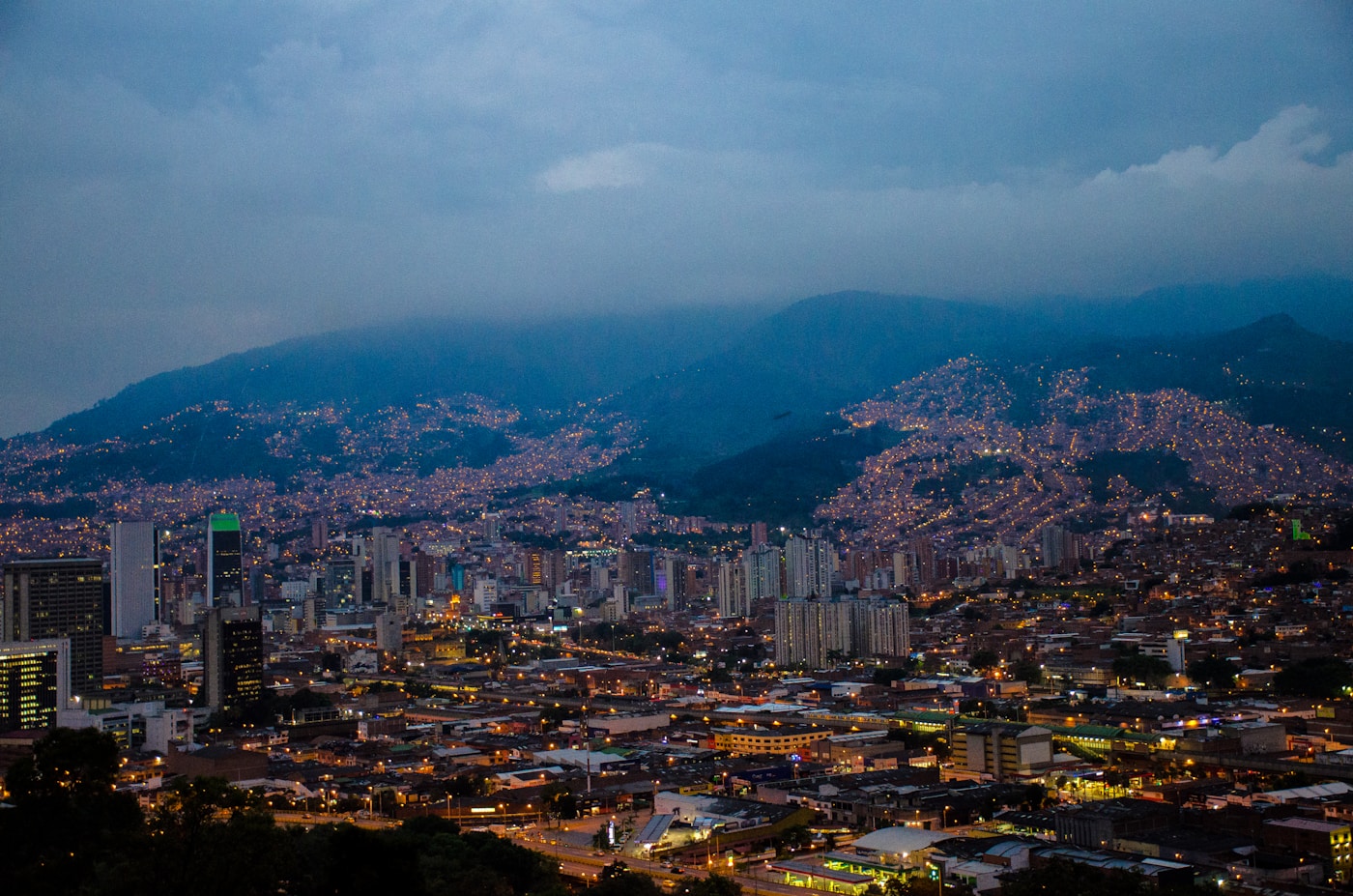
Here’s where it gets genuinely confusing if you only search the word once and stop: in Colombia, paisa isn’t slang for “friend” at all. It’s a regional identity, referring specifically to people from the Paisa Region — Medellín and the department of Antioquia, along with parts of neighboring areas.
Both usages share the same Latin-to-Spanish root, but they’ve drifted into two distinct meanings depending on which country you’re in. If someone from Medellín calls themselves paisa, they’re naming a hometown identity, not greeting you like a Mexican speaker would.
| Region | What “Paisa” Means | Typical Tone | How It’s Used |
|---|---|---|---|
| Mexico & Mexican-American communities | Countryman, friend, fellow Mexican | Warm and familiar; can turn mocking with the wrong tone | Greeting a friend or acknowledging a shared background |
| Colombia (Antioquia / Medellín) | Person from the Paisa Region | Neutral to proud regional identity | Describing where someone is from |
| General Latin American Spanish | “Fellow countryman,” short for paisano | Neutral | Formal and informal contexts alike |
How “Paisa” Is Actually Used in a Sentence
Definitions only get you so far with a word like this — hearing it in context makes the meaning click faster than any dictionary entry. Here’s how it typically shows up in everyday conversation:
- As a greeting: “¡Qué onda, paisa!” — roughly, “What’s up, buddy!” between two people who share a Mexican background.
- As an identifier: “Es puro paisa, como yo” — “He’s a real paisa, just like me,” used to point out someone from the same hometown or country.
- As regional pride (Colombia): “Soy paisa, de Medellín” — “I’m paisa, from Medellín,” naming a specific regional identity rather than a general friendship term.
- As a business name: exactly what we did — using the word the way a restaurant sign uses “Mom’s” or “Home Style”: a signal that this is a place run by and for people who consider you one of their own.
Notice the pattern: in almost every real-world use, the word is doing the same basic job — closing the distance between “stranger” and “one of us.” That’s true whether it’s shouted across a street in Chihuahua or painted on a storefront in Northeast Philadelphia.
Is “Paisa” Offensive?
Not inherently — but it’s not a word with one fixed meaning either, which is exactly why people search to double-check it. Among friends, family, or people who share the background it refers to, paisa is a term of familiarity and belonging. Used by an outsider in a mocking tone, or as a stand-in for a stereotype, it can land as disrespectful.
The short version: it isn’t a slur, and dictionaries like Merriam-Webster list it plainly as an informal term for a countryman or fellow villager. Like most informal words for “one of us,” how it lands depends entirely on who’s saying it, and why.
Why We Chose the Name Paisa’s Pizza
We serve New York-style pizza and real Mexican food, made fresh, out of the same Frankford Avenue kitchen. That combination doesn’t usually come from a corporate menu decision — it comes from a neighborhood where both cuisines are simply what people grew up eating.
Paisa fit because it’s a word about belonging somewhere, about being recognized as one of the neighborhood’s own rather than just another delivery option. Whether you grew up on pizza, on tacos, or on both at the same table, the name is meant as an invitation: come as you are, order what you actually crave, and we’ll treat you like a regular from the first visit.
Most pizza shops pick a name that describes the food. Most Mexican restaurants do the same. We wanted something that described the relationship instead — the feeling of walking into a place where the person behind the counter already knows your order, whether that order is a plain pie or a plate of tacos de asada.
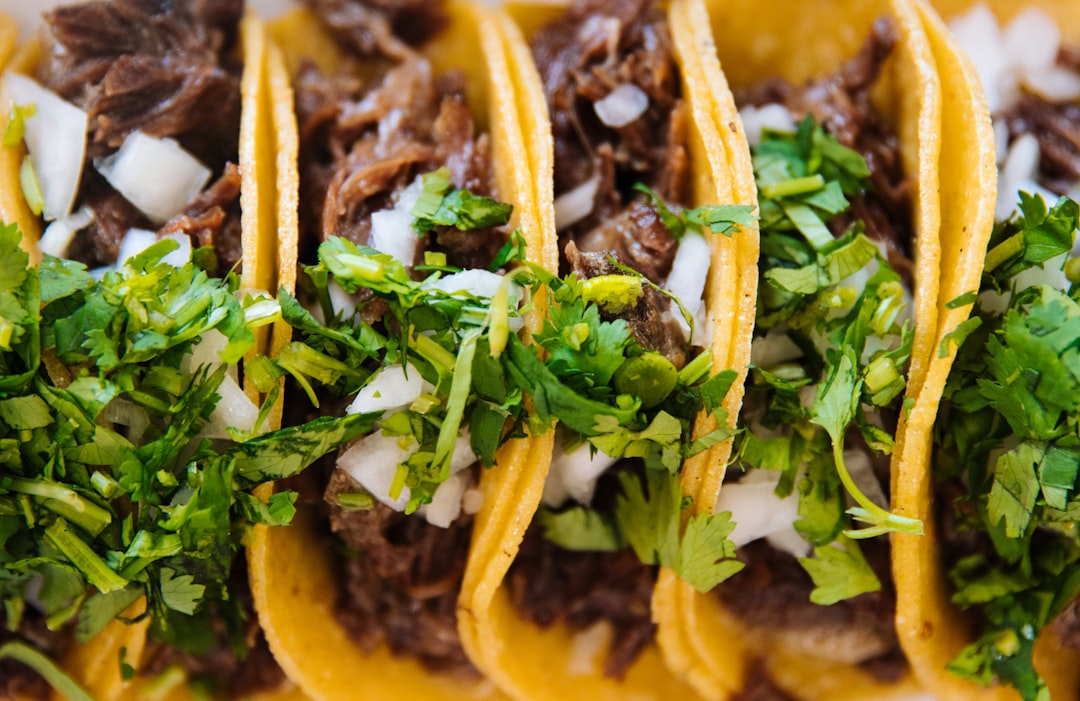
You can see that combination on our own Mexican food menu, sitting right alongside our pizza menu — not as two separate restaurants sharing a building, but as one kitchen that grew up bilingual. If tacos de asada has you curious about the rest of the menu, we’ve also broken down the difference between tacos, burritos, quesadillas, and tortas.
A Neighborhood Word, in a Neighborhood Restaurant
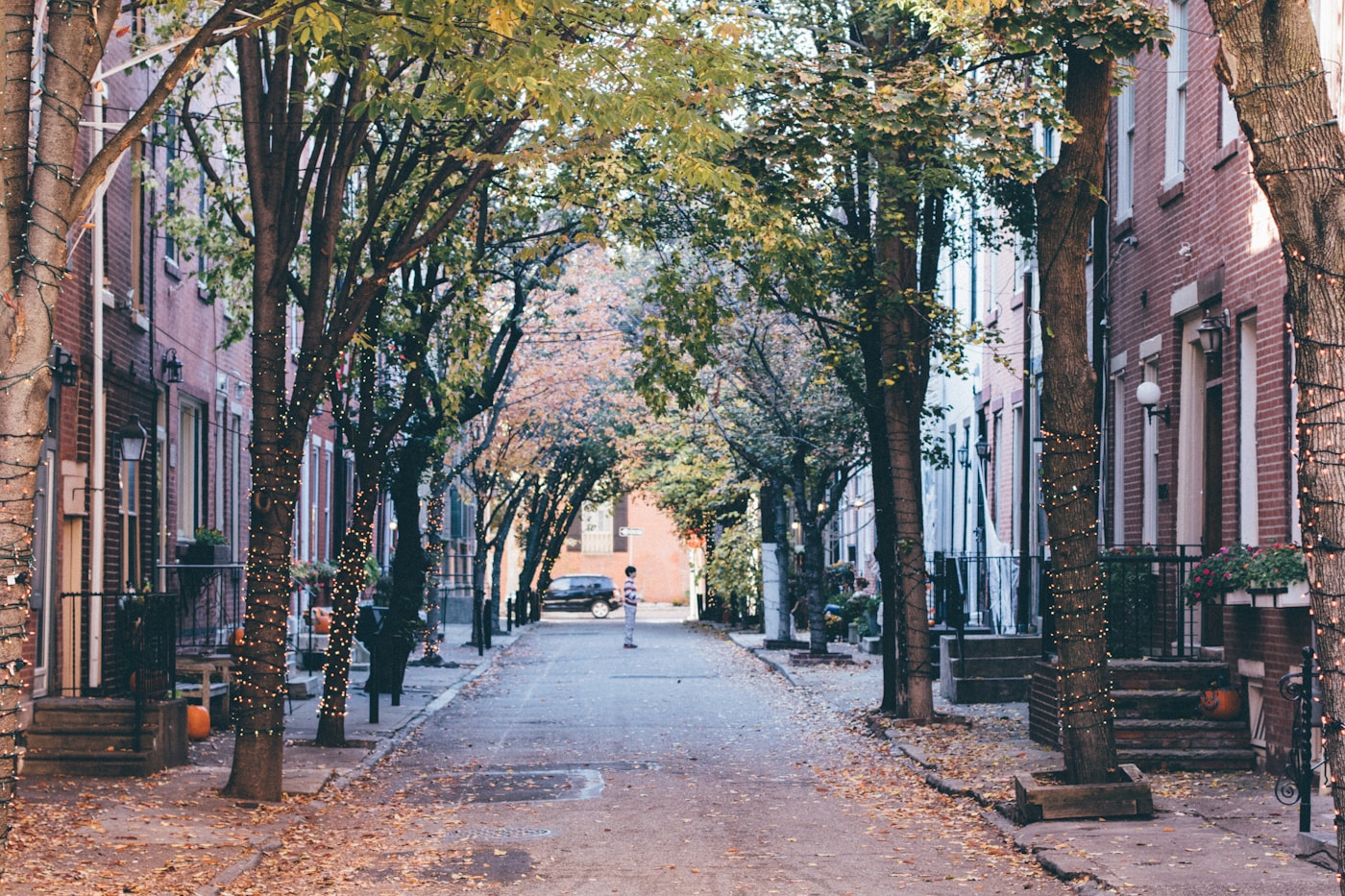
Philadelphia’s Frankford Avenue corridor is exactly the kind of neighborhood the word describes: generations of families who know each other, new arrivals who get folded in fast, and food that reflects both. We wanted a name that sounded like it belonged there, not one imported from a franchise playbook.
If you want the fuller story of how the restaurant itself came together, our About Us page has the details. And if this is your first time hearing about us, the easiest way to understand what “paisa” means to us in practice is to see it on a plate — head to our online menu and order something.
If digging into where a word actually comes from is your kind of rabbit hole, we went down a similar one with what “queso” really means — another word that gets used a lot more loosely than its original meaning.
Frequently Asked Questions
- What does “paisa” mean in Spanish?
- It’s a short, informal form of paisano, meaning someone from your own country, hometown, or region — roughly “countryman” or, in everyday Mexican Spanish, “buddy.”
- Is “paisa” the same as “paisano”?
- Yes. Paisa is simply the shortened, more casual version of paisano, used the same way in everyday conversation.
- Does “paisa” mean the same thing in Colombia and Mexico?
- No. In Mexico it’s informal slang for a friend or fellow countryman. In Colombia, it specifically refers to someone from the Paisa Region around Medellín and Antioquia.
- Is it rude to call someone “paisa”?
- Not on its own. Among friends or people who share the background it describes, it’s warm and familiar. Said mockingly by an outsider, it can come across as disrespectful — context and tone decide.
- Why is it called Paisa’s Pizza?
- Because the name captures exactly what we wanted the restaurant to feel like: a neighborhood spot where pizza and Mexican food both feel like home cooking, and every customer gets treated like a regular.
- Is “paisa” the same word as the Indian currency unit?
- No. That’s an unrelated word with the same spelling — a small coin worth 1/100th of a rupee in India, Nepal, Pakistan, and Bangladesh. It has a completely different origin from the Spanish paisa this article is about.
Ready to taste what “paisa” means to us?