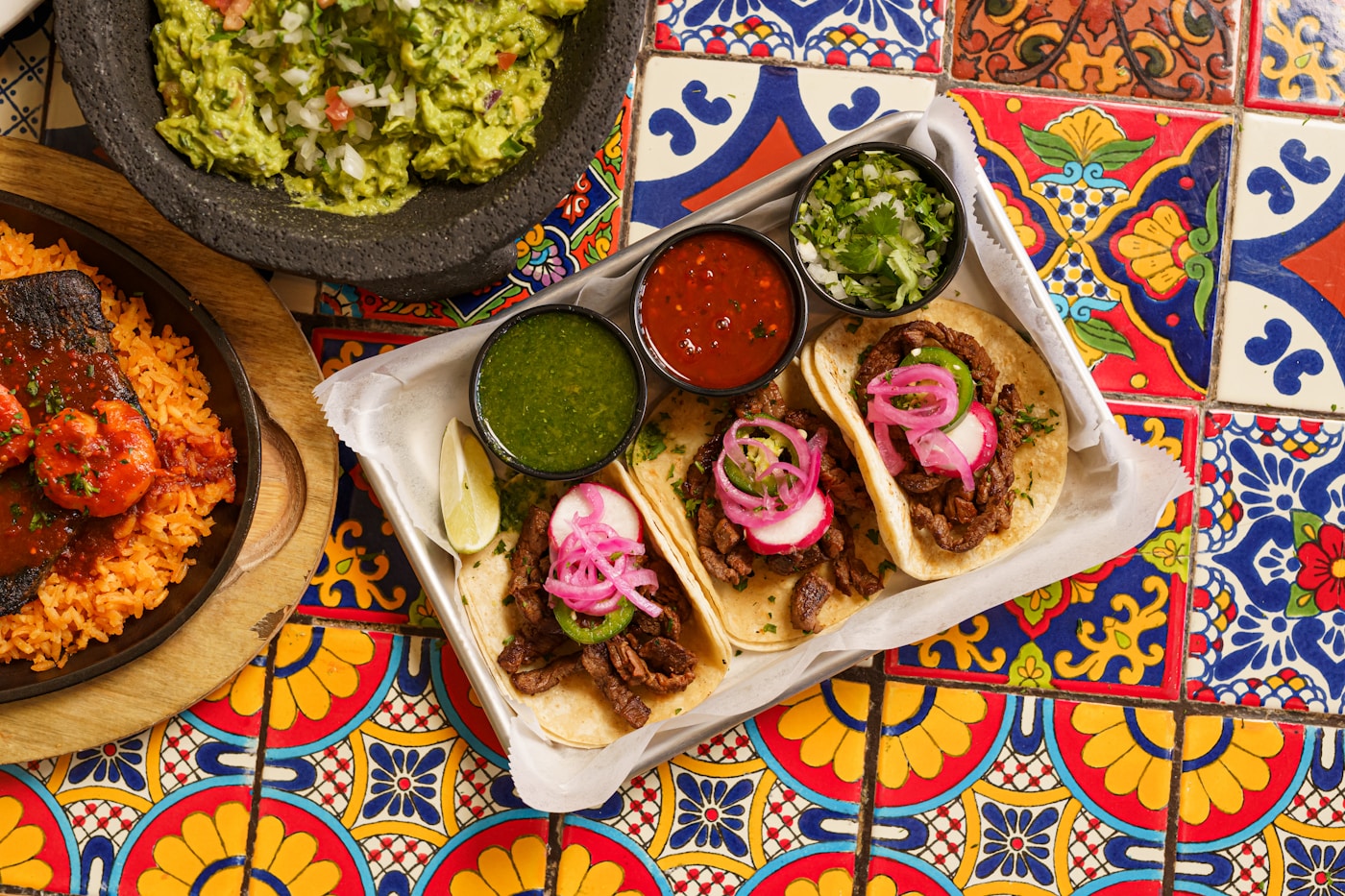
Tacos, burritos, quesadillas, and tortas all show up on the same Mexican food menus — ours included — and it’s easy to assume they’re just different shapes of the same thing. They’re not. Each one uses a different base (or no tortilla at all), a different cooking method, and lands very differently depending on how hungry you actually are.
Here’s a clear, no-fluff breakdown of what separates all four, so you know exactly what you’re ordering next time instead of guessing.
Tacos: Small, Folded, and Built for Flavor
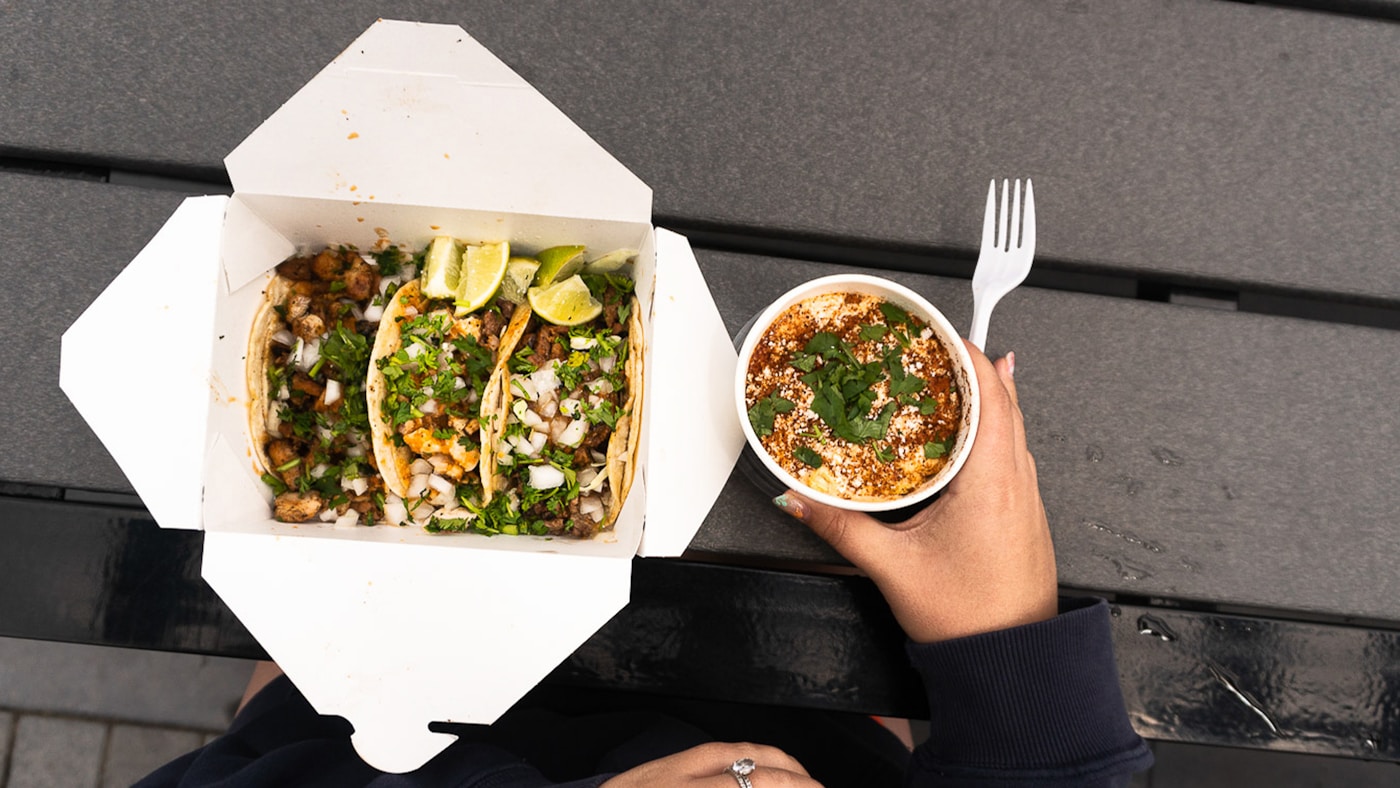
A taco starts with a small corn or flour tortilla, warmed briefly, then folded — not rolled — around a modest portion of filling. The tortilla stays soft and mostly plays a supporting role. The real focus is the filling: seasoned meat, onion, cilantro, and a splash of salsa or lime.
Because a single taco is small, ordering two or three is normal. That’s part of the appeal: you can mix meats or styles in one sitting instead of committing to just one flavor.
Burritos: Rolled, Wrapped, and Meant to Fill You Up
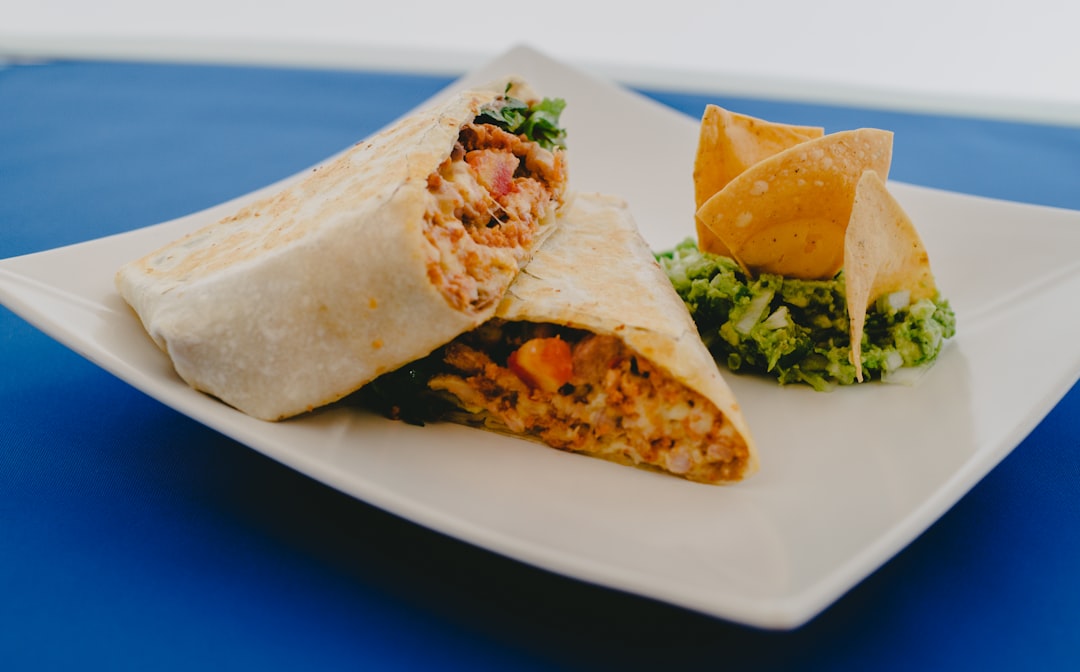
A burrito flips the ratio entirely. It uses a large flour tortilla — corn tortillas are too small and too likely to tear — rolled tightly around rice, beans, meat, cheese, and salsa, then folded at both ends so nothing falls out while you eat it.
Where a taco is a bite-sized flavor delivery system, a burrito is a full meal wrapped in one hand-held package. One burrito is usually enough on its own, which is exactly why it’s the go-to order when you want something filling without needing a fork.
Quesadillas: Grilled, Cheese-Forward, and Crisp on the Outside
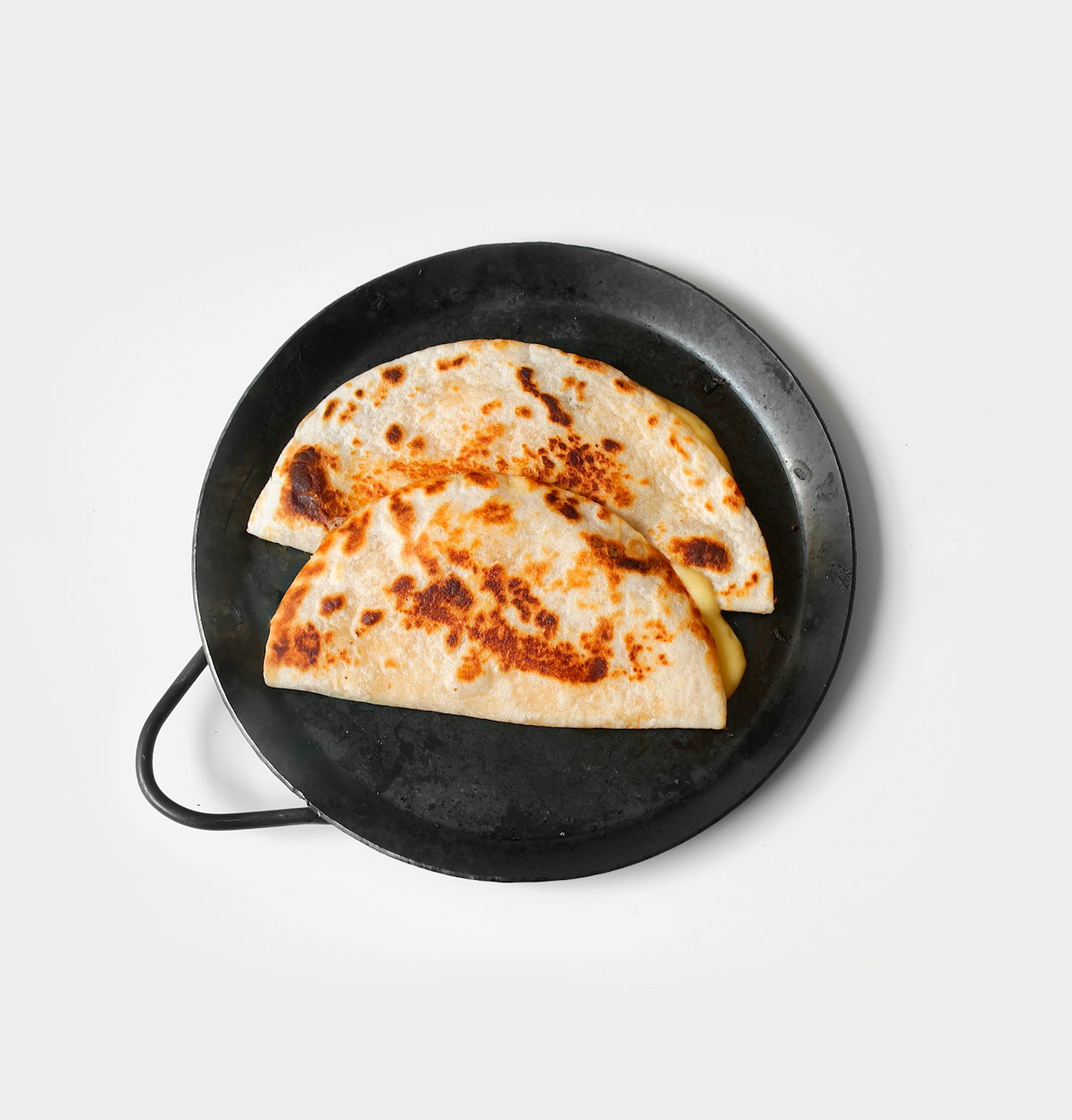
A quesadilla is built differently from both. A flour tortilla gets loaded with cheese — and often meat or vegetables — folded in half or topped with a second tortilla, then grilled or pan-cooked until the outside crisps and the cheese fully melts inside.
That grilling step is what makes a quesadilla its own category rather than just “a taco with cheese.” The heat changes the texture of the tortilla itself, giving it a golden, slightly crunchy exterior that neither a taco nor a burrito has.
Our Quesadilla comes with cheese by default, but a protein like al pastor is a popular add-on — see our al pastor quesadilla guide for exactly how that combination changes the flavor.
Tortas: Not a Tortilla at All
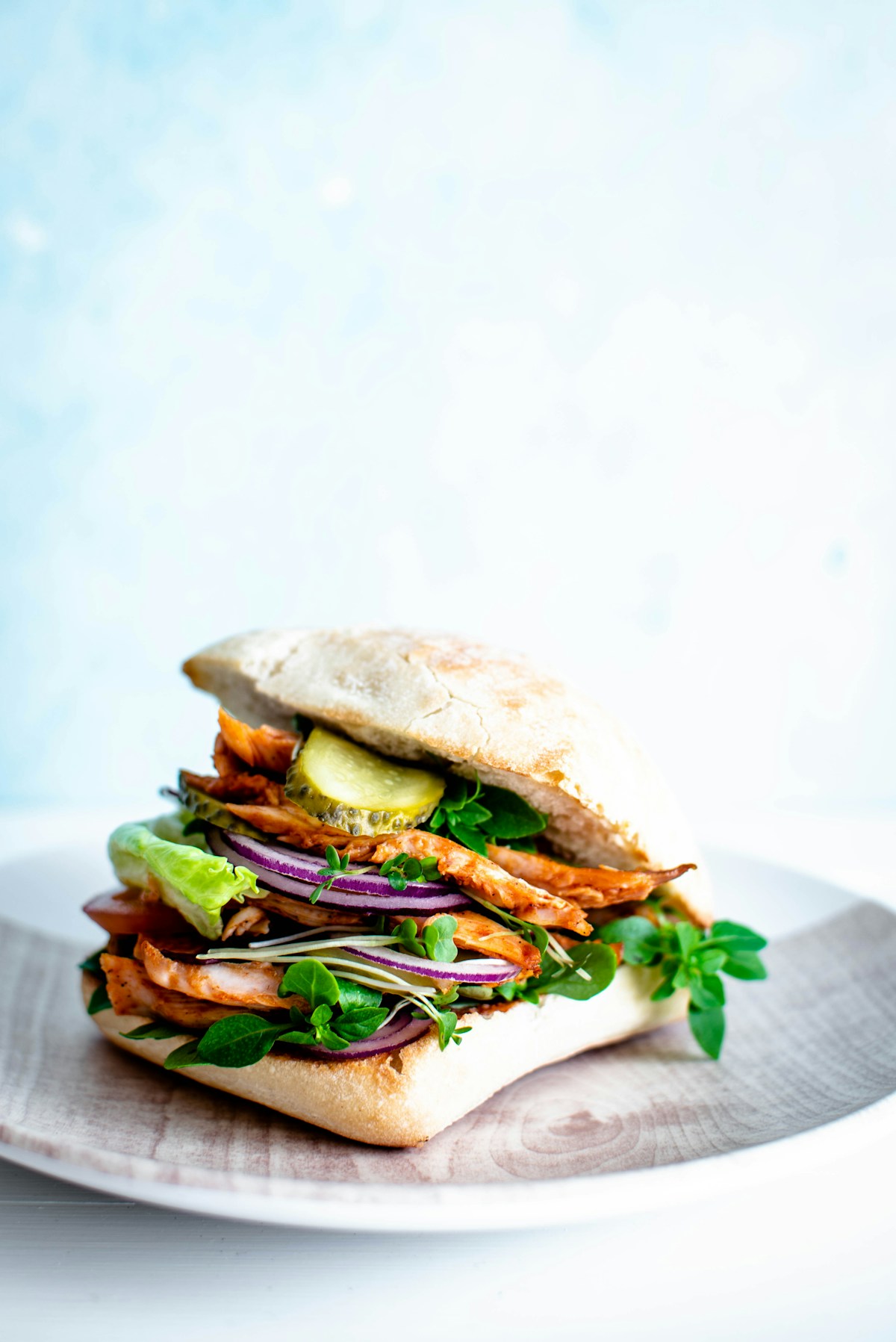
This is where most comparisons online get it wrong — they leave tortas out entirely, or lump them in as “just another wrap.” A torta isn’t wrapped in anything. It’s a sandwich, built on a toasted roll (traditionally a telera or bolillo), layered with meat, cheese, refried beans, avocado, onion, and salsa.
If tacos, burritos, and quesadillas are all tortilla-based in one way or another, the torta is the outlier: bread instead of tortilla, sandwich construction instead of a fold or a roll. It’s closer in spirit to a Cuban sandwich or a Vietnamese bánh mì than to anything else on this list — hearty, substantial, and eaten with both hands.
The torta has its own long history in Mexican cooking, with regional versions like the torta ahogada (a Guadalajara specialty served “drowned” in chile sauce) showing just how far the format can stretch beyond a simple sandwich. According to Wikipedia’s overview of the torta, the dish has been a staple of Mexican street food and lunch counters for generations, distinct from tortilla-based dishes despite the name’s similarity.
The most popular filling by far is carne asada. If that’s the version you’re after, our torta de asada guide covers exactly what goes into one and how to order it.
Corn vs. Flour Tortillas: Why the Base Actually Matters
Since three of these four dishes depend on a tortilla, it’s worth understanding the tortilla itself — because “corn” and “flour” aren’t interchangeable, and the choice changes the final dish more than most people realize.
Corn tortillas are made from masa, a dough made of ground, treated corn. They’re smaller, thinner, and have a slightly earthy, mineral flavor that comes from the corn itself. They’re also more prone to tearing, which is exactly why they’re the traditional choice for tacos: small tortillas, folded rather than rolled, don’t put much stress on the tortilla in the first place.
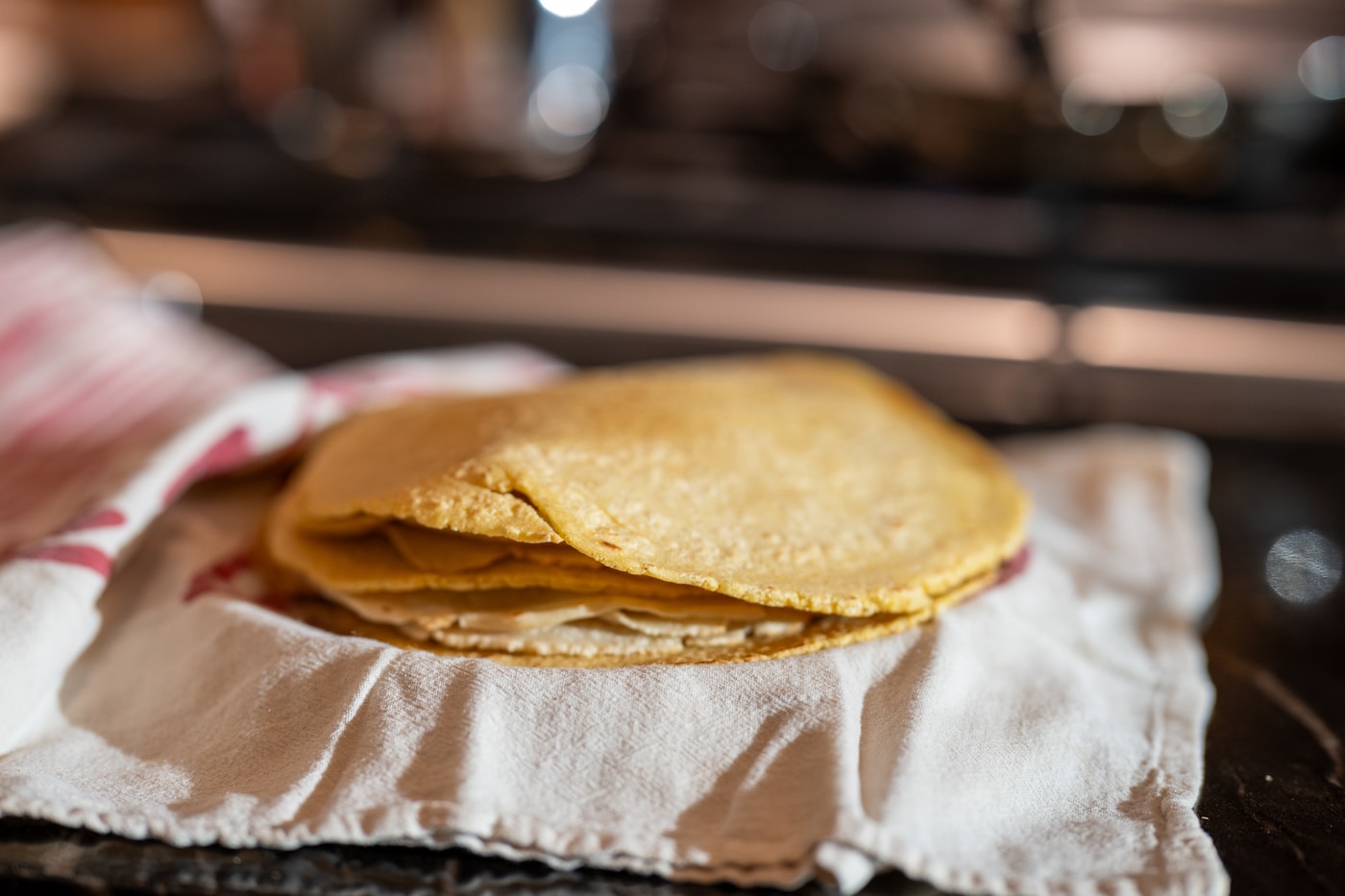
Flour tortillas are made from wheat flour, fat, and water, which makes them more elastic and far less likely to crack when rolled tightly. That’s exactly the property a burrito needs — a tortilla that can wrap around a large amount of filling and fold at both ends without splitting. Quesadillas typically use flour tortillas too, since the dough holds together better under direct heat and crisps evenly on a grill.
So the short version: corn tortillas are chosen for flavor and tradition in small, folded formats; flour tortillas are chosen for durability and flexibility in larger, rolled, or grilled formats. Neither one is “better” — they’re built for different jobs.
Side-by-Side Comparison
| Dish | Base | Cooking Method | Portion Size | Best For |
|---|---|---|---|---|
| Taco | Small corn or flour tortilla, folded | Warmed, not cooked further | Small — usually ordered 2-3 at a time | Sampling multiple flavors in one meal |
| Burrito | Large flour tortilla, rolled | Warmed, sometimes lightly grilled | Large — a full meal on its own | A filling, no-fork meal on the go |
| Quesadilla | Flour tortilla, folded or doubled | Grilled or pan-cooked until crisp | Medium to large, shareable | Cheese-forward comfort food |
| Torta | Telera or bolillo bread roll (no tortilla) | Toasted, assembled like a sandwich | Large — sandwich-sized | A hearty, handheld sandwich meal |
Which One Should You Order?
It really comes down to what you’re in the mood for:
- Want variety in one sitting? Order tacos and mix a couple of fillings.
- Want a filling meal you can eat with one hand? Go with a burrito.
- Craving something cheesy and crisp? A quesadilla is the move.
- In the mood for a sandwich instead of anything tortilla-based? Order a torta.
All four are made fresh in the same Frankford Avenue kitchen where we also make our pizza, so you’re never choosing between “the pizza place” and “the taco place.” You can see the full lineup — including nachos if you’d rather share a plate than commit to one dish — on our Mexican food menu.
If you’re new to us, our About Us page has the story of why a pizza shop makes Mexican food in the first place — short version: it’s the same neighborhood kitchen, just bilingual. For background on where our name comes from, read what “paisa” actually means. And if you’re deciding between tacos and a pizza order tonight, remember you don’t have to choose — check our Frankford Ave delivery coverage and hours to get both in one order.
Tacos, burritos, and quesadillas are also available bundled with fries and a soda as part of our Lunch Specials — we ran the numbers on those combos against ordering each item separately, and a few of them work out cheaper than the entree alone.
Frequently Asked Questions
- What’s the main difference between a taco and a burrito?
- Size and wrapping. A taco uses a small tortilla folded around a light filling; a burrito uses a large tortilla rolled tightly around a full meal’s worth of rice, beans, and meat.
- Is a quesadilla just a taco with cheese?
- No. A quesadilla is grilled or pan-cooked until the tortilla crisps, which changes its texture entirely. A taco is only warmed, so the tortilla stays soft throughout.
- Is a torta made with a tortilla?
- No — this is the most common misconception. A torta is a sandwich made on a toasted bread roll, not a tortilla, which makes it structurally different from tacos, burritos, and quesadillas.
- Which is the most filling option?
- Burritos and tortas are both built as full meals on their own. Tacos and quesadillas are more easily shared or ordered alongside something else.
- Can I order all four to try them together?
- Yes — all four are available on our Mexican food menu, so you can order a mix and compare them for yourself.
Ready to taste the difference for yourself?