Most people order pizza or Mexican food and grab whatever drink is closest, without thinking much about it. That’s fine most of the time — but there’s real food science behind why certain pairings just work better, and knowing it can genuinely change how a meal tastes.
Here’s the actual reasoning behind pairing drinks and extras with what you’re ordering, not just a random list of suggestions.
None of this requires overthinking a delivery order. But once you understand the handful of principles behind why certain combinations work, it’s genuinely easy to make small adjustments that noticeably improve the meal — without spending any extra money or ordering anything unusual.
Why Carbonation Works So Well With Pizza
Pizza is rich by design — melted cheese, olive oil, cured meats. Fat coats your palate and dulls flavor perception the longer you eat, which is exactly the problem carbonation is good at solving. The bubbles create a mechanical scrubbing effect against your tongue, while the acidity in most sodas cuts through the richness the same way a squeeze of citrus does on a fried dish.
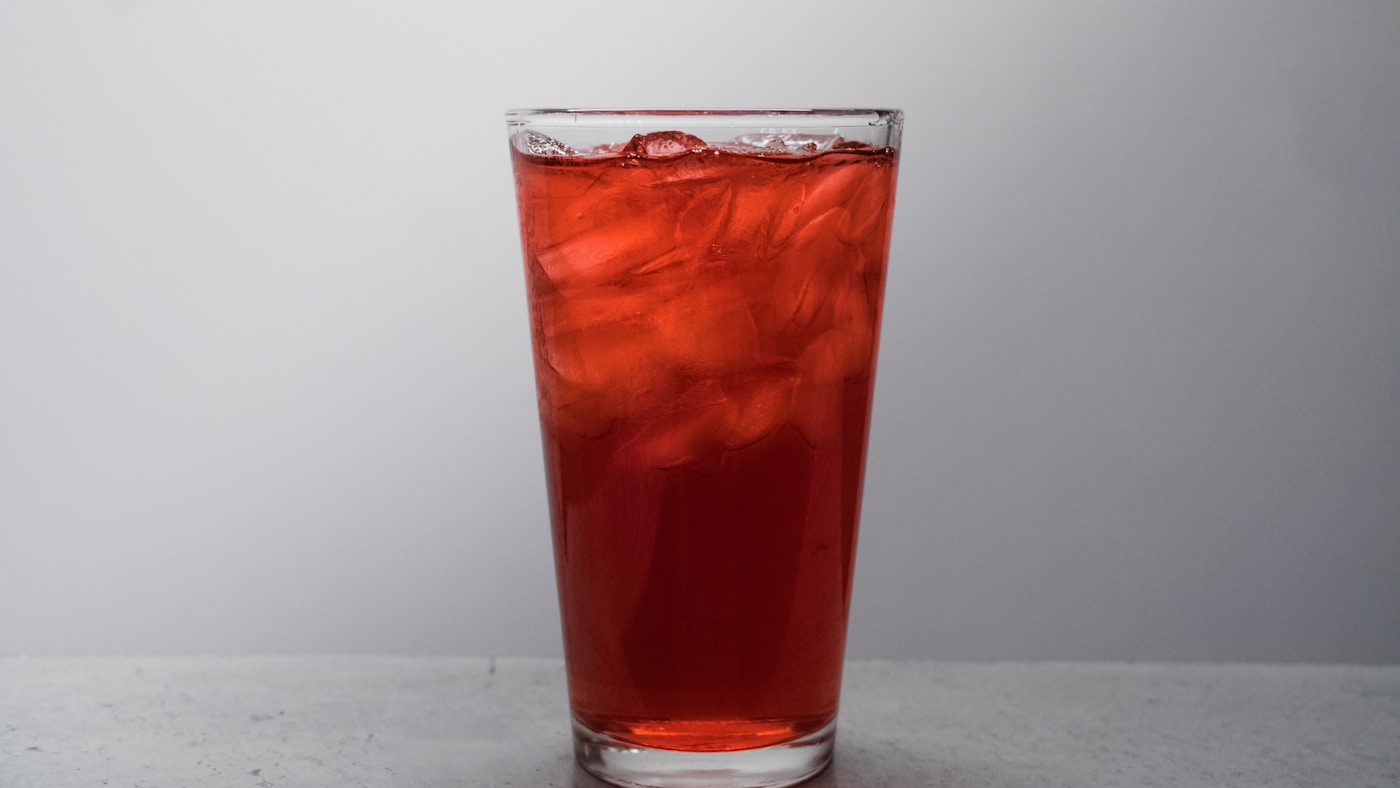
That’s the actual mechanism behind why a cold, carbonated drink feels so natural alongside a cheesy slice. It’s not just tradition — it’s resetting your palate between bites so the next one still tastes as good as the first. Our canned soda covers that pairing directly.
This is also why flat drinks tend to feel worse with pizza than the same drink would with, say, a salad. Without the carbonation doing that mechanical work, richness just keeps accumulating bite after bite instead of getting reset, which is part of why a pizza dinner without any carbonated drink at all can start to feel heavier than the same meal with one.
Why Sweet Drinks Help With Spicy Mexican Food
If you’ve ever reached for something sweet after a bite that was hotter than expected, that instinct is backed by real chemistry. Capsaicin, the compound that makes peppers spicy, binds to pain receptors on your tongue called TRPV1 receptors — the same receptors that detect heat. Sugar interferes with that binding directly, which is part of why it dulls the burn within seconds.
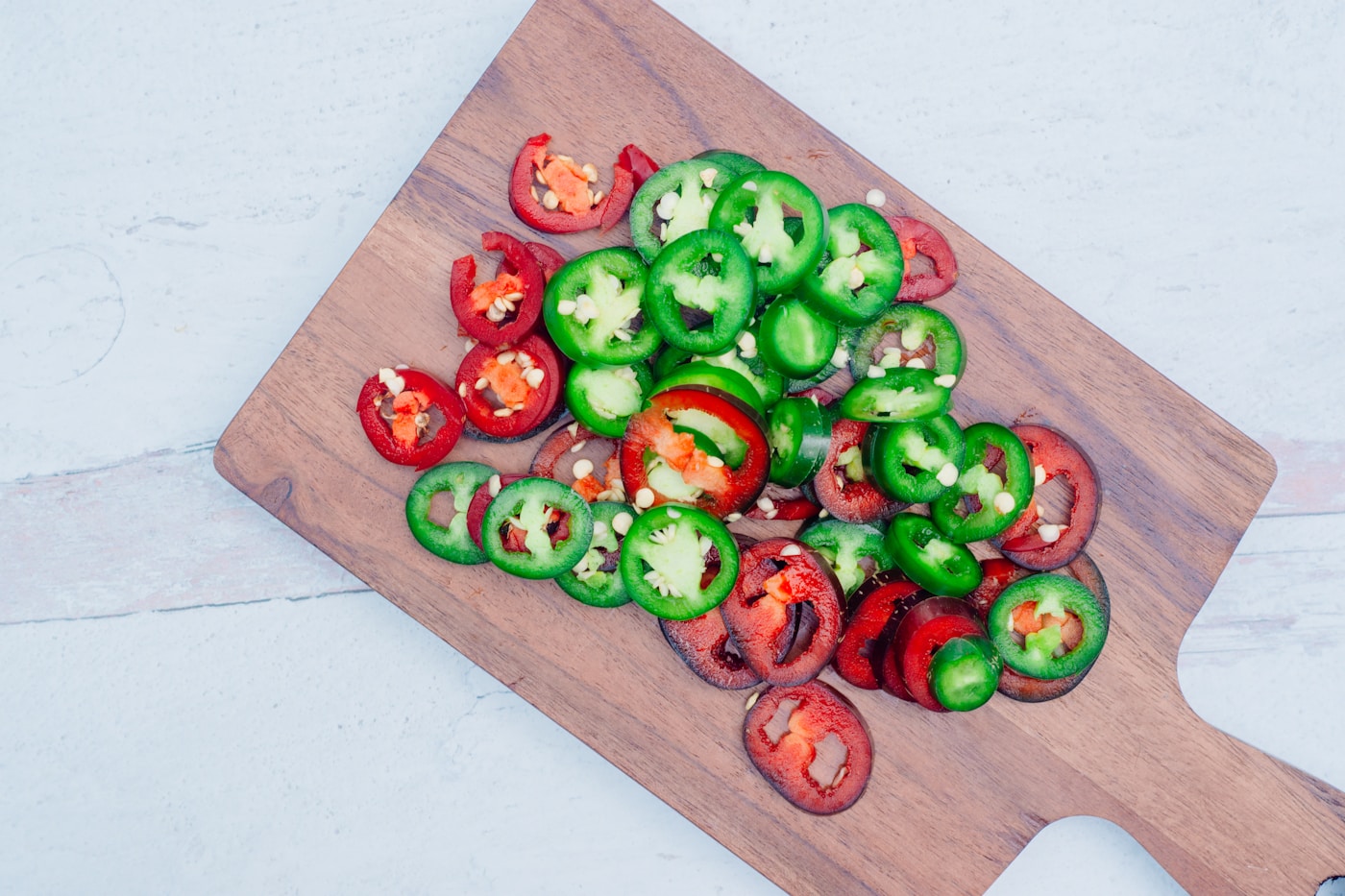
Not all peppers bring the same amount of heat, either, which is worth knowing before you decide how seriously to take a drink pairing. Jalapeños actually sit toward the milder end of the Scoville scale, well below habaneros or ghost peppers, so a dish built around them may only need a light pairing rather than your sweetest option on the menu.
There’s also a sensory effect at play: sweetness and heat get processed at the same time by the brain, and a strong sweet signal can partly drown out the burn signal, similar to how sugar can make bitterness less noticeable. According to PanFlavor’s breakdown of the science, sweetened fruit drinks have actually tested as more effective at cutting oral burn than plain water or even carbonated seltzer.
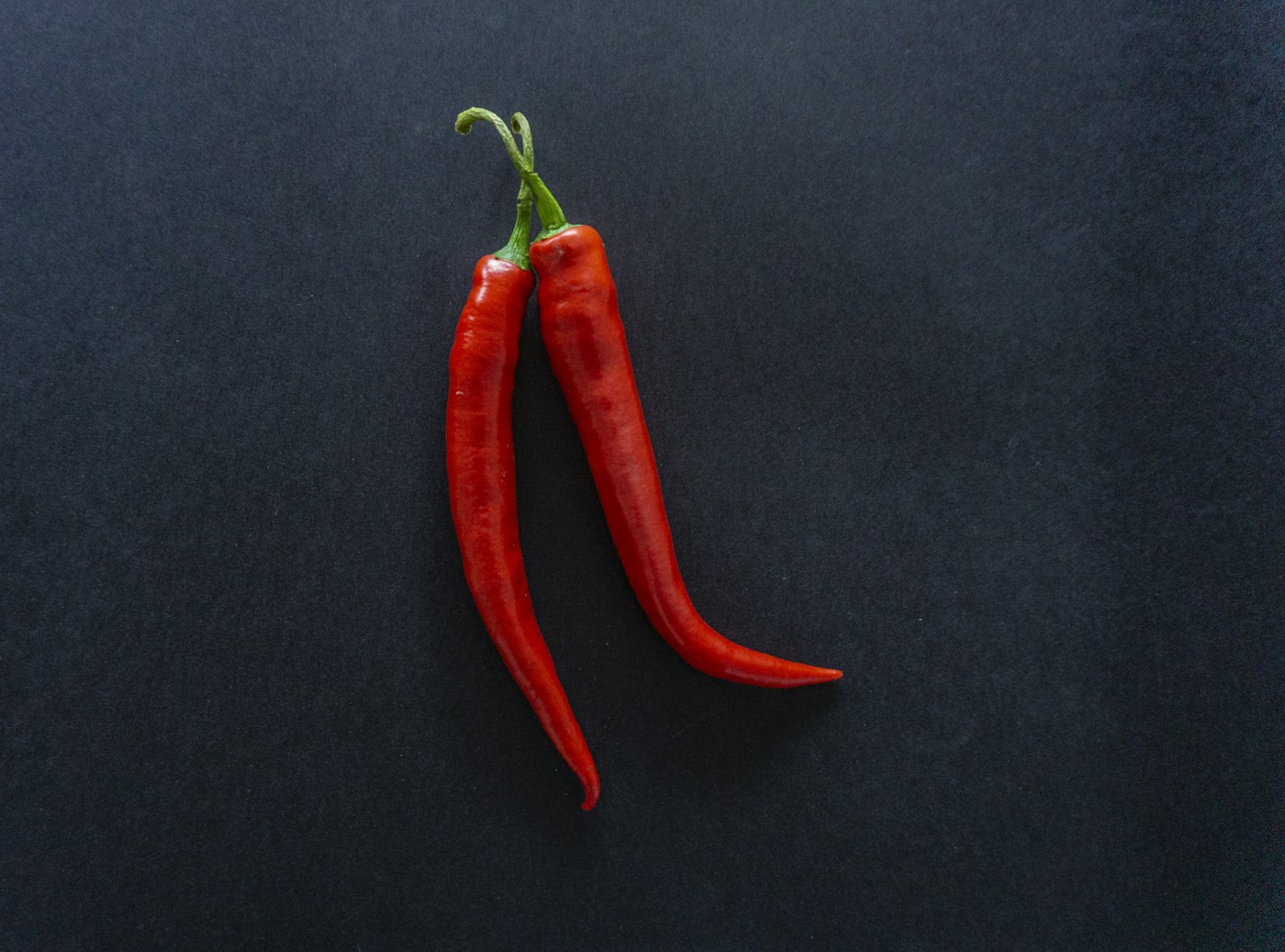
That’s exactly why something like Snapple pairs so naturally with our Mexican food menu. A sweetened, fruit-flavored iced tea does real work against spice, not just refreshment — it’s arguably a better match for a spicy taco than a plain soda would be.
It’s worth noting this only works one direction. A savory or unsweetened drink doesn’t do anything to fight capsaicin’s burn — the effect depends specifically on sugar interacting with those pain receptors, not just on temperature or carbonation. That’s why a squeeze of lime helps with flavor but doesn’t actually cool the heat down the way something sweet does.
Don’t Underestimate Plain Water
It’s tempting to assume water is the boring default option, but it earns its place for a different reason: it doesn’t compete with anything. If you’re ordering a mix of pizza and Mexican food and want your palate to genuinely taste both without one flavor bleeding into the next, water resets things more completely than any flavored drink can.
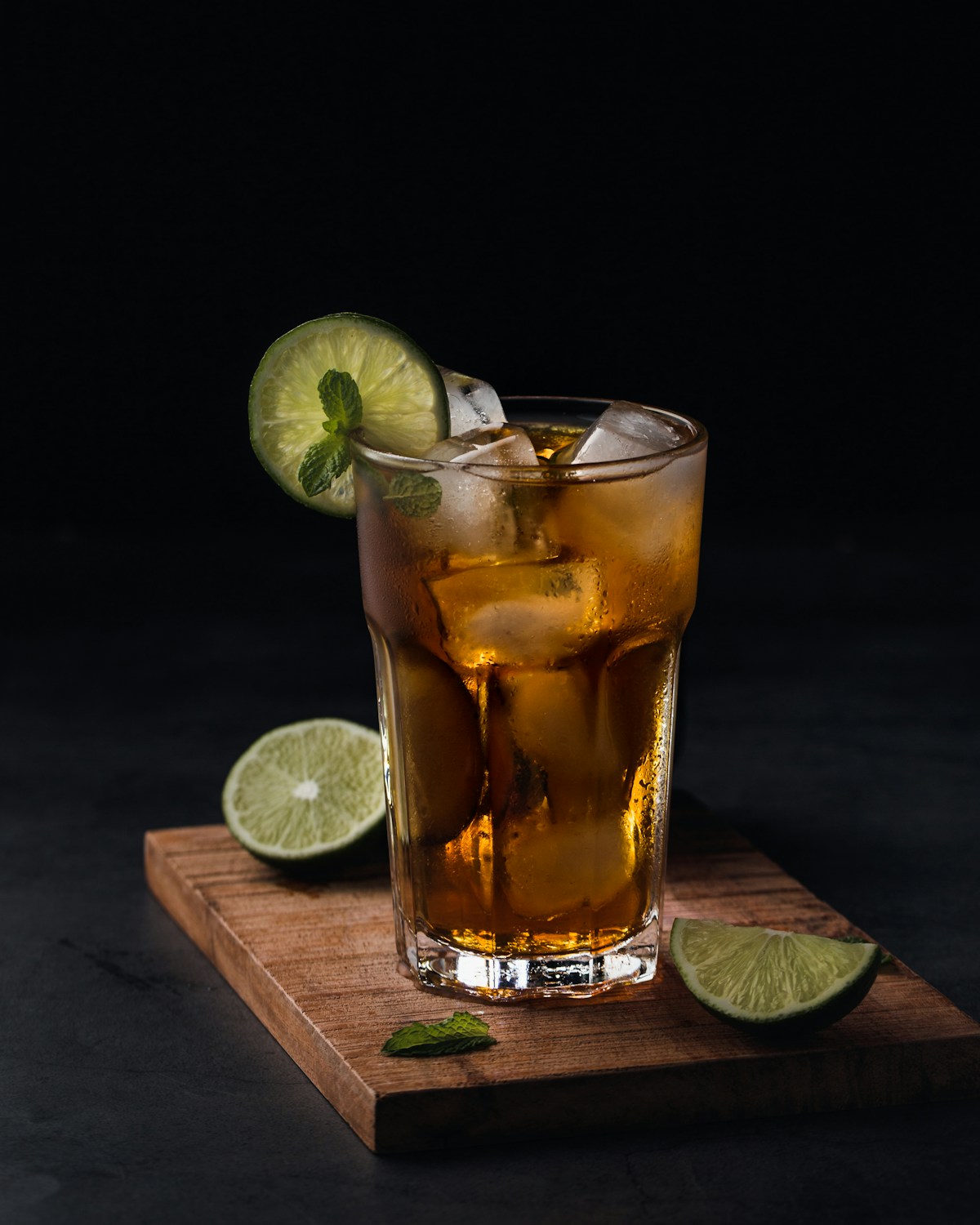
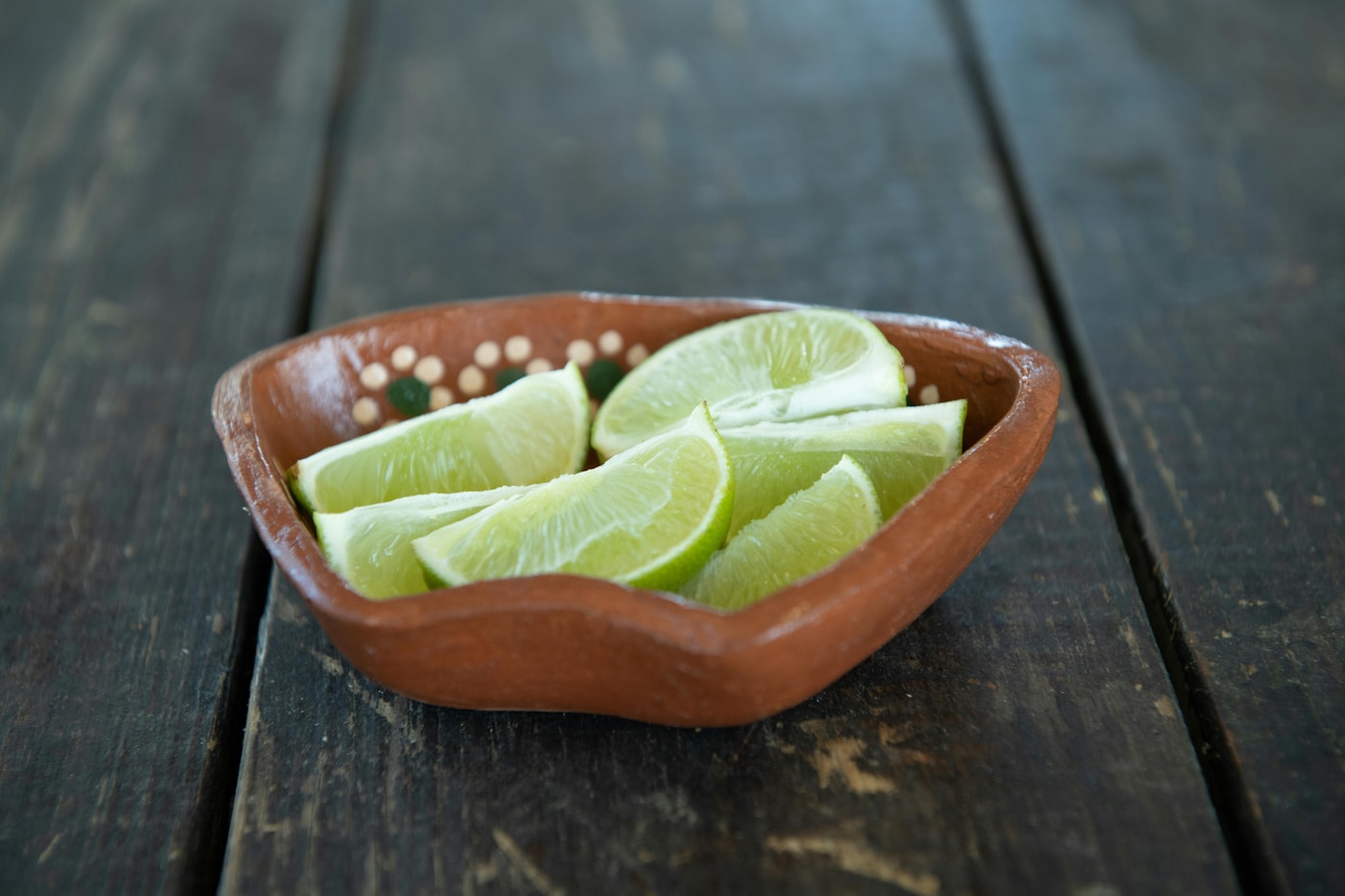
It’s also the right call if you’re already leaning on citrus. A squeeze of fresh lime over tacos does a lot of the same acid-cutting work that soda does for pizza, so pairing that with a sweetened drink on top can occasionally feel like overkill. Sometimes the better move is letting the food’s own acidity do the work and keeping the drink neutral.
Fresh Toppings Do More Than Add Flavor
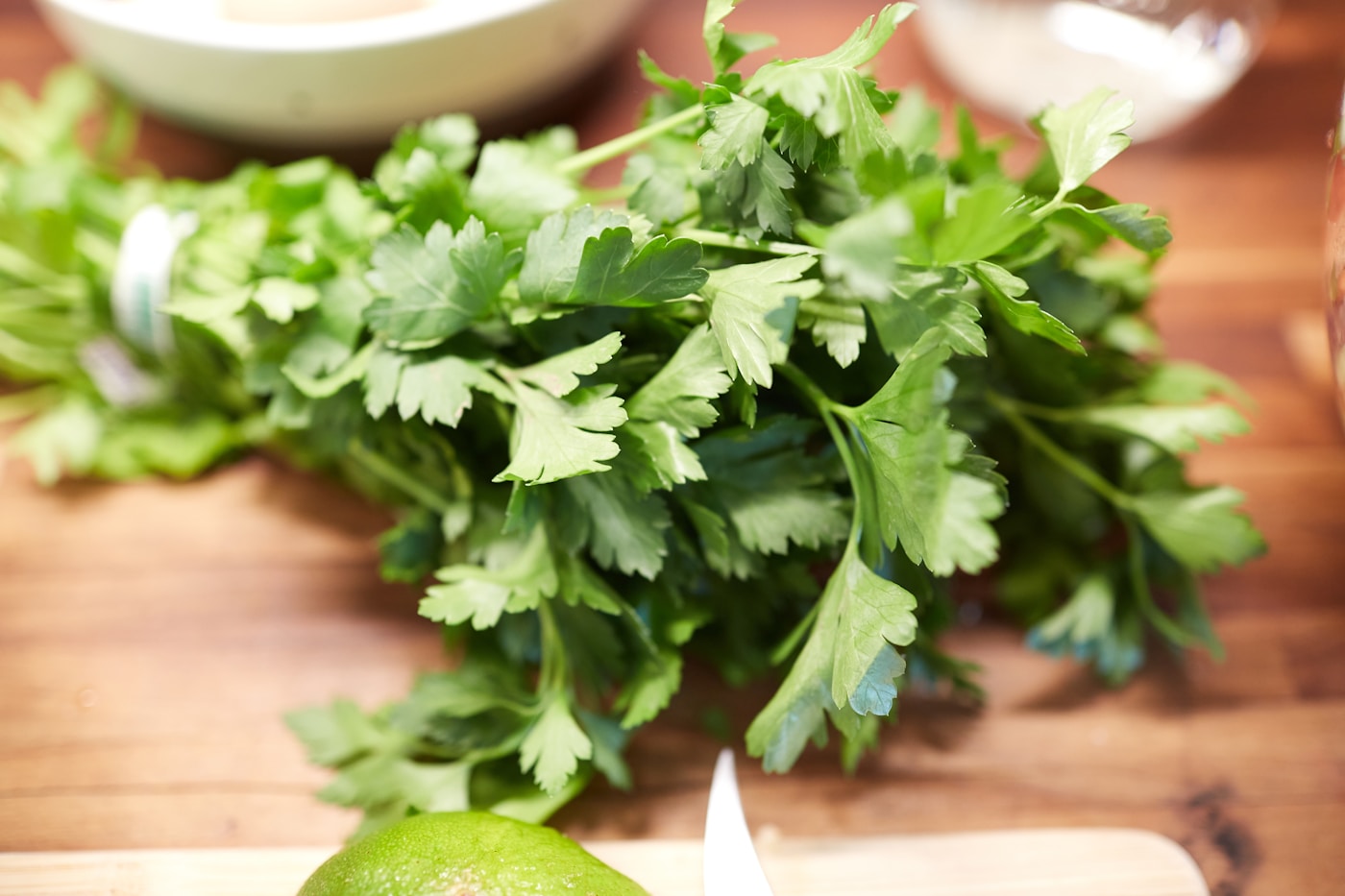
Cilantro, onion, and lime aren’t just garnish on tacos and burritos — they’re doing real textural and flavor work, cutting through the richness of the meat the same way a drink pairing does. That’s part of why Mexican food doesn’t always need a heavy drink pairing the way pizza does: a lot of the palate-resetting work is already built into the dish itself.
Pizza doesn’t have that same built-in reset mechanism, which is exactly why the drink pairing matters more there. A slice on its own is just crust, sauce, and cheese — nothing acidic or crunchy interrupting the richness the way onion and lime do on a taco. That’s the real reason pizza leans harder on what you drink alongside it than Mexican food does.
Quick Pairing Guide
| If You’re Ordering | Best Drink Pairing | Why |
|---|---|---|
| Meat Lovers or Plain Pizza | Canned soda | Carbonation cuts through rich, fatty cheese and meat |
| Spicy tacos or nachos with jalapeños | Snapple | Sugar disrupts capsaicin’s burn on your tongue |
| A mixed pizza + Mexican food order | Bottled water | Neutral palate lets both cuisines taste distinct |
| Anything eaten outdoors or post-activity | Gatorade | Replaces electrolytes alongside the meal |
Building a Balanced Order
If you’re ordering for yourself rather than a group, a reasonable approach is picking one drink that matches your main dish’s intensity rather than defaulting to whatever’s cheapest or most familiar. A loaded Meat Lovers Pizza genuinely tastes different with a cold soda than it does with a sweet tea — not better or worse across the board, just different, in a way that’s worth noticing once you know why.
If you’re ordering a mix of both menus, our tacos vs. burritos vs. quesadillas vs. tortas guide can help you decide what to order in the first place, before you even get to the drink.
None of these pairings are strict rules, either — they’re starting points based on what actually happens on your palate, not arbitrary tradition. If you already know soda with pizza is your favorite combination regardless of the science, there’s nothing wrong with sticking to it. The point of understanding the reasoning is just to make an informed choice when you’re deciding between options, not to replace personal preference with a formula.
Frequently Asked Questions
- What’s the best drink to pair with pizza?
- A carbonated soda works best. The bubbles and acidity cut through the richness of melted cheese and cured meats, resetting your palate between bites.
- Does sugar actually help with spicy food, or is that a myth?
- It’s real. Sugar interferes with how capsaicin binds to pain receptors on your tongue, and sweetened drinks have tested as more effective than plain water at reducing burn.
- Should I drink water with a mixed pizza and Mexican food order?
- It’s a solid choice if you want both cuisines to taste distinct rather than blending together, since water doesn’t compete with either flavor profile.
- Why does lime show up so often with Mexican food?
- Lime’s acidity cuts through rich, fatty fillings the same way carbonation does for pizza, which is why it’s added directly to the dish rather than relying only on a drink pairing.
- Is Gatorade actually a good pairing, or just a default choice?
- It’s a legitimate choice specifically if you’re eating after physical activity, since it replaces electrolytes alongside the meal rather than just adding flavor.
Ready to build your order?