Order a taco, a burrito, or a plate of nachos almost anywhere and you’ll hit the same question: asada, carnitas, al pastor, or pollo? If you’ve ever paused at the counter because you weren’t sure what separates them, you’re not alone — these four words show up on Mexican menus everywhere, but rarely with an explanation attached.
Each one is a genuinely different cooking tradition, not just a flavor variation on the same base. The meat, the marinade, and the cooking method all change from one to the next, which is exactly why the same dish — a taco, a burrito, a plate of nachos — can taste completely different depending on which protein ends up inside it.
Here’s what each one actually is, where it comes from, and how to know which one you actually want.
Carne Asada: Grilled, Marinated Beef
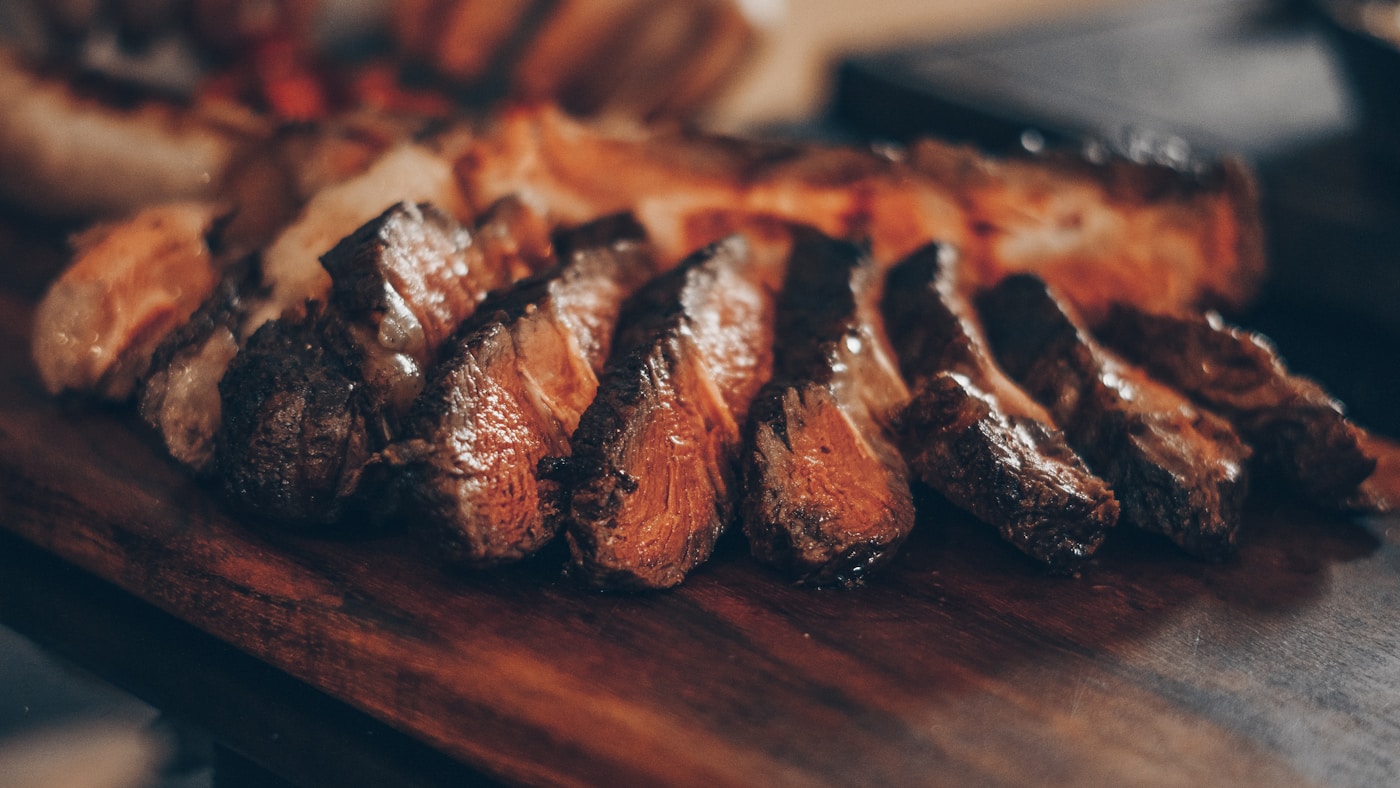
Carne asada translates simply to “grilled meat,” and in practice it means beef — usually flank or skirt steak — marinated in citrus juice, garlic, and spices, then grilled hot and fast over an open flame.
The marinade does most of the work here. A few hours in citrus and garlic tenderizes the cut and builds a savory, slightly tangy crust once it hits the grill. The result gets sliced thin against the grain, which is what gives carne asada its signature chew — firm enough to hold up in a taco, tender enough not to fight back.
Carnitas: Slow-Cooked, Shredded Pork
Where carne asada is fast and hot, carnitas is the opposite approach entirely. Pork — typically shoulder — is braised low and slow, sometimes in its own rendered fat, until it’s fall-apart tender. It’s then shredded or roughly chopped, and often finished with a quick sear so the edges crisp up.
That contrast between tender interior and crisp edge is the whole point. Carnitas has a richer, more savory flavor than carne asada, and a softer bite — it practically falls apart on the fork before it ever gets near a tortilla.
Al Pastor: A Lebanese Technique That Became a Mexican Staple
Al pastor has the most surprising backstory of the four. The cooking method — thin layers of marinated meat stacked on a vertical spit, called a trompo, and shaved off as the outside cooks — wasn’t originally Mexican at all. It came from Lebanese immigrants who settled in Puebla in the early 20th century, bringing the shawarma technique with them.
Mexican cooks adapted it: lamb became pork, and the marinade shifted to dried chilies, achiote paste, and pineapple. According to Wikipedia’s history of al pastor, the dish took its modern shape in Mexico City and became widely popular by the 1960s — meaning the “traditional” taco most people picture today is really a century-old fusion dish.
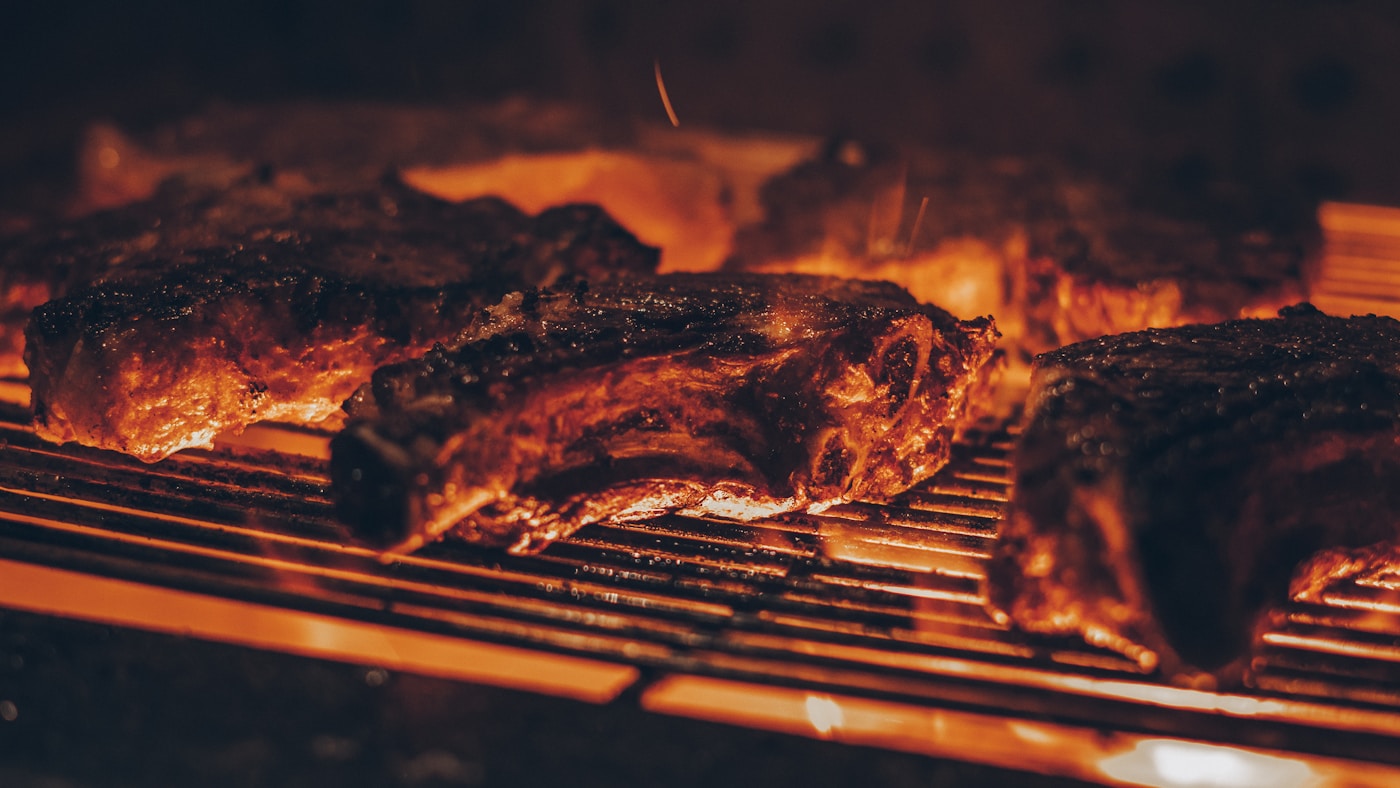
The result is pork with a deep red color from the achiote, a slightly sweet edge from the pineapple cooked right on top of it, and charred, caramelized bits from the spit. It’s sweeter and smokier than either carne asada or carnitas, and unmistakable once you’ve had it.

Pollo Asado: The Lighter, Citrus-Forward Option
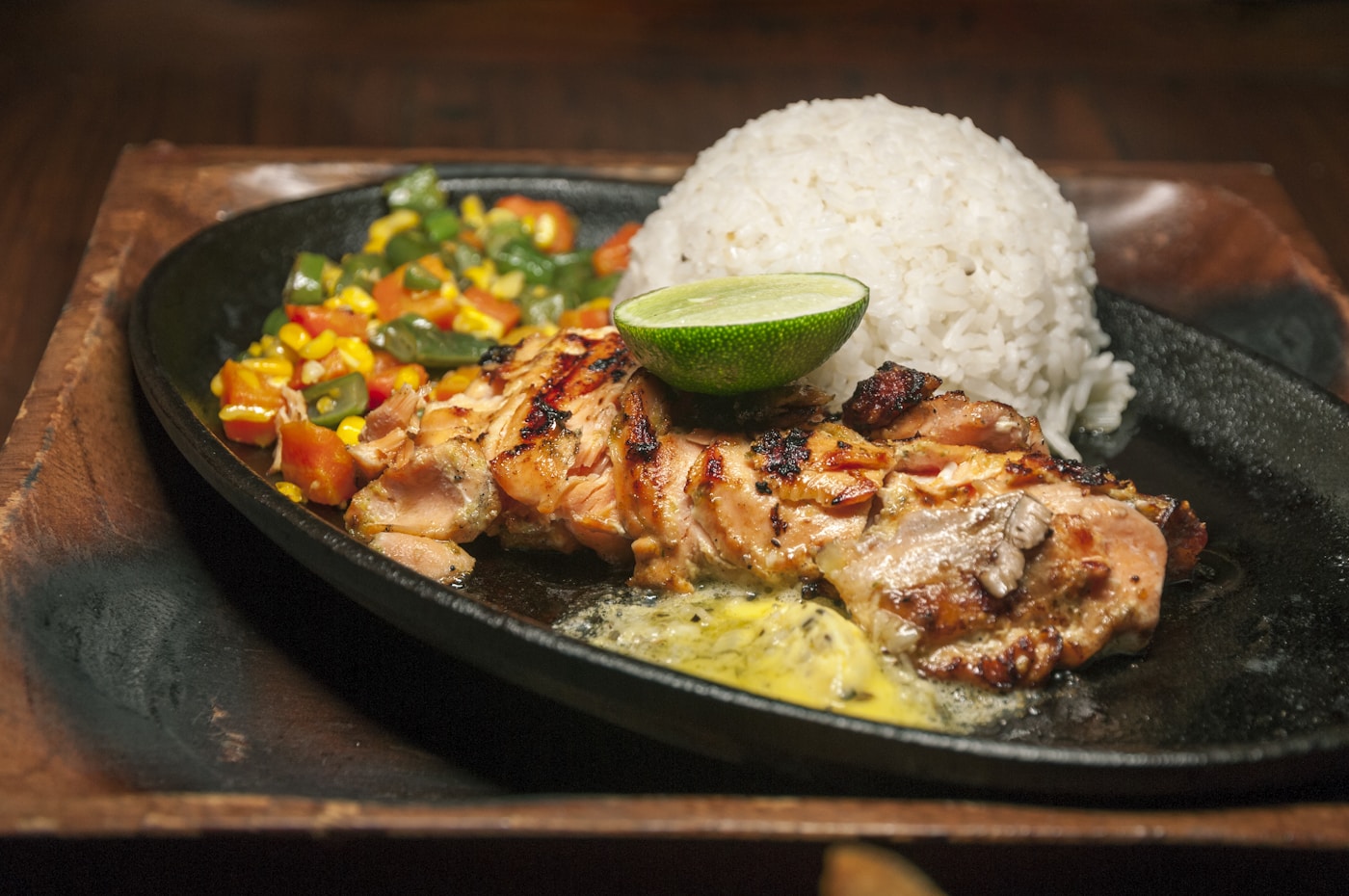
Pollo asado is grilled chicken, but it’s not just “carne asada with chicken instead of beef.” The marinade is its own thing: citrus juice, garlic, and achiote or annatto, which gives the meat a distinctive red-orange color and a brighter, tangier flavor than the deeper, smokier profile of the beef and pork options.
It’s also the leanest of the four, which makes it the option people reach for when they want something a little lighter without giving up flavor. Grilled hot and fast like carne asada, it finishes with a charred, caramelized exterior and a juicy interior.
Beyond Tacos: The Same Meats Show Up Everywhere
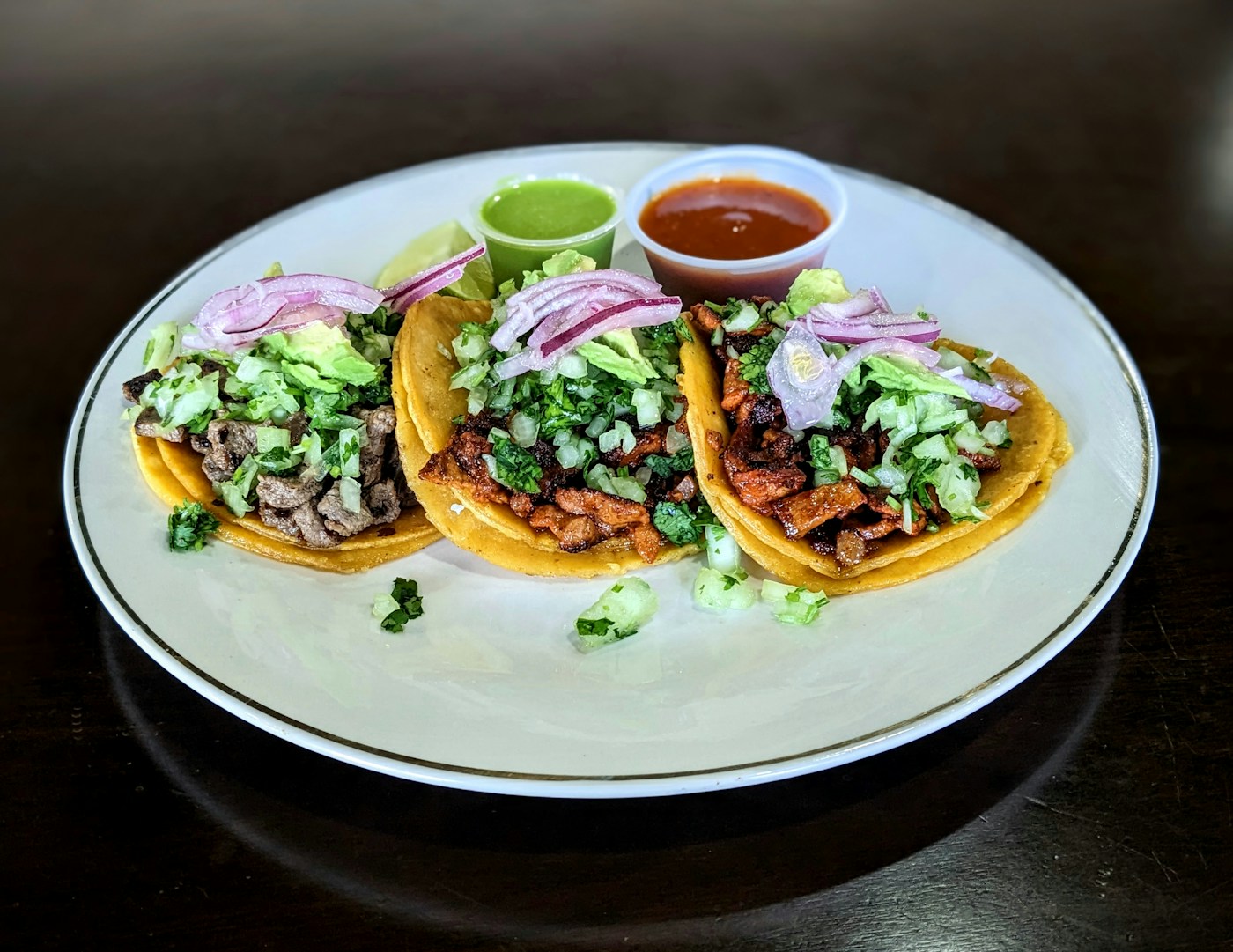
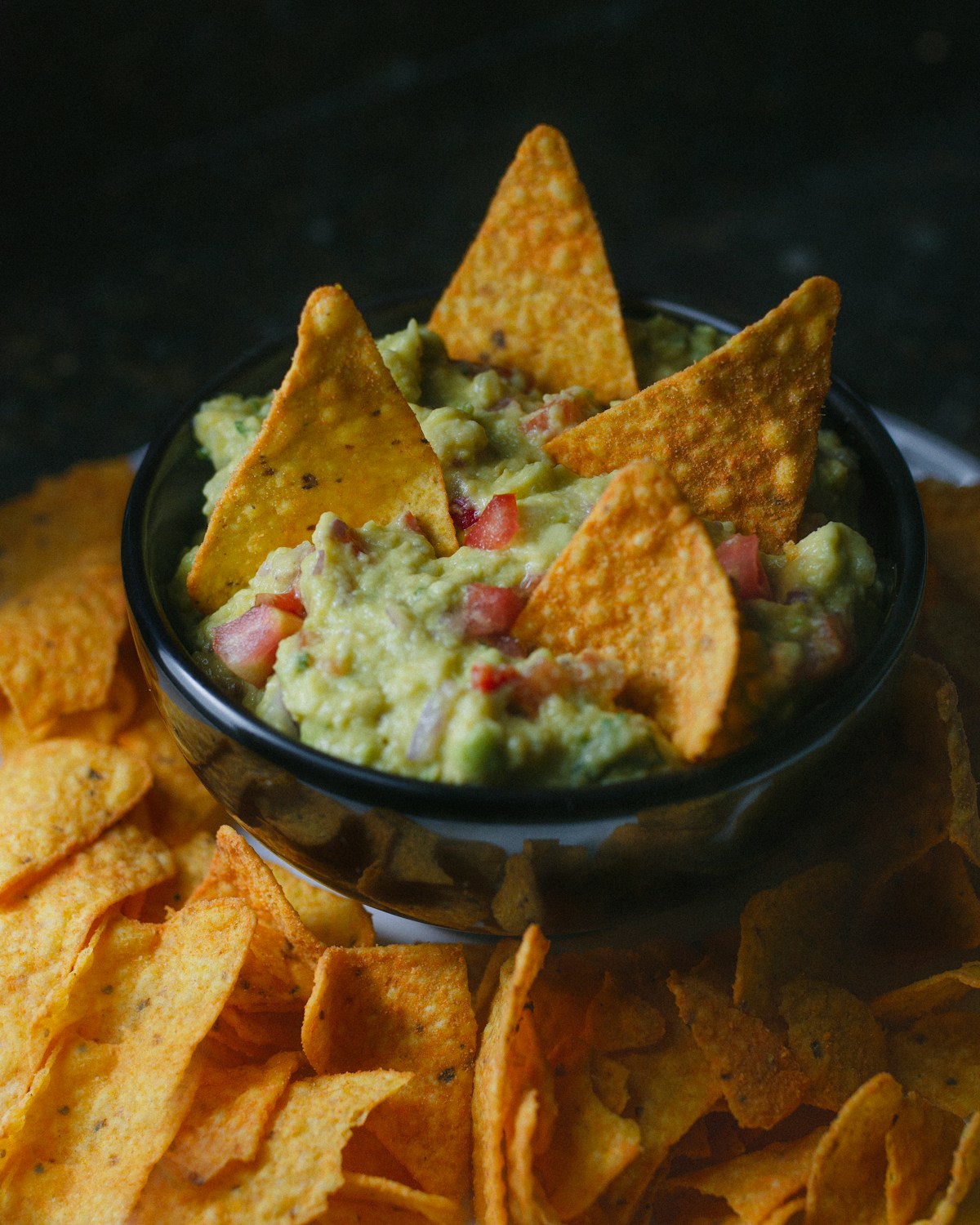
One thing that trips people up: these four proteins aren’t tied to any single dish. The same carne asada that goes in a taco also works in a burrito, a quesadilla, or piled high on nachos — the meat doesn’t change, only the format around it does.
That’s actually the easiest way to think about ordering. Pick the protein you’re craving first, then decide whether you want it folded into something small, wrapped into something filling, grilled into a quesadilla, or loaded onto a shareable plate.
A side-by-side breakdown like this is also useful context if you’re comparing options across a few different Mexican restaurant menus before deciding where to order — the terminology stays consistent even when the specific menu items don’t.
Side-by-Side Comparison
| Meat | Protein | Marinade | Cooking Method | Flavor Profile |
|---|---|---|---|---|
| Carne Asada | Beef (flank/skirt steak) | Citrus, garlic, spices | Grilled hot and fast | Savory, tangy, firm bite |
| Carnitas | Pork (shoulder) | Minimal — slow-braised in its own fat | Braised low and slow, then crisped | Rich, tender, fall-apart texture |
| Al Pastor | Pork | Dried chilies, achiote, pineapple | Stacked on a vertical spit (trompo) | Sweet, smoky, charred edges |
| Pollo Asado | Chicken | Citrus, garlic, achiote | Grilled hot and fast | Bright, tangy, leaner |
Which One Should You Order?
All four work across most of the Mexican menu — the difference is really about what texture and flavor you’re craving:
- Want something classic and satisfying? Carne asada is the reliable choice, especially in tacos, a hearty burrito, or built into a classic torta de asada.
- Want something rich and comforting? Carnitas’ tender, shredded texture works well folded into a quesadilla or piled on nachos.
- Craving something a little sweeter and smokier? Al pastor’s pineapple-forward flavor stands out in tacos, on a loaded plate of nachos, or folded into a quesadilla — see our al pastor quesadilla guide for exactly how that combination works.
- Want a lighter option without sacrificing flavor? Pollo asado holds up well in a torta or a burrito.
If you’re still deciding on the dish itself — not just the meat — our tacos vs. burritos vs. quesadillas vs. tortas guide breaks down the format side of the menu, while this one covers what actually goes inside it.
Why You’ll See Both “Asada” and “Asado”
If you’ve noticed menus spell it two different ways, that’s not a typo. In Spanish, adjectives change ending to match the gender of the noun they describe. Carne (meat) is feminine, so it’s carne asada. Pollo (chicken) is masculine, so it’s pollo asado. Same root word, same grilling method — just standard Spanish grammar doing its job.
Frequently Asked Questions
- What’s the difference between carne asada and carnitas?
- Carne asada is grilled, marinated beef with a firm, chewy texture. Carnitas is slow-braised pork that’s shredded and tender, with crisped edges.
- Is al pastor really Mexican?
- The dish as it’s known today developed in Mexico, but the cooking technique — meat stacked on a vertical spit — came from Lebanese immigrants who brought shawarma-style cooking to Puebla in the early 1900s. It’s a genuine fusion dish with a Mexican identity built over more than a century.
- What gives al pastor its red color?
- Achiote paste, made from annatto seeds, along with dried chilies in the marinade. The same achiote also gives pollo asado its red-orange tint.
- Is pollo asado healthier than the other options?
- It’s generally leaner since it’s chicken rather than beef or pork, though the exact nutrition depends on preparation and portion size.
- Can I get any of these meats on nachos?
- Yes — our nachos pair well with any of these proteins if you want to build a loaded plate. See our carne asada vs. carnitas nachos guide for how each one actually changes the plate.
Ready to taste the difference for yourself?