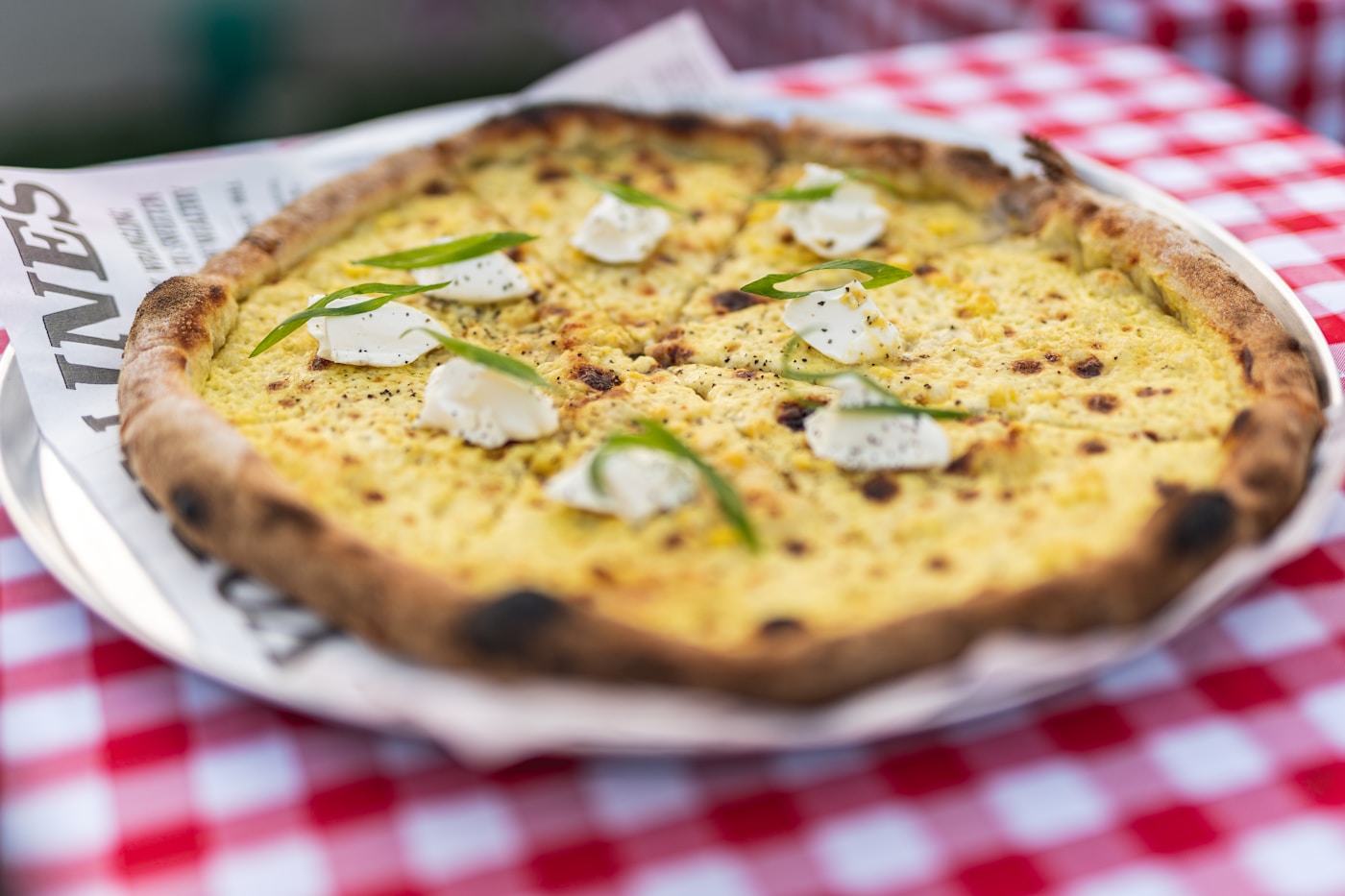
Scroll a pizza menu and most of it looks familiar — pepperoni, mushroom, extra cheese, all sitting on the same red tomato base. Then there’s the white pizza, and suddenly the rules change: no red sauce, no tomatoes, just cheese, garlic, and olive oil doing all the work.
If you’ve ever wondered what actually makes a pizza “white,” or why ricotta specifically shows up on it so often, here’s the full explanation — including a surprising detail about which style is actually older.
It’s a more common question than the name suggests. “White pizza” isn’t a niche order at most pizzerias — it’s a standard menu item, and once you understand what separates it from a regular pie, it’s easy to see why it’s stuck around for so long.
What Makes a Pizza “White”?
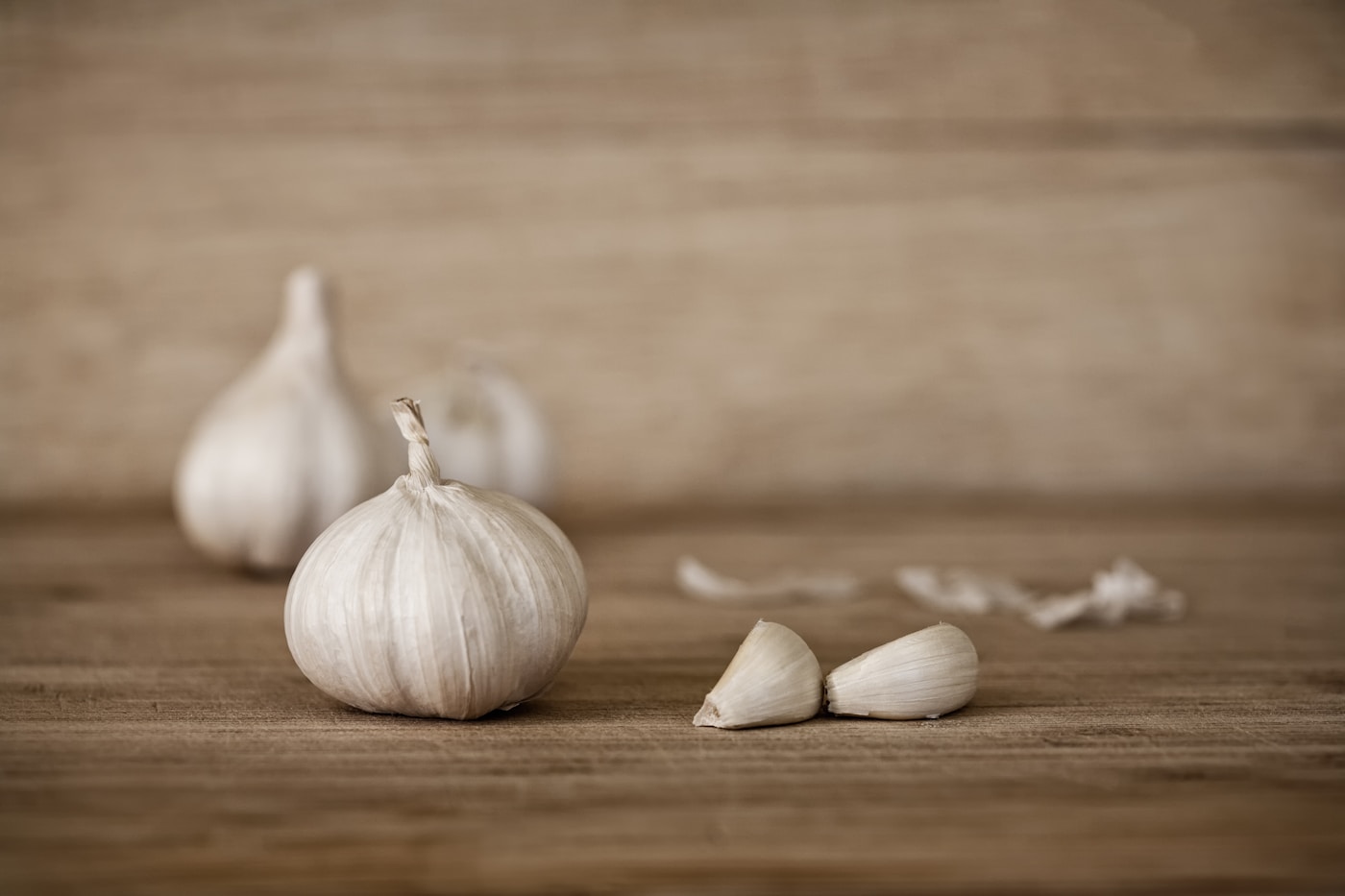
The defining feature of white pizza isn’t a topping — it’s an absence. There’s no tomato sauce anywhere on it. In its place: a base of olive oil and garlic, topped with cheese instead of being layered under it.
That single swap changes everything about how the pizza tastes. Without the acidity and sweetness of tomato sauce, the flavor leans creamier and milder, letting the cheese and garlic carry the whole slice instead of sharing the spotlight with a sauce.
It also changes how the pizza behaves in the oven. Tomato sauce adds moisture that has to cook off as the pie bakes, while a white pizza’s oil-and-garlic base stays drier from the start. The result is often a slightly crisper bite, since there’s less liquid working against the crust.
Where Ricotta Fits In
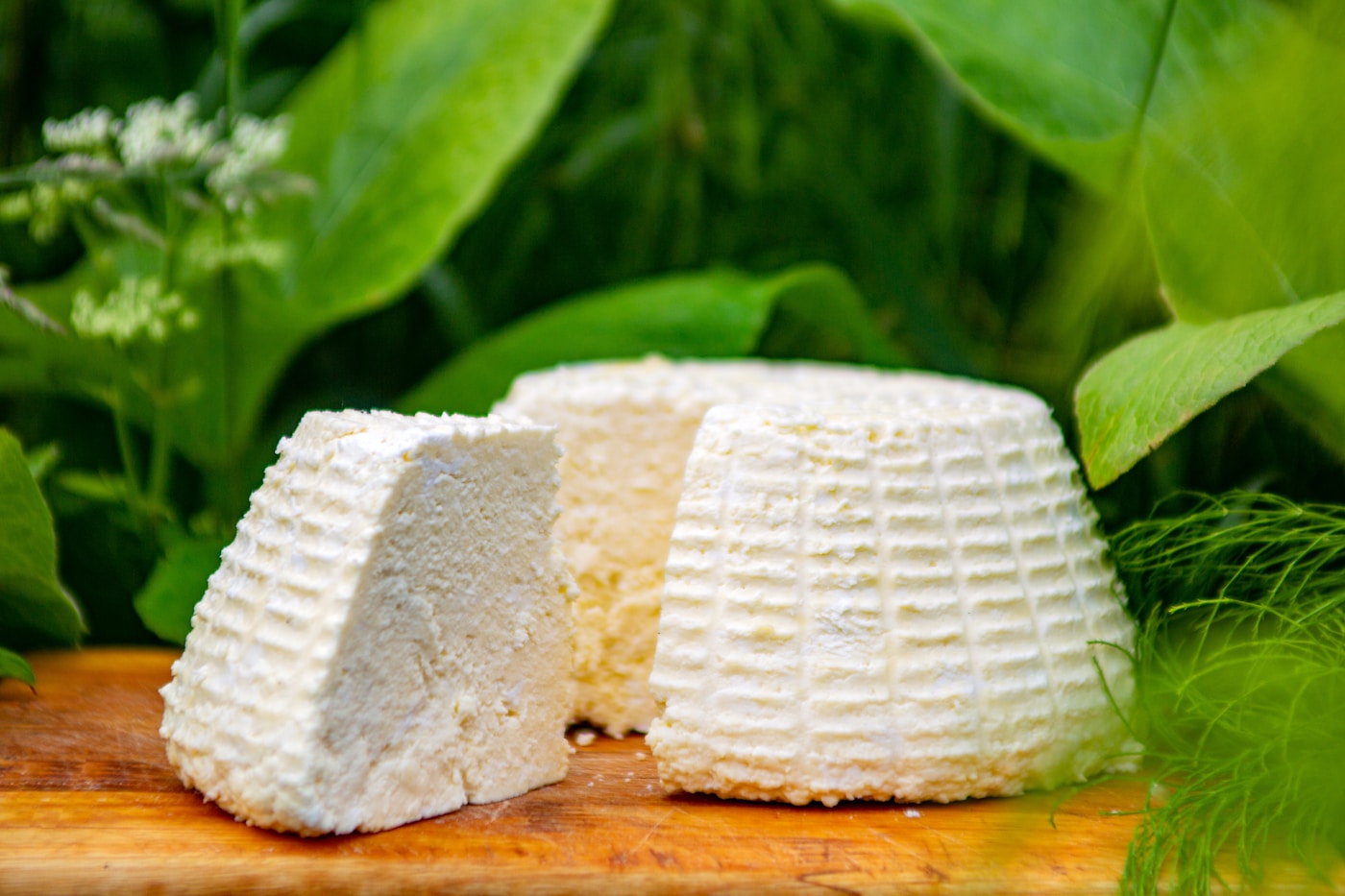
Ricotta is the cheese that usually defines white pizza, and it earns that role honestly. Unlike mozzarella, which is built to melt and stretch, ricotta stays soft and slightly grainy even under heat — which is exactly why it’s typically added in dollops rather than shredded across the whole surface.
That texture contrast matters. A slice with ricotta dollops gives you pockets of rich, creamy cheese next to the melted mozzarella underneath, rather than one uniform cheese pull from edge to edge.
Ricotta itself is a byproduct cheese, traditionally made by heating the leftover whey from other cheesemaking until it separates into soft curds — the name literally means “recooked” in Italian, a reference to that second heating step. That’s part of why it has such a mild, slightly sweet flavor compared to aged cheeses: it’s a fresh product, not something left to develop sharpness over time.
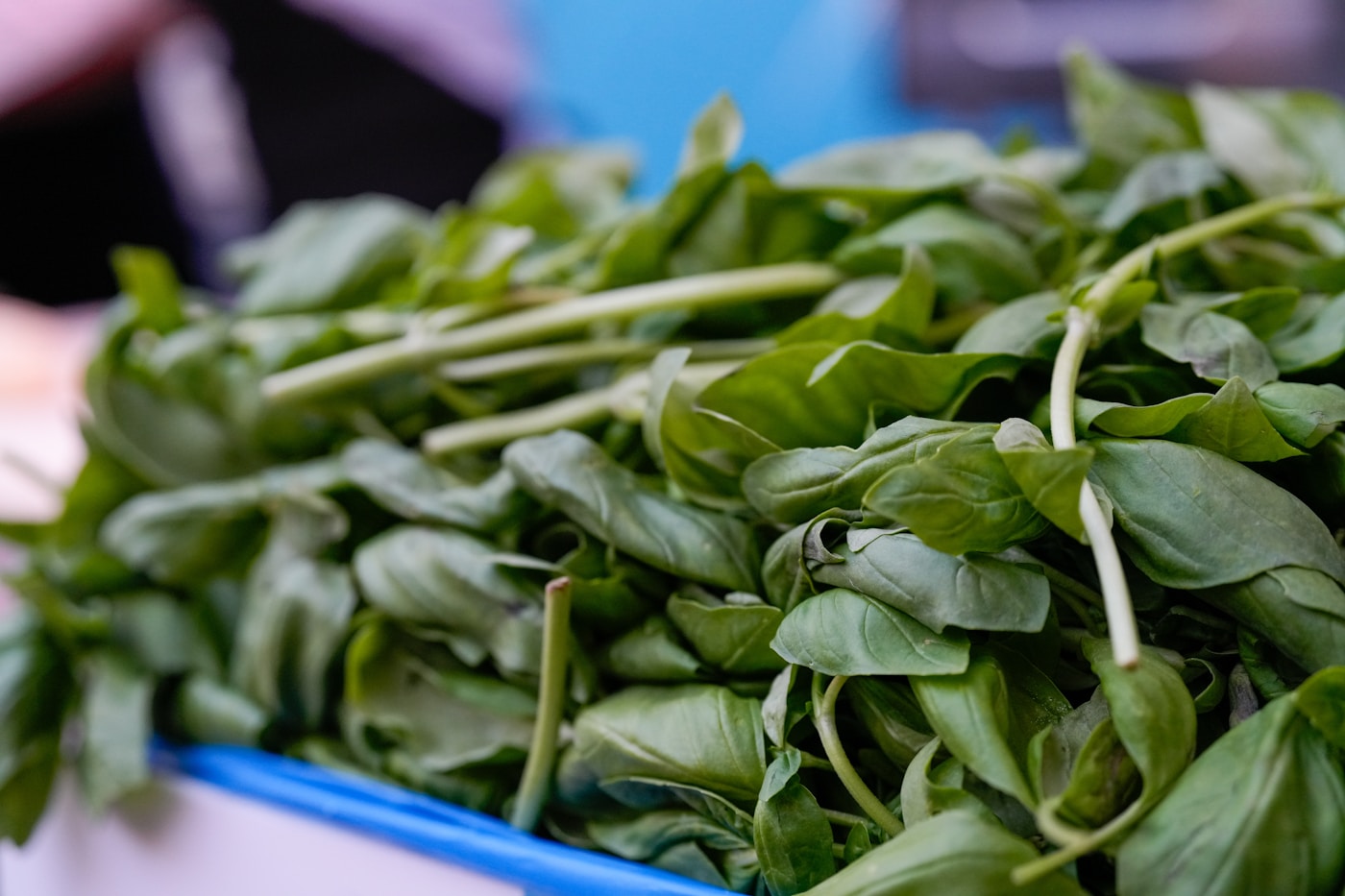
Fresh basil is the most common finishing touch, usually torn or whole rather than chopped fine, added after the pizza comes out of the oven rather than baked in. Cooking basil for the full bake time tends to dull its flavor and darken the leaves, so keeping it raw on top preserves the brighter, more aromatic note it’s meant to add.
A Surprisingly Old Idea: Pizza Bianca’s Roman Roots
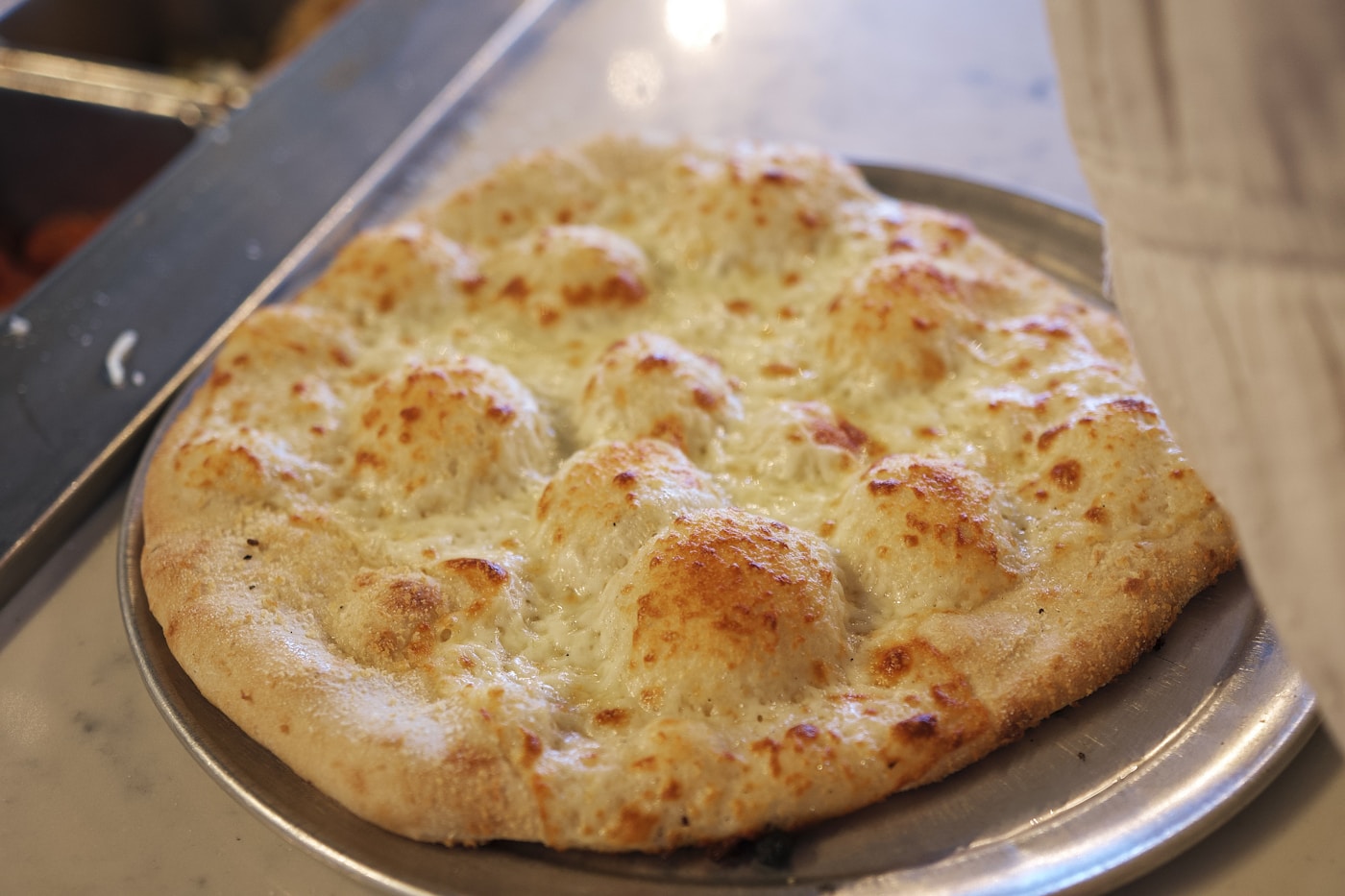
Here’s the detail most people get backwards: white pizza isn’t a modern spin on the “real” tomato version — it’s the older style. Pizza bianca has documented roots in Rome dating back to at least 1666, described even then as a dough base topped with cheese and basil rather than sauce.
Tomatoes didn’t arrive in Europe until the 1500s, brought back from South America, and they weren’t widely trusted as food for a long time afterward — many Europeans initially believed they were poisonous. Tomato-topped pizza as we know it, popularized through dishes like the Margherita, didn’t take its modern form until the late 1800s. White pizza was already an established tradition well before that.
So when someone assumes white pizza is a modern variation invented to be “different,” it’s actually the reverse: the plain, cheese-and-garlic version came first, by a couple of centuries, and the tomato-topped pizza everyone considers the default is the newer arrival on the timeline.
How American Ricotta Pizza Became Its Own Thing
The ricotta-topped white pizza most people picture today — garlic, olive oil, mozzarella, and dollops of ricotta — developed its own identity in the northeastern United States, becoming especially common on New York-style pizzeria menus starting around the 1960s. It’s not the same dish as the Roman original, but it’s a direct descendant of the same basic idea: cheese and garlic standing in for sauce.
Today it’s common enough that most New York-style pizzerias carry some version of it, usually finished with a dusting of Parmesan or Pecorino Romano on top. Sip and Feast’s breakdown of New York white pizza covers the technique in more depth if you’re curious how it’s built from scratch.
It makes sense that the style took hold specifically in the Northeast. That region has one of the country’s deepest concentrations of Italian-American pizzerias, and a lot of Italian-American cooking leans on exactly this kind of adaptation — taking a traditional regional dish and reshaping it around the ingredients and tastes of a new place. Ricotta pizza is a small example of a much bigger pattern in how Italian food changed after crossing the Atlantic.
White vs. Red: Side-by-Side
Neither style is objectively better — they’re built around completely different flavor goals. Red pizza leans on the brightness and acidity of tomato sauce to cut through the richness of melted cheese, which is exactly why it pairs so naturally with bold toppings like pepperoni and sausage.
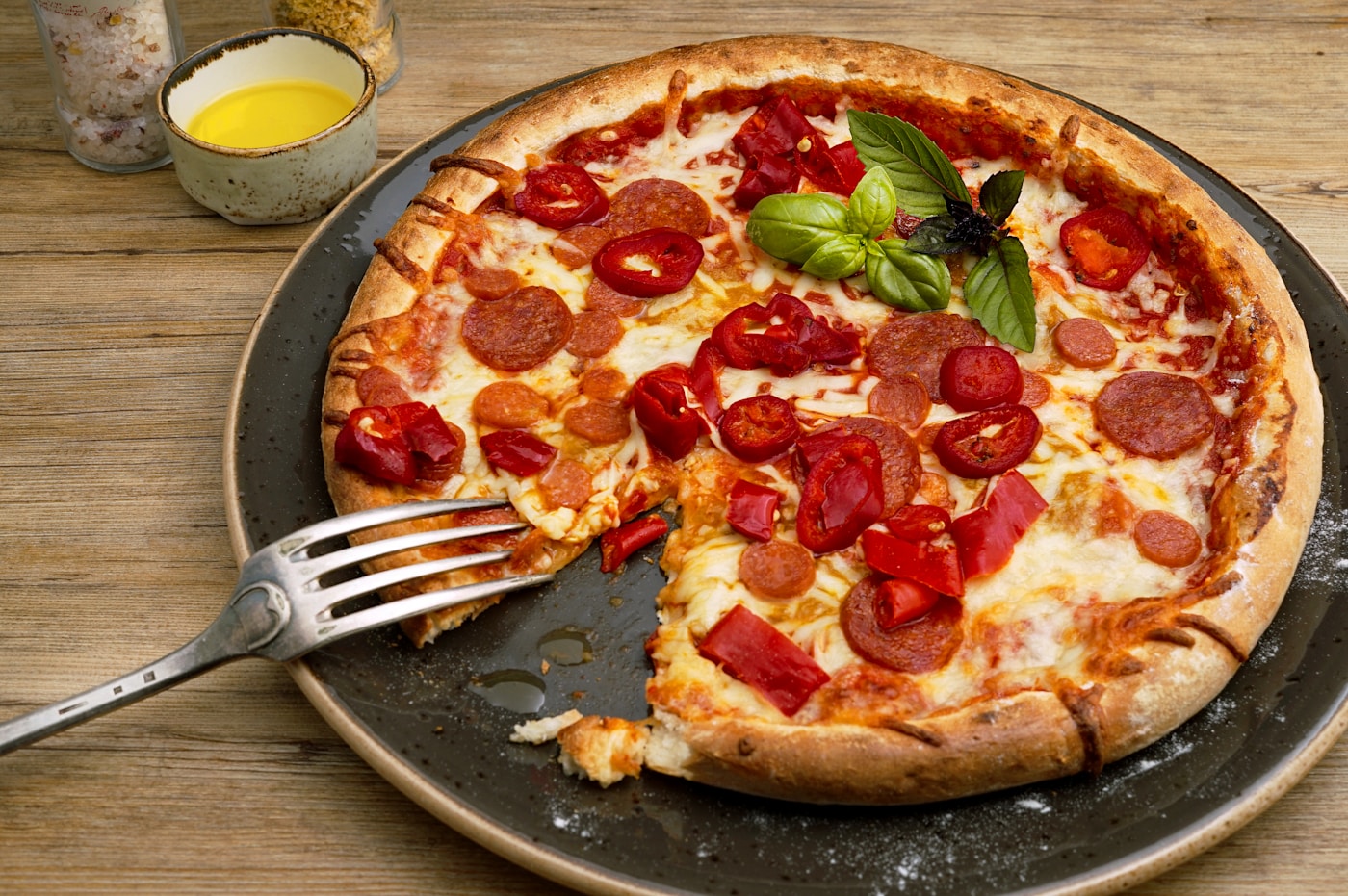
White pizza skips that contrast entirely and leans into richness instead, which is why it tends to work best with lighter, more delicate toppings — or, in the classic version, no additional toppings at all beyond the garlic and cheese.
| White Pizza | Red Pizza | |
|---|---|---|
| Base | Olive oil and garlic | Tomato sauce |
| Signature cheese | Ricotta, often with mozzarella | Mozzarella |
| Flavor | Creamy, mild, garlic-forward | Tangy, savory, acidic |
| Historical origin | Documented in Rome since at least 1666 | Popularized in the late 1800s (Margherita) |
| Best for | Those who want a milder, richer slice | Classic, familiar pizzeria flavor |
Try It Yourself
If this has you curious, our White Ricotta Cheese Pizza follows the classic New York approach: garlic, ricotta, oregano, and mozzarella, no tomato sauce anywhere in sight. If you’re set on the familiar red-sauce version, our Plain Pizza or Meat Lovers Pizza deliver exactly that.
Either way, everything’s made fresh to order and available through our Frankford Ave delivery service. And if cheese terminology is a topic you enjoy digging into, we’ve also covered what “queso” actually means — another word that gets used more loosely than its original definition.
Frequently Asked Questions
- What is white pizza made of?
- A base of olive oil and garlic instead of tomato sauce, topped with cheese — typically ricotta and mozzarella, sometimes finished with Parmesan or Pecorino.
- Is white pizza older than red pizza?
- Yes. Pizza bianca has documented history in Rome dating back to at least 1666, while tomato-topped pizza in its familiar form didn’t develop until the late 1800s.
- Why does ricotta stay in dollops instead of melting flat?
- Ricotta has a soft, moist texture that doesn’t stretch or spread the way mozzarella does, so it’s typically added in spoonfuls rather than shredded across the pie.
- Does white pizza taste like regular pizza?
- Not quite. Without tomato sauce, the flavor is milder and creamier, with garlic and cheese doing more of the work instead of a tangy, acidic sauce.
- Is ricotta pizza the same as pizza bianca?
- They’re related but not identical. Pizza bianca is the traditional Roman style; the ricotta-topped version common in the U.S. developed separately in the Northeast, especially in New York-style pizzerias.
Ready to try white pizza for yourself?