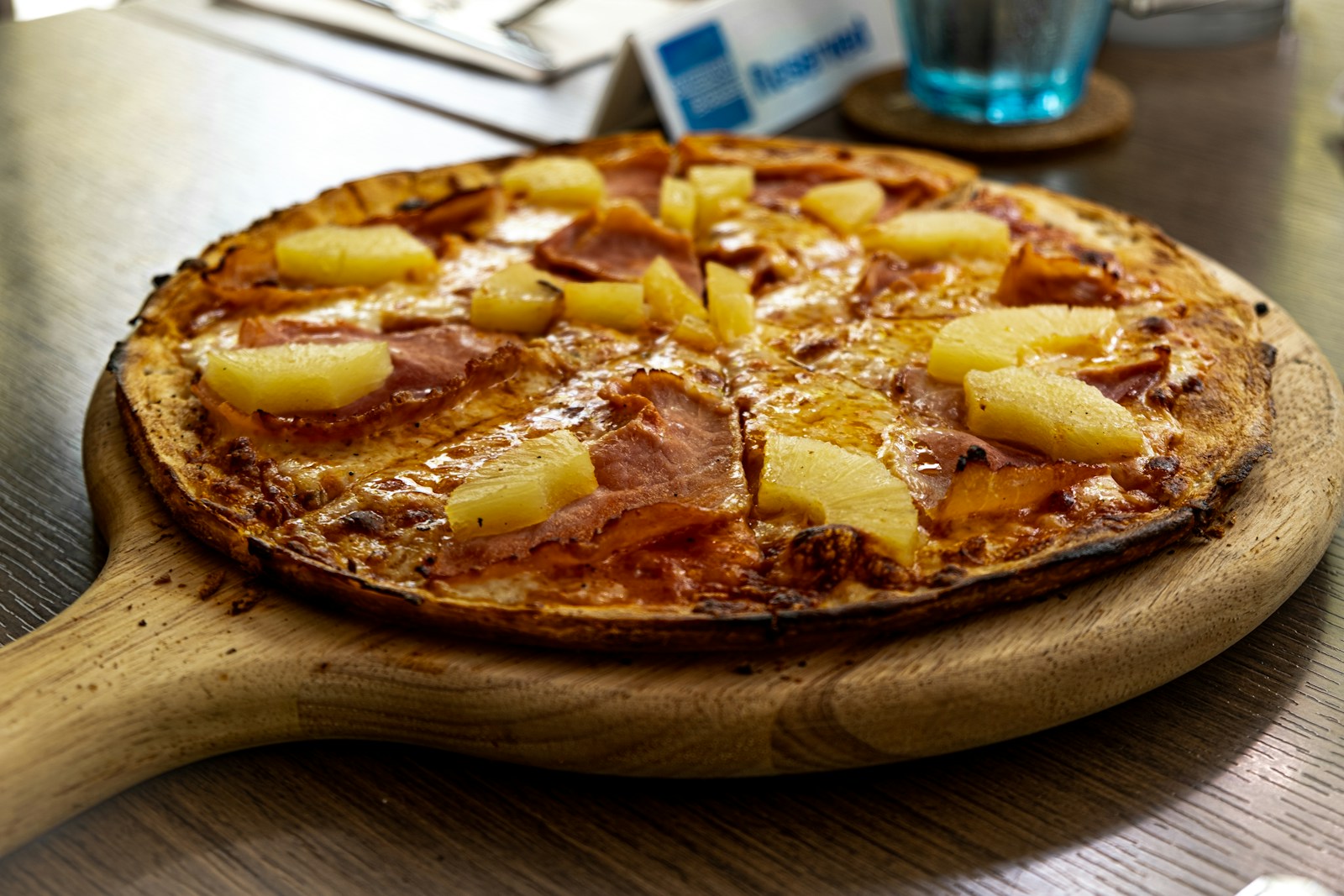
Ham, pineapple, cheese — a combination that starts more arguments at the dinner table than almost any other pizza topping choice. People assume it must have island roots: a tropical dish, dreamed up somewhere warm, named for the place it came from. That assumption is wrong on every count.
Before you take a side in the debate, it’s worth knowing where the thing actually came from, because the real answer surprises most people: Hawaiian pizza has nothing to do with Hawaii. No Hawaiian chef, no island kitchen, no connection to the state at all beyond four letters on a food label.
Fact vs. Myth
| Common Assumption | What’s Actually True |
|---|---|
| Hawaiian pizza was created in Hawaii | It was created in Chatham, Ontario, Canada, in 1962 |
| A Hawaiian chef invented the recipe | It was created by Sam Panopoulos, a Greek-born Canadian restaurateur |
| The name refers to Hawaiian cuisine or culture | The name comes from the brand printed on the can of pineapple used |
| It’s a centuries-old traditional recipe | It’s just over 60 years old, invented within living memory |
It Was Invented in Canada, Not Hawaii
Hawaiian pizza was created in 1962 by Sam Panopoulos, a Greek-born immigrant who ran the Satellite Restaurant in Chatham, Ontario, Canada, alongside his brothers. There was no connection to Hawaiian cuisine, no trip to the islands, and no Hawaiian chef involved. The name came entirely from the can.
Panopoulos was experimenting with toppings, trying to set his pizza apart from what everyone else in town was serving. Part of that instinct came from his experience preparing Canadian-Chinese dishes, a style of cooking built around mixing sweet and sour flavors in the same plate. He brought that same sweet-savory logic to a pizza crust, tossing on ham, then adding canned pineapple.
The pineapple he reached for came from a specific supplier: the Hawaiian Pineapple Company, a real canned-goods brand of the era (later folded into what’s now known as Dole). That brand name printed on the can is the entire origin of the pizza’s name — nothing more symbolic than that.

Why a Canned Pineapple Brand, of All Things
Canned fruit was a kitchen staple in North America through the 1950s and ’60s — fresh pineapple wasn’t nearly as available or affordable as it is now, so canned was the default choice in most restaurant kitchens. Panopoulos reached for what was on the shelf, not what was geographically or culturally tied to Hawaii in any way.
It’s a small detail that changes the whole story: the pizza wasn’t named to honor a place. It was named after whatever was printed on the can that happened to be sitting in a Canadian diner’s pantry that day. If the can had said something else, we’d almost certainly be arguing about a completely different name today, and most people would never think twice about where it came from.
From One Restaurant to a Global Menu Item
What started as one experiment at a small Ontario diner spread far beyond Chatham. Within a couple of decades, ham-and-pineapple pizza had made its way onto menus across Canada, the United States, and eventually much of the world — despite Panopoulos never patenting or trademarking the idea. He simply put it on the menu, customers kept ordering it, and other restaurants started copying it.
Part of how it spread was simple word of mouth between restaurant owners. Pizza in the 1960s and ’70s was still a relatively new, evolving menu item across North America, and independent pizzerias were constantly borrowing and adapting toppings from each other. A combination as distinctive as ham and pineapple stood out enough that other owners started testing it on their own menus, and customers who tried it at one restaurant started asking for it at others.
Just how far it traveled is easy to underestimate. Time Magazine ranked it first on its 2014 list of “The 13 Most Influential Pizzas of All Time.” By 1999, it was reportedly Australia’s single most popular pizza style, accounting for roughly 15% of national pizza sales. In the UK, it was listed as the most commonly available pizza on the Just Eat delivery platform as of 2015. A recipe improvised on a slow night at a small-town diner ended up on menus on four continents.
Panopoulos passed away in 2017, and outlets like CBC News covered his death with the same detail that follows him in most obituaries: the inventor of one of the most polarizing pizza toppings in the world never expected the reaction it would get. He said in interviews that he never imagined a topping combination he improvised on a slow night would still be argued about generations later.
It’s worth noting, too, that Hawaiian pizza’s origin story fits a much bigger pattern in North American food history: some of the most recognizable dishes came from immigrant cooks improvising with whatever ingredients were on hand, not from strict tradition. A Greek immigrant building a Canadian pizzeria menu around a canned pineapple label isn’t so different, in spirit, from a Philadelphia pizza shop putting tacos on the same menu as a plain pie — both come from cooks working across cultures instead of staying inside one lane. If that idea interests you, we’ve written about why we built our own menu the same way.
Why the Pineapple-on-Pizza Debate Even Exists
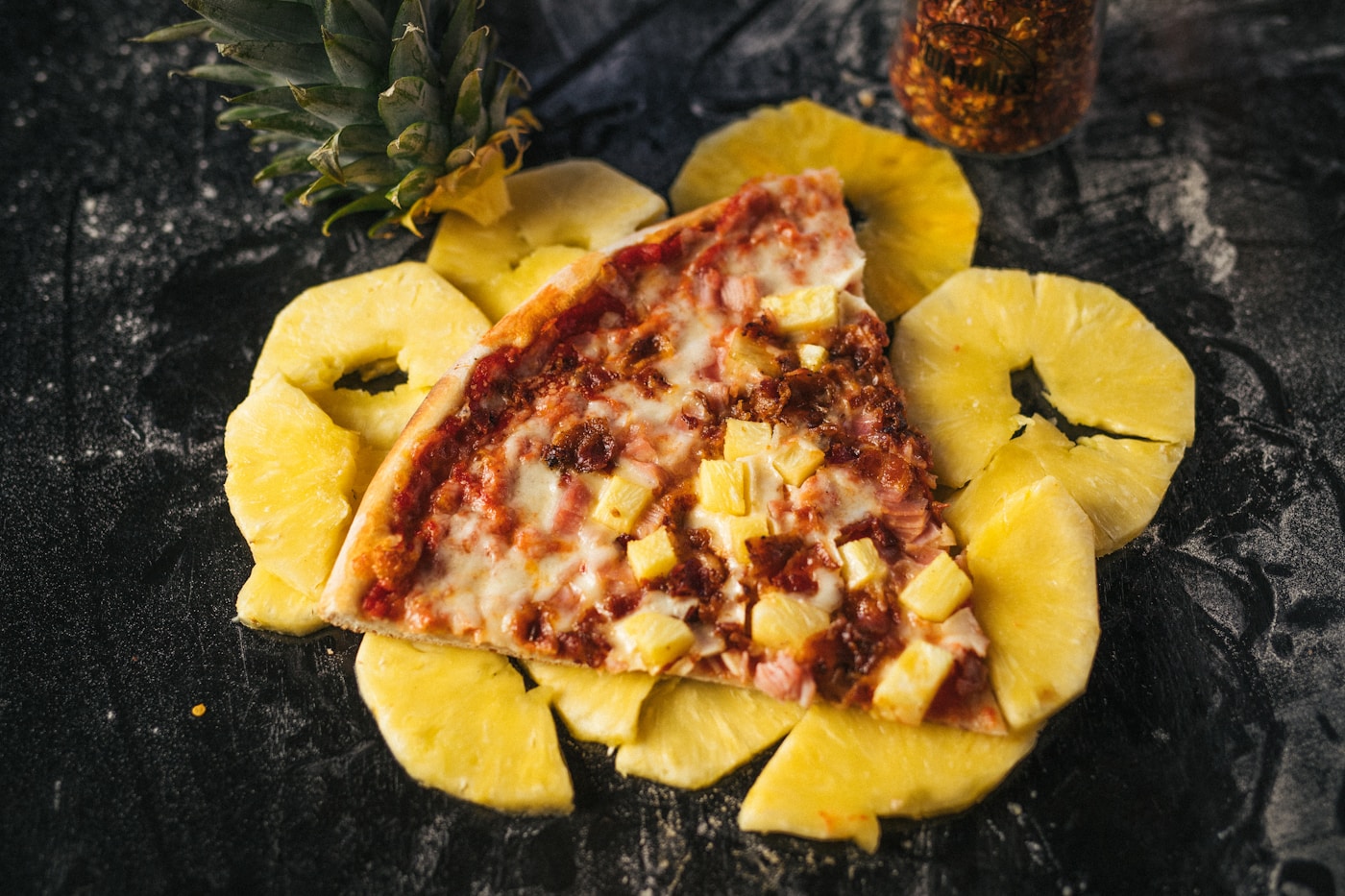
Part of why Hawaiian pizza became such a lightning rod is exactly because it broke a rule most people didn’t realize they had: pizza toppings are supposed to be savory. Pineapple introduces real sweetness and a juicy texture next to melted cheese and salty ham, which either works for you or genuinely doesn’t — there’s not much middle ground.
That same sweet-savory contrast is exactly why it’s stuck around for over 60 years despite the arguments. Love it or not, it’s rarely described as forgettable.
Just How Divisive Is It, Really?
The debate isn’t just internet noise — it shows up in actual survey data. A 2019 YouGov poll found that just 12% of U.S. adults named pineapple their favorite pizza topping, while 24% called it their least favorite — nearly twice as many people rejecting it outright as embracing it.
Even that data has a twist, though: the same research found pineapple wasn’t the most hated topping overall. Anchovies took that spot, disliked by roughly half of respondents. Pineapple is polarizing, in other words, but it’s far from the most universally rejected choice on a pizza menu — it just generates stronger opinions in both directions than most other toppings do.
Try It for Yourself
If you’ve never actually tried it — or haven’t in years — our Hawaiian pizza is made the same way Panopoulos originally built it: real ham, pineapple, and cheese on a fresh-baked crust. If pineapple isn’t your thing, our White Ricotta Cheese Pizza is a good alternative from the same oven, no debate required.
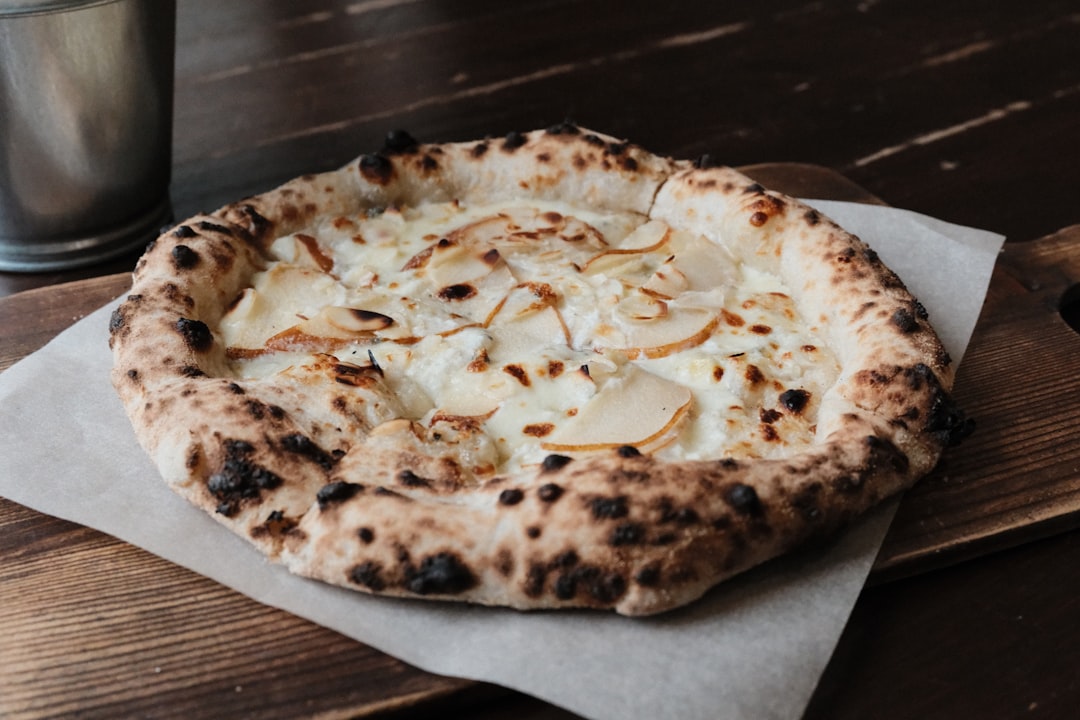
Either way, everything’s made fresh to order and available for delivery around Frankford Ave, so you can settle the argument at your own table instead of just reading about it.
Frequently Asked Questions
- Is Hawaiian pizza actually from Hawaii?
- No. It was invented in Chatham, Ontario, Canada, in 1962. The name comes from the brand of canned pineapple used, not the location.
- Who invented Hawaiian pizza?
- Sam Panopoulos, a Greek-born Canadian restaurateur who ran the Satellite Restaurant with his brothers.
- Why is it called “Hawaiian” if it wasn’t made there?
- The canned pineapple Panopoulos used happened to be a brand called “Hawaiian,” and the name stuck to the pizza itself.
- What’s on a traditional Hawaiian pizza?
- Ham, pineapple, and mozzarella cheese on a tomato-sauce base — the same combination Panopoulos first put together in 1962.
- Why do people either love or hate pineapple on pizza?
- Pineapple adds sweetness and moisture to a topping combination that’s traditionally savory, which creates a strong reaction one way or the other rather than a neutral one.
Ready to settle the debate yourself?