Affiliate Disclosure: As an Amazon Associate, we earn from qualifying purchases. This does not affect the price you pay.
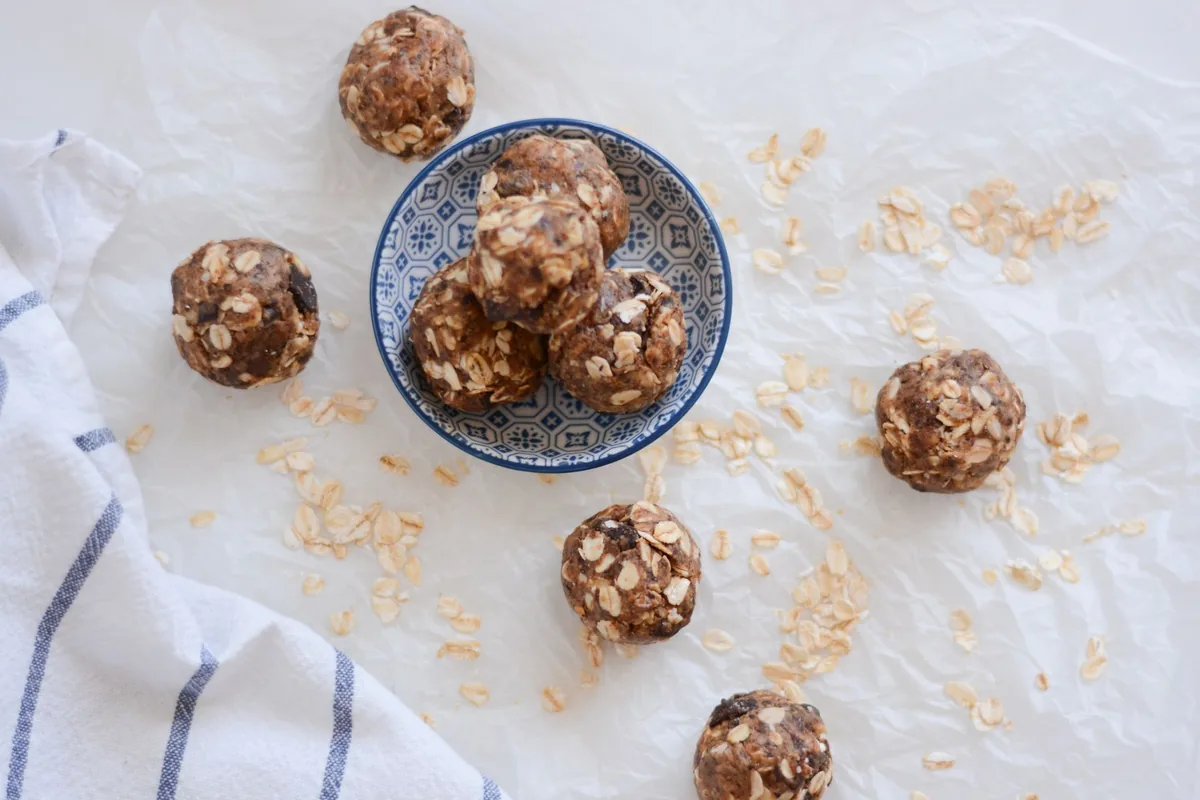
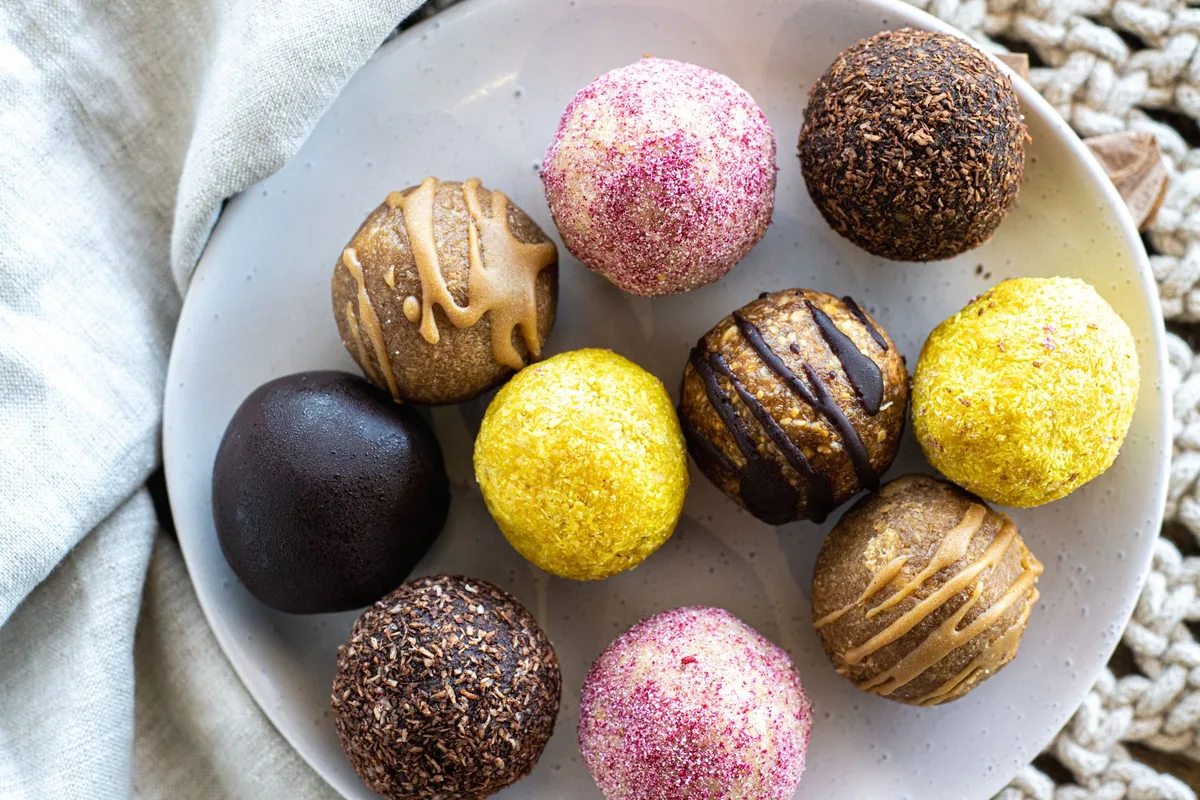
Protein balls look like an easy job for a food processor and are actually one of the hardest. Medjool dates are sticky enough to climb the bowl and seize a weak motor, whole nuts are hard enough to stall one, and the finished mixture should be textured rather than a smooth paste.
That combination means power matters more here than for chopping vegetables, and pulse control matters as much as power. A machine that runs continuously at one speed will take you past coarse and into paste before you notice.
We compared ten food processors on motor power, bowl size against a realistic batch, pulse control, cleaning and how easily they assemble. This guide is for anyone whose processor labours every time they make a batch.
Our Quick Picks
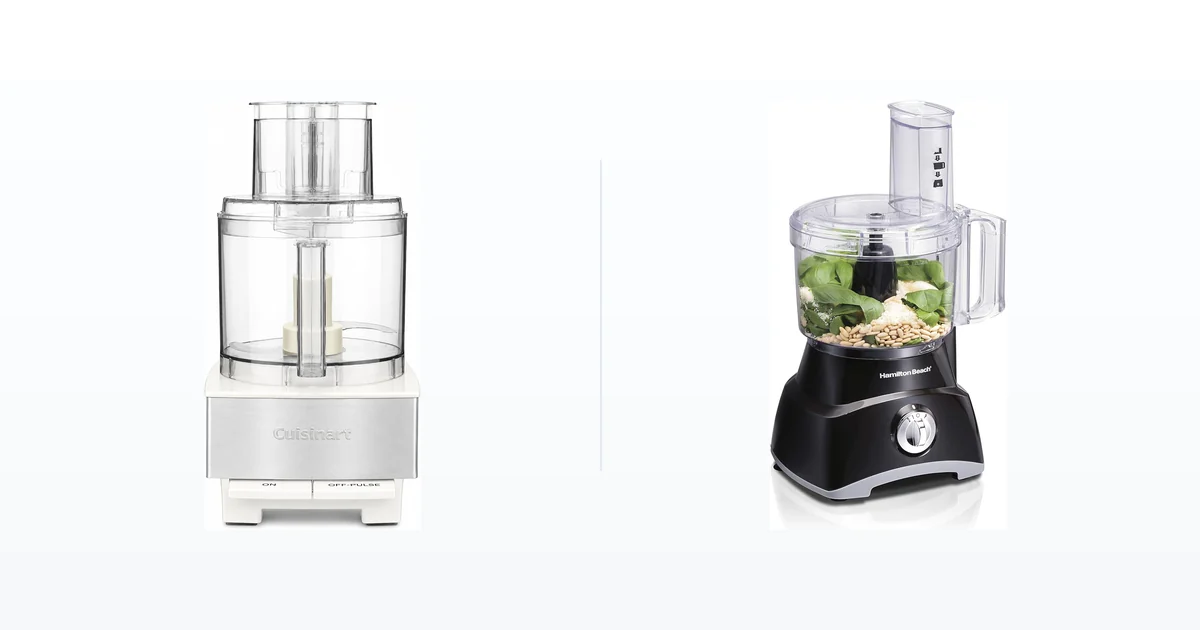
 Best OverallCuisinart 14-Cup DFP-14BCWNY
Seven hundred and twenty watts — the only motor here that shrugs off a full batch of Medjool dates.
 Best Small BatchNinja Express Chop
Sixteen ounces is about one batch of protein balls, in a 2 lb machine that lives on the counter.
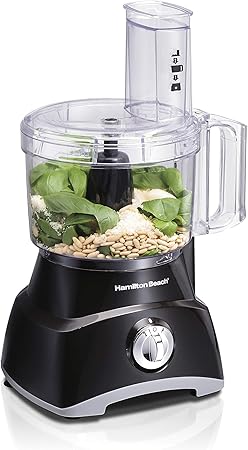 Best ValueHamilton Beach 8-Cup
Eight cups and 450 watts at a fraction of the price, and only 5 lb to lift out.
At a Glance
Food Processors for Protein Balls Compared
Ten machines compared on the power and control that sticky, dense mixtures actually demand.
| # | Model | Capacity | Power | Best For | Notable Part | Key Advantage | Main Drawback | Check Price |
|---|---|---|---|---|---|---|---|---|
| 1 |
 Cuisinart 14-Cup DFP-14BCWNY Cuisinart 14-Cup DFP-14BCWNY |
14 cup | 720 W | Dense date mixtures | Stainless steel | 720 W handles sticky dates | Heaviest at 18 lb | View on Amazon |
| 2 |
 Cuisinart 11-Cup Cuisinart 11-Cup |
11 cup | 625 W | Regular batches | Dishwasher safe | 625 W in a smaller machine | Still 16.9 lb | View on Amazon |
| 3 |
 Ninja Express Chop Ninja Express Chop |
16 oz | 200 W | A dozen balls at a time | One-piece bowl | Right size for one batch | 200 W struggles with whole dates | View on Amazon |
| 4 |
 KitchenAid 13-Cup KFP1317 KitchenAid 13-Cup KFP1317 |
13 cup | 300 W | Big batches, gentle mixing | In-bowl storage | Thirteen cups with blade storage | 300 W is low for dates | View on Amazon |
| 5 |
 Hamilton Beach 8-Cup Hamilton Beach 8-Cup |
8 cup | 450 W | Everyday batches | Stainless S-blade | 450 W at a low price | Not for unsoaked dates | View on Amazon |
| 6 |
 BLACK+DECKER 8-Cup BLACK+DECKER 8-Cup |
8 cup | 450 W | Quick setup and cleanup | Lid locks the bowl | No twisting to assemble | 450 W limits dense mixes | View on Amazon |
| 7 |
 BLACK+DECKER Processor & Chopper BLACK+DECKER Processor & Chopper |
8 cup | 450 W | Making the binder yourself | Stainless blade | Listed specifically for nut butter | Long runs heat the motor | View on Amazon |
| 8 |
 Ninja Foodi Power Blender & Processor Ninja Foodi Power Blender & Processor |
Processing bowl | 1200 W | Blending and processing | Select-cut discs | 1200 W with smartTORQUE | Two sets of parts | View on Amazon |
| 9 |
 Reemix 1.5-Cup Mini Reemix 1.5-Cup Mini |
1.5 cup | 100 W | Half batches and add-ins | Compact | Small enough to leave out | 100 W is very limited | View on Amazon |
| 10 |
 Sangcon 5-in-1 Combo Sangcon 5-in-1 Combo |
2.5 cup bowl | 350 W | Balls and shakes cheaply | Four containers | Chopper bowl plus blender cups | 350 W is modest | View on Amazon |
Power ratings are as listed by each manufacturer. Amazon lists the Ninja Foodi’s capacity as a weight rather than a bowl volume. Only one KitchenAid processor verified as available at the time of writing.
Scroll the table sideways to see every column
How We Chose These Food Processors
We researched current listings, compared manufacturer specifications and documentation, and examined recurring patterns in customer feedback. We did not carry out hands-on testing, and nothing below is presented as measured performance data.
- Motor power — whether it handles dates and whole nuts without labouring
- Bowl size against batch size — keeping a small mixture around the blade
- Pulse control — stopping short of a smooth paste
- Bowl shape — how much mixture climbs the sides instead of processing
- Cleaning — date paste is among the stickiest residues in a kitchen
- Assembly friction — how often you will do it if you make batches weekly
- Nut butter capability — whether it can make the binder as well as the mixture
- Weight — whether it is light enough to be taken out weekly
- Add-in chopping — whether a smaller machine would serve better
- Availability — whether the model can actually be bought
The 10 Best Food Processors for Protein Balls
1. Cuisinart 14-Cup DFP-14BCWNY — Best Overall

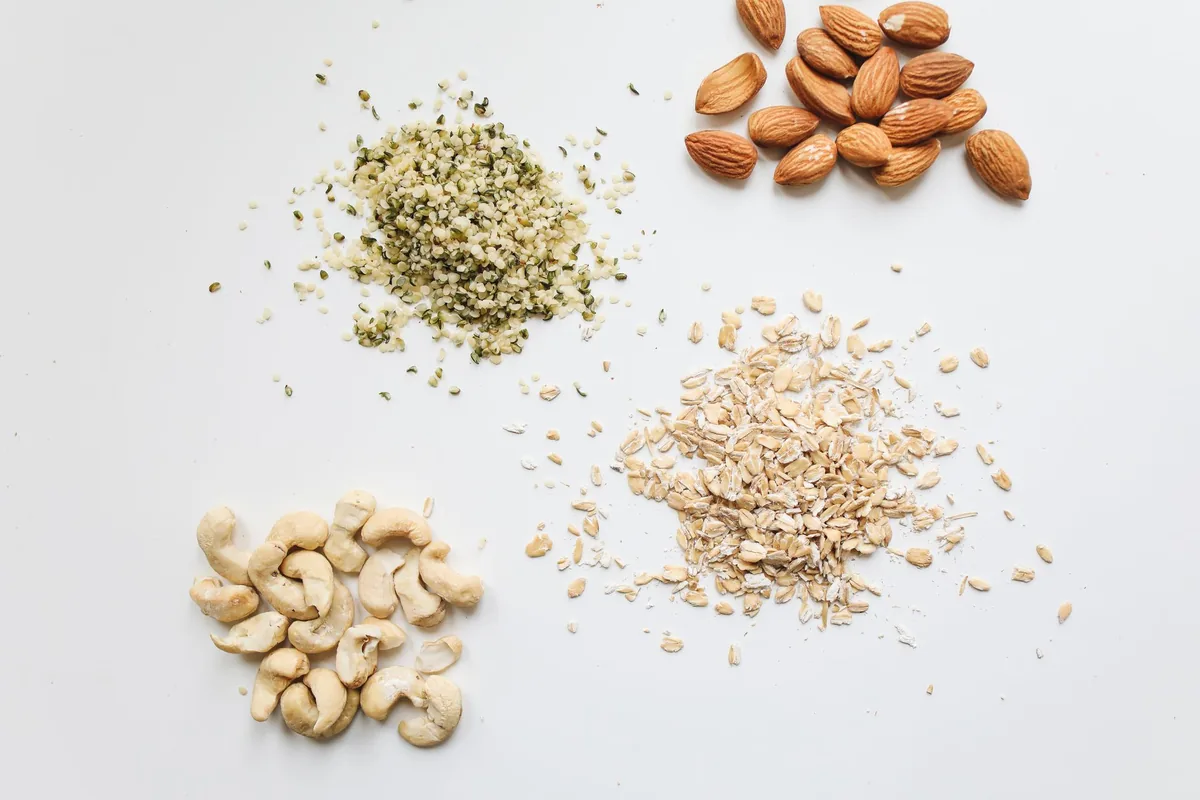
Protein balls are the hardest thing most home cooks ask a food processor to do. Medjool dates are sticky enough to seize a weak motor, and whole nuts are hard enough to stall one.
Key Specifications
| Capacity | 14 cups |
|---|---|
| Power | 720 W |
| Controls | On and Off/Pulse |
| Material | Stainless steel |
| Feed tube | Extra large |
| Weight | 18 lb |
| Best For | Large batches built on dates and whole nuts |
Why We Recommend It
At 720 W this has more than double the power of the KitchenAid and around 60% more than the 450 W mid-range machines. That is the difference between processing a batch and listening to a motor labour.
The pulse control matters as much as the power. Protein balls want a coarse, textured mixture, not a paste, and pulsing gives you that control where continuous running does not.
Pros
- 720 W, the most powerful motor here
- Handles sticky dates without labouring
- Pulse control for a textured rather than pasty mix
- Fourteen cups for large batches
Cons
- Heaviest unit here at 18 lb
- Large permanent counter footprint
- Oversized for a single small batch
Best for: Anyone making protein balls in quantity from whole dates and nuts.
2. Cuisinart 11-Cup — Best Mid-Size

Eleven cups is a more realistic size for protein balls than fourteen, since a typical batch of twenty balls uses maybe four cups of ingredients.
Key Specifications
| Capacity | 11 cups |
|---|---|
| Power | 625 W |
| Cleaning | Dishwasher-safe parts |
| Material | Plastic housing |
| Weight | 16.9 lb |
| Best For | Regular protein ball batches without the largest machine |
Why We Recommend It
At 625 W it is comfortably ahead of the 450 W machines and close enough to the 14-cup model that dates and nuts present no problem.
Dishwasher-safe parts matter more than usual here. Date paste is among the stickiest residues a processor produces, and hand-washing a bowl and blade covered in it is genuinely unpleasant.
Pros
- 625 W handles dates and nuts without stalling
- Eleven cups suits realistic batch sizes
- Dishwasher-safe parts for sticky residue
- Smaller footprint than the 14-cup
Cons
- Still heavy at 16.9 lb
- Plastic housing rather than metal
- More capacity than a small batch needs
Best for: Households making protein balls regularly rather than occasionally.
3. Ninja Express Chop — Best Small Batch

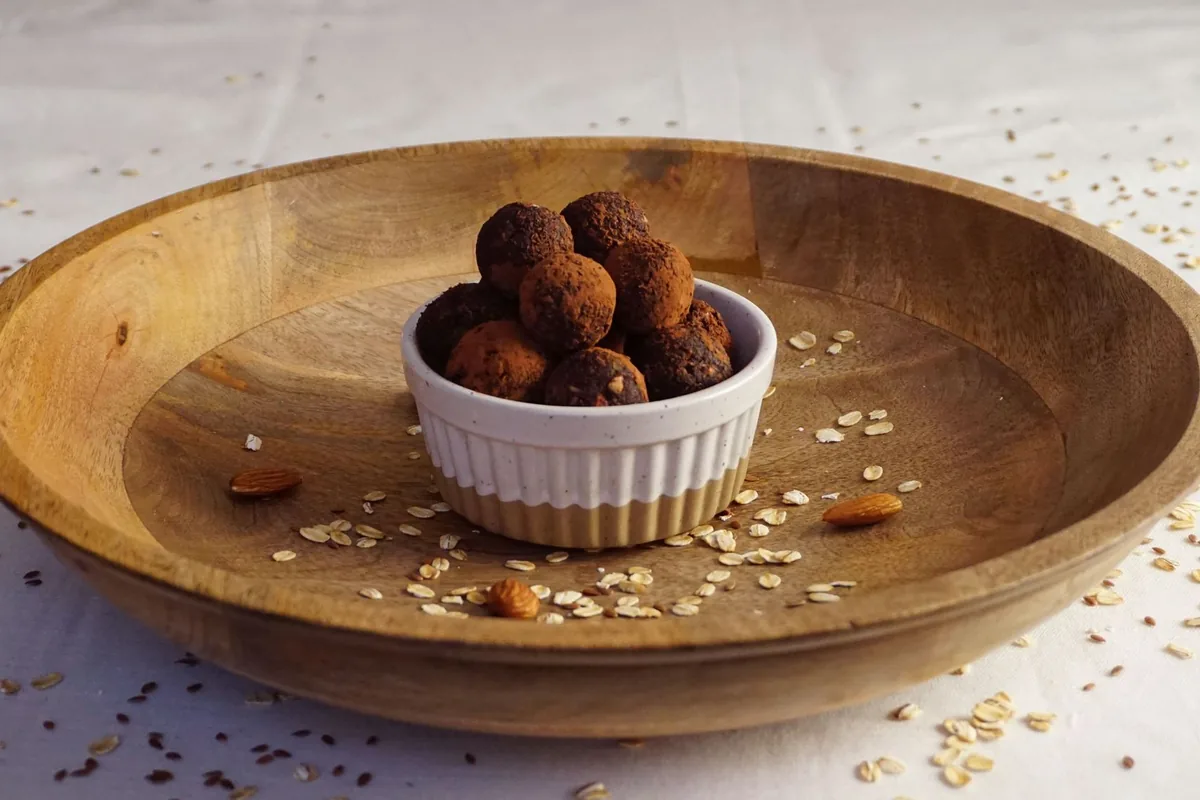
A batch of twelve to fifteen protein balls is a small quantity, and putting it in a 14-cup bowl means the mixture spreads thin and the blade barely touches it.
Key Specifications
| Bowl | 16 ounces |
|---|---|
| Power | 200 W |
| Functions | Mince, chop, grind and blend |
| Material | Plastic |
| Weight | 2 lb |
| Best For | One batch of protein balls at a time |
Why We Recommend It
Sixteen ounces keeps the ingredients around the blade where they belong, and at 2 lb the machine stays on the counter and actually gets used weekly.
Be realistic about the power. Two hundred watts will handle soaked dates, oats and seeds, but whole hard Medjool dates and raw almonds will make it work hard. Soak the dates first and it copes well.
Pros
- Right size for a single batch
- Only 2 lb, so it stays accessible
- Simple one-piece bowl to wash
- Very inexpensive
Cons
- 200 W struggles with unsoaked dates and whole nuts
- No pulse control beyond on and off
- Sixteen ounces caps the batch size
Best for: Weekly single batches, with dates soaked first.
4. KitchenAid 13-Cup KFP1317 — Best Large Bowl
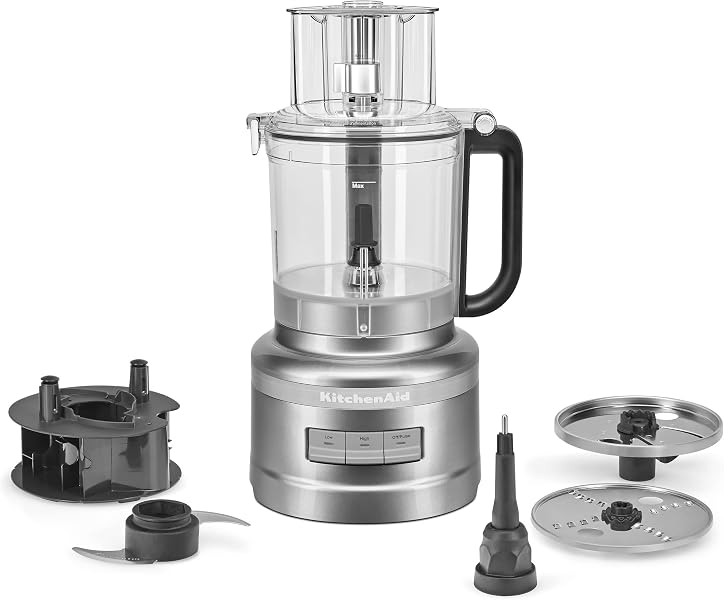
The in-bowl storage caddy is genuinely useful for a machine you use weekly — blades and discs stay inside the bowl rather than loose in a drawer.
Key Specifications
| Capacity | 13 cups |
|---|---|
| Power | 300 W |
| Model | KFP1317 |
| Storage | All-in-one in-bowl caddy for blades and discs |
| Slicing | Externally adjustable ExactSlice disc |
| Weight | 12.1 lb |
| Best For | Large batches of softer mixtures |
Why We Recommend It
Thirteen cups handles a large batch comfortably, and the wide bowl means the mixture climbs the sides less than in a narrow one.
The caveat is power. At 300 W this is less than half the Cuisinart 14-cup’s rating, and protein balls built on unsoaked dates and whole nuts are exactly the load that exposes that. Soak dates and chop nuts first.
Pros
- Thirteen cups for large batches
- Blades and discs store inside the bowl
- Adjustable slicing disc for other tasks
- Lighter than the Cuisinart large models
Cons
- 300 W is low for dense date mixtures
- Needs dates soaked and nuts pre-chopped
- Most of KitchenAid’s range did not verify as available
Best for: Large batches of softer mixtures where prep work is done first.
5. Hamilton Beach 8-Cup — Best Value

Eight cups is a sensible protein ball size — big enough for a double batch, small enough that the mixture stays around the blade.
Key Specifications
| Capacity | 8 cups |
|---|---|
| Power | 450 W |
| Blade | Stainless steel S-blade |
| Feed chute | Large |
| Weight | 5 lb |
| Best For | Regular batches on a budget |
Why We Recommend It
At 5 lb it is light enough that it comes out of the cupboard on a Sunday afternoon, which matters more for a weekly habit than raw specification.
Four hundred and fifty watts handles oats, seeds and soaked dates comfortably. Unsoaked Medjool dates and whole almonds will make it labour, so do a little prep first.
Pros
- 450 W handles oats, seeds and soaked dates
- Only 5 lb, so it actually gets used
- Eight cups suits a double batch
- Very inexpensive for a full-size machine
Cons
- Not powerful enough for unsoaked dates
- Plastic construction
- Fewer accessories than premium machines
Best for: Weekly protein ball makers who do not want to spend much.
6. BLACK+DECKER 8-Cup — Best Easy Assembly
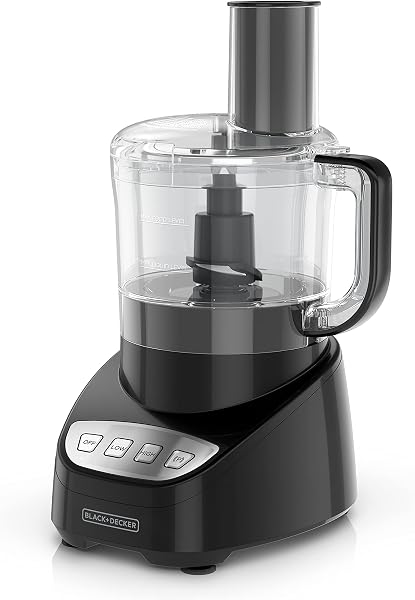
If you make protein balls every week, the assembly and washing-up happen fifty times a year. Anything that reduces that friction genuinely changes whether the habit sticks.
Key Specifications
| Capacity | 8 cups |
|---|---|
| Power | 450 W |
| Blade | Stainless steel S-blade |
| Assembly | Bowl sets on base, lid locks it |
| Material | Metal and plastic |
| Best For | Frequent use where assembly friction matters |
Why We Recommend It
BLACK+DECKER’s design drops the bowl onto the base and uses the lid as the lock, removing the alignment-and-twist step that most processors require.
Four hundred and fifty watts is the same as the Hamilton Beach: fine for oats, seeds and soaked dates, not for hard whole ingredients.
Pros
- No twisting to align the bowl
- Lid doubles as the locking mechanism
- Eight cups for a double batch
- Stainless S-blade
Cons
- 450 W is not enough for unsoaked dates
- Fewer accessories than premium models
- Amazon does not list a weight
Best for: Weekly makers who want the least friction between fridge and finished batch.
7. BLACK+DECKER Processor & Chopper — Best for Nut Butter

Most protein ball recipes are held together by nut butter, and making your own is both cheaper and lets you control what goes in.
Key Specifications
| Capacity | 8 cups |
|---|---|
| Power | 450 W |
| Blade | Stainless steel |
| Stated uses | Salsas, nut butter, hummus |
| Assembly | Bowl sets on base, lid locks it |
| Best For | Making your own nut butter as the binder |
Why We Recommend It
BLACK+DECKER lists nut butter explicitly among this machine’s uses, which is an honest signal — it is the one everyday job that genuinely tests a home processor.
Nut butter needs several minutes of continuous running. At 450 W expect to work in stages and let the motor rest, rather than running it flat out until smooth.
Pros
- Listed by the maker for nut butter specifically
- Simple drop-on assembly
- Eight cups for batch work
- Stainless blade
Cons
- 450 W means working in stages for nut butter
- Long continuous runs heat the motor
- Plastic housing
Best for: Anyone making their own nut butter to bind the mixture.
8. Ninja Foodi Power Blender & Processor — Best Combo

If you are making protein balls you are probably making shakes too, and this covers both from one motor base rather than two appliances.
Key Specifications
| Bowl | Processing bowl with feed chute |
|---|---|
| Power | 1200 W |
| Motor | Stated 1600 peak watts with smartTORQUE |
| Functions | 7 |
| Processing | Enhanced processing lid with select-cut discs |
| Weight | 12.1 lb |
| Best For | Protein balls and protein shakes from one machine |
Why We Recommend It
Ninja states a 1600 peak watt motor with smartTORQUE designed specifically not to stall, which is the failure mode that dense date mixtures cause.
The trade is storage: you still own a blender jug and a processing bowl with discs, they simply share a base.
Pros
- 1200 W with a stall-resistant motor
- Handles dense mixtures without labouring
- Also makes protein shakes
- One base replaces two appliances
Cons
- Two sets of parts still need storing
- Amazon lists capacity as a weight, not a volume
- More complex to assemble than a simple chopper
Best for: People making both protein balls and protein shakes.
9. Reemix 1.5-Cup Mini — Best Mini

Not every part of a protein ball needs a big machine. Chopping nuts, chocolate or dried fruit to fold in afterwards is a small job, and a small machine does it better.
Key Specifications
| Capacity | 1.5 cups |
|---|---|
| Power | 100 W |
| Material | ABS plastic |
| Functions | Shredding, dicing, grinding and mixing |
| Weight | 0.8 kg |
| Best For | Chopping add-ins rather than making the whole mixture |
Why We Recommend It
At 1.5 cups and 100 W this is emphatically not the machine for processing dates into a paste. Used for what it is — an add-in chopper — it is genuinely useful.
Small enough to live on the counter permanently, which means it gets used for the thirty-second jobs a large processor never would.
Pros
- Perfect for chopping add-ins
- Small enough to leave on the counter
- Light at 0.8 kg
- Very cheap
Cons
- 100 W cannot process dates or make the base mixture
- 1.5 cups is a single-portion capacity
- Blades only, no discs
Best for: Chopping nuts and dried fruit to fold into a mixture by hand.
10. Sangcon 5-in-1 Combo — Best Multi-Purpose

The 2.5-cup chopper bowl is about right for a single batch of protein balls, and the blender cups handle the shakes, all from one base.
Key Specifications
| Chopper bowl | 2.5 cups |
|---|---|
| Pitcher | 47 oz, stated BPA-free |
| Cups | 18 oz and 11 oz |
| Power | 350 W |
| Material | ABS plastic and stainless steel |
| Weight | 5.5 lb |
| Best For | Protein balls and shakes on a small budget |
Why We Recommend It
Sangcon lists it for minced meat, sauces and salsa as well, so it covers general prep rather than only protein-focused cooking.
At 350 W it sits between the mini choppers and the full-size machines. Soak dates and it copes; expect it to labour on anything harder.
Pros
- Chopper bowl sized for a single batch
- Blender cups for shakes included
- Four containers from one base
- Very inexpensive
Cons
- 350 W needs dates soaked first
- Four containers means a lot to store
- Not suited to large batches
Best for: Budget kitchens covering both protein balls and shakes.
Cuisinart 14-Cup vs Ninja Express Chop
Maximum power against the right size for the job. Both are defensible for protein balls.
| Feature | Cuisinart 14-Cup | Ninja Express Chop |
|---|---|---|
| Power | 720 W | 200 W |
| Capacity | 14 cups | 16 ounces |
| Unsoaked dates | Handles them | Struggles |
| Batch size | Several batches at once | One batch |
| Weight | 18 lb | 2 lb |
| Prep needed | None | Soak dates first |
| Main advantage | Nothing stalls it | Right size, and it stays on the counter |
| Main drawback | A small batch spreads thin in a big bowl | Needs prep work to cope |
Choose the Cuisinart if: you batch cook, use unsoaked dates and whole nuts, and want the machine to do the work.
Choose the Ninja if: you make one batch a week and would rather soak the dates than store an 18 lb machine.
Full-Size Processor or a Combo Machine?
Most people making protein balls are also making shakes, which changes the calculation.
| Feature | Cuisinart 11-Cup | Ninja Foodi Power Blender |
|---|---|---|
| Power | 625 W | 1200 W, stated 1600 peak |
| Protein balls | Yes | Yes |
| Protein shakes | No | Yes |
| Parts to store | One bowl and blade | Jug, bowl and discs |
| Stall resistance | Good | Stated smartTORQUE, designed not to stall |
| Main advantage | Simpler, fewer parts | Covers both jobs from one base |
| Main drawback | Does not blend | More components to house |
Choose the dedicated processor if: you already own a blender and want fewer parts in the cupboard.
Choose the combo if: you would otherwise buy both, and counter space is the binding constraint.
Best Alternatives
| Alternative | Why Consider It | Better For | Main Trade-Off |
|---|---|---|---|
| KitchenAid 13-Cup | Blades store inside the bowl | Large softer batches | 300 W is low for dates |
| BLACK+DECKER 8-Cup | Drop-on assembly | Weekly makers | 450 W limits dense mixes |
| BLACK+DECKER Processor & Chopper | Listed for nut butter | Making your own binder | Long runs heat the motor |
| Reemix 1.5-Cup | Chops add-ins in seconds | Nuts and chocolate to fold in | Cannot make the base mixture |
| Sangcon 5-in-1 | Chopper bowl plus blender cups | Balls and shakes cheaply | 350 W needs soaked dates |
How Much Machine Do Protein Balls Actually Need?
Mini choppers at 100 to 200 W handle chopped add-ins and, at a push, a small batch of soaked dates and oats. They are cheap, live on the counter and get used weekly, which counts for a lot.
Mid-range processors at 450 W with 8-cup bowls cover most protein ball making comfortably, provided you soak the dates. This is where most people should buy.
High-power processors at 625 to 720 W are the ones that handle unsoaked Medjool dates and whole almonds without complaint. If you batch cook or hate prep work, this is what you are paying for.
How to Choose a Food Processor for Protein Balls
Power Is About Dates, Not Volume
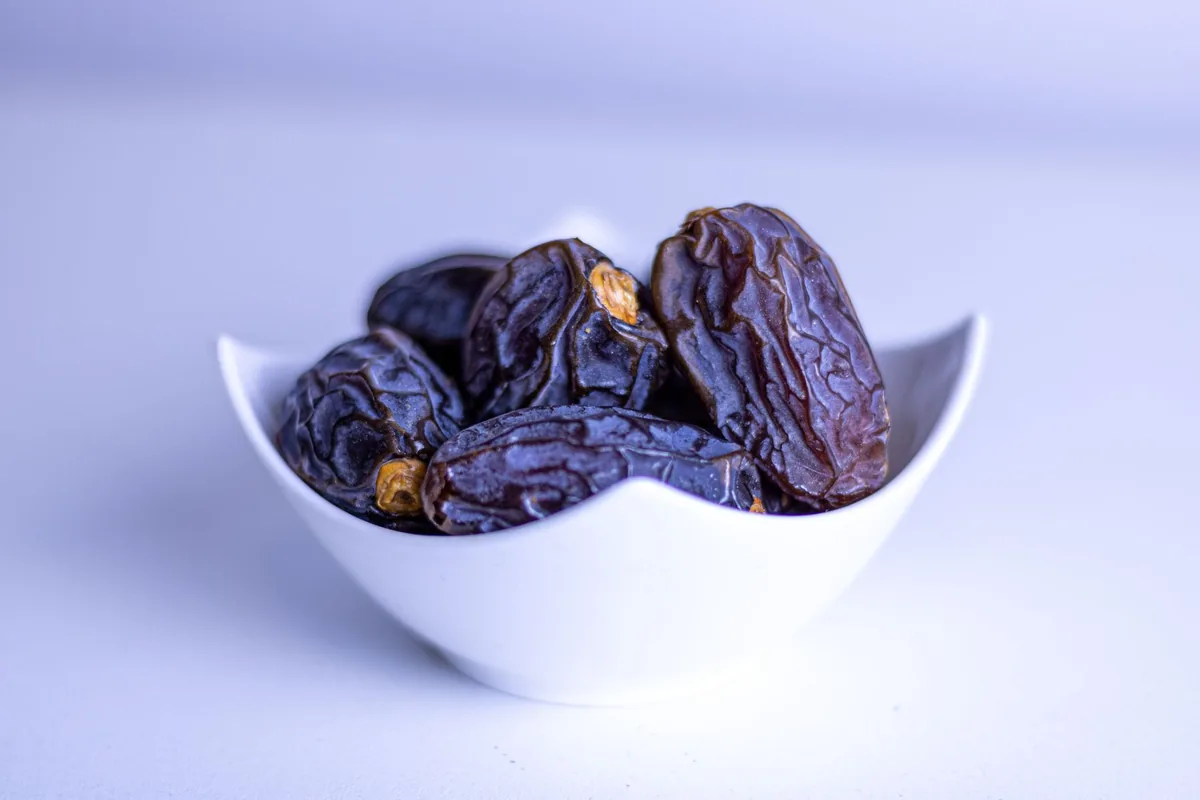
The load that stalls a food processor is not a full bowl, it is sticky density. Medjool dates form a solid mass that climbs the blade and resists it. Under 450 W you will need to soak them first; at 625 to 720 W you can use them straight from the packet.
Soaking Dates Changes Which Machine You Need
Ten minutes in hot water softens dates enough that a 200 W chopper will handle them. If you are willing to do that step, you can buy a far smaller and cheaper machine. If you are not, buy power.
Pulse, Do Not Run
Protein balls want texture. Running a processor continuously takes the mixture past coarse and into an oily paste, especially with nuts. Pulse in short bursts and check between them — a machine with a proper pulse button gives you that control.
Match the Bowl to a Real Batch
A batch of fifteen protein balls is roughly three to four cups of ingredients. In a 14-cup bowl that spreads into a thin layer the blade barely reaches. Either buy a smaller bowl, or make double batches in the large one.
Scrape Down, Repeatedly
Sticky mixtures climb the sides of the bowl and stay there. Expect to stop and scrape two or three times per batch whatever machine you own. A wider bowl makes this easier than a tall narrow one.
Think About Cleaning Before You Buy
Date paste is among the worst residues in home cooking, and it sets hard. Check that the bowl, lid and blade are dishwasher safe, and rinse immediately rather than leaving the bowl on the side.
Consider Whether You Will Make the Binder Too
If you want to make your own nut butter rather than buying it, that needs several minutes of continuous running and is far more demanding than the balls themselves. Only the higher-powered machines here handle it without stages and rests.
A Second Small Machine May Beat a Bigger One
Chopping nuts or chocolate to fold in afterwards is a thirty-second job. A 1.5-cup chopper on the counter does it instantly, while a large processor means assembly and washing-up for the same task.
Common Protein Ball Processing Mistakes
- Using unsoaked dates in an underpowered machine. It is the most common cause of a stalled motor.
- Running continuously instead of pulsing. The mixture goes from textured to oily paste quickly.
- Making a small batch in a large bowl. The mixture spreads thin and the blade misses it.
- Not scraping down the sides. Sticky mixtures climb and stay there.
- Adding everything at once. Process dates first, then add oats and nuts.
- Letting date residue dry on the bowl. It sets hard and is far harder to remove.
- Trying to make nut butter in one continuous run. Work in stages and let the motor rest.
- Buying capacity instead of power. A big bowl on a weak motor still stalls on dates.
Who Needs a Processor for Protein Balls?
A food processor is worth it if you regularly make:
- Date-based energy balls — where the dates must be broken down properly
- Nut-heavy mixtures — which need chopping rather than crushing
- Your own nut butter — the binder in most recipes
- Oat-based bars and bites — where an even mix matters
- Batches for the week — making fifteen at once rather than daily
- Protein shakes as well — where a combo machine covers both
Who May Not Need One?
If your recipe uses date paste, oat flour and ready-made nut butter, you can mix it in a bowl with a spoon and skip the appliance entirely. If you make one small batch occasionally, a mini chopper costs a fraction as much. And if you already own a powerful blender with a tamper, it will handle most protein ball mixtures without a separate processor.
Frequently Asked Questions
What power food processor do I need for protein balls?
It depends on whether you soak the dates. With soaked dates, 200 to 450 W is enough. With unsoaked Medjool dates and whole nuts, look for 625 W or more — the Cuisinart models here are the strongest at 625 and 720 W. Sticky density, not bowl volume, is what stalls a motor.
Should I soak dates before processing?
It makes an enormous difference to what machine you need. Ten minutes in hot water softens Medjool dates enough that a small 200 W chopper will handle them. Drain them well afterwards, or the mixture becomes too wet to roll.
Why does my protein ball mixture turn into paste?
Because the processor ran continuously. Nuts release their oils under sustained blade contact and the mixture goes from textured to smooth quickly. Pulse in short bursts and check between them rather than running until it looks done.
What size food processor bowl is best for protein balls?
A typical batch is three to four cups of ingredients, so an 8 to 11-cup bowl is ideal. In a 14-cup bowl a single batch spreads too thin for the blade to reach properly — make double batches if you own one, or use a smaller machine.
Can a mini chopper make protein balls?
Yes, for one batch at a time and with dates soaked first. A 16-ounce chopper holds roughly one batch, and at 2 lb it stays on the counter so it actually gets used weekly. It will not handle hard unsoaked dates or whole almonds.
Can I make nut butter in the same processor?
In the more powerful machines, yes, though it takes several minutes of running. At 450 W work in stages and let the motor rest between them. Nut butter is considerably more demanding than the protein balls themselves, so check the machine is rated for sustained running.
How do I clean sticky date residue?
Rinse immediately rather than letting it dry, since date paste sets hard. Check that the bowl, lid and blade are dishwasher safe — on most machines here they are, while the motor base never is. A soak in warm water loosens anything that has already set.
Is a blender or a food processor better for protein balls?
A processor, generally. Blenders are designed to create a vortex in liquid, and a thick dry mixture will not move, so it packs around the blade instead. A processor’s wide flat bowl and S-blade suits dense mixtures. A powerful blender with a tamper is the exception.
Final Verdict
Seven hundred and twenty watts handles unsoaked Medjool dates and whole nuts without labouring, with pulse control for texture.
Sixteen ounces is about one batch, and at 2 lb it stays on the counter so the weekly habit actually sticks.
450 W and eight cups at a low price, which covers oats, seeds and soaked dates comfortably.
Choosing a processor for protein balls comes down to five things: how much power the dates demand, whether you are willing to soak them first, whether the bowl suits a real batch, whether you get proper pulse control, and how easily it cleans afterwards. Decide the soaking question first — it changes which half of this list you should be shopping from.