Skip to content

Author: Master Chef Lan

  • Where Does Hawaiian Pizza Come From? The Real History

    Where Does Hawaiian Pizza Come From? The Real History

    Ham, pineapple, cheese — a combination that starts more arguments at the dinner table than almost any other pizza topping choice. People assume it must have island roots: a tropical dish, dreamed up somewhere warm, named for the place it came from. That assumption is wrong on every count.

    Before you take a side in the debate, it’s worth knowing where the thing actually came from, because the real answer surprises most people: Hawaiian pizza has nothing to do with Hawaii. No Hawaiian chef, no island kitchen, no connection to the state at all beyond four letters on a food label.
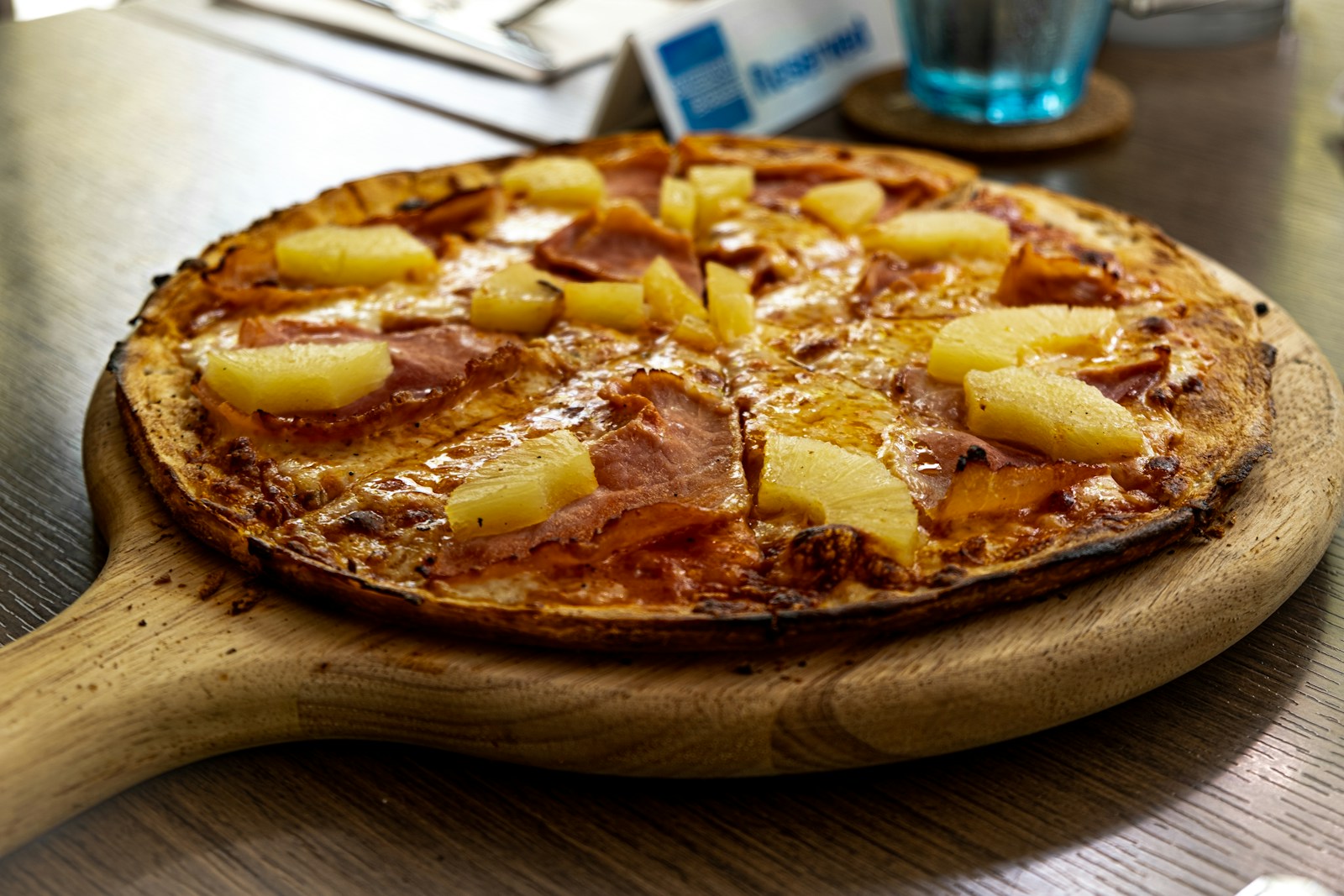
    Paisa's Pizza Hawaiian pizza topped with ham and pineapple

    Fact vs. Myth

    Common Assumption What’s Actually True
    Hawaiian pizza was created in Hawaii It was created in Chatham, Ontario, Canada, in 1962
    A Hawaiian chef invented the recipe It was created by Sam Panopoulos, a Greek-born Canadian restaurateur
    The name refers to Hawaiian cuisine or culture The name comes from the brand printed on the can of pineapple used
    It’s a centuries-old traditional recipe It’s just over 60 years old, invented within living memory

    It Was Invented in Canada, Not Hawaii

    Hawaiian pizza was created in 1962 by Sam Panopoulos, a Greek-born immigrant who ran the Satellite Restaurant in Chatham, Ontario, Canada, alongside his brothers. There was no connection to Hawaiian cuisine, no trip to the islands, and no Hawaiian chef involved. The name came entirely from the can.

    Panopoulos was experimenting with toppings, trying to set his pizza apart from what everyone else in town was serving. Part of that instinct came from his experience preparing Canadian-Chinese dishes, a style of cooking built around mixing sweet and sour flavors in the same plate. He brought that same sweet-savory logic to a pizza crust, tossing on ham, then adding canned pineapple.

    The pineapple he reached for came from a specific supplier: the Hawaiian Pineapple Company, a real canned-goods brand of the era (later folded into what’s now known as Dole). That brand name printed on the can is the entire origin of the pizza’s name — nothing more symbolic than that.
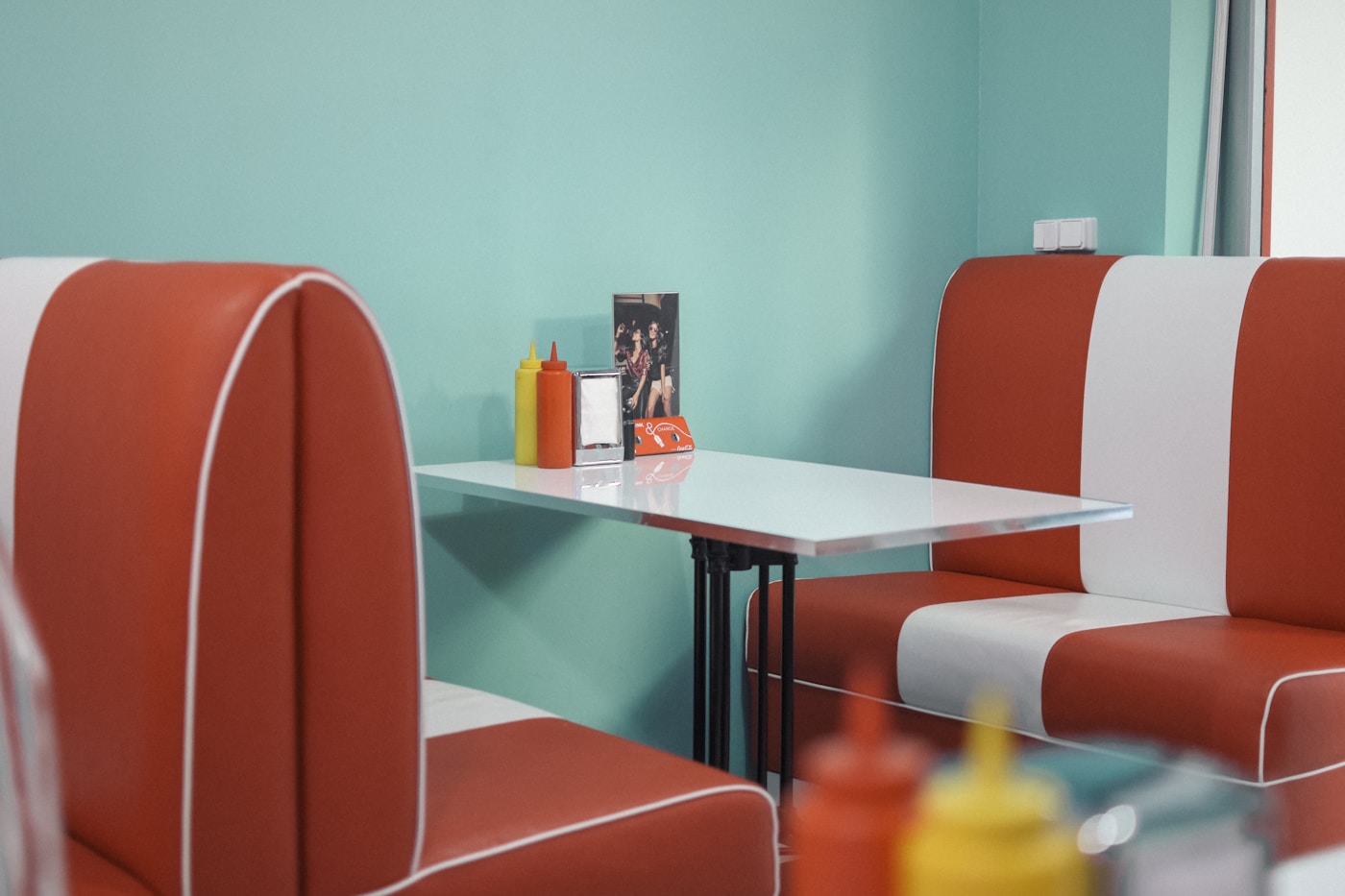
    Retro 1960s diner booth interior with red vinyl seats, evoking the era Hawaiian pizza was invented

    Why a Canned Pineapple Brand, of All Things

    Canned fruit was a kitchen staple in North America through the 1950s and ’60s — fresh pineapple wasn’t nearly as available or affordable as it is now, so canned was the default choice in most restaurant kitchens. Panopoulos reached for what was on the shelf, not what was geographically or culturally tied to Hawaii in any way.

    It’s a small detail that changes the whole story: the pizza wasn’t named to honor a place. It was named after whatever was printed on the can that happened to be sitting in a Canadian diner’s pantry that day. If the can had said something else, we’d almost certainly be arguing about a completely different name today, and most people would never think twice about where it came from.
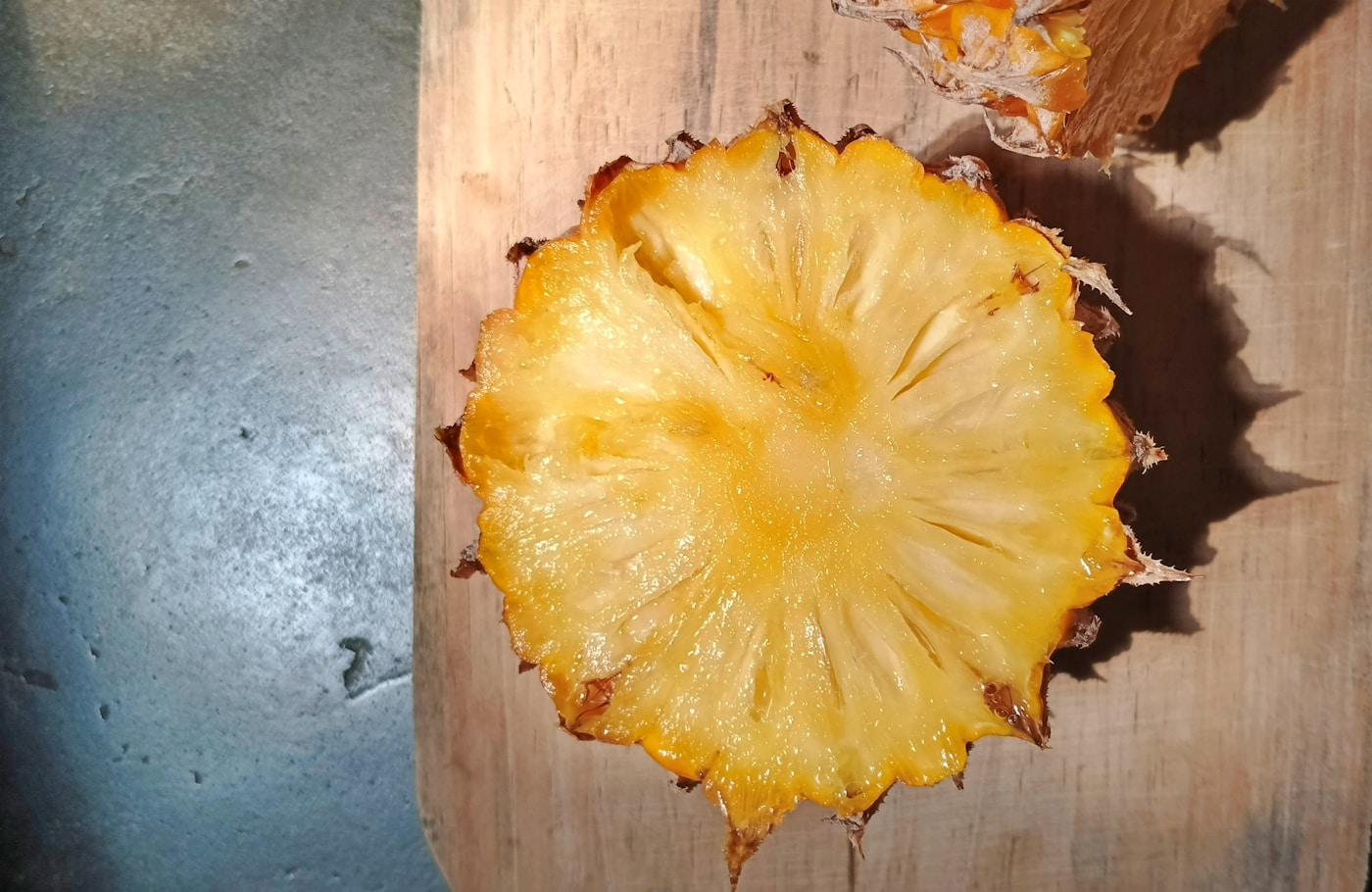
    Fresh pineapple slice on a wooden cutting board

    From One Restaurant to a Global Menu Item

    What started as one experiment at a small Ontario diner spread far beyond Chatham. Within a couple of decades, ham-and-pineapple pizza had made its way onto menus across Canada, the United States, and eventually much of the world — despite Panopoulos never patenting or trademarking the idea. He simply put it on the menu, customers kept ordering it, and other restaurants started copying it.

    Part of how it spread was simple word of mouth between restaurant owners. Pizza in the 1960s and ’70s was still a relatively new, evolving menu item across North America, and independent pizzerias were constantly borrowing and adapting toppings from each other. A combination as distinctive as ham and pineapple stood out enough that other owners started testing it on their own menus, and customers who tried it at one restaurant started asking for it at others.

    Just how far it traveled is easy to underestimate. Time Magazine ranked it first on its 2014 list of “The 13 Most Influential Pizzas of All Time.” By 1999, it was reportedly Australia’s single most popular pizza style, accounting for roughly 15% of national pizza sales. In the UK, it was listed as the most commonly available pizza on the Just Eat delivery platform as of 2015. A recipe improvised on a slow night at a small-town diner ended up on menus on four continents.

    Panopoulos passed away in 2017, and outlets like CBC News covered his death with the same detail that follows him in most obituaries: the inventor of one of the most polarizing pizza toppings in the world never expected the reaction it would get. He said in interviews that he never imagined a topping combination he improvised on a slow night would still be argued about generations later.

    It’s worth noting, too, that Hawaiian pizza’s origin story fits a much bigger pattern in North American food history: some of the most recognizable dishes came from immigrant cooks improvising with whatever ingredients were on hand, not from strict tradition. A Greek immigrant building a Canadian pizzeria menu around a canned pineapple label isn’t so different, in spirit, from a Philadelphia pizza shop putting tacos on the same menu as a plain pie — both come from cooks working across cultures instead of staying inside one lane. If that idea interests you, we’ve written about why we built our own menu the same way.
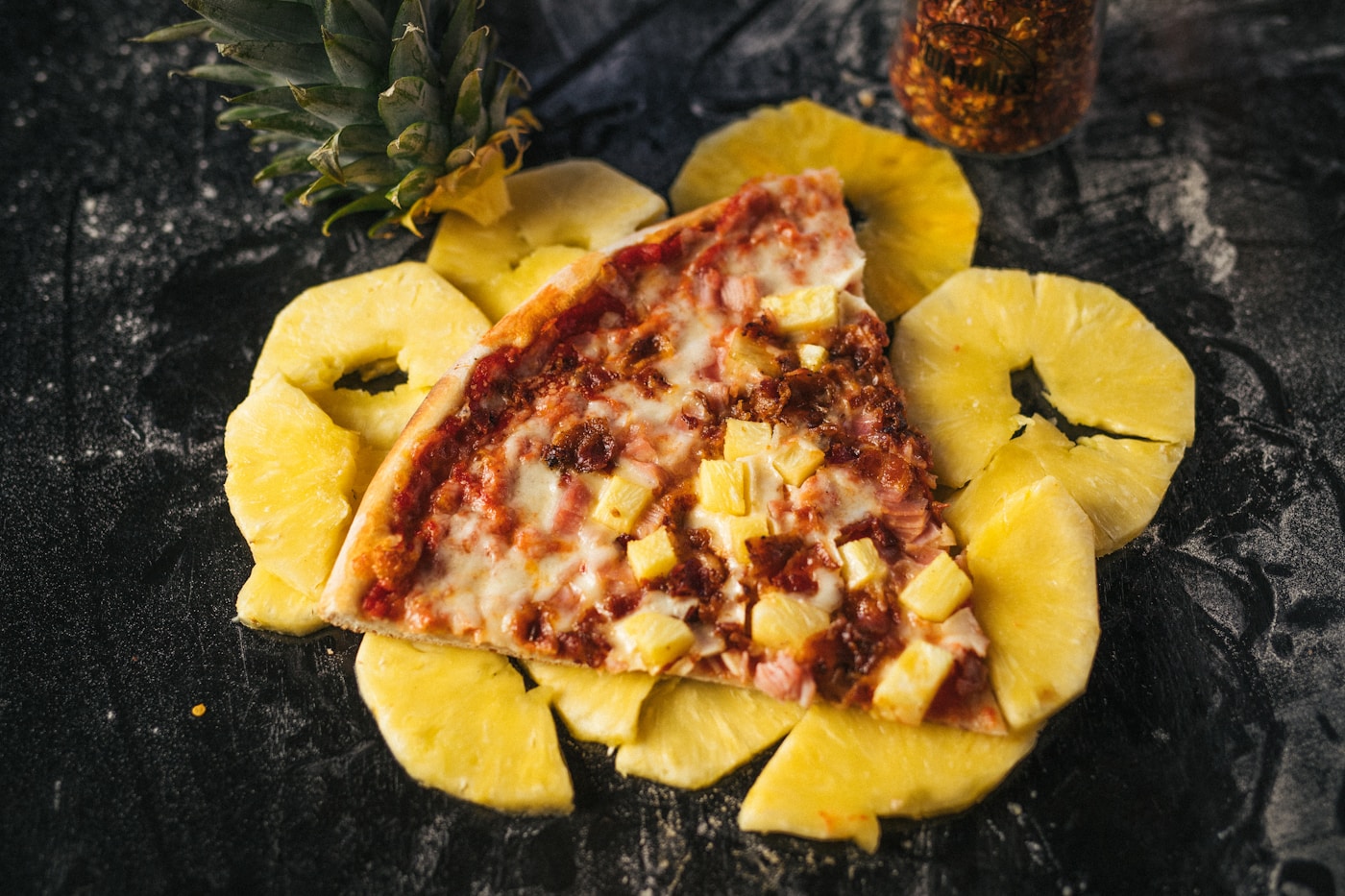
    Slice of Hawaiian pizza with ham surrounded by fresh pineapple rings

    Why the Pineapple-on-Pizza Debate Even Exists

    Part of why Hawaiian pizza became such a lightning rod is exactly because it broke a rule most people didn’t realize they had: pizza toppings are supposed to be savory. Pineapple introduces real sweetness and a juicy texture next to melted cheese and salty ham, which either works for you or genuinely doesn’t — there’s not much middle ground.

    That same sweet-savory contrast is exactly why it’s stuck around for over 60 years despite the arguments. Love it or not, it’s rarely described as forgettable.

    Just How Divisive Is It, Really?

    The debate isn’t just internet noise — it shows up in actual survey data. A 2019 YouGov poll found that just 12% of U.S. adults named pineapple their favorite pizza topping, while 24% called it their least favorite — nearly twice as many people rejecting it outright as embracing it.

    Even that data has a twist, though: the same research found pineapple wasn’t the most hated topping overall. Anchovies took that spot, disliked by roughly half of respondents. Pineapple is polarizing, in other words, but it’s far from the most universally rejected choice on a pizza menu — it just generates stronger opinions in both directions than most other toppings do.

    Try It for Yourself

    If you’ve never actually tried it — or haven’t in years — our Hawaiian pizza is made the same way Panopoulos originally built it: real ham, pineapple, and cheese on a fresh-baked crust. If pineapple isn’t your thing, our White Ricotta Cheese Pizza is a good alternative from the same oven, no debate required.

    Either way, everything’s made fresh to order and available for delivery around Frankford Ave, so you can settle the argument at your own table instead of just reading about it.

    Frequently Asked Questions

    Is Hawaiian pizza actually from Hawaii?
    No. It was invented in Chatham, Ontario, Canada, in 1962. The name comes from the brand of canned pineapple used, not the location.
    Who invented Hawaiian pizza?
    Sam Panopoulos, a Greek-born Canadian restaurateur who ran the Satellite Restaurant with his brothers.
    Why is it called “Hawaiian” if it wasn’t made there?
    The canned pineapple Panopoulos used happened to be a brand called “Hawaiian,” and the name stuck to the pizza itself.
    What’s on a traditional Hawaiian pizza?
    Ham, pineapple, and mozzarella cheese on a tomato-sauce base — the same combination Panopoulos first put together in 1962.
    Why do people either love or hate pineapple on pizza?
    Pineapple adds sweetness and moisture to a topping combination that’s traditionally savory, which creates a strong reaction one way or the other rather than a neutral one.

    Ready to settle the debate yourself?
    Order Online →

  • Best Pizza Delivery Near Frankford Ave, Philadelphia (19124)

    Best Pizza Delivery Near Frankford Ave, Philadelphia (19124)

    Searching “pizza delivery near me” in Northeast Philadelphia turns up a long list of options, but not all of them are actually close, and even fewer deliver a pizza that still tastes hot and fresh by the time it reaches your door. Some results are miles away and only show up because a delivery app drew a wide circle on a map; others are close but keep inconsistent hours that don’t match what’s posted online.

    If you’re near Frankford Avenue — Frankford, Wissinoming, Mayfair, or the surrounding 19124 blocks — here’s what actually matters when you’re choosing where to order from, and why we built our delivery around this specific stretch of the city instead of trying to cover all of Philadelphia at once.

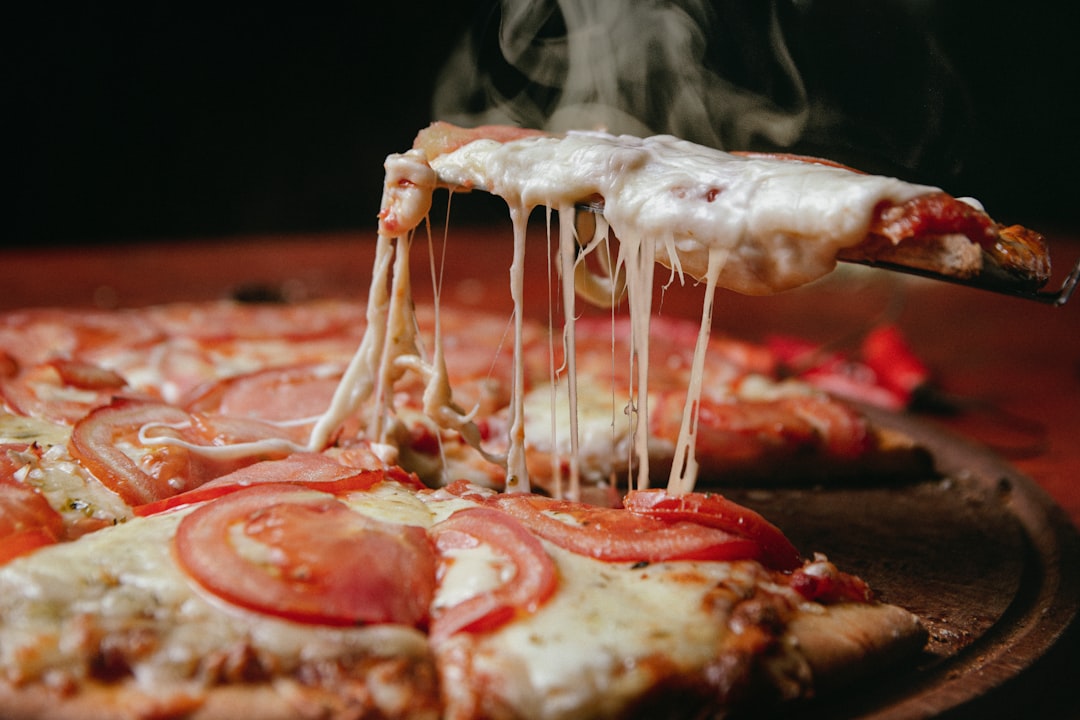
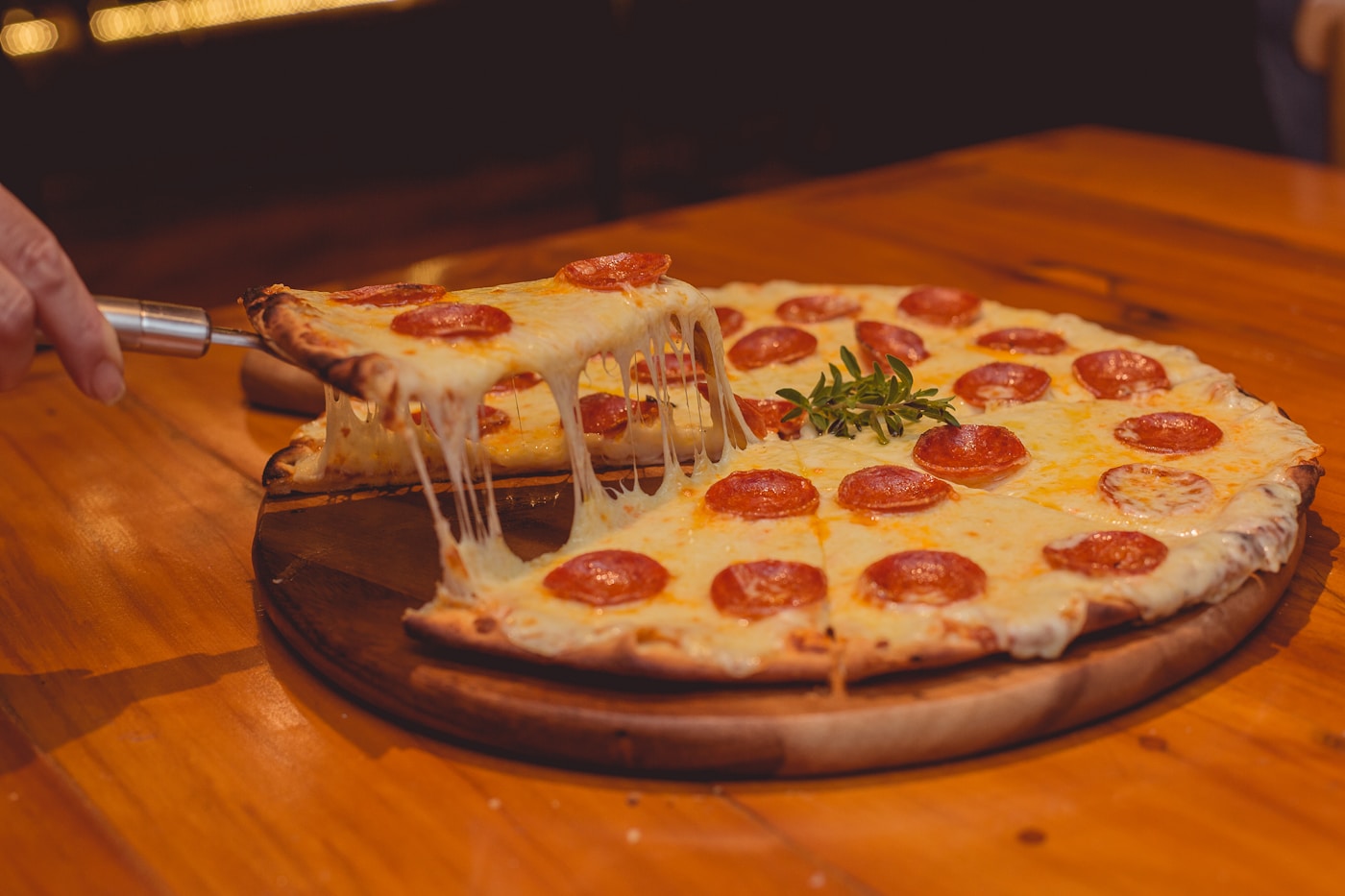
    Cheesy pepperoni pizza slice being lifted from the pie showing a fresh cheese pull

    What Actually Makes Pizza Delivery “Good”

    Fast doesn’t automatically mean good, and a short drive doesn’t guarantee a hot pizza. A handful of factors separate a delivery order you’ll reorder from one you’ll forget about:

    • Distance from the kitchen: the shorter the actual trip, the less time your pizza spends losing heat and steaming the box.
    • Made-to-order, not sitting under a heat lamp: a pizza built and baked after you order tastes completely different from one that’s been holding since the last rush.
    • Real hours you can count on: a listed closing time that doesn’t match reality is the fastest way to ruin a Friday night order.
    • A menu that covers more than one craving: useful when your household can’t agree between pizza and Mexican food on the same night.
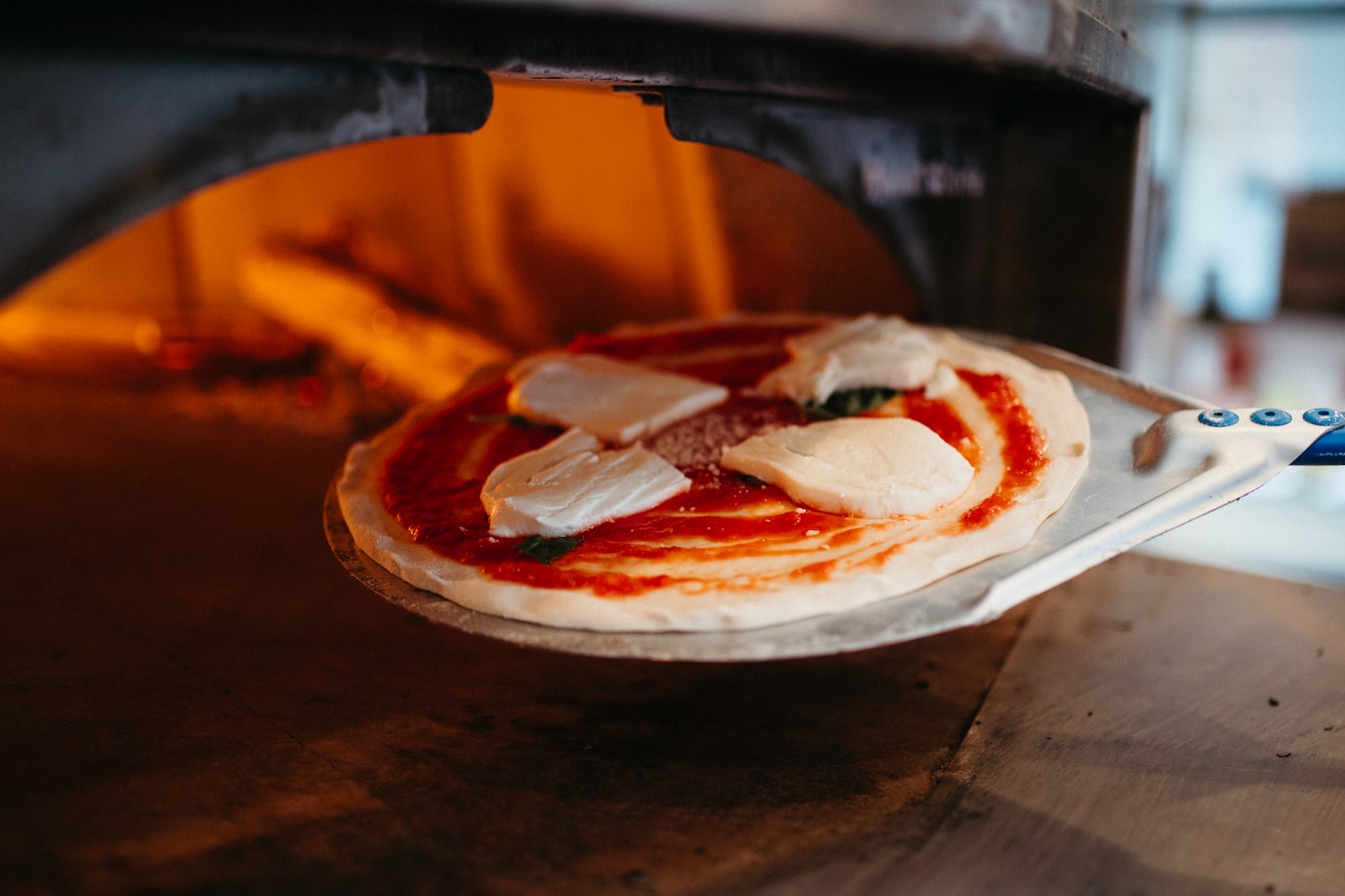
    Uncooked pizza being slid into a hot oven on a pizza peel

    Our Frankford Ave Location

    We’re based right on the corridor at 4263 Frankford Ave, Philadelphia, PA 19124 — not in a different zip code with a “we deliver everywhere” promise that falls apart once you actually place the order. That location puts us within a short trip of Frankford, Wissinoming, and the surrounding Lower Northeast neighborhoods, which is exactly the coverage area our delivery zone is built around.

    We currently deliver to the following zip codes: 19124, 19111, 19114, 19115, 19116, 19135, 19136, 19149, 19152, and 19154. If your address falls in one of those, you’re in our real delivery zone — not a best-guess radius drawn on a map.

    Real Hours, Not Guesswork

    Here’s exactly when we’re open for delivery and pickup:

    Day Hours
    Monday – Thursday 9:00 AM – 10:00 PM
    Friday – Saturday 9:00 AM – 11:00 PM
    Sunday 9:00 AM – 10:00 PM

    Those are the actual posted hours, not a rough estimate. If you order near closing time, give us a call at (215) 904-7353 to confirm we can still get your order out before the kitchen closes.

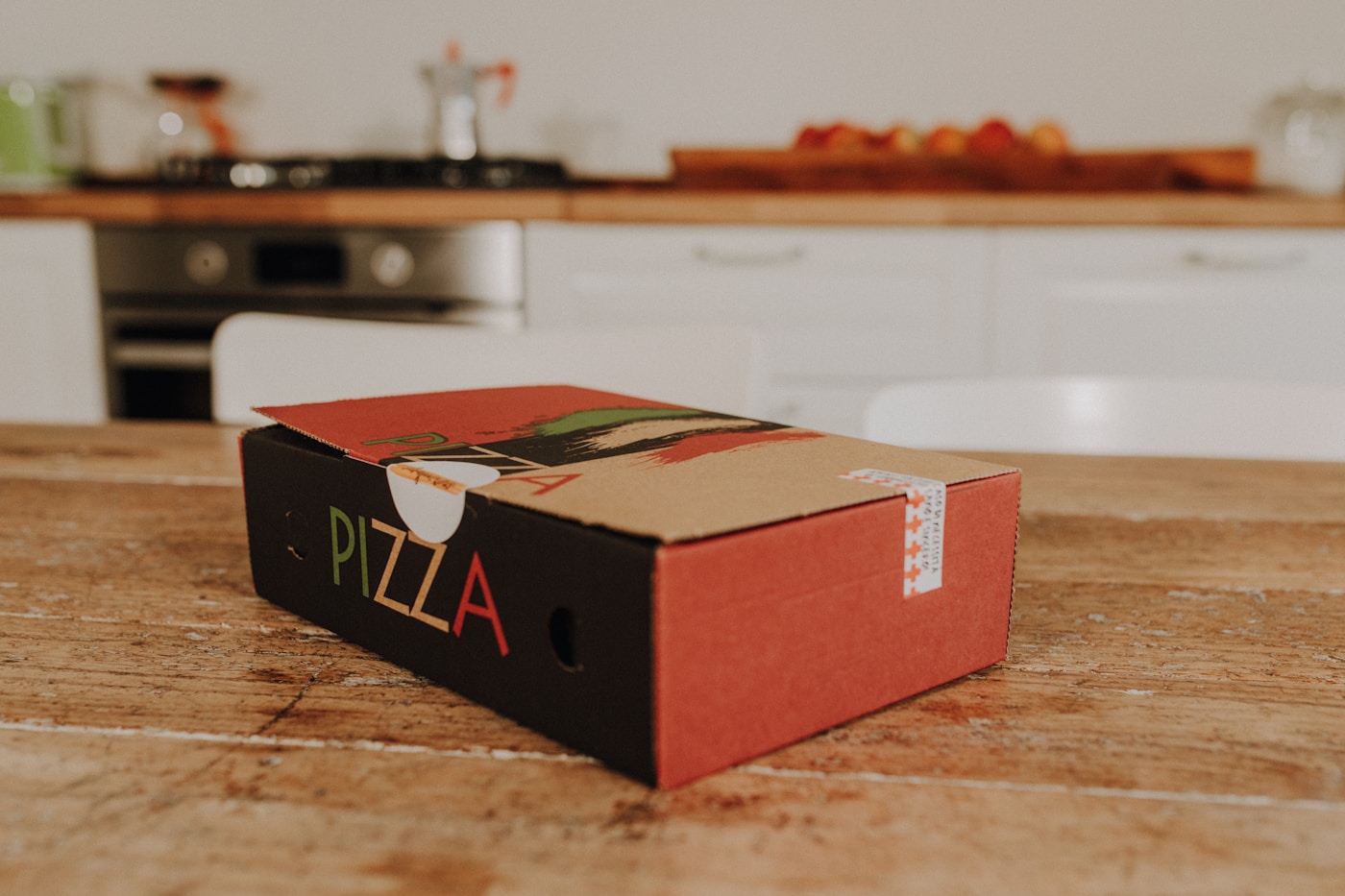
    Closed pizza delivery box sitting on a wooden kitchen table

    New York-Style Pizza, Made Fresh to Order

    Our pizza follows the New York style: a thin, hand-stretched crust, a foldable slice, and enough structure to survive the trip to your door without turning soggy. That last part matters more for delivery than it does for eating in-house — a crust that’s too thin steams itself soft inside a closed box, while one that’s too thick never fully crisps in the first place. New York style sits in the middle deliberately, which is exactly why it travels as well as it does.

    We build every pie after you order, not before — which is a big part of why a delivery pizza from a made-to-order kitchen tastes noticeably different from one made in bulk and reheated. For a deeper look at what defines the style itself, Serious Eats’ breakdown of New York-style pizza covers the crust and fold in more detail than we need to repeat here.

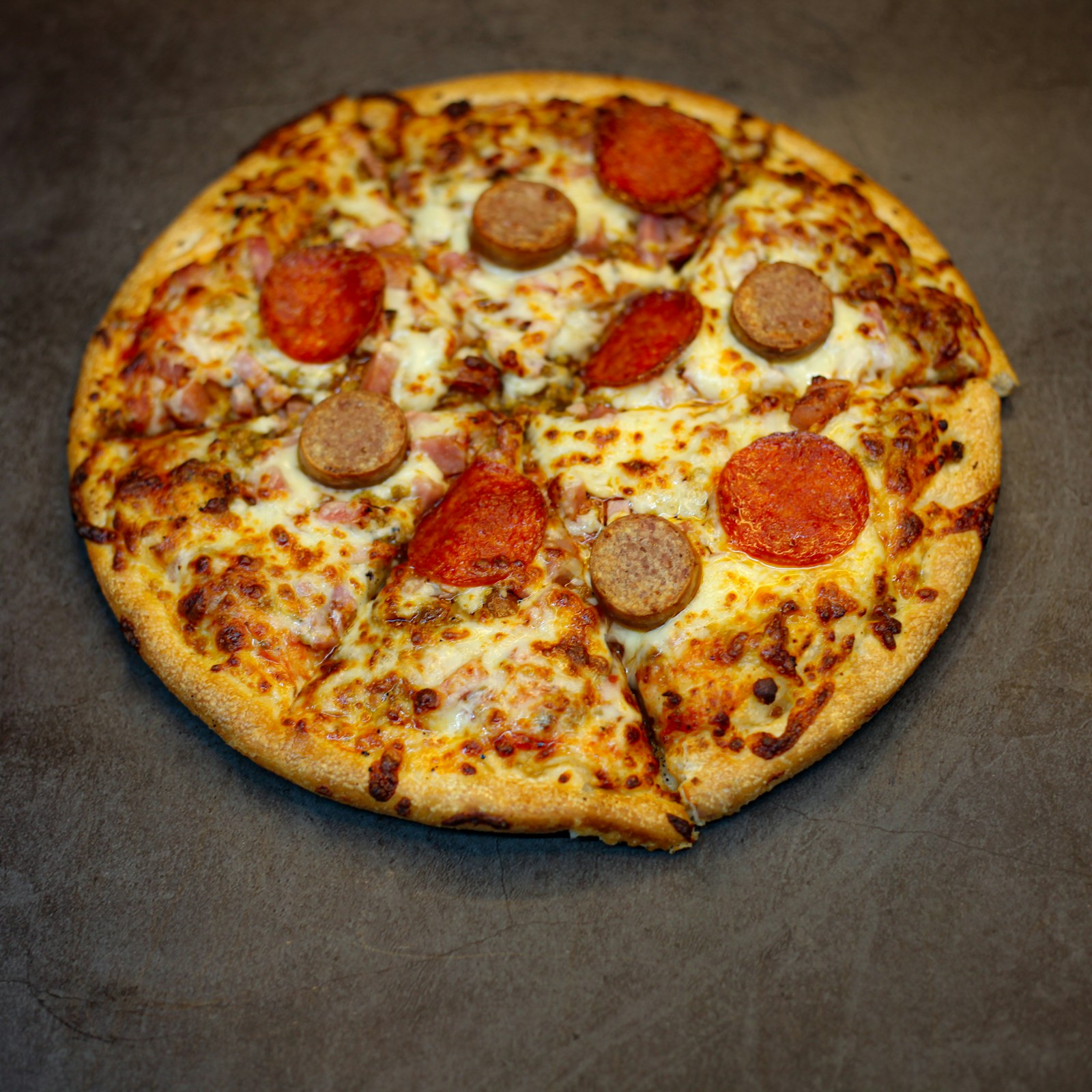
    Our most-ordered options include a classic plain cheese pizza for anyone who wants the fundamentals done right, and a Meat Lovers pizza loaded with pepperoni and sausage for bigger appetites. Both travel well, which matters more than people realize when you’re ordering delivery instead of eating in.

    Classic plain cheese pizza from Paisa's Pizza fresh out of the oven

    One Order, Two Menus

    Part of what makes ordering from us different is that pizza isn’t the only thing on the menu. The same kitchen also makes real Mexican food — tacos, burritos, and more — so you’re not stuck negotiating between two different delivery apps when everyone in the house wants something different. If you’re curious how those dishes actually differ from each other, we’ve laid it out in tacos vs. burritos vs. quesadillas vs. tortas.

    Meat Lovers pizza from Paisa's Pizza loaded with pepperoni and sausage

    How to Order

    Ordering is straightforward: browse the full pizza menu, add what you want, and choose delivery or pickup at checkout through our online ordering page. No third-party markup, no guessing whether your address is actually covered — if you’re in one of the zip codes listed above, you’re good to go.

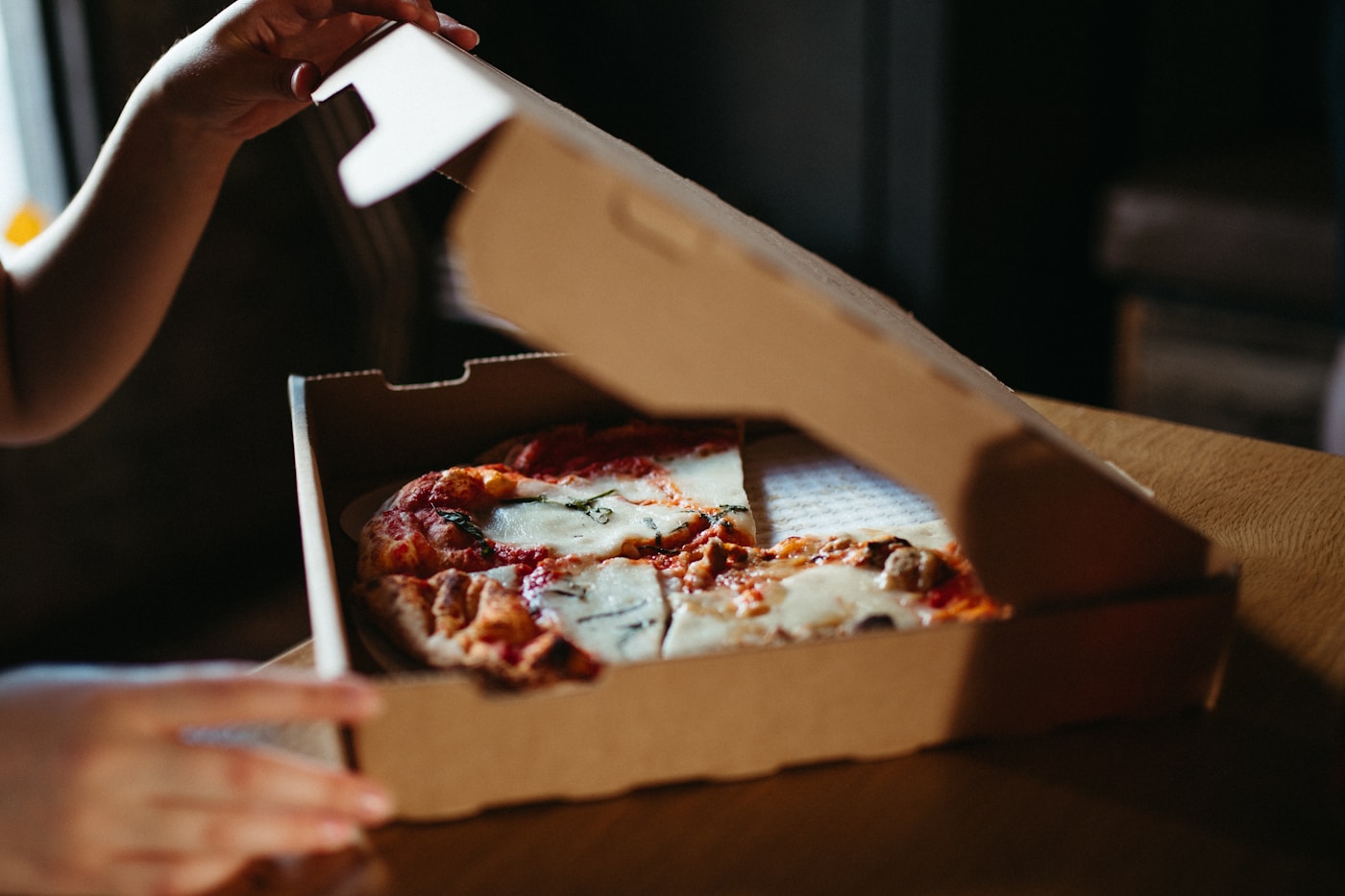
    Hands opening a pizza box to reveal a fresh hot pizza inside

    Delivery vs. Pickup: Which Should You Choose?

    Not every order needs to be delivery. Depending on your schedule and how far you are from Frankford Ave, pickup can actually get food to your table faster. Here’s how the two stack up:

    Delivery Pickup
    Best for Staying in, larger orders, bad weather Quick turnaround, no delivery wait
    Speed Depends on distance within our zip code zone Ready as soon as it’s cooked
    Coverage Limited to the 10 zip codes listed above Available to anyone who can reach 4263 Frankford Ave
    Extra cost Standard delivery pricing applies None — pay only for the food

    If you live just outside our delivery zip codes, pickup is still an option — the kitchen doesn’t care how you’re getting the food to your table, only that it’s ready and fresh when you take it.

    Why We Built Delivery Around This Specific Area

    A lot of delivery zones get drawn by a third-party app based on a generic radius, without much thought for whether a pizza can actually survive the trip. We did it differently: our zip code list — 19124, 19111, 19114, 19115, 19116, 19135, 19136, 19149, and 19152, plus 19154 — was built around what our own kitchen can realistically deliver hot, not around what looks good on a map.

    That’s also why we don’t try to cover all of Philadelphia. A pizza that travels 20 minutes across the city arrives in worse shape than one that travels five minutes across the neighborhood, no matter how good the box is. Keeping the zone tight to Frankford, Wissinoming, Mayfair, and the rest of the Lower Northeast is a deliberate trade-off in favor of quality over reach.

    Frequently Asked Questions

    Do you deliver to the whole 19124 zip code?
    Yes. 19124 is within our delivery zone, along with 19111, 19114, 19115, 19116, 19135, 19136, 19149, 19152, and 19154.
    What are your delivery hours?
    Monday through Thursday and Sunday from 9:00 AM to 10:00 PM, and Friday through Saturday from 9:00 AM to 11:00 PM.
    Where exactly are you located?
    4263 Frankford Ave, Philadelphia, PA 19124, right on the Frankford Avenue corridor in Lower Northeast Philadelphia.
    Can I order Mexican food and pizza in the same delivery?
    Yes — both menus are prepared in the same kitchen and can be combined into a single order and delivery.
    How do I place an order?
    Order directly through our online ordering page, or call us at (215) 904-7353.
    What if my address is close but not in the listed zip codes?
    Give us a call at (215) 904-7353 before ordering. Our zone is based on what we can realistically deliver hot, but it’s worth checking directly rather than assuming either way — and pickup is always available regardless of zip code.

    Ready for hot, fresh pizza delivered to your door?

    Order Online →

  • Tacos vs. Burritos vs. Quesadillas vs. Tortas: What’s the Difference?

    Tacos vs. Burritos vs. Quesadillas vs. Tortas: What’s the Difference?

    Tacos, burritos, quesadillas, and tortas all show up on the same Mexican food menus — ours included — and it’s easy to assume they’re just different shapes of the same thing. They’re not. Each one uses a different base (or no tortilla at all), a different cooking method, and lands very differently depending on how hungry you actually are.

    Here’s a clear, no-fluff breakdown of what separates all four, so you know exactly what you’re ordering next time instead of guessing.

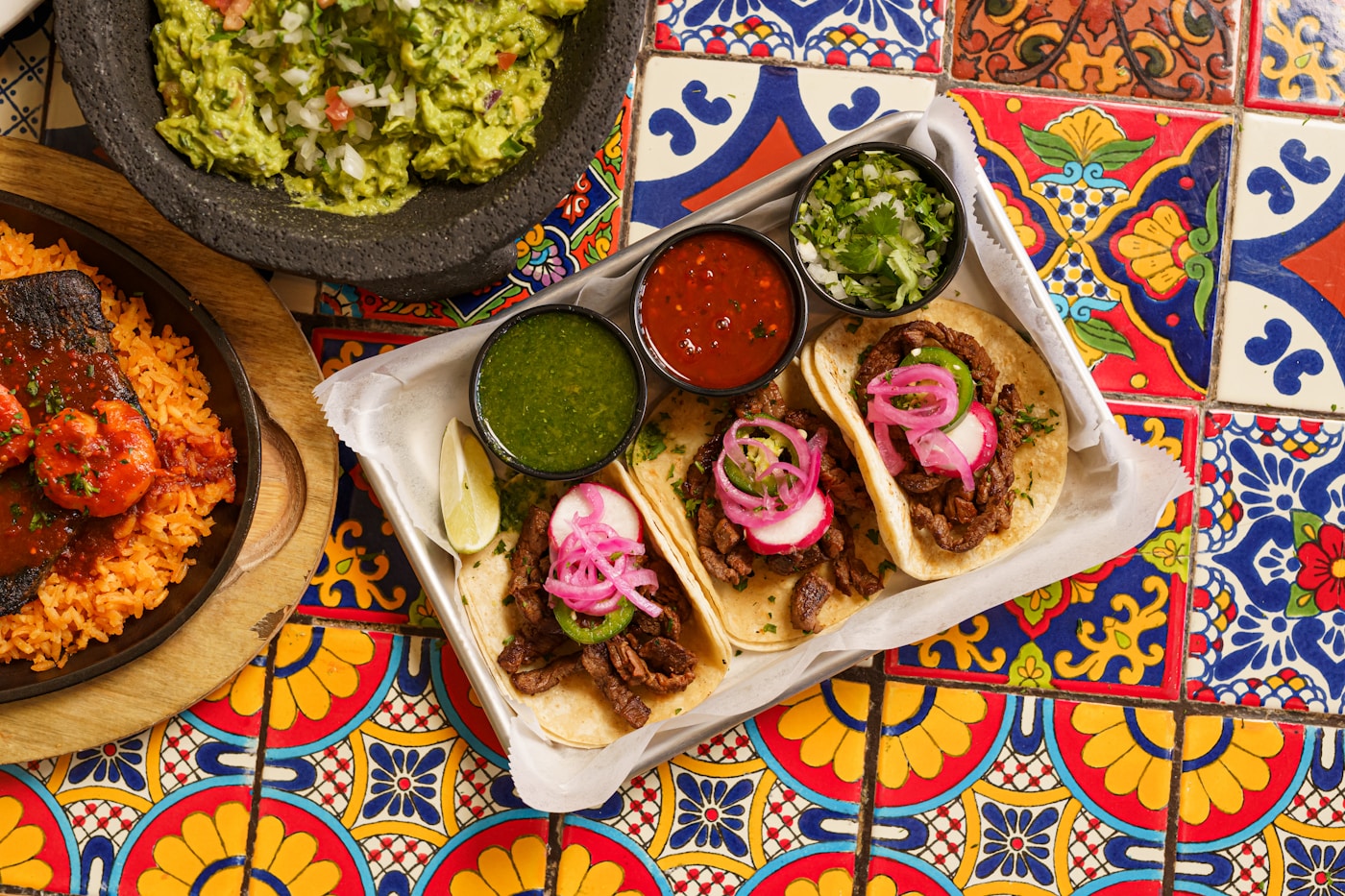
    Overhead spread of street tacos, rice, and guacamole representing Mexican food variety

    Tacos: Small, Folded, and Built for Flavor

    A taco starts with a small corn or flour tortilla, warmed briefly, then folded — not rolled — around a modest portion of filling. The tortilla stays soft and mostly plays a supporting role. The real focus is the filling: seasoned meat, onion, cilantro, and a splash of salsa or lime.

    Because a single taco is small, ordering two or three is normal. That’s part of the appeal: you can mix meats or styles in one sitting instead of committing to just one flavor.

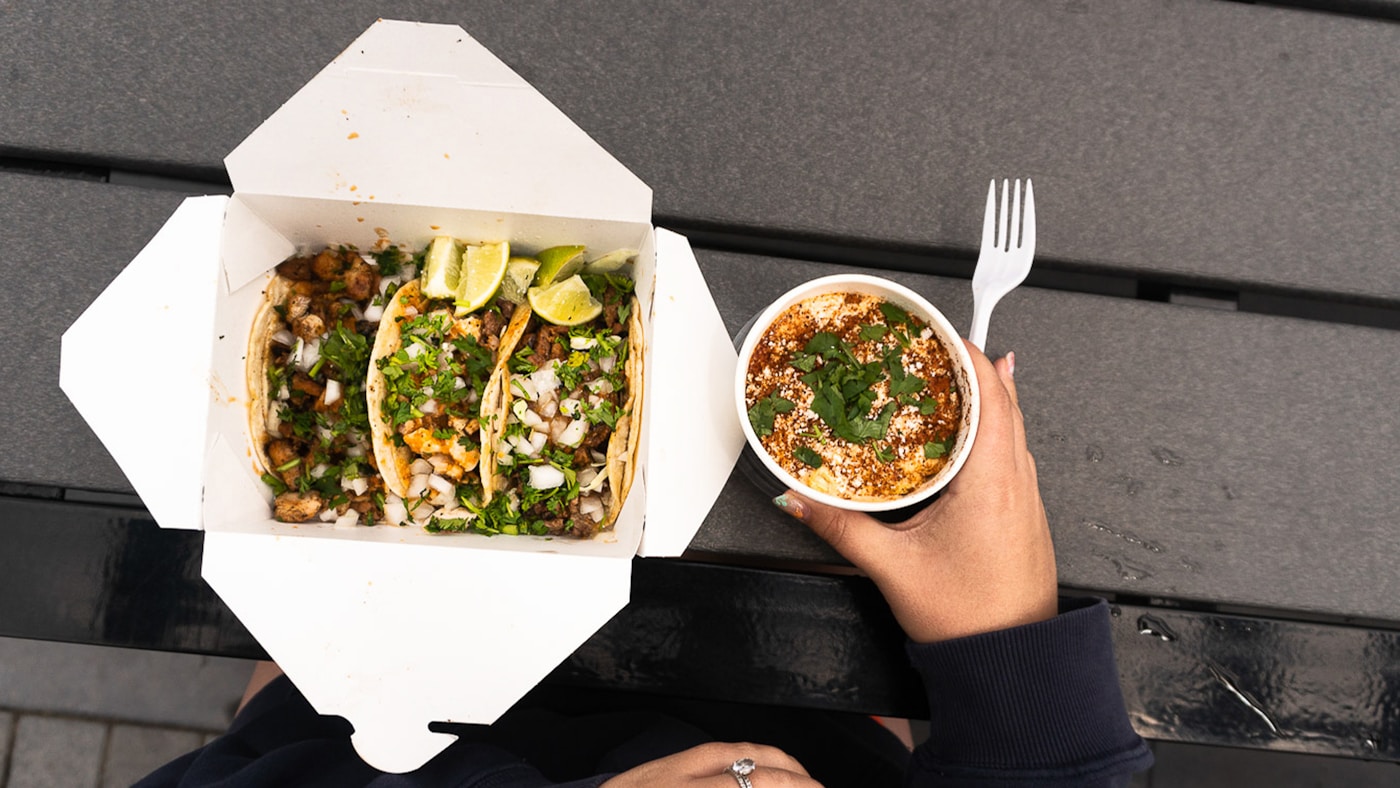
    Street-style tacos with lime and cilantro in an open takeout box

    Burritos: Rolled, Wrapped, and Meant to Fill You Up

    A burrito flips the ratio entirely. It uses a large flour tortilla — corn tortillas are too small and too likely to tear — rolled tightly around rice, beans, meat, cheese, and salsa, then folded at both ends so nothing falls out while you eat it.

    Where a taco is a bite-sized flavor delivery system, a burrito is a full meal wrapped in one hand-held package. One burrito is usually enough on its own, which is exactly why it’s the go-to order when you want something filling without needing a fork.

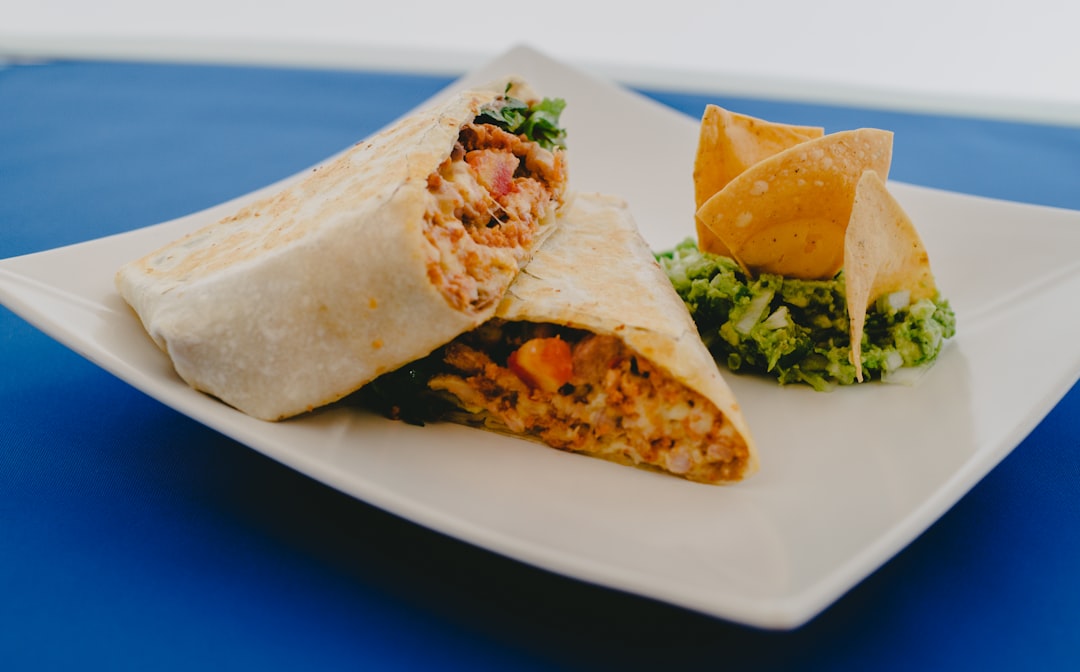
    Paisa's Pizza burrito wrapped and sliced in half, showing rice, beans, and meat filling

    Quesadillas: Grilled, Cheese-Forward, and Crisp on the Outside

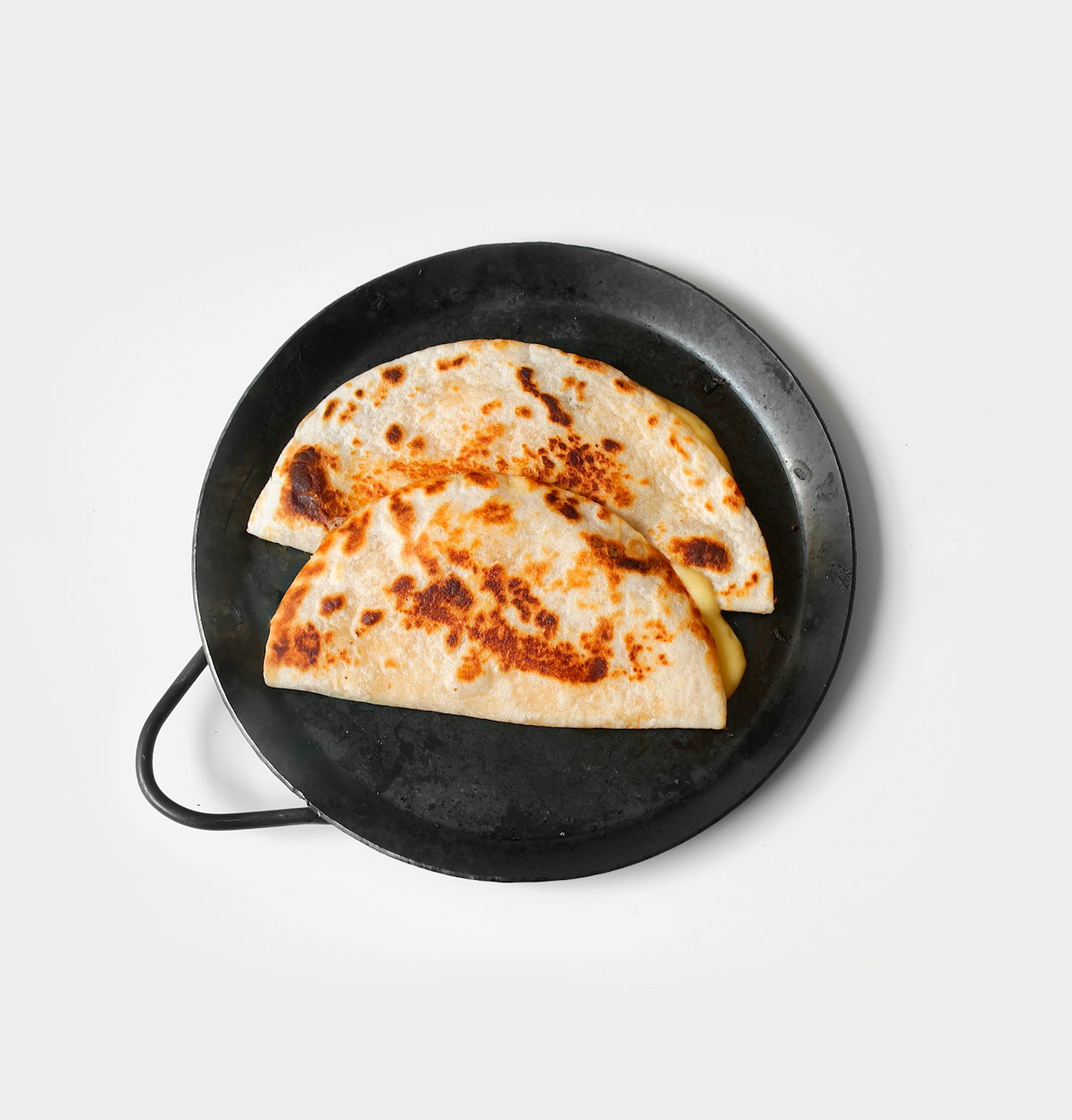
    A quesadilla is built differently from both. A flour tortilla gets loaded with cheese — and often meat or vegetables — folded in half or topped with a second tortilla, then grilled or pan-cooked until the outside crisps and the cheese fully melts inside.

    That grilling step is what makes a quesadilla its own category rather than just “a taco with cheese.” The heat changes the texture of the tortilla itself, giving it a golden, slightly crunchy exterior that neither a taco nor a burrito has.

    Grilled quesadilla from Paisa's Pizza cut into wedges with melted cheese

    Tortas: Not a Tortilla at All

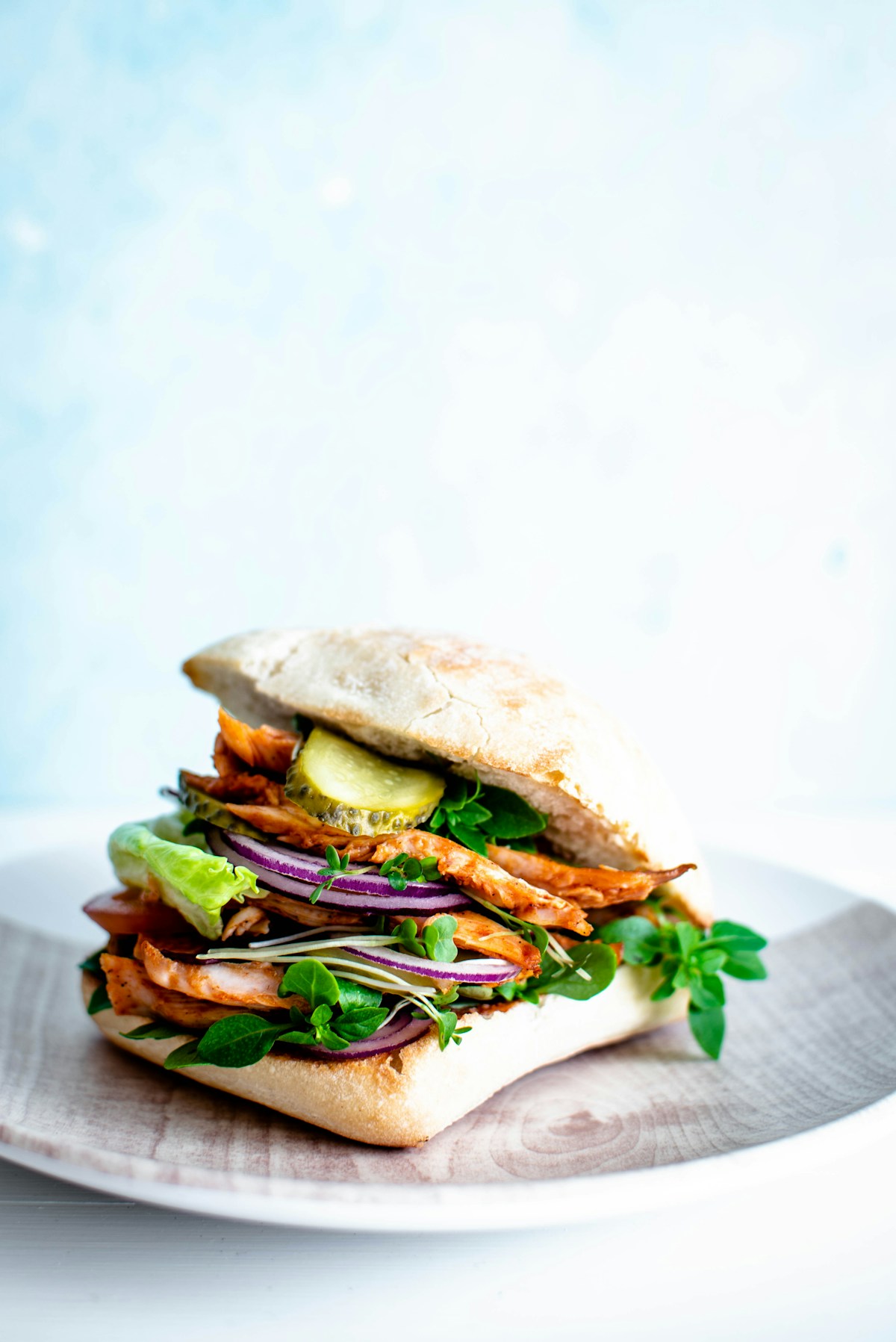
    This is where most comparisons online get it wrong — they leave tortas out entirely, or lump them in as “just another wrap.” A torta isn’t wrapped in anything. It’s a sandwich, built on a toasted roll (traditionally a telera or bolillo), layered with meat, cheese, refried beans, avocado, onion, and salsa.

    If tacos, burritos, and quesadillas are all tortilla-based in one way or another, the torta is the outlier: bread instead of tortilla, sandwich construction instead of a fold or a roll. It’s closer in spirit to a Cuban sandwich or a Vietnamese bánh mì than to anything else on this list — hearty, substantial, and eaten with both hands.

    The torta has its own long history in Mexican cooking, with regional versions like the torta ahogada (a Guadalajara specialty served “drowned” in chile sauce) showing just how far the format can stretch beyond a simple sandwich. According to Wikipedia’s overview of the torta, the dish has been a staple of Mexican street food and lunch counters for generations, distinct from tortilla-based dishes despite the name’s similarity.

    Torta sandwich from Paisa's Pizza on toasted bread with fillings

    Corn vs. Flour Tortillas: Why the Base Actually Matters

    Since three of these four dishes depend on a tortilla, it’s worth understanding the tortilla itself — because “corn” and “flour” aren’t interchangeable, and the choice changes the final dish more than most people realize.

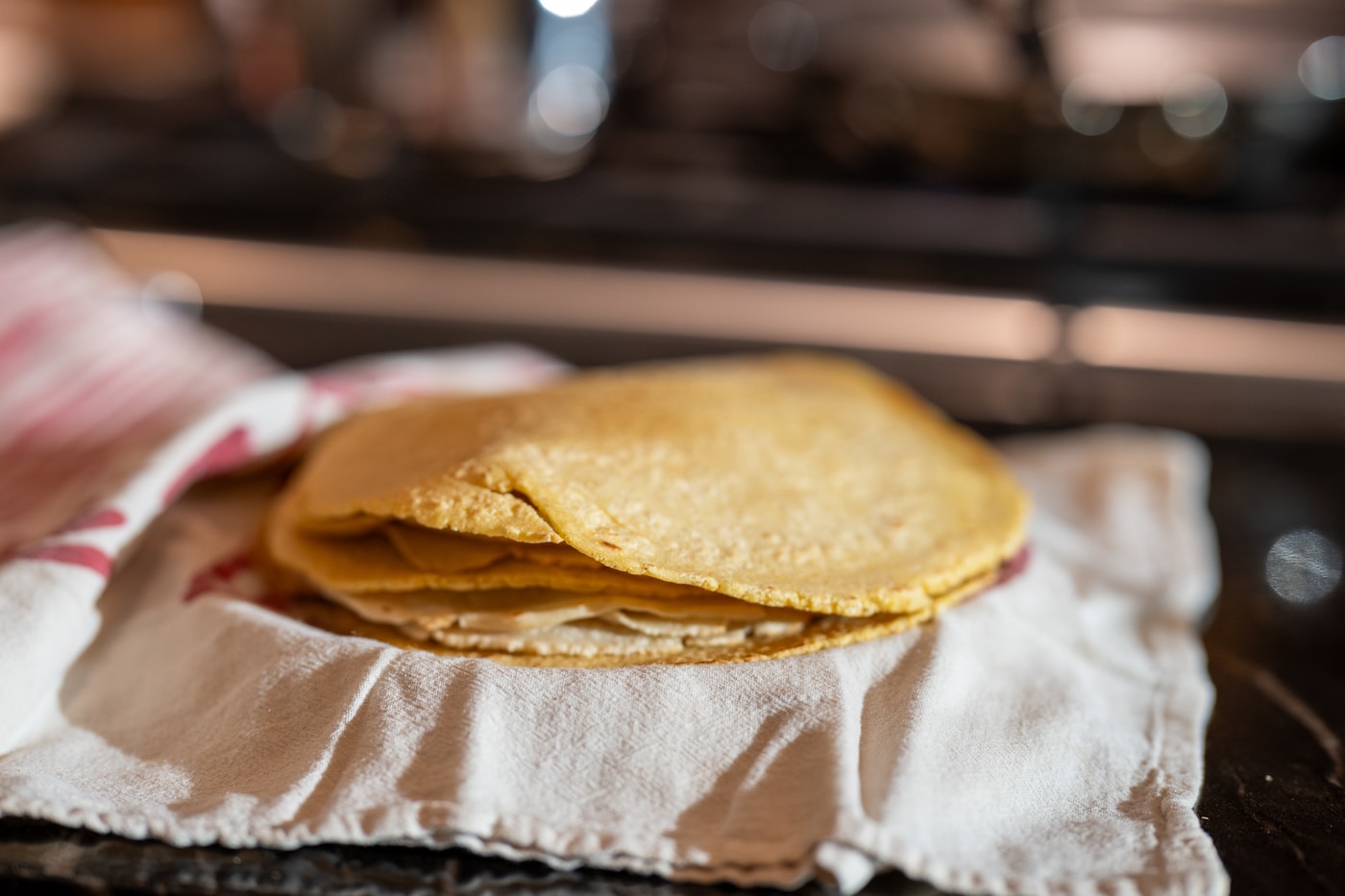
    Corn tortillas are made from masa, a dough made of ground, treated corn. They’re smaller, thinner, and have a slightly earthy, mineral flavor that comes from the corn itself. They’re also more prone to tearing, which is exactly why they’re the traditional choice for tacos: small tortillas, folded rather than rolled, don’t put much stress on the tortilla in the first place.

    Stack of fresh corn tortillas folded on a cloth napkin

    Flour tortillas are made from wheat flour, fat, and water, which makes them more elastic and far less likely to crack when rolled tightly. That’s exactly the property a burrito needs — a tortilla that can wrap around a large amount of filling and fold at both ends without splitting. Quesadillas typically use flour tortillas too, since the dough holds together better under direct heat and crisps evenly on a grill.

    So the short version: corn tortillas are chosen for flavor and tradition in small, folded formats; flour tortillas are chosen for durability and flexibility in larger, rolled, or grilled formats. Neither one is “better” — they’re built for different jobs.

    Side-by-Side Comparison

    Dish Base Cooking Method Portion Size Best For
    Taco Small corn or flour tortilla, folded Warmed, not cooked further Small — usually ordered 2-3 at a time Sampling multiple flavors in one meal
    Burrito Large flour tortilla, rolled Warmed, sometimes lightly grilled Large — a full meal on its own A filling, no-fork meal on the go
    Quesadilla Flour tortilla, folded or doubled Grilled or pan-cooked until crisp Medium to large, shareable Cheese-forward comfort food
    Torta Telera or bolillo bread roll (no tortilla) Toasted, assembled like a sandwich Large — sandwich-sized A hearty, handheld sandwich meal

    Which One Should You Order?

    It really comes down to what you’re in the mood for:

    • Want variety in one sitting? Order tacos and mix a couple of fillings.
    • Want a filling meal you can eat with one hand? Go with a burrito.
    • Craving something cheesy and crisp? A quesadilla is the move.
    • In the mood for a sandwich instead of anything tortilla-based? Order a torta.

    All four are made fresh in the same Frankford Avenue kitchen where we also make our pizza, so you’re never choosing between “the pizza place” and “the taco place.” You can see the full lineup — including nachos if you’d rather share a plate than commit to one dish — on our Mexican food menu.

    If you’re new to us, our About Us page has the story of why a pizza shop makes Mexican food in the first place — short version: it’s the same neighborhood kitchen, just bilingual. For background on where our name comes from, read what “paisa” actually means. And if you’re deciding between tacos and a pizza order tonight, remember you don’t have to choose — check our Frankford Ave delivery coverage and hours to get both in one order.

    Frequently Asked Questions

    What’s the main difference between a taco and a burrito?
    Size and wrapping. A taco uses a small tortilla folded around a light filling; a burrito uses a large tortilla rolled tightly around a full meal’s worth of rice, beans, and meat.
    Is a quesadilla just a taco with cheese?
    No. A quesadilla is grilled or pan-cooked until the tortilla crisps, which changes its texture entirely. A taco is only warmed, so the tortilla stays soft throughout.
    Is a torta made with a tortilla?
    No — this is the most common misconception. A torta is a sandwich made on a toasted bread roll, not a tortilla, which makes it structurally different from tacos, burritos, and quesadillas.
    Which is the most filling option?
    Burritos and tortas are both built as full meals on their own. Tacos and quesadillas are more easily shared or ordered alongside something else.
    Can I order all four to try them together?
    Yes — all four are available on our Mexican food menu, so you can order a mix and compare them for yourself.

    Ready to taste the difference for yourself?

    Order Online →

  • What Does Paisa Mean? The Story Behind Our Name

    What Does Paisa Mean? The Story Behind Our Name

    If you’ve ever ordered from us, you’ve probably wondered about it: what does paisa actually mean, and why did we build it into our name? It’s a real question people search for online, and the honest answer is more interesting — and more personal — than a quick dictionary definition.

    Here’s the full story: where the word comes from, what it means depending on where you’re standing, and why it fit a Philadelphia pizza-and-Mexican-food kitchen better than almost anything else we considered.

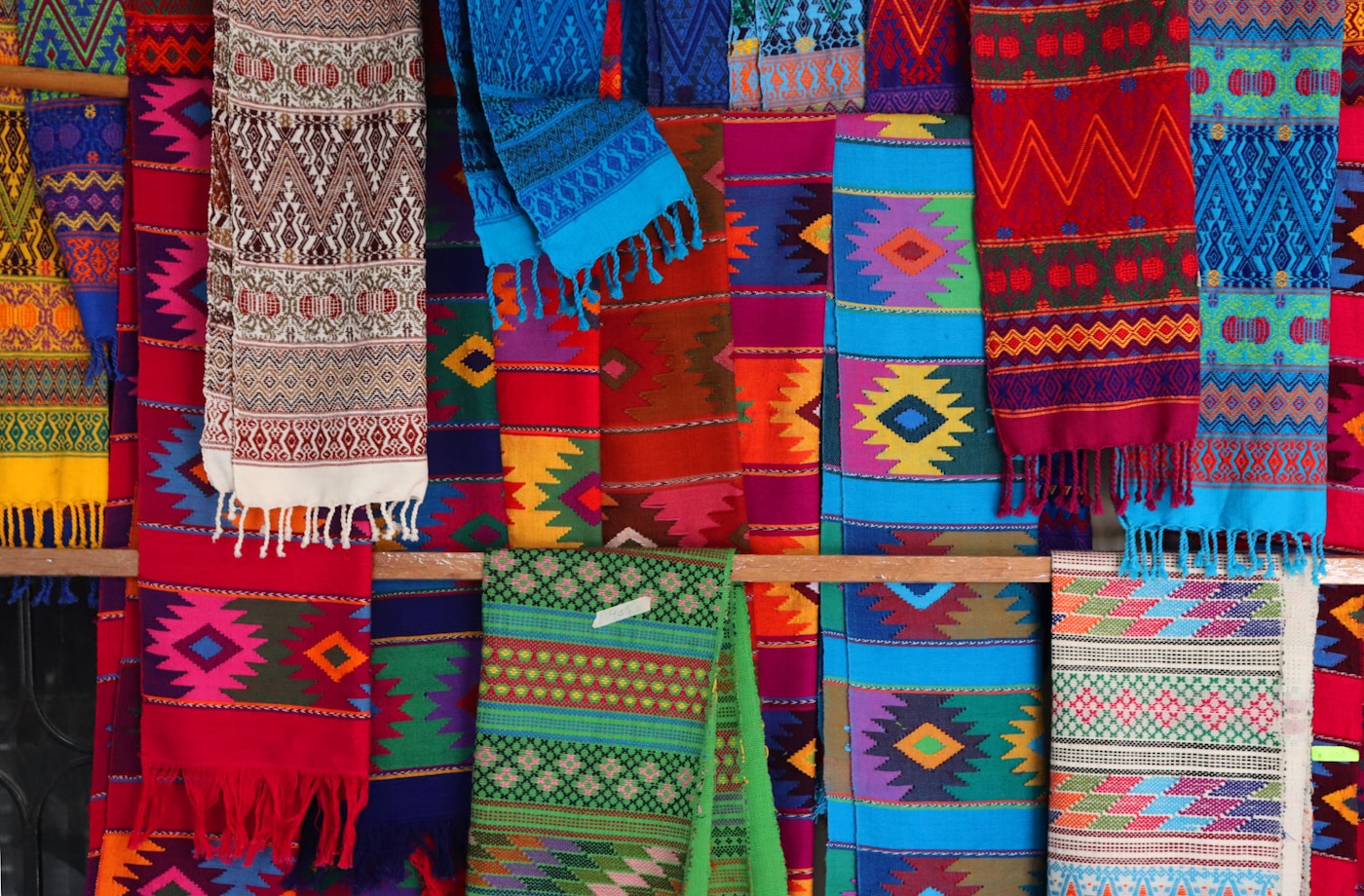
    Colorful traditional Mexican woven textiles on display

    Where the Word “Paisa” Comes From

    Paisa is a shortened, everyday form of paisano, the Spanish word for someone from your own country, town, or region. The trail behind it runs surprisingly far back: Latin pagus (a rural district) became French pays (country, land), which gave rise to paysan (countryman), which Spanish absorbed as paisano. Drop the last two syllables in casual speech, and you get paisa.

    That history matters, because it explains the word’s core feeling before any regional slang got attached to it. At its root, paisa just means “someone from home.” Not a stranger. Not a customer. Somebody you’d wave to on the street because you already know them, or you know exactly where they’re from.

    One quick disambiguation before we go further: if your search also turned up “paisa” as a unit of currency, that’s a completely different, unrelated word. In India, Nepal, Pakistan, and Bangladesh, a paisa is a small coin worth 1/100th of a rupee or taka. It shares no root with the Spanish word — just a coincidental spelling. Everything below is about the Spanish paisa, the one our name is built on.

    Open Spanish dictionary showing word definitions and etymology

    What “Paisa” Means in Mexico

    In Mexican Spanish, especially in the north and among Mexican communities in the United States, paisa is used the way you’d use “buddy,” “countryman,” or “fellow Mexican” — informal, warm, and immediately familiar. It’s common between people who don’t know each other well but recognize a shared background, and even more common between actual friends.

    The tone depends entirely on delivery. Said with a smile, it’s an instant bridge — a way of saying I see you, we’re from the same place. Said with an edge, the exact same word can come across as mocking or dismissive. Context and relationship decide which one you’re hearing.

    “Paisa” Means Something Different in Colombia

    Here’s where it gets genuinely confusing if you only search the word once and stop: in Colombia, paisa isn’t slang for “friend” at all. It’s a regional identity, referring specifically to people from the Paisa Region — Medellín and the department of Antioquia, along with parts of neighboring areas.

    Both usages share the same Latin-to-Spanish root, but they’ve drifted into two distinct meanings depending on which country you’re in. If someone from Medellín calls themselves paisa, they’re naming a hometown identity, not greeting you like a Mexican speaker would.

    Region What “Paisa” Means Typical Tone How It’s Used
    Mexico & Mexican-American communities Countryman, friend, fellow Mexican Warm and familiar; can turn mocking with the wrong tone Greeting a friend or acknowledging a shared background
    Colombia (Antioquia / Medellín) Person from the Paisa Region Neutral to proud regional identity Describing where someone is from
    General Latin American Spanish “Fellow countryman,” short for paisano Neutral Formal and informal contexts alike
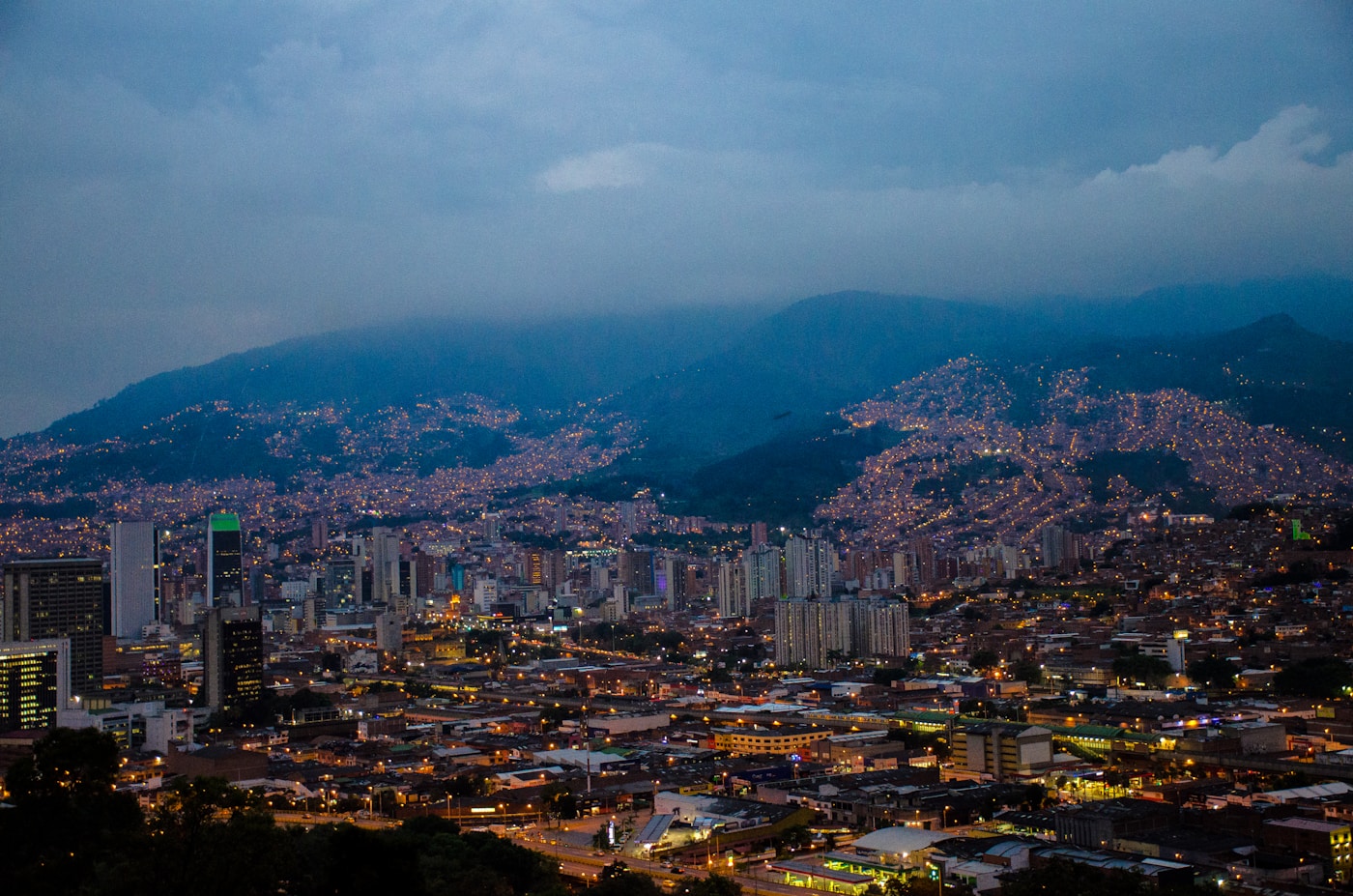
    Medellin, Colombia skyline at dusk, the region paisa originally referred to

    How “Paisa” Is Actually Used in a Sentence

    Definitions only get you so far with a word like this — hearing it in context makes the meaning click faster than any dictionary entry. Here’s how it typically shows up in everyday conversation:

    • As a greeting: “¡Qué onda, paisa!” — roughly, “What’s up, buddy!” between two people who share a Mexican background.
    • As an identifier: “Es puro paisa, como yo” — “He’s a real paisa, just like me,” used to point out someone from the same hometown or country.
    • As regional pride (Colombia): “Soy paisa, de Medellín” — “I’m paisa, from Medellín,” naming a specific regional identity rather than a general friendship term.
    • As a business name: exactly what we did — using the word the way a restaurant sign uses “Mom’s” or “Home Style”: a signal that this is a place run by and for people who consider you one of their own.

    Notice the pattern: in almost every real-world use, the word is doing the same basic job — closing the distance between “stranger” and “one of us.” That’s true whether it’s shouted across a street in Chihuahua or painted on a storefront in Northeast Philadelphia.

    Is “Paisa” Offensive?

    Not inherently — but it’s not a word with one fixed meaning either, which is exactly why people search to double-check it. Among friends, family, or people who share the background it refers to, paisa is a term of familiarity and belonging. Used by an outsider in a mocking tone, or as a stand-in for a stereotype, it can land as disrespectful.

    The short version: it isn’t a slur, and dictionaries like Merriam-Webster list it plainly as an informal term for a countryman or fellow villager. Like most informal words for “one of us,” how it lands depends entirely on who’s saying it, and why.

    Why We Chose the Name Paisa’s Pizza

    We serve New York-style pizza and real Mexican food, made fresh, out of the same Frankford Avenue kitchen. That combination doesn’t usually come from a corporate menu decision — it comes from a neighborhood where both cuisines are simply what people grew up eating.

    Paisa fit because it’s a word about belonging somewhere, about being recognized as one of the neighborhood’s own rather than just another delivery option. Whether you grew up on pizza, on tacos, or on both at the same table, the name is meant as an invitation: come as you are, order what you actually crave, and we’ll treat you like a regular from the first visit.

    Most pizza shops pick a name that describes the food. Most Mexican restaurants do the same. We wanted something that described the relationship instead — the feeling of walking into a place where the person behind the counter already knows your order, whether that order is a plain pie or a plate of tacos de asada.

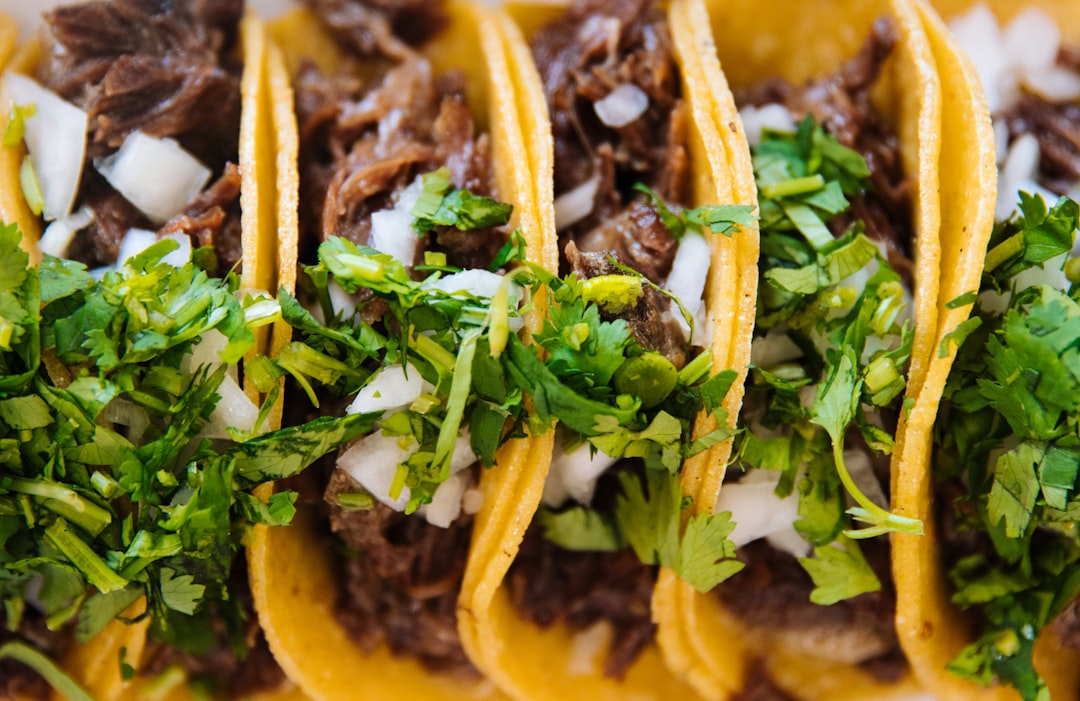
    Fresh tacos with cilantro, onions, and lime from Paisa's Pizza

    You can see that combination on our own Mexican food menu, sitting right alongside our pizza menu — not as two separate restaurants sharing a building, but as one kitchen that grew up bilingual. If tacos de asada has you curious about the rest of the menu, we’ve also broken down the difference between tacos, burritos, quesadillas, and tortas.

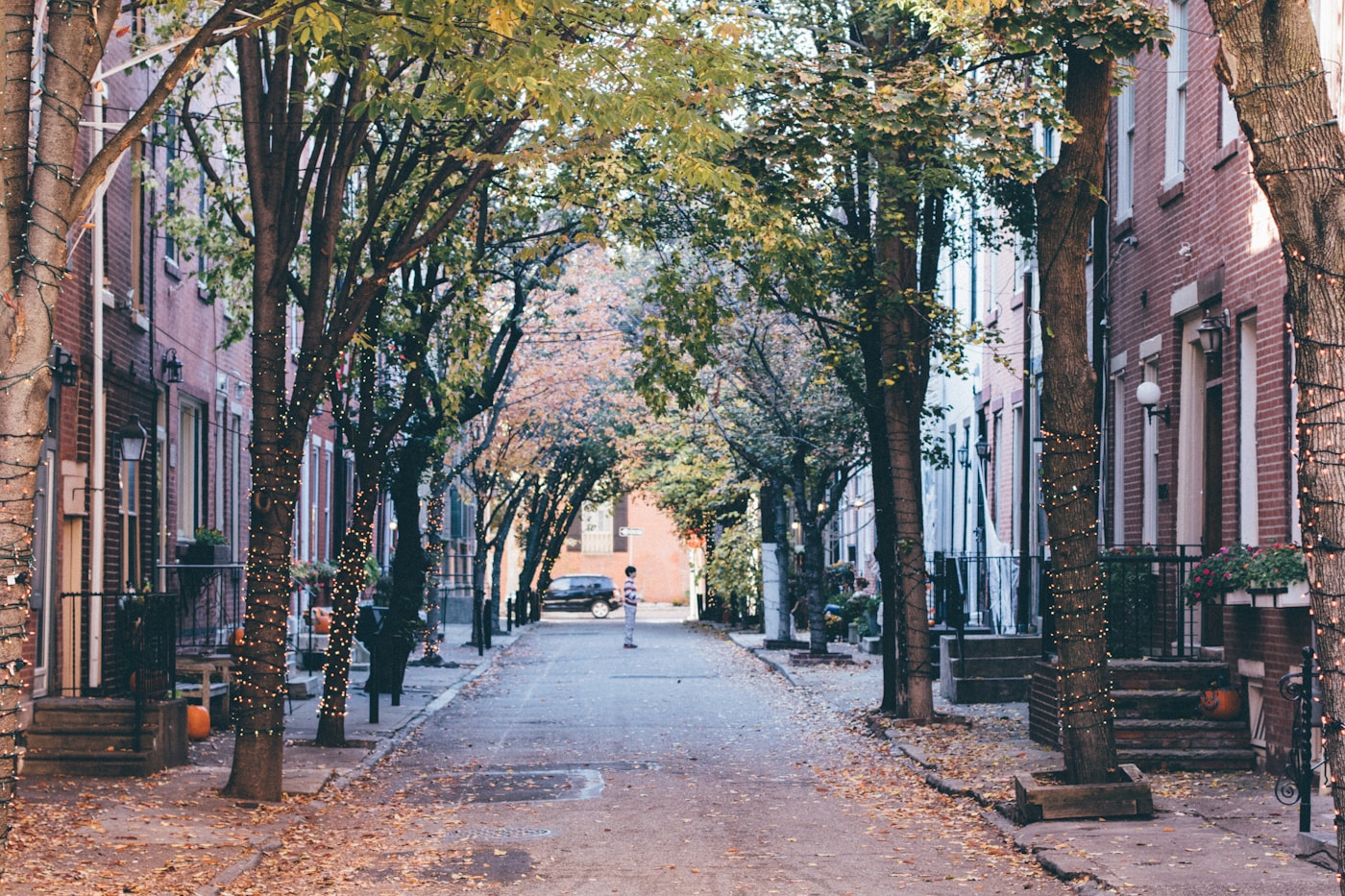
    Tree-lined rowhome street near Frankford Avenue in Philadelphia

    A Neighborhood Word, in a Neighborhood Restaurant

    Philadelphia’s Frankford Avenue corridor is exactly the kind of neighborhood the word describes: generations of families who know each other, new arrivals who get folded in fast, and food that reflects both. We wanted a name that sounded like it belonged there, not one imported from a franchise playbook.

    If you want the fuller story of how the restaurant itself came together, our About Us page has the details. And if this is your first time hearing about us, the easiest way to understand what “paisa” means to us in practice is to see it on a plate — head to our online menu and order something.

    Frequently Asked Questions

    What does “paisa” mean in Spanish?
    It’s a short, informal form of paisano, meaning someone from your own country, hometown, or region — roughly “countryman” or, in everyday Mexican Spanish, “buddy.”
    Is “paisa” the same as “paisano”?
    Yes. Paisa is simply the shortened, more casual version of paisano, used the same way in everyday conversation.
    Does “paisa” mean the same thing in Colombia and Mexico?
    No. In Mexico it’s informal slang for a friend or fellow countryman. In Colombia, it specifically refers to someone from the Paisa Region around Medellín and Antioquia.
    Is it rude to call someone “paisa”?
    Not on its own. Among friends or people who share the background it describes, it’s warm and familiar. Said mockingly by an outsider, it can come across as disrespectful — context and tone decide.
    Why is it called Paisa’s Pizza?
    Because the name captures exactly what we wanted the restaurant to feel like: a neighborhood spot where pizza and Mexican food both feel like home cooking, and every customer gets treated like a regular.
    Is “paisa” the same word as the Indian currency unit?
    No. That’s an unrelated word with the same spelling — a small coin worth 1/100th of a rupee in India, Nepal, Pakistan, and Bangladesh. It has a completely different origin from the Spanish paisa this article is about.

    Ready to taste what “paisa” means to us?

    Order Online →