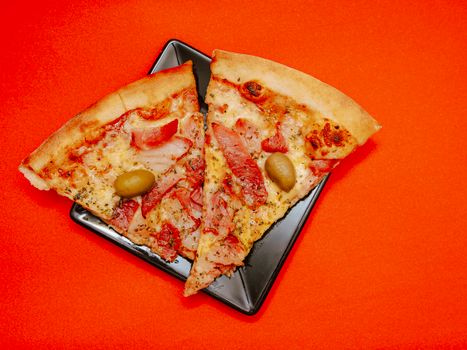
If you’ve searched “what is on a supreme pizza,” the short answer is: more than any other pizza on the menu, and usually a mix of meat, vegetables, and olives. The longer answer is that “supreme” isn’t a fixed recipe — it’s a category, and what’s actually on one depends on where you order it.
Here’s what a supreme pizza typically includes, why the toppings vary so much between pizzerias, and what to know before you order one.
What’s Usually On a Supreme Pizza
Across most pizzerias, a supreme pizza combines multiple meats with a handful of vegetables and olives, all finished with cheese and tomato sauce. The most common combination includes pepperoni, sausage, and sometimes ham for the meat component, paired with mushrooms, onions, and green peppers for vegetables, and black olives on top.
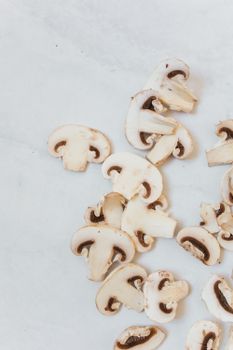
The idea behind a “supreme” isn’t a specific recipe so much as a philosophy: take the most popular individual toppings across the whole menu and put them all on one pizza. That’s also why it tends to be one of the more expensive options — more toppings generally means a higher price.
Why Supreme Toppings Vary So Much by Pizzeria
Unlike a Margherita or a plain cheese pizza, “supreme” has never had one universal definition. Ooni’s own supreme pizza recipe leans into that flexibility, building the pie around whatever combination of meats, vegetables, and olives the cook wants to load on — there’s no single “correct” version, just a shared idea of what “loaded” means.
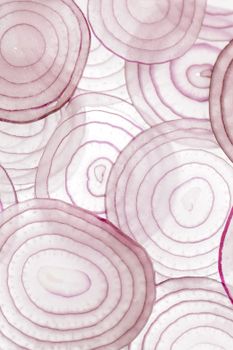
Some chains lean heavier on meat, others load up on vegetables, and the olive choice alone (black vs. green, or both) changes the whole flavor profile. One pizzeria’s own breakdown of the format makes the same point — supreme is really a category of “everything” pizzas rather than one fixed recipe, which is exactly why the answer changes depending on which restaurant you ask.
The Core Ingredients, Broken Down
| Category | Common Choices | What It Adds |
|---|---|---|
| Meat | Pepperoni, Italian sausage, ham | Savory, salty richness |
| Vegetables | Mushrooms, onions, green peppers | Texture and freshness against the meat |
| Olives | Black, sometimes green | Briny contrast to cut through the richness |
| Base | Mozzarella, tomato sauce | Ties everything together |
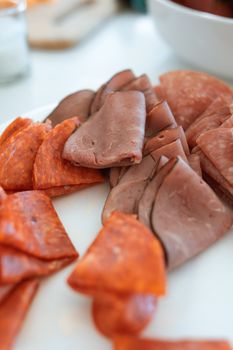
That combination isn’t random — it’s built to hit multiple flavor categories at once. Salty meat, fresh vegetables, and briny olives cover more ground than any single-topping pizza can, which is part of why “supreme” tends to be the pick when you can’t decide between a meat pizza and a vegetable one.
It also means every slice can taste slightly different depending on where the toppings landed during baking. That’s normal for a loaded pizza and not a sign anything went wrong — a plain cheese pizza is consistent slice to slice specifically because there’s nothing to distribute unevenly in the first place.
Supreme vs. a Single-Topping Pizza
| Supreme Pizza | Single-Topping Pizza | |
|---|---|---|
| Flavor variety | High — meat, vegetables, and olives in one bite | Low — one consistent flavor throughout |
| Best for | Groups with mixed preferences | Someone with a clear favorite |
| Typical price | Higher, due to more toppings | Lower |
| Predictability | Varies by pizzeria | Consistent everywhere |
That last row matters more than people expect. Order a plain cheese or pepperoni pizza anywhere and you know roughly what you’re getting. Order a “supreme” and the actual toppings can genuinely differ from one pizzeria to the next — which is exactly why so many people search for what’s actually on one before ordering.
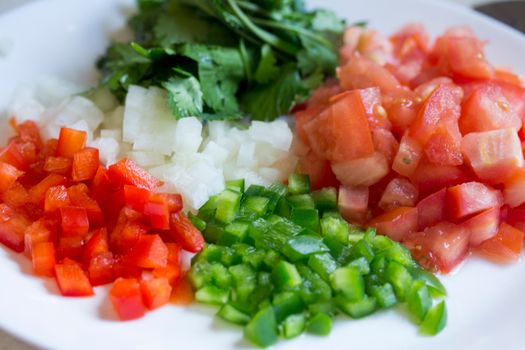
Our Supreme Pizza
We make a Supreme Pizza here at Paisa’s Pizza, built the same way — a hearty mix of toppings rather than a single flavor. Since the exact lineup can shift with what’s freshest that day, the most reliable way to know exactly what’s going on your pie is to call (215) 904-7353 and ask what’s on today’s Supreme.
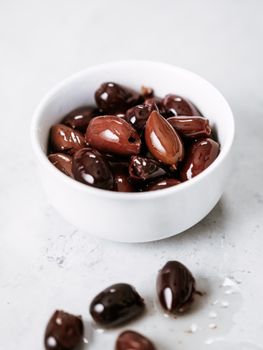
If you already know you want a specific combination rather than the full loaded version, our Meat Lovers Pizza leans purely into the protein side, while our Plain Pizza strips things back to just cheese and marinara if you’d rather skip toppings altogether.
Where “Supreme” Actually Comes From
Unlike toppings with a clear regional origin — Hawaiian pizza’s pineapple, or a Neapolitan Margherita — “supreme” doesn’t trace back to one specific place or tradition. The earliest known “Supreme Pizza” appears at an Illinois restaurant back in 1953, topped simply with sausage, peppers, and mushrooms. Shakey’s, one of America’s first pizza chains, was marketing a “Pizza Supreme” by 1959.
The version most people picture today took shape later, when Pizza Hut popularized its own Supreme in the late 1970s, built around pepperoni, sausage, mushrooms, green pepper, and onion. That combination stuck, which is a big part of why “supreme” still tends to mean roughly the same thing decades later, even without ever becoming an official standard.
How to Decide If Supreme Is Right for You
Supreme makes the most sense in a couple of specific situations: when you’re ordering for a group with different topping preferences, or when you genuinely can’t choose between a meat pizza and a vegetable one. In both cases, getting a little of everything solves the problem better than picking just one direction.
It’s a worse fit if you have a strong dislike for any single component — olives being the most common one people either love or leave on the box. If that’s you, a more specific pizza built around what you actually want is usually the better call than a loaded one you’ll be picking toppings off of.
It’s worth asking yourself one more question before ordering: are you craving variety within a single slice, or would you rather each slice taste consistent from edge to edge? A supreme rewards the first preference. If you’d rather know exactly what you’re getting in every bite, a single-topping pizza still does that job better, no matter how well-built the loaded version is.
Frequently Asked Questions
- What is on a supreme pizza?
- Most commonly pepperoni, sausage, and sometimes ham, along with mushrooms, onions, green peppers, and black olives, on a cheese and tomato sauce base.
- Is a supreme pizza the same at every pizzeria?
- No — “supreme” describes a loaded, multi-topping category rather than one fixed recipe, so the exact toppings vary by pizzeria.
- What’s the difference between a supreme and a meat lovers pizza?
- A meat lovers pizza focuses purely on multiple meats, while a supreme balances meat with vegetables and olives for more variety in each bite.
- Does supreme pizza always have olives?
- Olives are common on most supreme pizzas, typically black, though some versions use green olives or both.
- Is supreme pizza more expensive than other pizzas?
- Usually, since it includes more toppings than a single-topping or plain cheese pizza.
- What’s on the Supreme at Paisa’s Pizza?
- Call (215) 904-7353 to confirm today’s exact topping lineup.
- Is supreme pizza good for a group order?
- Yes — it’s one of the better choices when a group has mixed topping preferences, since it covers meat, vegetable, and olive flavors in one pizza.
- Where did supreme pizza come from?
- The earliest known “Supreme Pizza” appeared at an Illinois restaurant in 1953. Pizza Hut popularized the version most people recognize today in the late 1970s.
- Can I customize a supreme pizza and remove toppings I don’t like?
- Call (215) 904-7353 to ask about adjusting the topping lineup on your order.
Ready to order? Ask what’s on today’s Supreme.