“Pizza” isn’t really one dish. New York, Chicago, and Naples have all built such different versions of it that a person who loves one style can genuinely dislike another — different crust, different assembly, even a different way of eating it entirely.
Here’s what actually separates the three, and why the style we make here follows one of them specifically.
None of these differences are cosmetic. Crust thickness, cheese type, cook time, and even how the toppings get layered all change based on what problem each style was originally built to solve — and once you know what those problems were, the differences stop feeling random.
New York Style: Thin, Foldable, Built to Travel
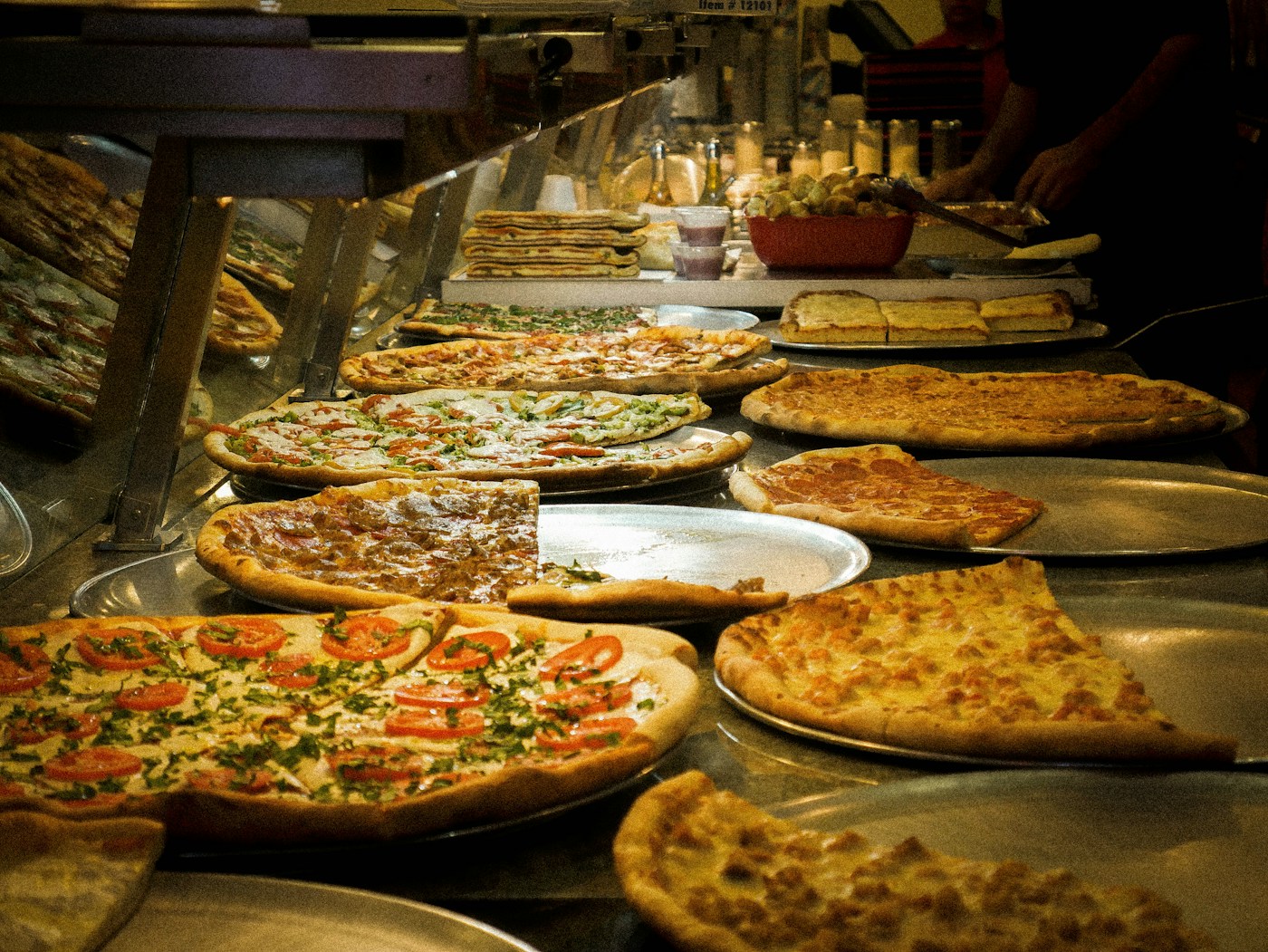
New York-style pizza is defined by a thin, hand-tossed crust that’s sturdy enough to fold in half without cracking — the iconic “New York fold” exists because the crust is engineered to allow it. The pies are large, typically cut into eight wide slices, with sauce applied first in a thin layer, then topped with grated low-moisture mozzarella rather than fresh mozzarella slices.
That low-moisture cheese choice isn’t an accident. It melts evenly without releasing much water onto the crust, which is exactly what keeps a New York slice from turning soggy by the time it’s folded and eaten on the walk somewhere. The whole style is built around portability as much as flavor.
Lombardi’s, opened in New York City in 1905, is traditionally credited as the first licensed pizzeria in the United States, even though pizza historians have since found evidence of earlier unlicensed pizza sellers in the same neighborhood. Whoever actually served the first slice, the style that developed out of that era — hand-tossed, coal or gas-fired, built for a working city that ate standing up — is the one that spread across the country and became most people’s default idea of “pizza.”
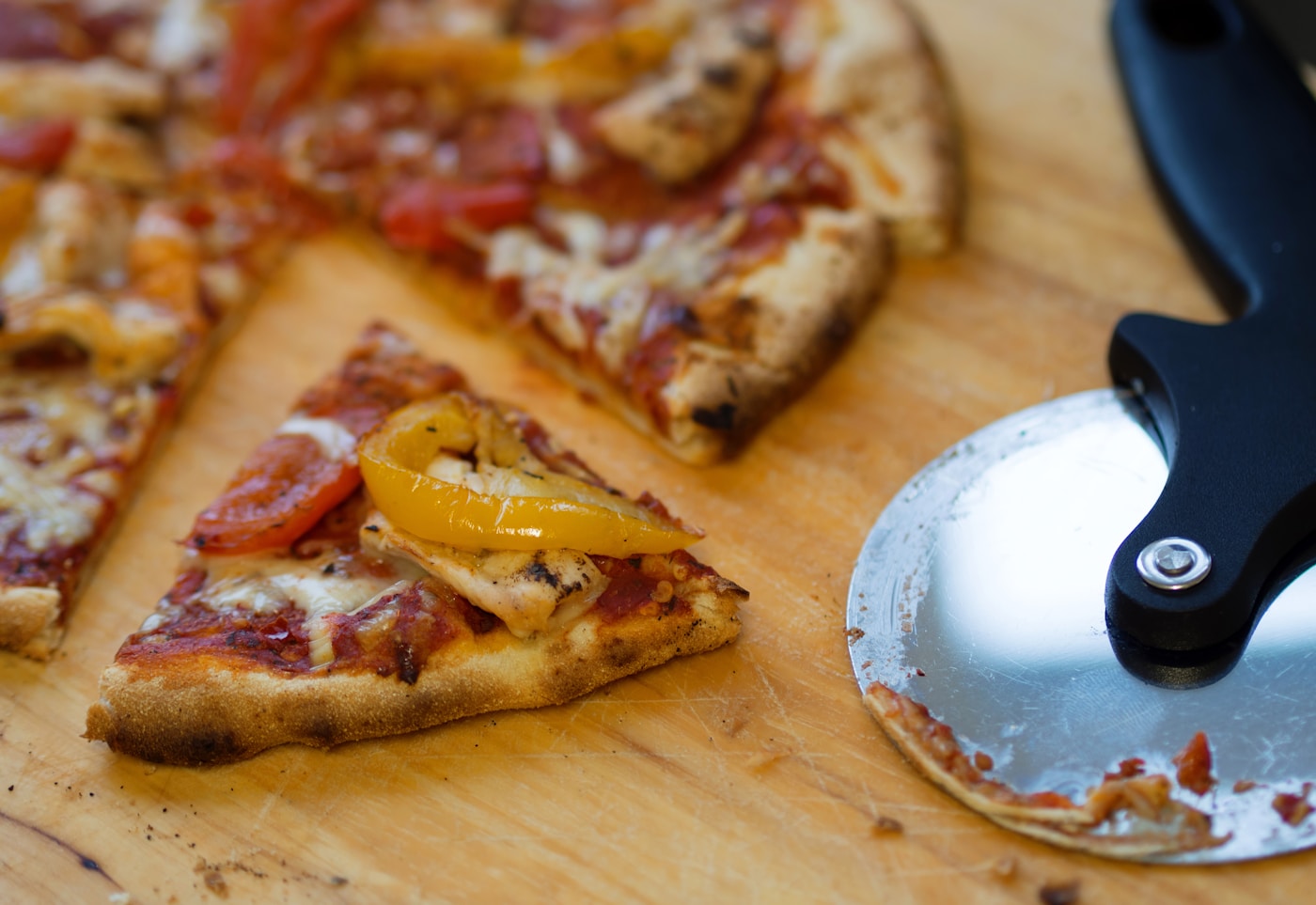
Even the cut reflects the style’s priorities. A rolling wheel cutter slices straight through in a few passes, producing wide triangular slices meant to be picked up by the crust end and folded — a completely different cutting approach than the small party-cut squares sometimes used for thicker, more casual styles.
Chicago Deep Dish: More Casserole Than Pizza
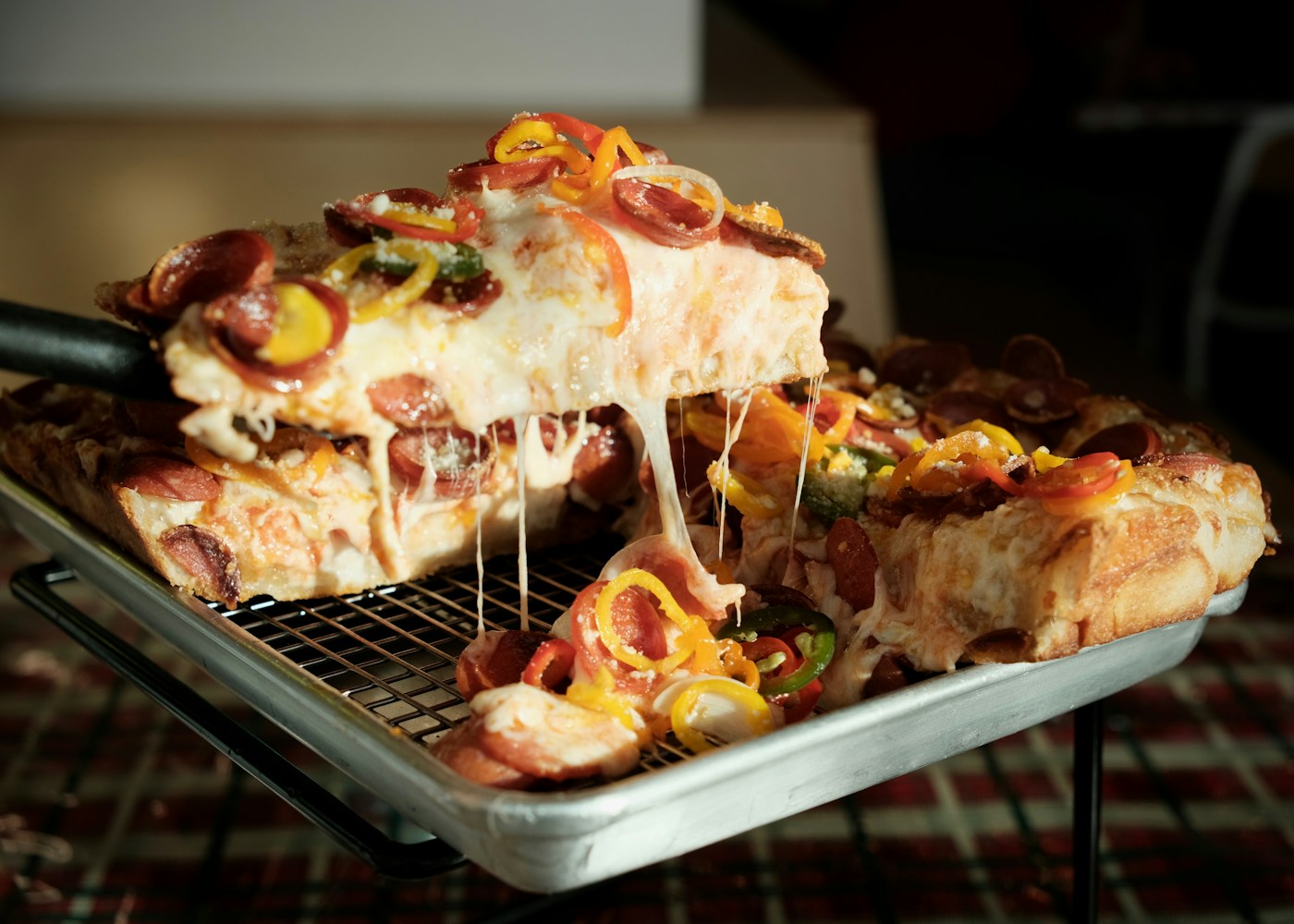
Chicago deep dish flips almost every part of that formula. The crust is thick, pressed up the sides of a deep, round pan rather than rolled flat, creating a bowl-like base that can hold significantly more filling than a thin crust ever could.
The assembly order is reversed too: cheese goes down first, directly on the dough, followed by meat and vegetable toppings, and only then a layer of chunky tomato sauce on top. That reversed structure keeps the cheese from burning during the much longer bake time a deep dish requires. It’s dense enough that it’s normally eaten with a fork and knife, not by hand.
The style traces back to Pizzeria Uno, which opened in Chicago in 1943. The founding story is genuinely disputed — co-founder Ike Sewell is usually named as the inventor, but some food historians credit his partner Ric Riccardo, who reportedly found a pizza oven and cast iron pans already sitting in the building when they took it over. Either way, what came out of that kitchen looked nothing like the thin pies already being served in New York, and it’s been its own distinct category ever since.
Neapolitan: The Original, Bound by Strict Rules
Neapolitan pizza is where the entire category started, and it’s the only one of the three with an actual certifying body policing what counts as authentic. The Associazione Verace Pizza Napoletana (AVPN) sets specific requirements: a wood-fired oven heated to between 900°F and 1,000°F, a cook time of no more than 60 to 90 seconds, and a dough made from just four ingredients — flour, water, salt, and yeast.
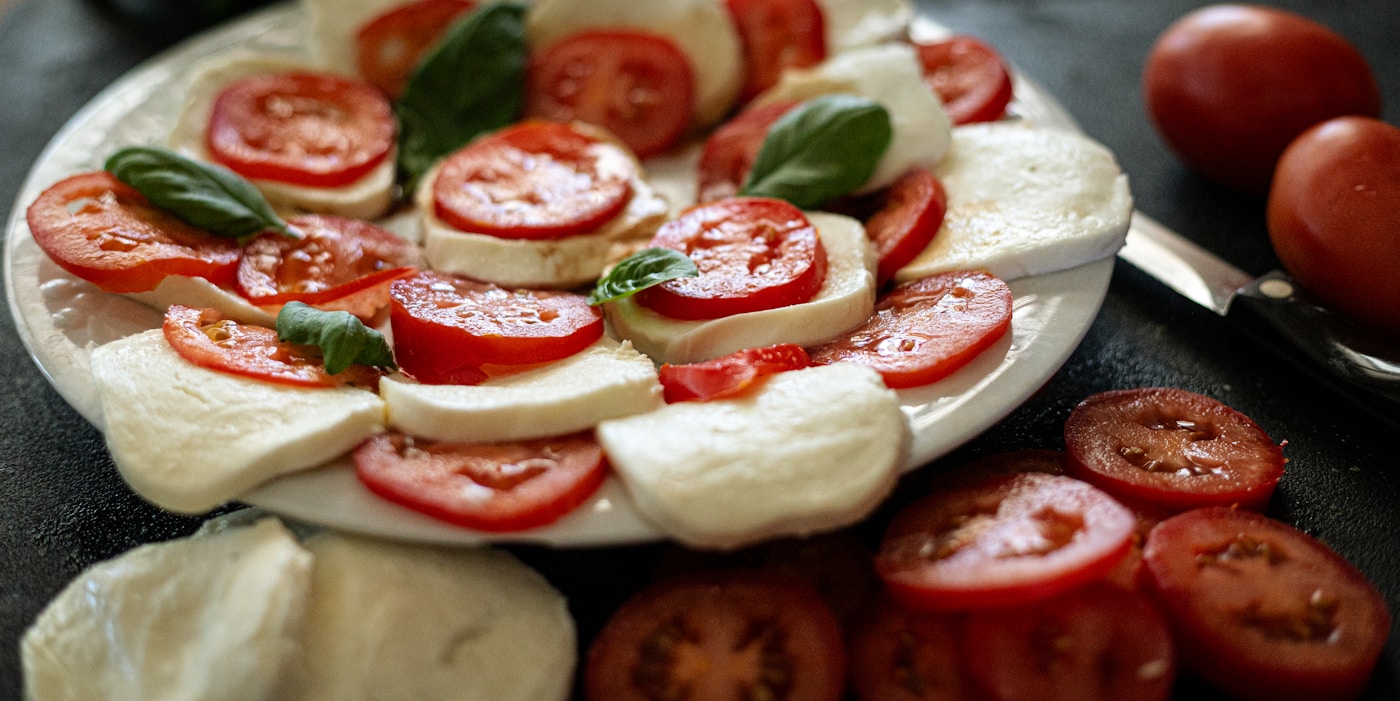
The toppings are just as regulated. True Neapolitan pizza uses only San Marzano DOP tomatoes or Vesuvius IGP cherry tomatoes, along with fresh fior di latte or buffalo mozzarella. According to the AVPN’s official international regulations, pizzerias can actually apply for certification and send staff through a training program to make the style according to spec.
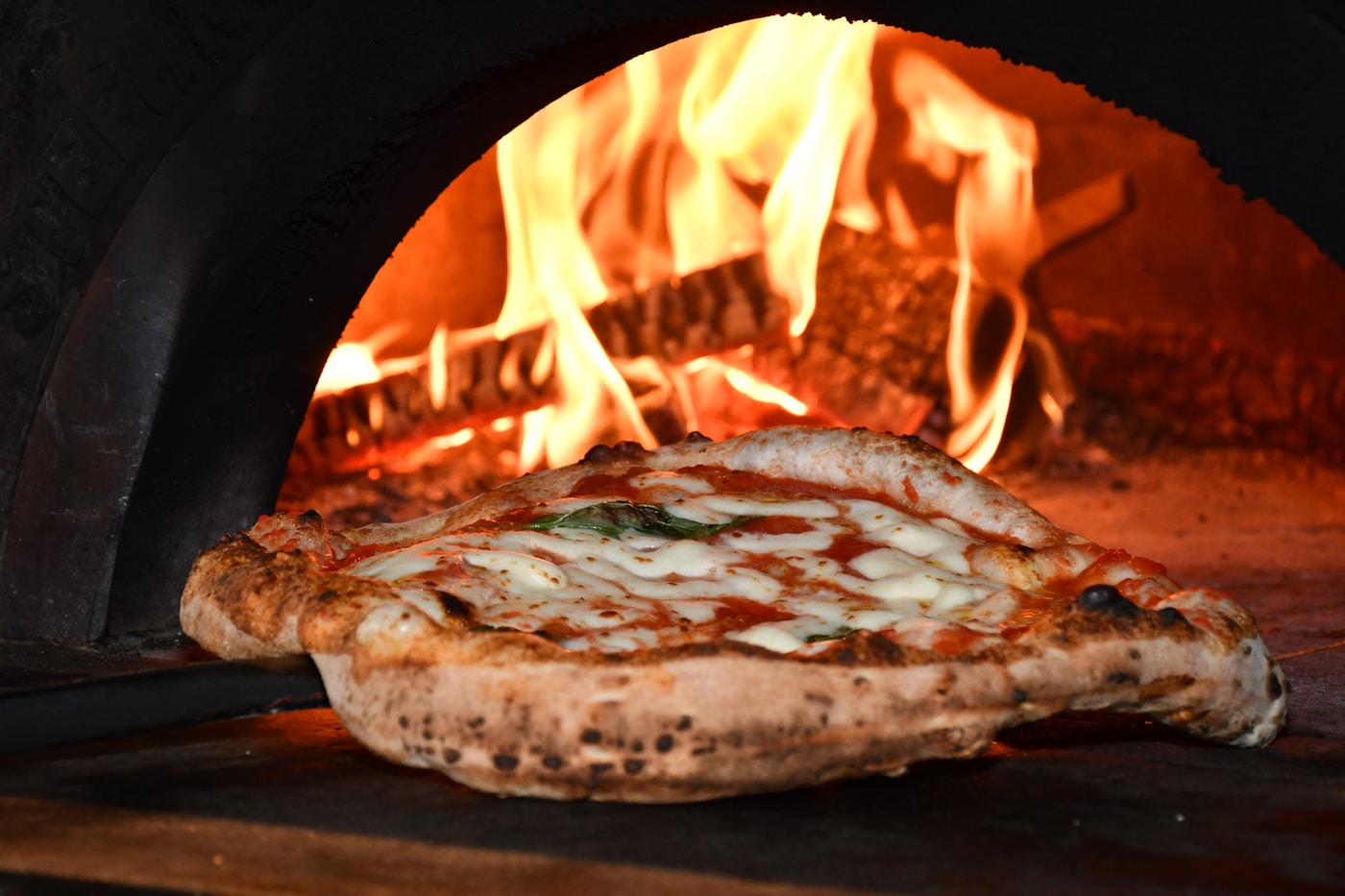
The result of all those rules is a small, individual-sized pizza with a thin center, a puffy charred crust, and a soft, almost floppy texture that’s meant to be eaten with a fork right away — it doesn’t hold up to folding or delivery nearly as well as a New York slice does.
That 60-to-90-second cook time is the detail that explains everything else about the style. An oven that hot cooks the crust and toppings almost instantly, which is why the pizza stays soft in the center instead of drying out — there simply isn’t enough time in the oven for the crust to fully firm up the way a longer bake would. It’s also why true Neapolitan pizza is really a restaurant dish, not a delivery one: the whole appeal depends on eating it within minutes of it leaving that oven.
Side-by-Side Comparison
| New York | Chicago Deep Dish | Neapolitan | |
|---|---|---|---|
| Crust | Thin, foldable | Thick, pressed up pan sides | Thin center, puffy charred edge |
| Assembly | Sauce, then cheese | Cheese, then toppings, then sauce | Sauce and fresh mozzarella, minimal toppings |
| Cheese | Low-moisture mozzarella | Multiple layers, often mozzarella-heavy | Fresh fior di latte or buffalo mozzarella |
| Cook Method | Deck oven, several minutes | Deep pan, 30-45 minutes | Wood-fired, 60-90 seconds |
| How It’s Eaten | By hand, folded | Fork and knife | Fork, eaten fresh and hot |
Why We Make New York Style
We build our pizza around the New York approach specifically because it’s meant to travel. A pie that’s designed to be folded and eaten on the move holds up far better to a delivery box than a Neapolitan pizza built to be eaten within minutes of leaving a 900-degree oven, or a deep dish that needs 30-plus minutes just to bake in the first place.
You can see that in our own lineup: a Plain Pizza built on the classic thin, foldable crust, a Meat Lovers Pizza loaded the same way, and our White Ricotta Cheese Pizza for anyone who wants the New York crust without the red sauce.
That’s really the practical takeaway if you’re choosing a style for a delivery order rather than a sit-down restaurant meal: New York-style isn’t just one option among three equally good choices. It’s specifically the one engineered to still taste right by the time it reaches your door, which is exactly the problem a pizza delivery kitchen has to solve first.
Frequently Asked Questions
- What makes New York pizza different from other styles?
- A thin, hand-tossed crust sturdy enough to fold, sauce applied before cheese, and low-moisture mozzarella that keeps the slice from getting soggy.
- Why is Chicago deep dish assembled backwards?
- Cheese goes down first, then toppings, then sauce on top — that order protects the cheese from burning during the much longer bake time a deep dish requires.
- Is there an official standard for Neapolitan pizza?
- Yes. The AVPN certifies pizzerias that follow specific rules, including oven temperature, cook time, and ingredients like San Marzano tomatoes and fresh mozzarella.
- Which style travels best for delivery?
- New York style. It’s specifically built to stay sturdy and foldable, unlike deep dish, which is heavy and slow to reheat, or Neapolitan, which is meant to be eaten within minutes of coming out of the oven.
- Does Paisa’s Pizza make Neapolitan or deep dish pizza?
- No, our menu is built entirely around New York-style pizza — thin, foldable, and made for delivery.
Taste the style built for delivery, done right.