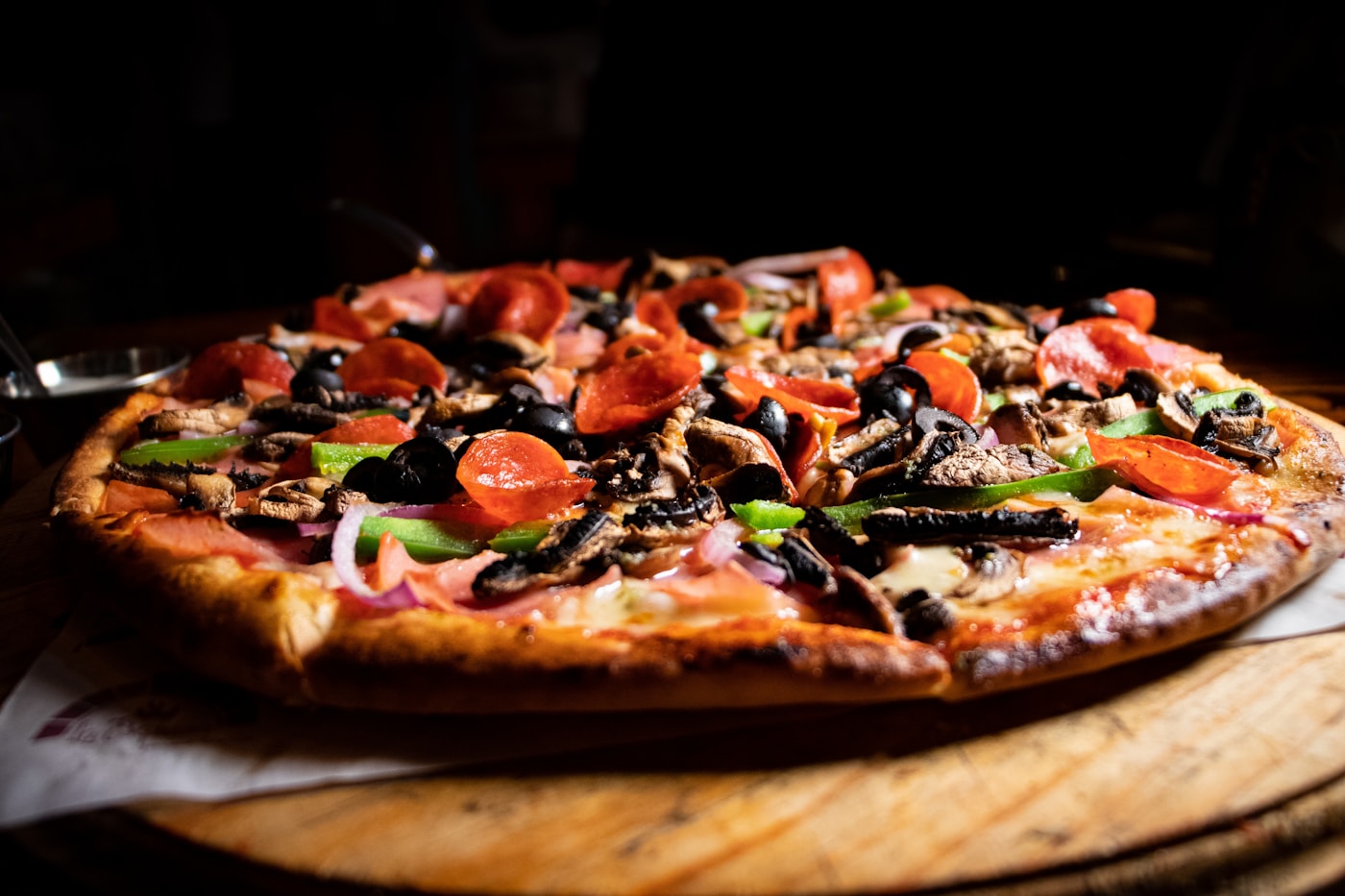
“Supreme” is one of the most-ordered pizzas in the country, and also one of the vaguest names on the entire menu. Unlike “pepperoni” or “mushroom,” it doesn’t tell you what’s actually on it — you just have to know, or trust that the kitchen’s version matches what you’re picturing.
Here’s what a supreme pizza actually includes, where the name likely came from, and what to order here if you’re craving one — because we should say upfront: we don’t have a pizza on our menu called “Supreme.”
That’s not us dodging the question. It’s actually a useful starting point, because once you understand what “supreme” is really describing, it becomes obvious that it’s less a specific recipe and more a category — one that any loaded, multi-topping pizza can fit into, whatever it happens to be called on a given menu.
What’s Actually On a Supreme Pizza
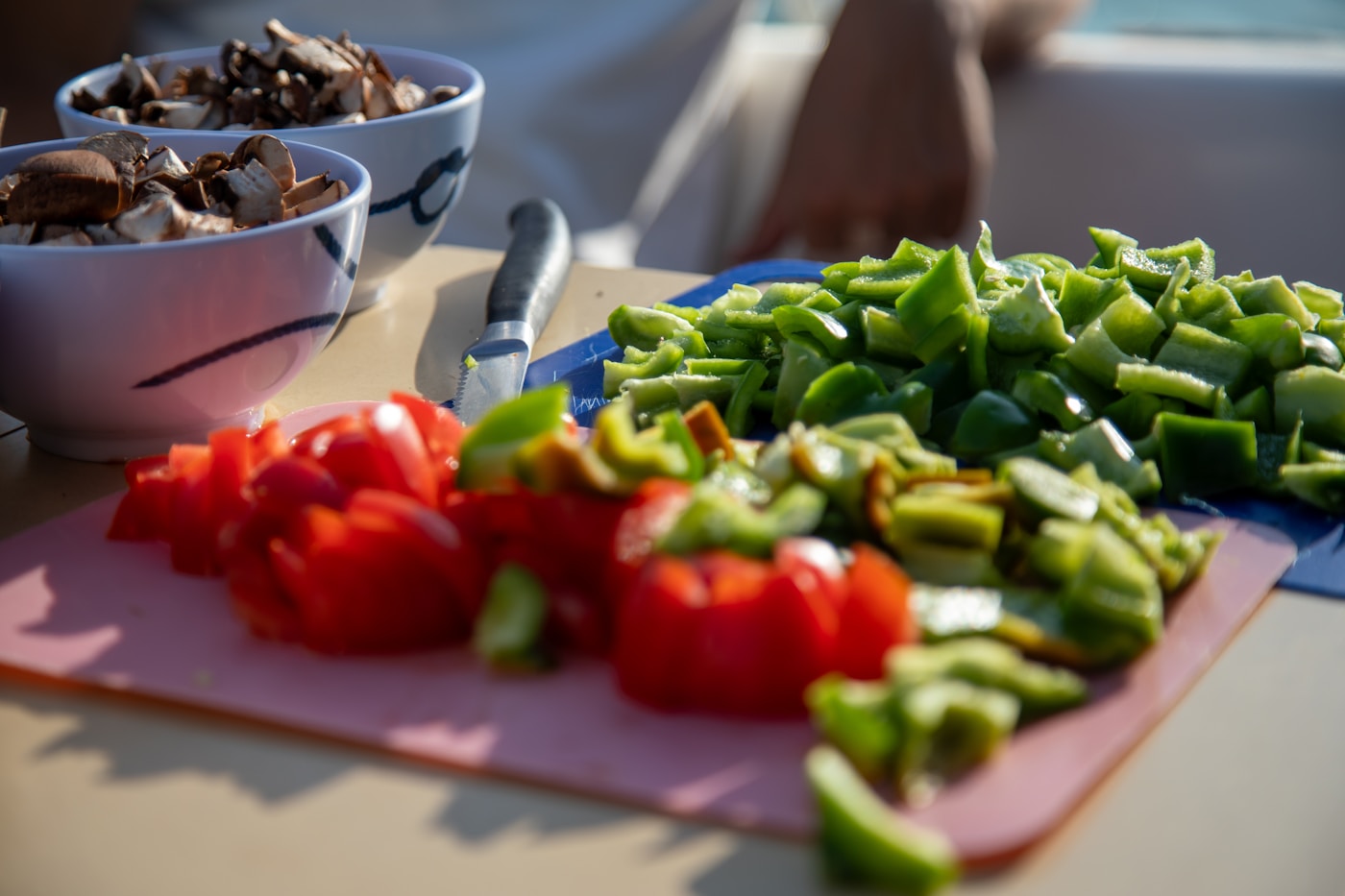
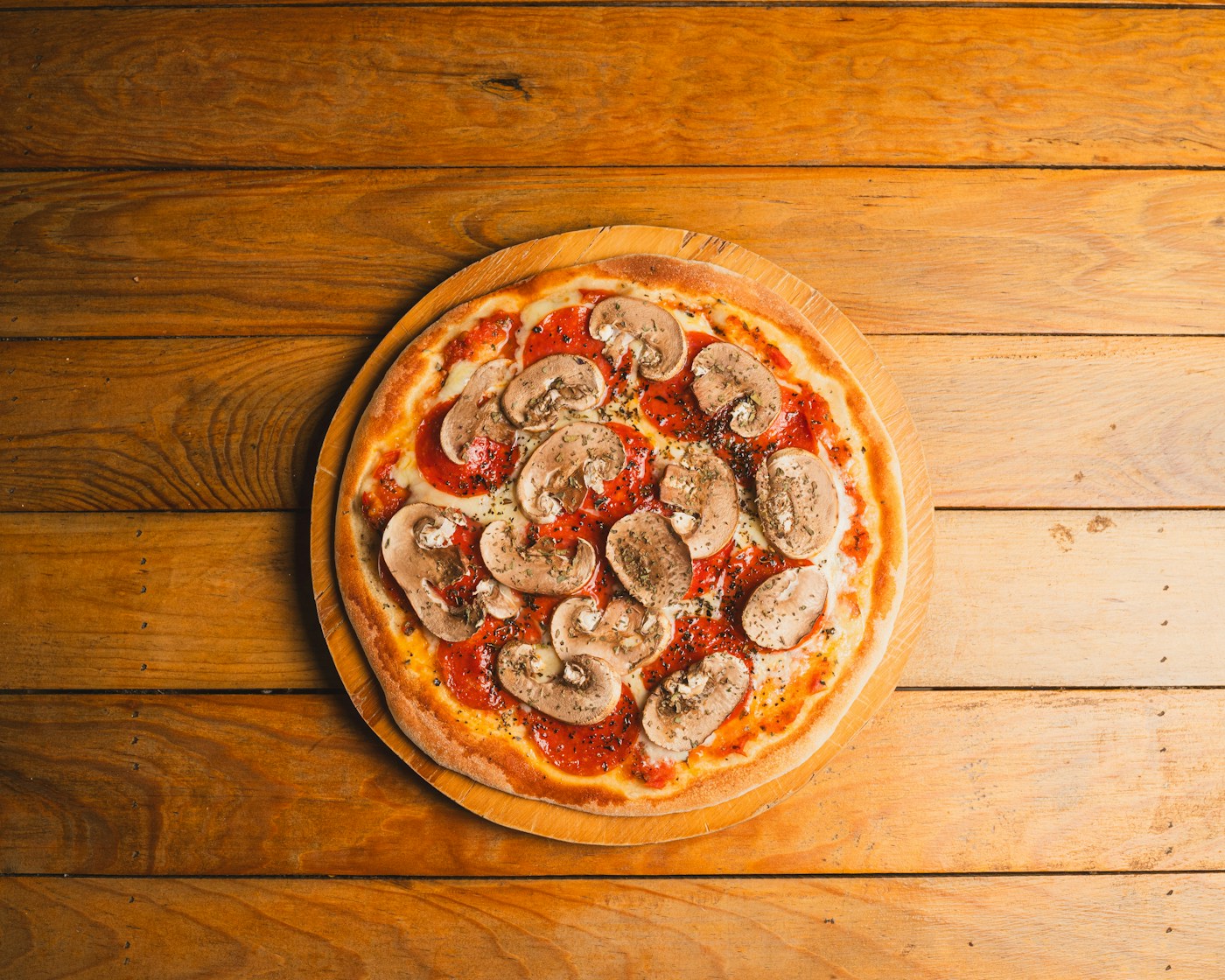
Strip away the regional variations and most supreme pizzas come down to five core toppings: pepperoni, sausage, green bell peppers, onions, and mushrooms. Some versions add black olives; a few chains throw in ground beef or extra cheese.
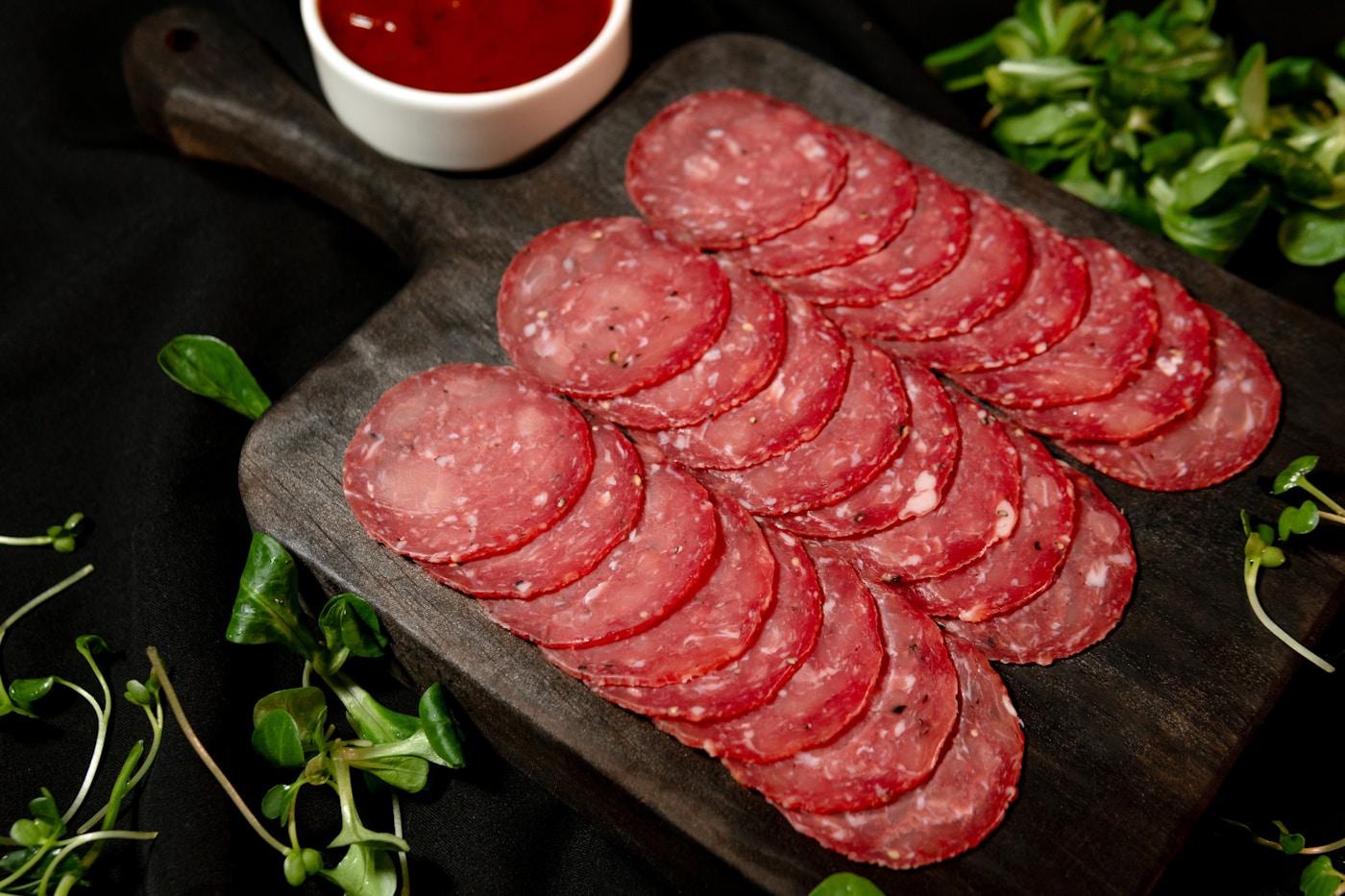
Pepperoni and sausage aren’t interchangeable, even though both are cured meats. Pepperoni is thin-sliced and crisps at the edges in the oven, while sausage is usually crumbled or laid in small chunks, adding a heartier, coarser texture next to the thinner pepperoni rounds. Having both on the same pie is part of what gives a loaded pizza its range — two different meat textures instead of just one repeated.
The logic behind the combination is straightforward. The meats (pepperoni and sausage) provide richness and salt. The vegetables (peppers, onions, mushrooms) add freshness, crunch, and a slightly earthy contrast. Together, it’s built to give you a little of everything in one order, rather than making you commit to a single flavor direction.
That balance is really the whole point of the category. A pepperoni pizza is one flavor turned up; a vegetable pizza is another. Supreme is meant to sit in the middle, pulling from both directions so nobody at the table has to compromise. It’s less a specific recipe than a strategy for pleasing a group with mixed preferences in a single order.
Where the Name Actually Came From
Here’s the honest answer: nobody can point to one definitive inventor. According to Food Blog Alliance’s breakdown of the supreme pizza, its exact origins are murky, with multiple pizzerias and chains claiming credit over the years. What’s clearer is roughly when it emerged: sometime in the mid-20th century, as pizzerias looked for a way to offer a complete, loaded experience without making customers build a custom order topping by topping.
That’s really what “supreme” describes — not a specific dish with one true origin story, but a category. It’s the pizza equivalent of ordering “the works,” and different kitchens have filled in the details slightly differently ever since.
The name itself makes sense once you think about it that way. “Supreme” doesn’t reference an ingredient or a place, the way “Hawaiian” or “New York-style” do — it’s a marketing word, chosen to signal that this is the biggest, most complete option on the menu. That’s also why it tends to sit near the top of the price list wherever it shows up: more toppings, positioned as the premium choice.
Why It Varies So Much From Place to Place
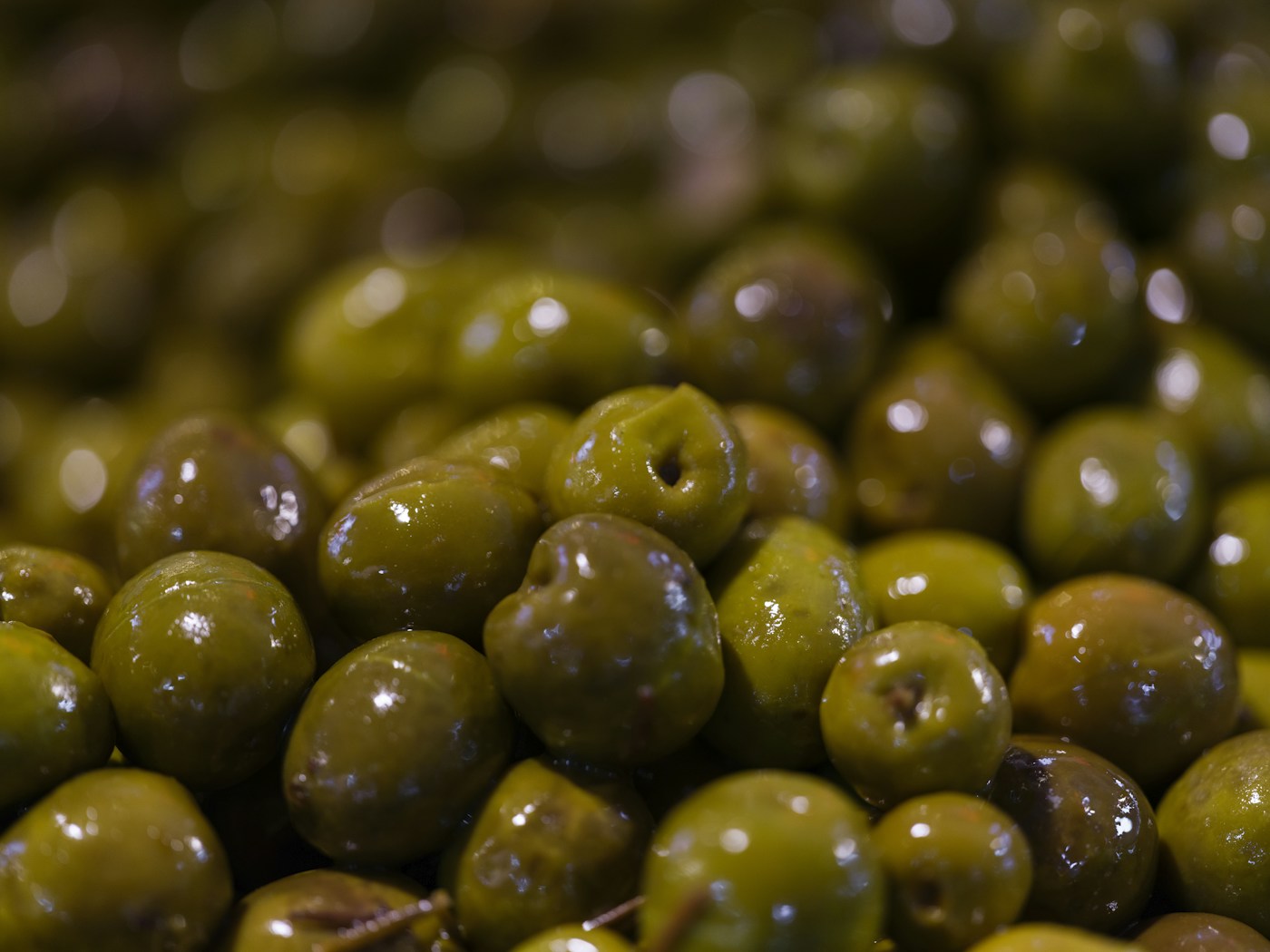
Because “supreme” was never standardized by any single company or region, it evolved more like a folk recipe than a fixed formula. One pizzeria’s supreme might lean heavily on meat; another’s might be mostly vegetables with a light scattering of pepperoni. Some include olives as a default; others treat them as optional.
That inconsistency is exactly why so many people search to double-check what’s actually on one before ordering — there’s no universal answer, only a general pattern that most versions loosely follow.
It’s a similar situation to ordering a “loaded” burger or a “everything” bagel: the name signals an intent (give me a lot, give me variety) rather than a locked ingredient list. Chains with hundreds of locations have more incentive to standardize their version so it’s consistent store to store, but independent pizzerias generally build their own take based on what sells well locally and what ingredients they already stock for other menu items.
Supreme Pizza: Typical Composition
| Topping | Role | How Common |
|---|---|---|
| Pepperoni | Salty, savory base flavor | Nearly universal |
| Sausage | Heartier, richer meat component | Very common |
| Green Peppers | Fresh, slightly bitter crunch | Very common |
| Onions | Sharpness and bite | Very common |
| Mushrooms | Earthy, umami depth | Common |
| Black Olives | Briny, salty accent | Sometimes included |
“Supreme” Isn’t the Only Name for a Loaded Pizza
Part of the confusion is that “supreme” isn’t even the only word pizzerias use for this general idea. Different menus use different names for essentially the same concept — a pizza built to include a little of everything rather than one specific flavor:
| Menu Name | Typical Meaning |
|---|---|
| Supreme | Meat and vegetable mix, usually pepperoni, sausage, peppers, onion, mushroom |
| Deluxe | Similar loaded concept, often used interchangeably with “supreme” |
| The Works / Everything | Maximum toppings, sometimes even more items than a standard supreme |
| Meat Lovers | Multiple meats only, no vegetable toppings |
None of these names are governed by any official standard, which is exactly why the same word can mean slightly different things depending on where you’re ordering from. Knowing the general pattern — meat plus vegetables, aiming for variety — is more useful than memorizing one fixed definition.
Our Closest Match
We’ll be straightforward: nothing on our menu is called “Supreme.” What we do have is a Meat Lovers Pizza loaded with pepperoni and sausage — the two toppings that show up on nearly every supreme pizza, anywhere it’s served. It skips the vegetables in favor of going heavier on meat, so if you’re after that loaded, “everything” feeling without needing the pepper-and-onion side of things, it’s the nearest thing we offer.
Prefer something simpler as your base and want to build toward supreme-style flavor on your own terms? Our Plain Pizza gives you a blank canvas of cheese and sauce to start from, and our White Ricotta Cheese Pizza is worth a look too if you’d rather skip red sauce entirely.
And if part of what you’re after is deciding between meats rather than vegetables, our guide to Mexican meats covers a completely different set of protein options, in case pizza toppings aren’t the only thing on your mind tonight.
Frequently Asked Questions
- What toppings are on a supreme pizza?
- Most commonly pepperoni, sausage, green peppers, onions, and mushrooms, sometimes with black olives added.
- Who invented the supreme pizza?
- There’s no single agreed-upon inventor. Several pizzerias and chains have claimed credit over the years, and it likely developed gradually in the mid-20th century rather than being introduced by one company.
- Is supreme pizza the same everywhere?
- No. Because it was never standardized, toppings and proportions vary by pizzeria and region, though the same core five or six ingredients show up most often.
- Does Paisa’s Pizza have a supreme pizza?
- Not by that name. Our Meat Lovers Pizza covers the meat side of a typical supreme with pepperoni and sausage.
- What’s the difference between supreme and meat lovers pizza?
- Supreme typically mixes meat and vegetable toppings together. Meat lovers pizzas skip the vegetables entirely and focus on multiple meats instead.
- Is “deluxe” the same thing as “supreme”?
- Usually, yes. Both names generally describe the same category of loaded, multi-topping pizza, though the exact toppings can still vary from one menu to the next.
Craving a loaded pizza tonight?