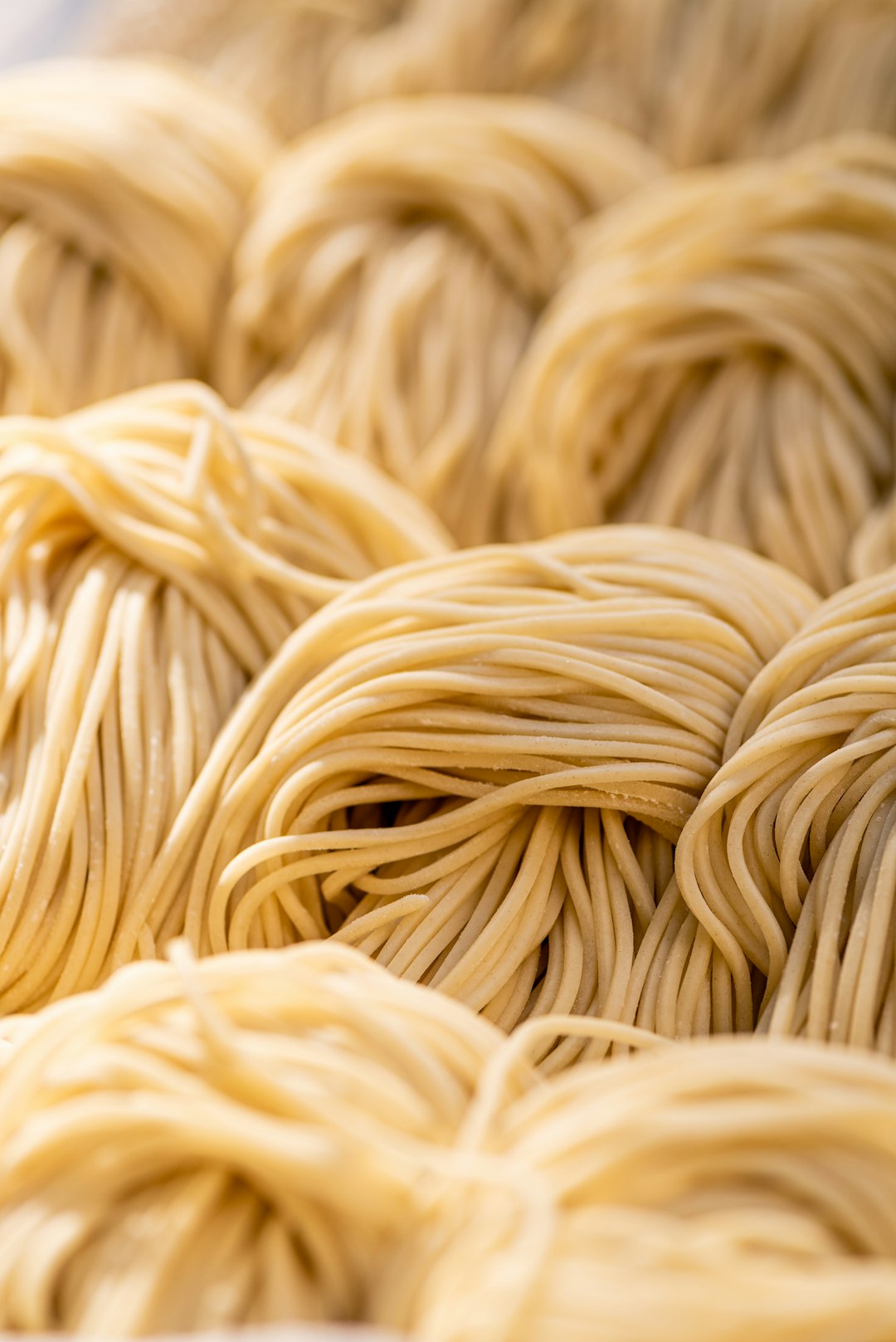
Classic Linguini and Creamy Linguini Alfredo start from the exact same noodle. Everything else about them — sauce, price, richness, even which country the sauce actually comes from — is different.
Here’s exactly what separates these two, what you’re really paying that extra $2.50 for, and how to decide which one you want tonight.
Our complete pasta guide covers all six pasta dishes we make. This is a closer look at just these two, since they share the same noodle and are the clearest red-sauce-versus-white-sauce decision on the whole menu.
Creamy Linguini Alfredo vs. Classic Linguini at a Glance
| Creamy Linguini Alfredo | Classic Linguini | |
|---|---|---|
| Sauce | Cream-based alfredo | Marinara |
| Noodle | Linguini | Linguini |
| Cheese or protein | None listed beyond the sauce | None |
| Price | $10.00 | $7.50 |
| Price gap | $2.50 — entirely the sauce | |
Classic Linguini: The Simple, Red-Sauce Version
The Classic Linguini is linguini pasta with marinara sauce, nothing else. It’s the more affordable of the two, and the more familiar red-sauce style most people picture when they think of a basic pasta order.
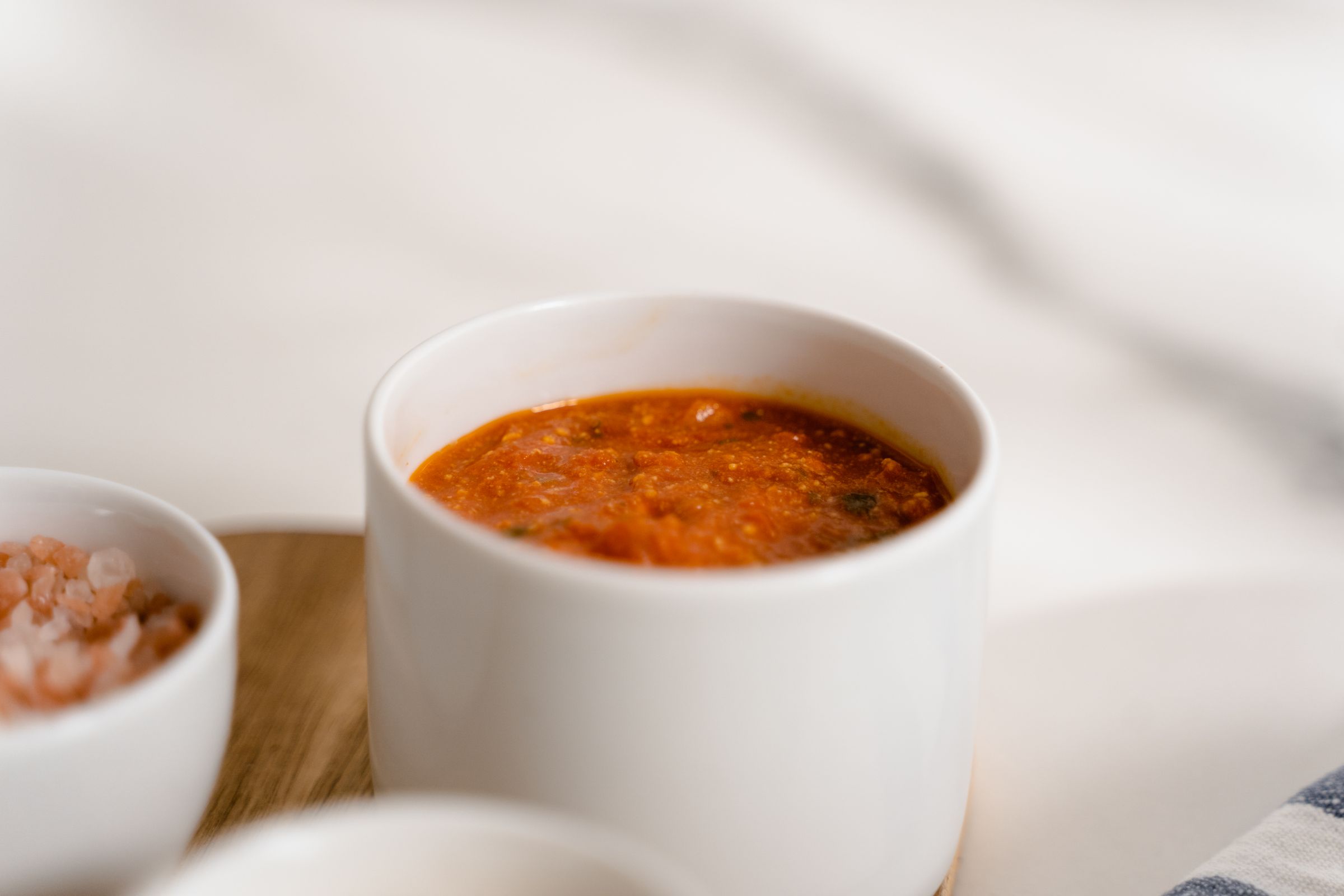
Marinara is a tomato-based sauce, which means Classic Linguini is naturally lighter than the Alfredo — there’s no cream, butter, or dairy fat weighing down the dish. If you want pasta without a rich, heavy finish, this is the more sensible order of the two.
Creamy Linguini Alfredo: The Rich, White-Sauce Version
The Creamy Linguini Alfredo is the same linguini, tossed in a cream-based alfredo sauce instead of marinara. It’s the only dish on our entire pasta menu that skips tomato sauce completely.
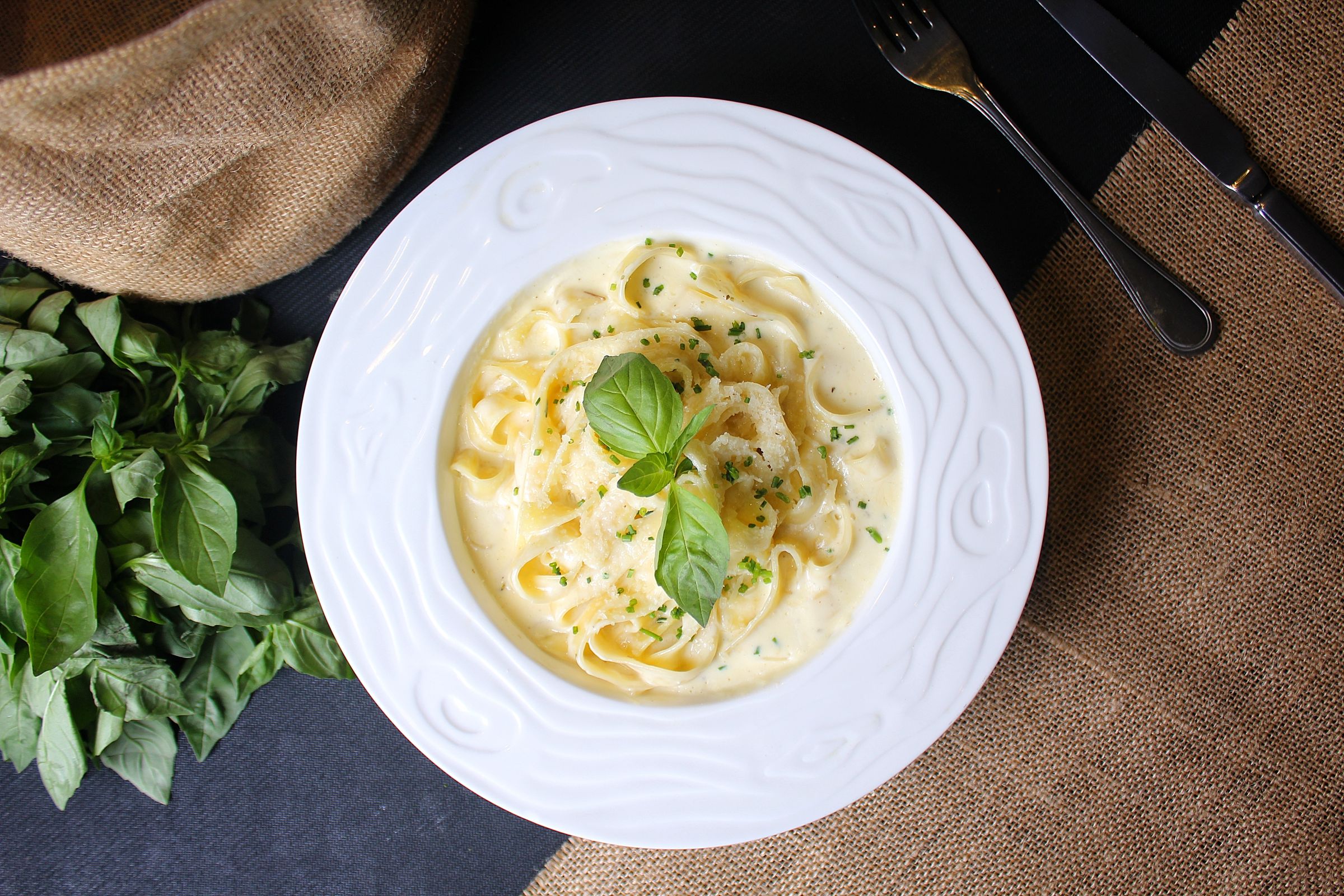
That switch from tomato to cream is the entire $2.50 price difference between these two dishes. Nothing else changes — same noodle, same portion concept, same lack of added protein. You’re paying specifically for the sauce swap, not for more food.
Where Alfredo Sauce Actually Comes From
Alfredo sauce has a real, documented origin, and it’s not what most American menus imply. According to Devour Tours’ history of fettuccine Alfredo, the dish was invented in Rome in the early 1900s by a restaurateur named Alfredo di Lelio, reportedly to help his wife regain her appetite after childbirth.
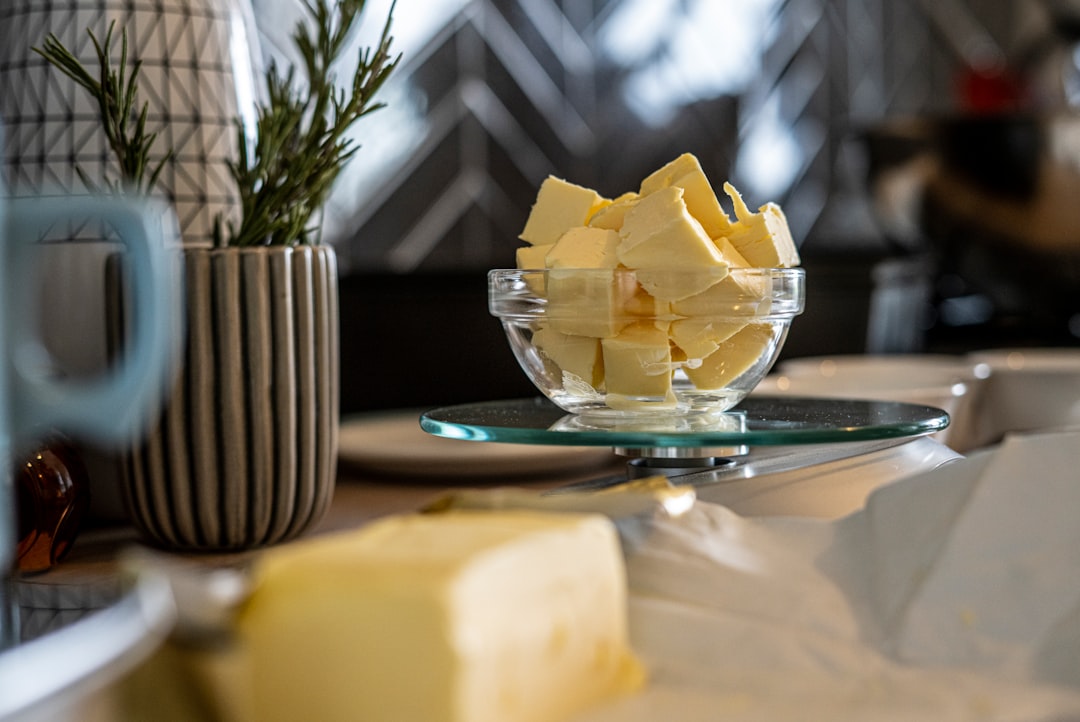
The original Roman recipe used just three ingredients: butter, Parmesan cheese, and pasta — no cream at all. The cream-based version most people know today, including the style used on our menu, is an American evolution of the dish, not the traditional Italian one.
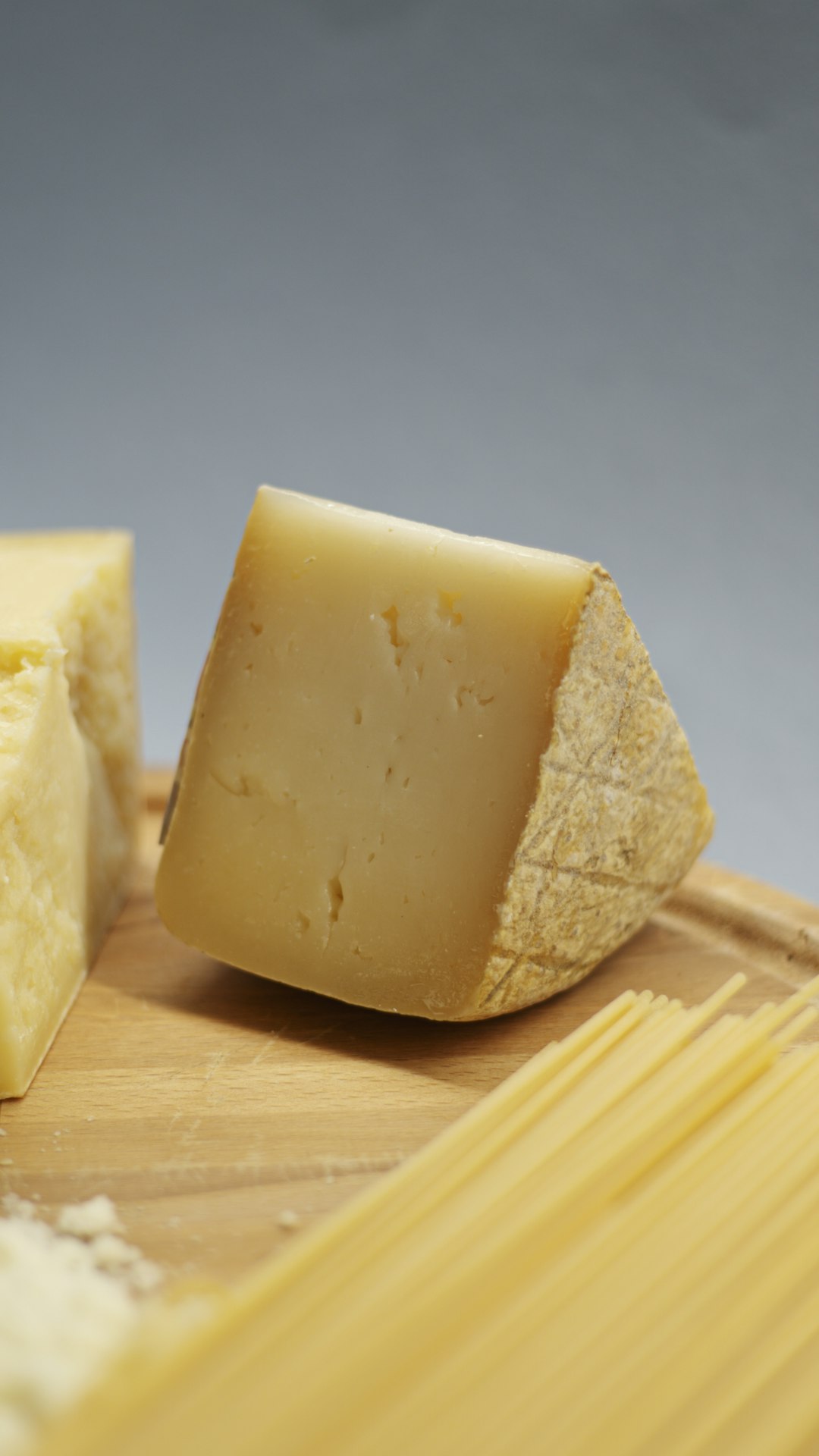
That’s a genuinely interesting fact if you assumed “Alfredo” meant the same thing everywhere — the rich, cream-heavy version most Americans grew up with is actually a departure from the original, not a faithful copy of it.
Same Noodle, Different Everything Else
It’s worth remembering that both dishes start from the identical linguini. Neither one changes the pasta itself — the entire experience of eating one versus the other comes down to what’s coating the noodle, not the noodle underneath it.
That makes this one of the more controlled comparisons on our menu, similar to how Classic Linguini compares to Classic Ziti — there, the noodle shape is the only variable; here, the sauce is the only variable. Both comparisons isolate a single factor so you know exactly what you’re choosing between.
Texture is the other real difference beyond flavor. Marinara is a thinner, looser sauce that coats the noodle without adding much bulk. Alfredo is thicker and clings more heavily, so a plate of Creamy Linguini Alfredo generally feels heavier in the mouth than the same amount of Classic Linguini, independent of portion size.
Red Sauce vs. White Sauce: The Bigger Picture
Marinara and Alfredo represent two entirely different traditions in Italian and Italian-American cooking, not just two flavor options. Marinara is built on tomatoes, garlic, and herbs simmered together — a technique that goes back centuries in southern Italian cooking. Alfredo, as the history above shows, is a much more recent, specifically Roman invention.
That difference in tradition shows up on the plate, too. Marinara-based dishes tend to taste brighter and more acidic, since tomatoes bring natural acidity to balance the dish. Cream-based dishes like Alfredo lean the opposite direction — smooth, mellow, and rich, with nothing acidic cutting through the fat.
Neither style is objectively better; they’re built to satisfy different cravings. If you’re not sure which one you want, think about what else you’re eating that day. A day that’s already been heavy on rich or fried food often calls for the brighter marinara option, while a lighter day leaves more room for the Alfredo’s richness without feeling like too much.
Ordering for a Group
If you’re ordering pasta for more than one person and everyone has different preferences, these two make a natural split. Classic Linguini covers anyone who wants something familiar and lighter, while Creamy Linguini Alfredo covers anyone in the mood for something richer. Since both use the same noodle, you’re not committing to two completely different dishes — just two different finishes on the same base.
It’s also worth checking whether anyone at the table would rather have a protein-topped option instead of either of these. Our Golden Chicken Parm and Meatball Madness Parm Linguini both build on the same linguini-and-marinara base as Classic Linguini, just with a protein added on top, if plain pasta alone isn’t enough for someone’s appetite.
Pros and Cons of Each
| Pasta | Best For | Trade-off |
|---|---|---|
| Classic Linguini | Lighter, more affordable, familiar red sauce | Less rich if you want something heartier |
| Creamy Linguini Alfredo | Rich, cream-based, only white-sauce option on the menu | Costs $2.50 more, heavier dish |
Which One Should You Order?
If you want something lighter and more affordable, order Classic Linguini. If you want a richer, cream-based dish and don’t mind paying $2.50 more for it, order Creamy Linguini Alfredo.
Think about what you’re pairing it with, too. A lighter salad works well alongside the Alfredo to balance out its richness, while Garlic Bread is the more natural side for the marinara-based Classic Linguini, since it’s built for soaking up extra sauce rather than adding more.
See the rest of the lineup, including our meat-topped options, in our complete pasta guide, or read our Classic Linguini vs. Classic Ziti comparison if noodle shape matters more to you than sauce.
Frequently Asked Questions
- What’s the difference between Creamy Linguini Alfredo and Classic Linguini?
- Both use the same linguini noodle. Creamy Linguini Alfredo is tossed in a cream-based alfredo sauce; Classic Linguini uses marinara sauce only. The Alfredo costs $2.50 more.
- Is Alfredo sauce traditionally made with cream?
- No. The original Roman recipe used only butter, Parmesan cheese, and pasta. The cream-based version, including the style used on our menu, is an American adaptation.
- Which pasta is lighter, Alfredo or marinara?
- Classic Linguini with marinara is lighter, since it has no cream or added dairy fat. Creamy Linguini Alfredo is the richer, heavier option.
- Why does Creamy Linguini Alfredo cost more than Classic Linguini?
- The $2.50 price difference is entirely the sauce swap — both dishes use the same linguini noodle and neither includes added protein.
- Does Creamy Linguini Alfredo come with any protein?
- Not by default. Call (215) 904-7353 to ask about adding a protein to either dish.
- Is marinara or Alfredo sauce more traditional in Italian cooking?
- Marinara has a much longer history in Italian cooking generally. Alfredo sauce is a more recent, specifically Roman invention from the early 1900s, and the cream-based version most people know is an American adaptation of the original.
Same noodle, red sauce or white — your call.