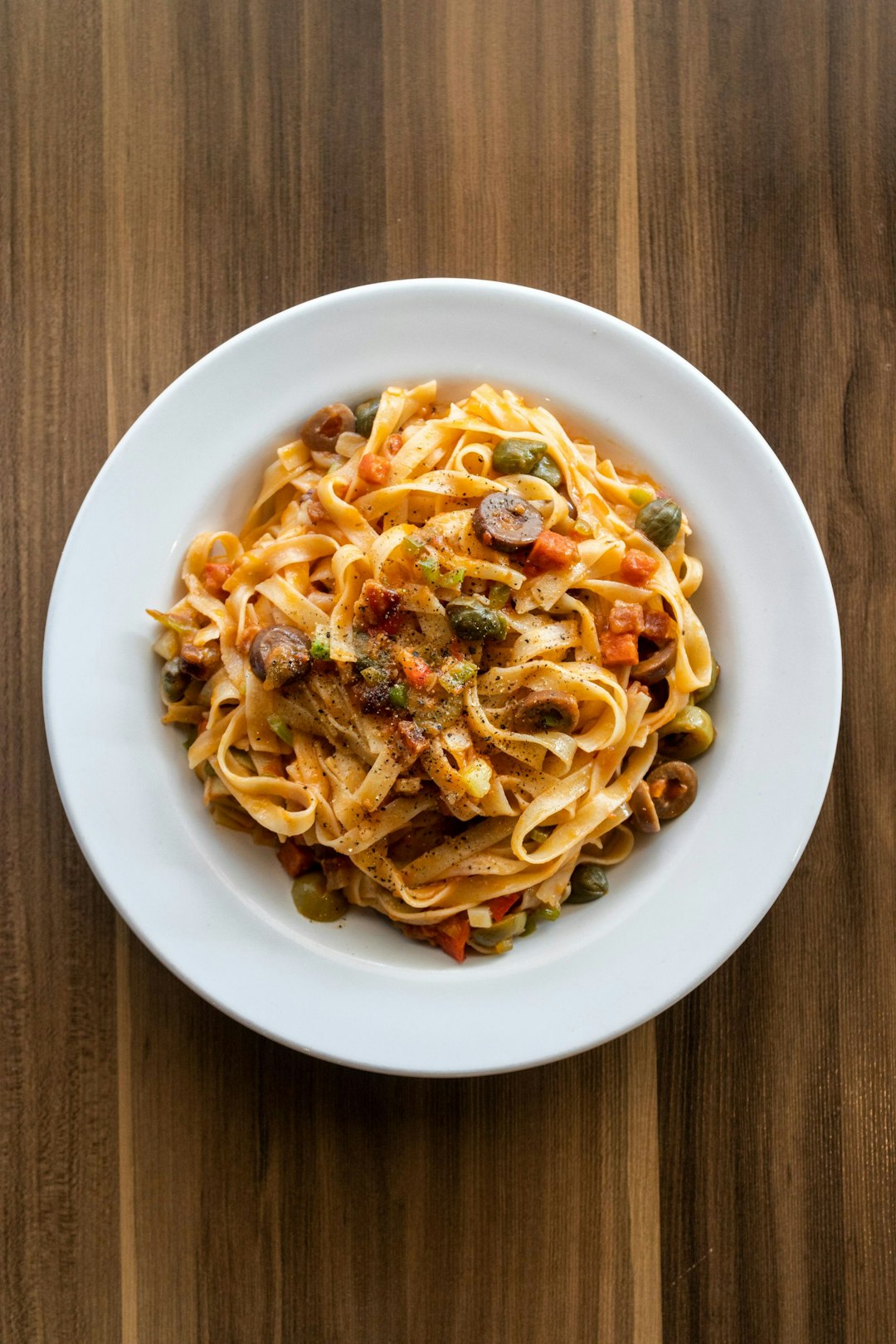
Classic Linguini and Classic Ziti are priced identically at $7.50 and both come with marinara sauce and nothing else. Which means the entire decision between them comes down to one thing: pasta shape.
That sounds like a small detail, but shape genuinely changes how a dish eats. Here’s what actually separates these two, and how to decide which one you want tonight.
It’s also a useful comparison to have in your back pocket beyond just these two dishes. The same shape logic applies across the rest of our pasta lineup — our Oven Baked Ziti, Meatball Madness Parm Linguini, and Golden Chicken Parm all build on one of these two base shapes.
Most pasta-shape content online covers a dozen shapes at once in the abstract. This is about two specific, real menu items priced and sauced identically, so the comparison is as controlled as it gets.
That’s actually what makes this comparison worth reading in the first place. With the price and sauce held constant, whatever difference you notice between the two is coming entirely from the pasta shape itself — nothing else is confusing the picture.
Classic Linguini vs. Classic Ziti at a Glance
| Classic Linguini | Classic Ziti | |
|---|---|---|
| Shape | Long, flat noodle | Short tube |
| Sauce | Marinara only | Marinara only |
| Price | $7.50 | $7.50 |
Classic Linguini: Long and Flat
Our Classic Linguini is linguini pasta with marinara sauce, nothing else added. Linguini is a long, flat noodle — narrower than fettuccine, wider than spaghetti — often described as “little tongues” in Italian.
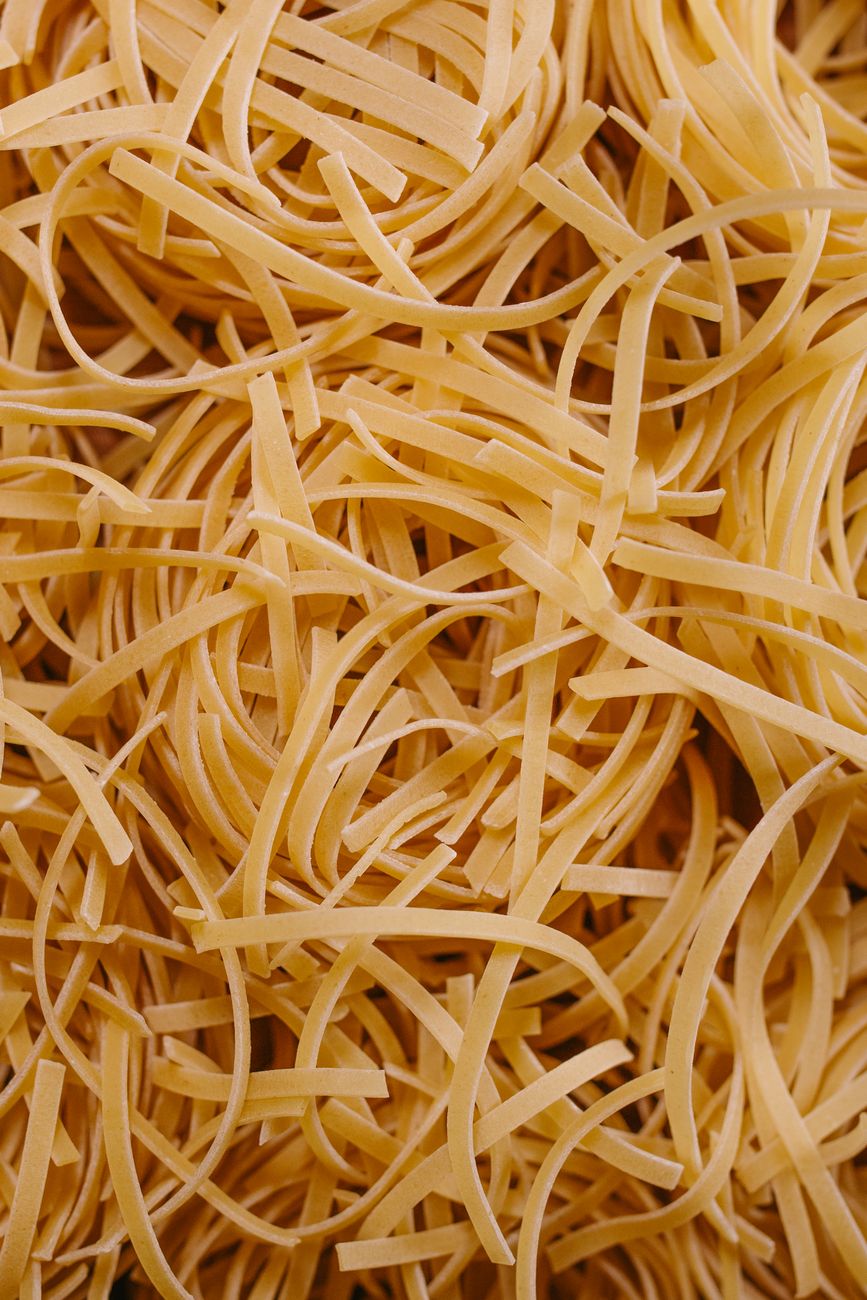
That flat, ribbon-like shape means the sauce coats the surface rather than pooling inside it. Every strand carries a thin, even layer of marinara, which makes for a lighter-feeling bite than a tube shape holding sauce in its hollow center.
Linguini’s width also affects how it eats with a fork. It’s substantial enough to twirl the way you would spaghetti, but wide and flat enough that each forkful carries more surface area — and more sauce contact — than a thinner round noodle would.
Classic Ziti: Short and Hollow
Our Classic Ziti is the identical marinara-only build, but on ziti — a smooth, tube-shaped pasta cut into short lengths. The hollow center is the defining feature.
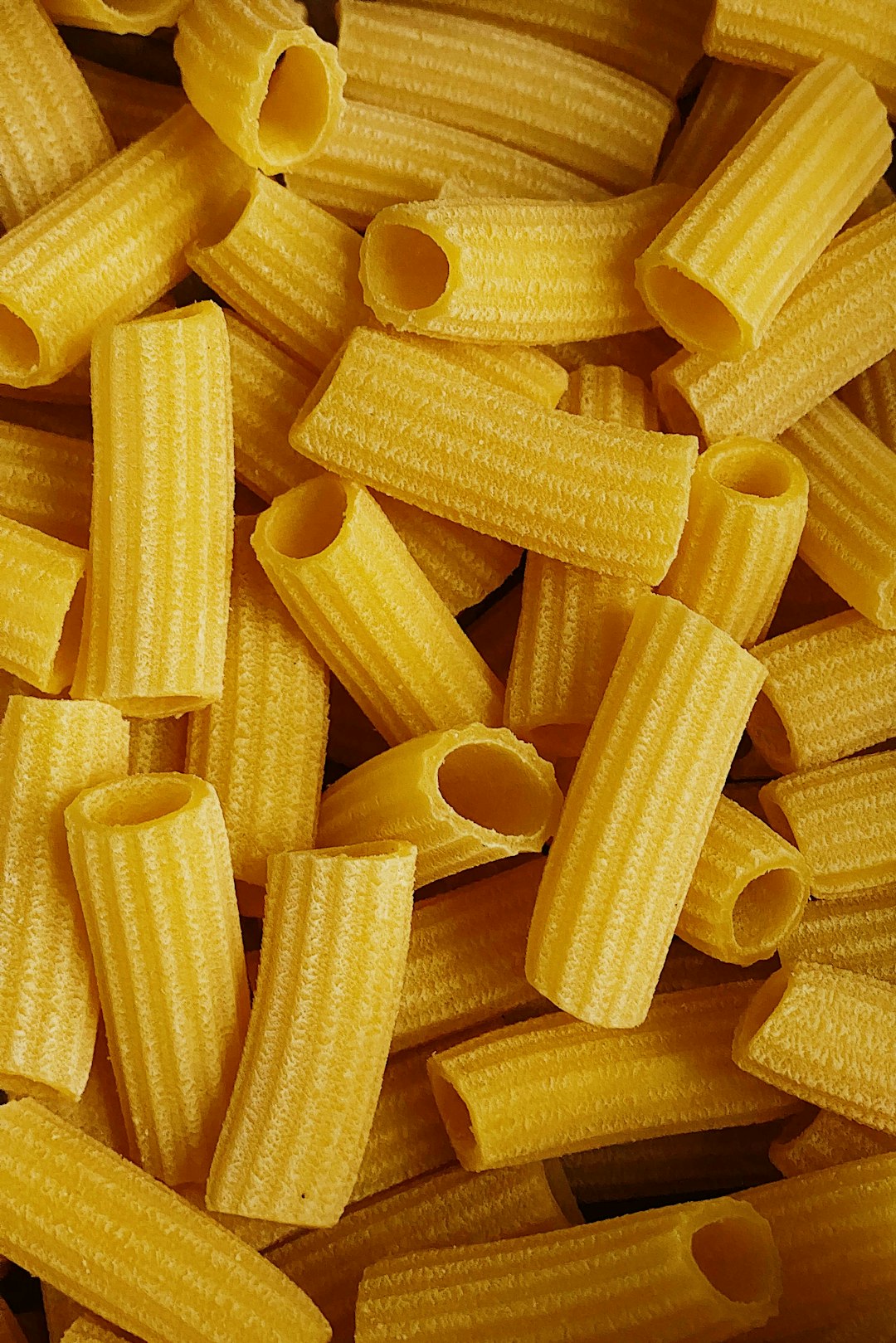
Because the tube is hollow, sauce collects inside each piece as well as around it, so a forkful of ziti carries more marinara per bite than the same amount of linguini does. That’s a real, physical difference from the shape alone, not a matter of how it’s cooked.
Ziti’s name has real history behind it, too. According to Kitchen Fifty Seven’s history of the word ziti, the name comes from “zita” and “zito,” meaning bride and groom in Sicilian dialect — the pasta was a staple at Sicilian weddings long before it became the broader Italian-American staple it is today.
The short length also changes the eating mechanics. Where linguini gets twirled onto a fork strand by strand, ziti scoops more like small pasta bites — closer to how you’d eat penne or rigatoni than a long noodle. If you find twirling pasta tedious, that alone might settle the decision.
Portion consistency is another small but real factor. Because ziti pieces are uniform and short, a forkful tends to be more consistent bite to bite than a forkful of long linguini strands, which can vary more depending on how much gets wound onto the fork at once.
Why Shape Actually Matters Here
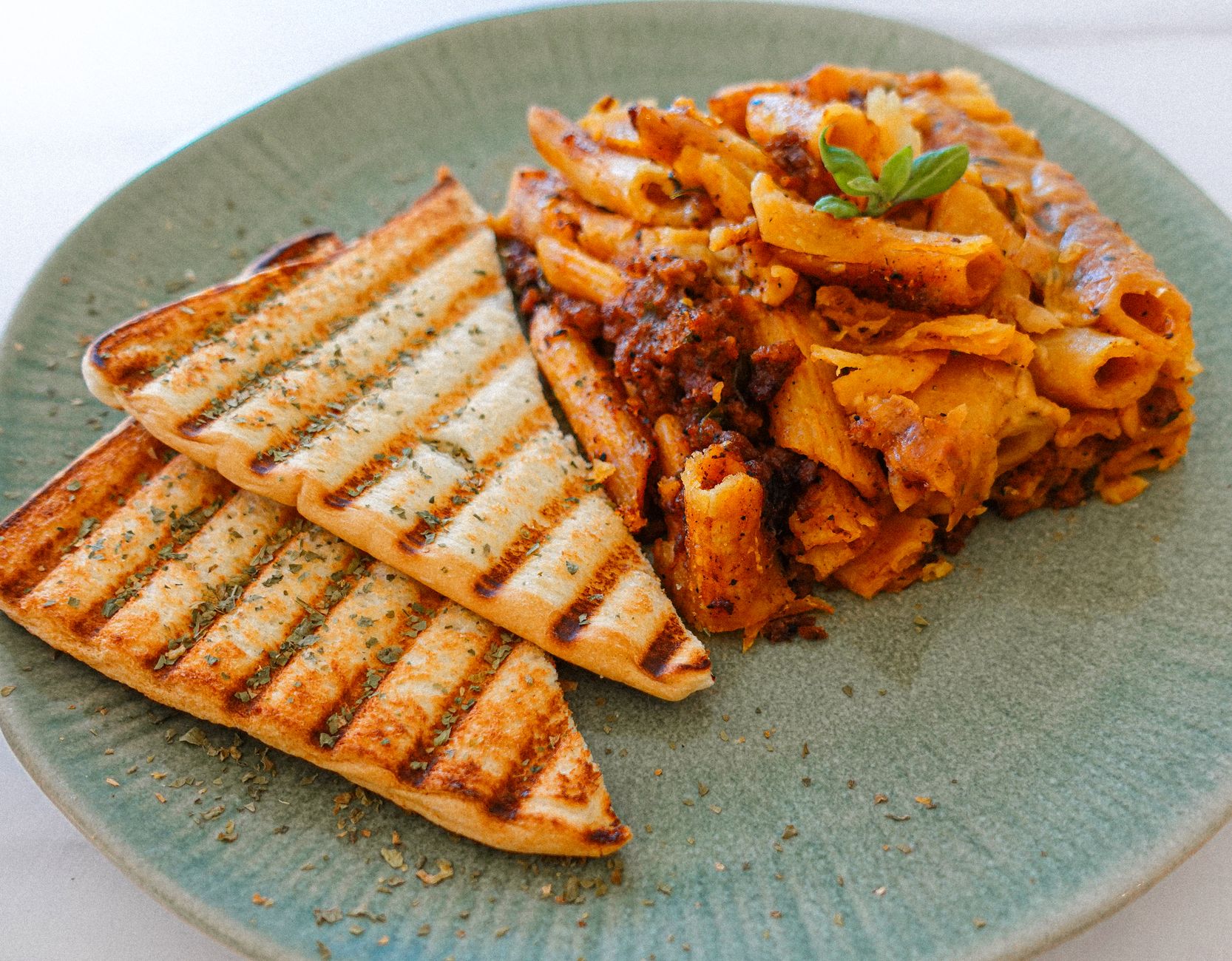
According to Vincenzo’s Plate’s guide to pairing pasta shapes with sauce, ziti’s smooth, thicker profile makes it well suited to both light and heavier sauces, while linguini is traditionally paired with lighter, thinner sauces that coat rather than cling. A simple marinara sits comfortably on both, which is exactly why our menu offers it both ways instead of picking just one.
That’s also why neither the Classic Linguini nor Classic Ziti carries any extra toppings or add-ons beyond the marinara. Both are meant as the base, uncomplicated version of each shape — a genuine baseline for anyone comparing the two, rather than a dressed-up version of one or the other that would make the comparison less fair.
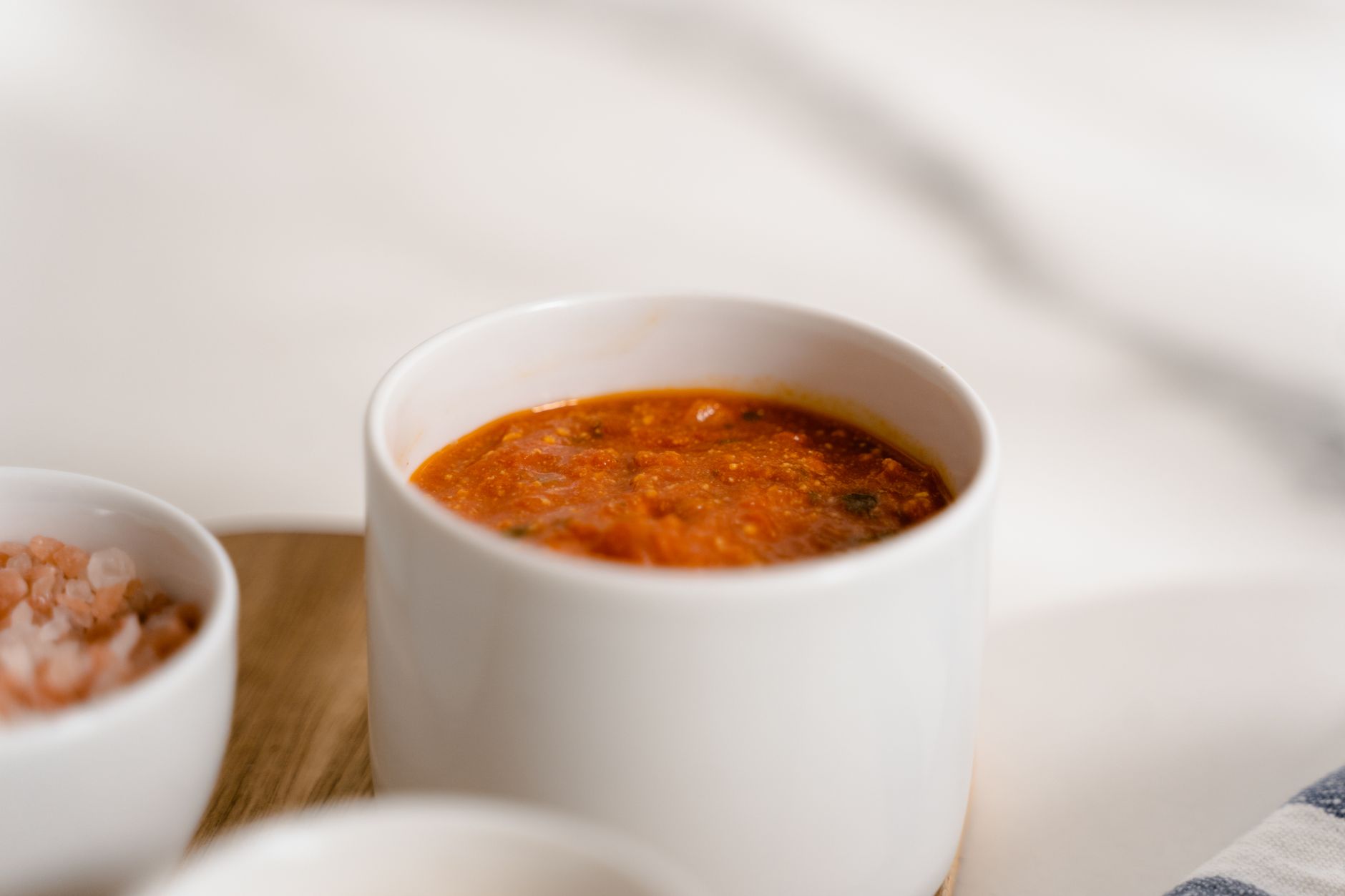
Texture is the other real difference. Linguini has a bit of chew from its flat, thin cross-section, while ziti’s tube shape gives it a firmer bite that holds up a little longer before feeling overcooked. If you’ve ever preferred one pasta shape over another without knowing exactly why, texture is usually the reason.
Neither pasta is objectively better here — they’re built to eat differently by design, not to represent a light option and a “correct” one. A restaurant kitchen that only stocked one pasta shape would be limiting itself for no real reason, which is exactly why most Italian-American menus, ours included, carry both.

Pros and Cons of Each
| Best For | Trade-off | |
|---|---|---|
| Classic Linguini | Lighter, sauce coats each strand evenly | Less sauce per bite than ziti |
| Classic Ziti | More sauce per bite, firmer texture | Heavier, less delicate than linguini |
Which One Should You Order?
If you want a lighter-feeling dish where the sauce coats rather than pools, order Classic Linguini. If you want more sauce in every bite and a firmer texture, order Classic Ziti. Since the price and sauce are identical, there’s no cost trade-off either way — it’s purely a shape and texture preference, and neither answer is wrong.
Want cheese added to the same base? Our Oven Baked Ziti takes this exact ziti and adds mozzarella cheese for $1 more. See the full pasta lineup, including our Alfredo and meat-topped options, in the complete pasta guide.
If you’re cooking at home and trying to decide which shape to buy for a recipe, the same logic applies there too. A light, olive-oil-based sauce or a delicate seafood preparation generally suits linguini better; a heartier baked dish or anything you want to hold extra sauce leans toward ziti. That’s the same reasoning restaurants use when deciding which shape to pair with which sauce, just applied to your own kitchen instead of ours.
Frequently Asked Questions
- What’s the difference between Classic Linguini and Classic Ziti?
- Only the pasta shape. Both come with marinara sauce only, at the same $7.50 price — linguini is a long, flat noodle, ziti is a short tube.
- Which pasta holds more sauce, linguini or ziti?
- Ziti generally holds more sauce per bite, since its hollow tube collects sauce inside as well as around it. Linguini’s flat shape means the sauce mostly coats the surface.
- Do Classic Linguini and Classic Ziti cost the same?
- Yes, both are $7.50.
- Can I get cheese added to Classic Linguini or Classic Ziti?
- Our Oven Baked Ziti is the same ziti with mozzarella cheese added for $8.50. Call (215) 904-7353 to ask about adding cheese to the linguini specifically.
- Which pasta shape is better for a heavier sauce?
- Ziti’s thicker, smooth profile generally handles heavier and baked sauces well. Linguini is traditionally paired with lighter sauces.
Same sauce, same price, your choice of shape.