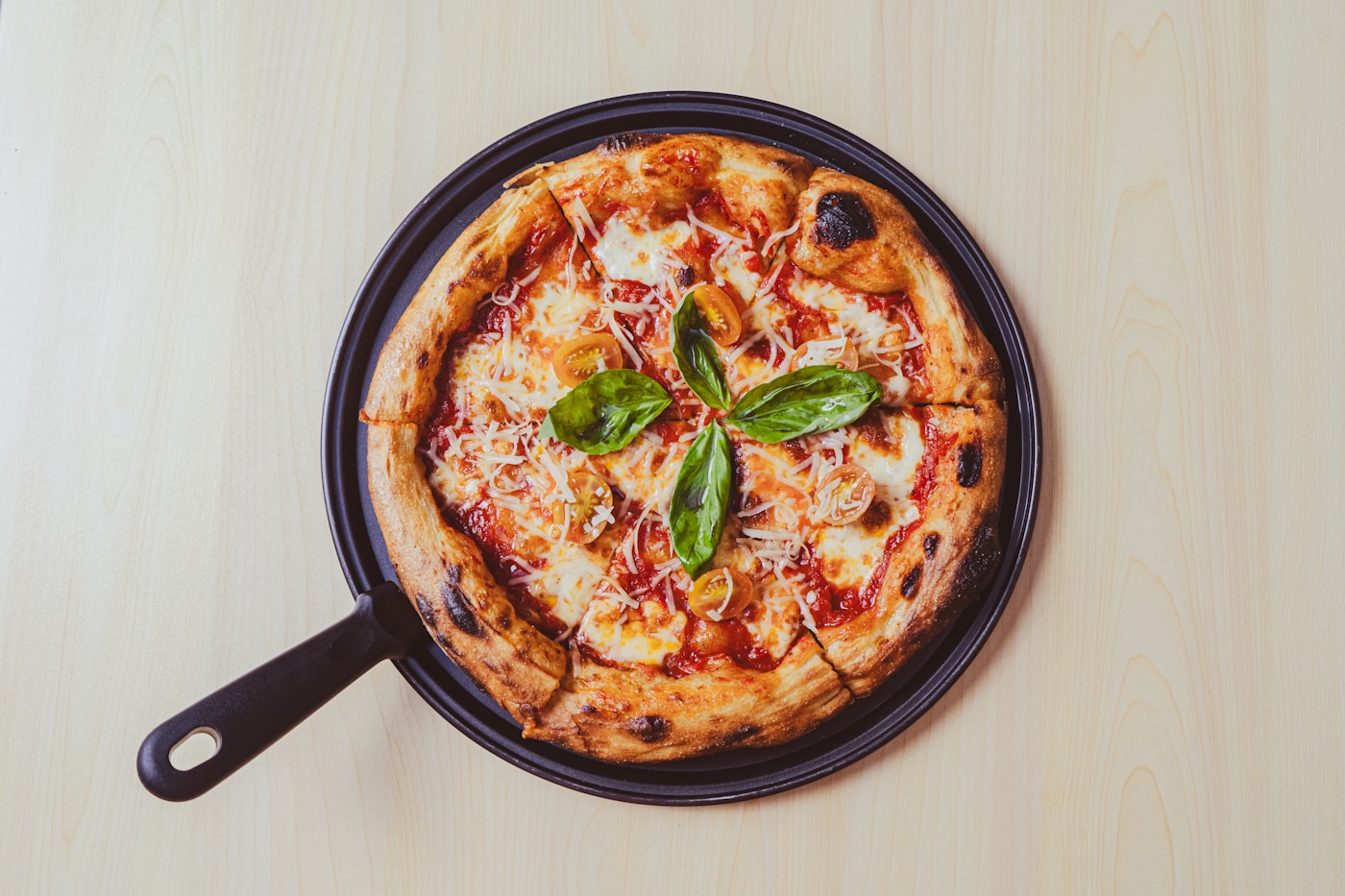
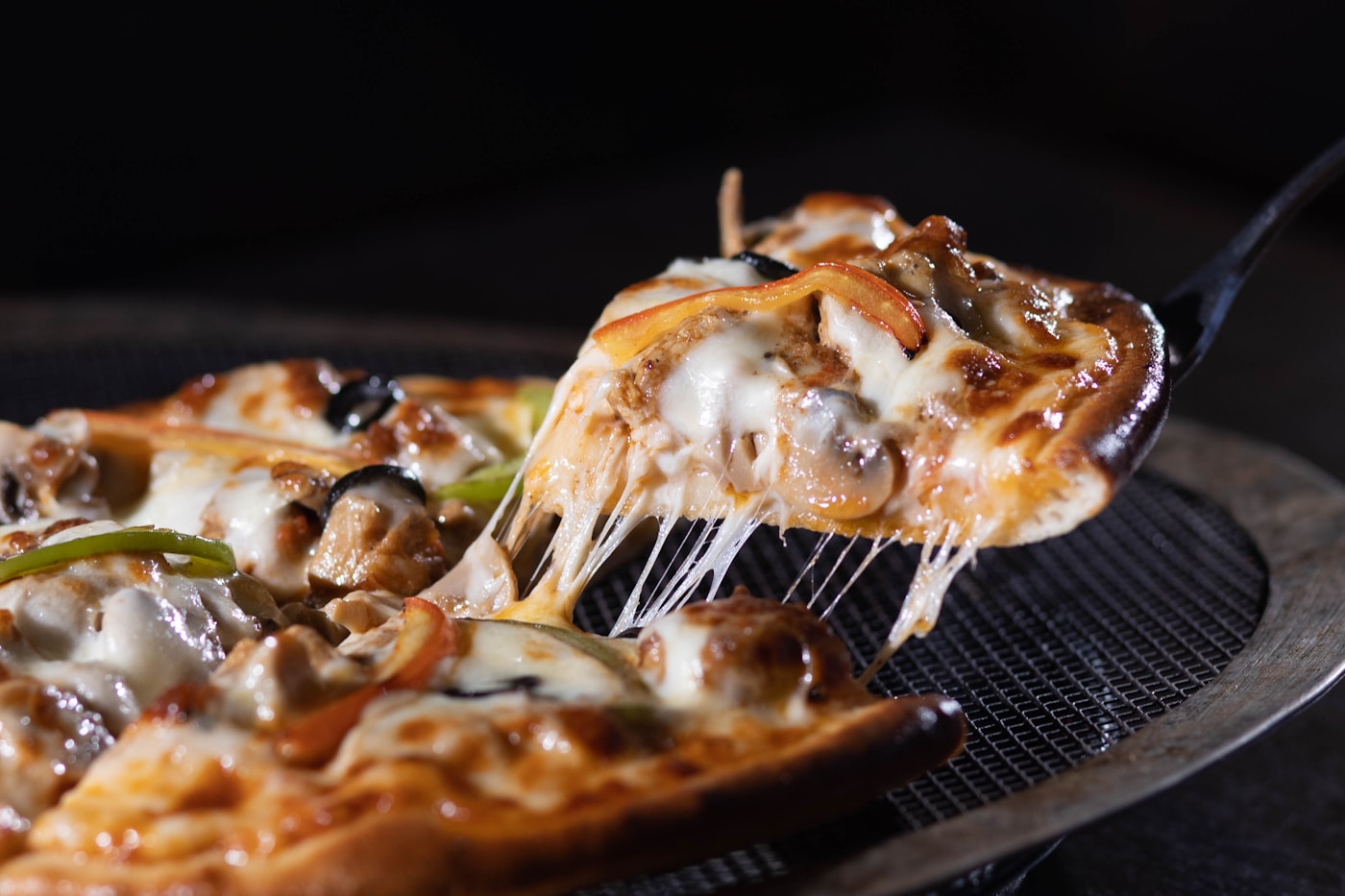
Leftover pizza should be one of the easiest reheats in your kitchen. Instead, most people end up with a limp, soggy slice or a crust so tough it’s not worth eating. The problem almost always comes down to one appliance: the microwave.
Here’s what actually happens when you reheat pizza the wrong way, and three methods that get you back to something close to fresh.
None of these methods require special equipment beyond what’s already in most kitchens, and none of them take much longer than the microwave does — they just require understanding what actually makes a good slice of pizza good in the first place, and working with that instead of against it.
Why the Microwave Ruins Pizza
Microwaves work by exciting water molecules inside food, generating heat from the inside out. Pizza dough holds a fair amount of moisture, and a microwave forces that moisture to the surface as steam rather than letting it evaporate away like an oven does.
That steam has nowhere to go once it hits the crust, so it just soaks back in. The result is a slice that’s hot in the middle but limp and damp everywhere else — the opposite of what made it good the first time. There’s no fix for this within the microwave itself; it’s a structural problem with how the appliance heats food, not a setting you can adjust around.
It’s also worth noting this isn’t unique to pizza. Anything with a crisp exterior and moist interior — fried chicken, roasted vegetables, bread — runs into the same issue in a microwave. Pizza just makes the problem more obvious, since the crust-to-topping contrast is such a central part of what makes it good in the first place.
The Skillet Method (Best for One or Two Slices)
A stovetop skillet is widely considered the best way to bring a slice back to life, and the process is simple. Heat a skillet over medium-low, add the slice directly to the dry pan, and let the bottom crisp for a few minutes.
Once the bottom is crisping up, add a few drops of water to the pan next to the slice — not on top of it — and cover with a lid. The trapped steam melts the cheese back through without ever touching the crust, so you get a crisp bottom and fully melted top at the same time.
That’s really the whole trick this method relies on: separating where the heat goes from where the moisture goes. The dry pan handles the crust directly through contact heat, while the steam trapped under the lid handles the cheese from above, so neither one interferes with the other the way a microwave forces both to happen in the same place at once.
The Oven Method (Best for a Full Pie or Several Slices)
For larger quantities, the oven is more practical than babysitting individual slices in a skillet. Preheat to 375°F and place the slices directly on the oven rack rather than a baking sheet — direct rack contact lets hot air circulate underneath the crust instead of trapping moisture against a flat pan.
Eight to ten minutes is usually enough to fully reheat and re-crisp. If the cheese starts drying out before the crust finishes crisping, a loose tent of foil over the top slows that down without sacrificing the bottom.
This is the method worth reaching for when you’re reheating an entire leftover pie rather than one or two slices. A skillet only fits so much at once, and an air fryer basket fills up fast, but an oven rack can handle several slices side by side without any of them competing for space or airflow.
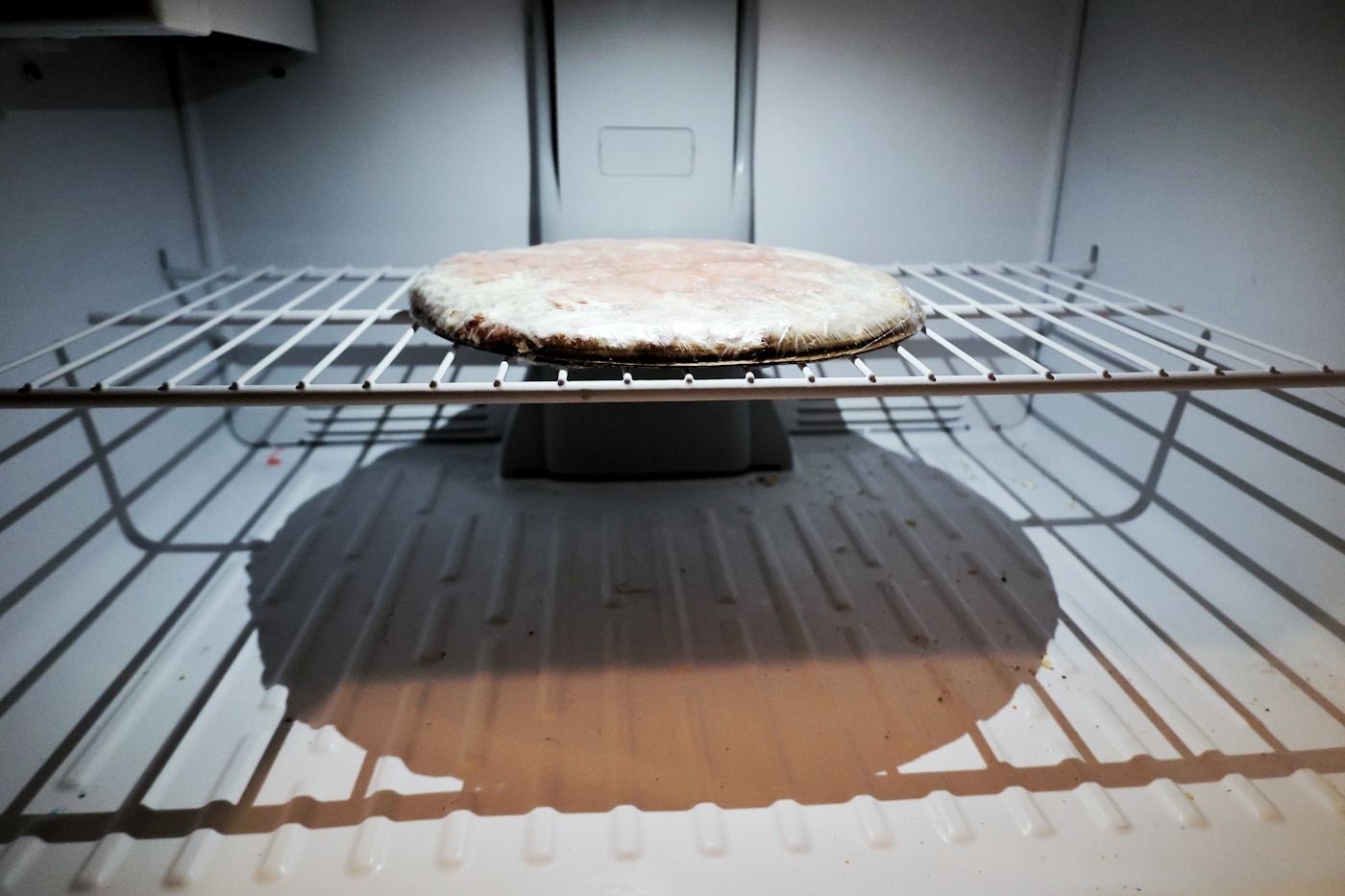
The Air Fryer Method (Fastest Option)
If you own an air fryer, it’s genuinely the quickest route to a good result. Set it to 350°F and reheat for three to four minutes, checking at the three-minute mark since air fryer models vary in strength.
Give slices some breathing room in the basket rather than stacking them — overcrowding blocks the air circulation that makes this method work in the first place, and you’ll end up with the same soggy result you were trying to avoid.
The air fryer’s advantage over the oven is really just preheat time. An oven needs several minutes to reach 375°F before you even start the clock on your pizza, while most air fryers heat up almost instantly, which is why the total time from fridge to plate ends up so much shorter even though the actual cooking temperature isn’t dramatically different.
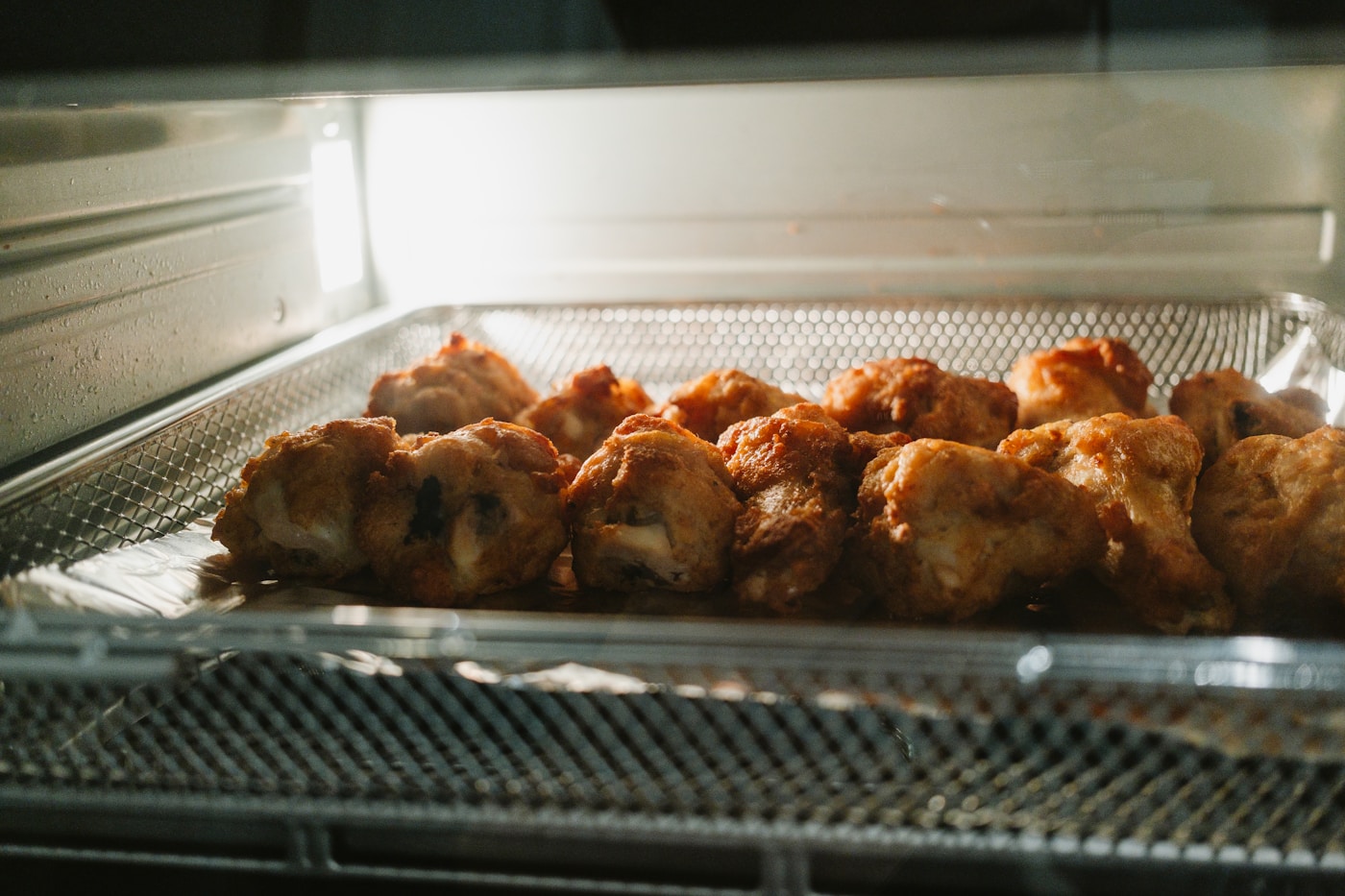
Reheating Methods Compared
| Method | Time | Best For | Result |
|---|---|---|---|
| Skillet | 5-7 minutes | 1-2 slices | Crisp bottom, fully melted cheese |
| Oven | 8-10 minutes | Full pie or several slices | Even reheat, crisp crust |
| Air Fryer | 3-4 minutes | 1-3 slices, fastest option | Crisp, close to fresh-baked |
| Microwave | 1-2 minutes | Nothing, if avoidable | Soft, soggy, uneven texture |
However you reheat it, the crust is the tell. Give the edge a light press or a tap with a fork — if it holds its shape and offers a bit of resistance instead of folding flat, it’s actually re-crisped rather than just warmed through.
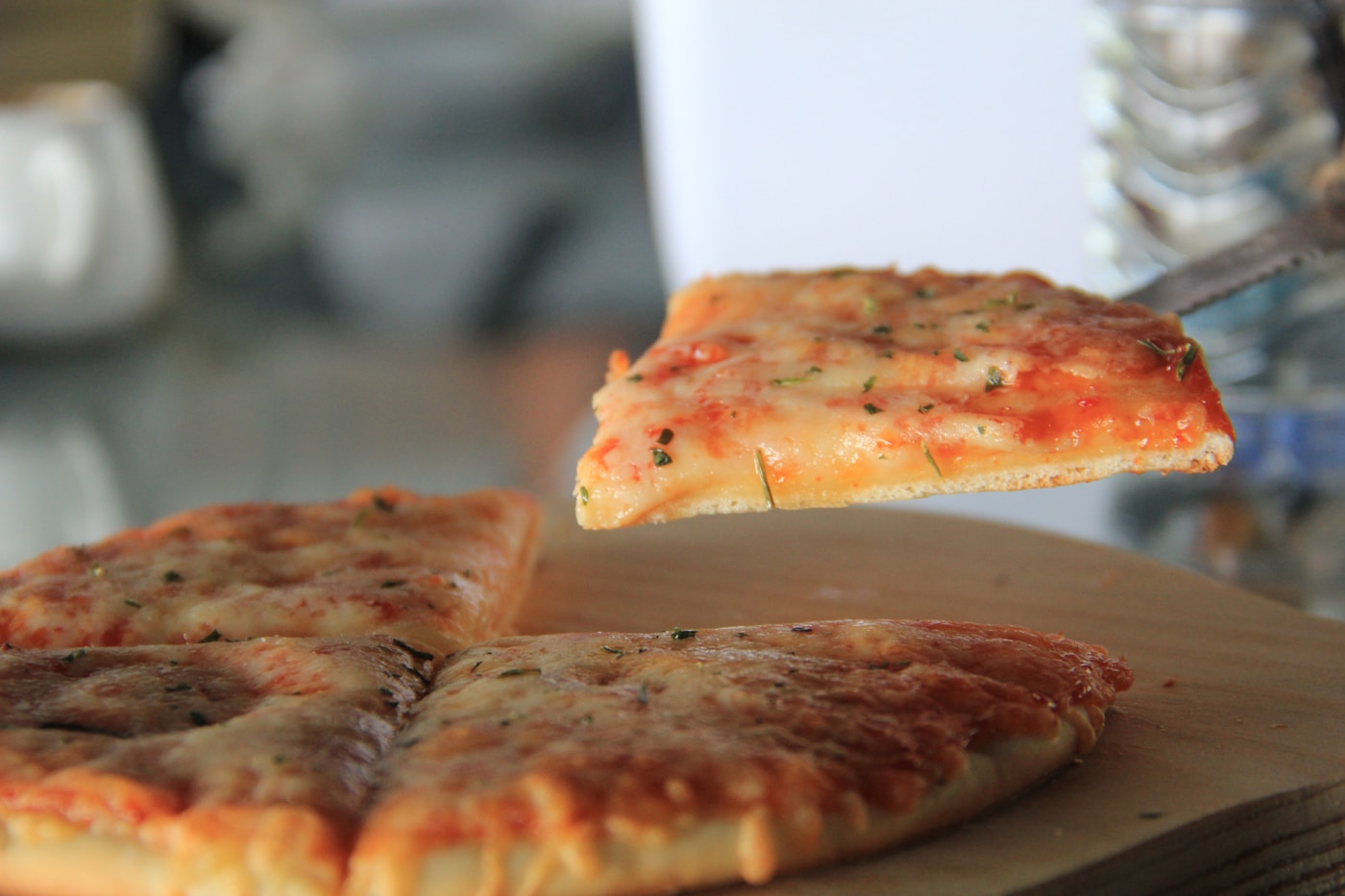
How Long Is Leftover Pizza Actually Safe to Eat?
Reheating technique only matters if the pizza was stored safely in the first place. According to the USDA’s food safety guidelines, cooked leftovers — including pizza — should go in the refrigerator within two hours of cooking, or within just one hour if the room is above 90°F.
Once refrigerated below 40°F, the USDA recommends eating leftovers within three to four days. That window exists because bacteria multiply fastest between 40°F and 140°F, a range officially called the “danger zone” — leaving pizza out on the counter overnight, even covered, pushes it well past safe territory.
None of the reheating methods above make unsafe pizza safe again, either. High heat kills most surface bacteria, but it doesn’t reliably neutralize toxins that certain bacteria produce once they’ve had enough time to multiply. If a pizza has been sitting out well past the two-hour window, reheating it thoroughly isn’t a safe workaround — at that point, it’s simply time to let it go.
Or Just Order Fresh
Reheating is a fine skill to have, but it’s still a workaround. If you’d rather skip the leftovers question entirely, our Plain Pizza and Meat Lovers Pizza are made fresh to order, and our Frankford Ave delivery coverage means a hot pizza can be at your door faster than most reheating methods take anyway. If you’re weighing whether to pick it up yourself instead, see our breakdown of pickup vs. delivery for the real tradeoffs.
Frequently Asked Questions
- What’s the best way to reheat pizza without a microwave?
- A skillet on medium-low heat, finished with a covered steam step, gives the best combination of crisp crust and melted cheese for one or two slices.
- Why does microwaved pizza always turn out soggy?
- Microwaves heat the water inside food directly, forcing moisture to the surface as steam that has nowhere to escape, so it soaks back into the crust.
- How long can pizza sit out before it’s unsafe to eat?
- No more than two hours at normal room temperature, or one hour if the room is hotter than 90°F, according to USDA guidelines.
- How long does leftover pizza last in the fridge?
- Three to four days when refrigerated below 40°F, per USDA recommendations for cooked leftovers.
- Can I reheat pizza in an air fryer straight from the fridge?
- Yes — no need to bring it to room temperature first. Reheat at 350°F for three to four minutes, checking partway through.
Skip the leftovers and order it fresh instead.