Skip to content

Category: Uncategorized

  • Cheeseburger Hoagie vs. Cheesesteak Hoagie: Which Should You Order?

    Cheeseburger Hoagie vs. Cheesesteak Hoagie: Which Should You Order?

    Cheeseburger Hoagie and Cheesesteak Hoagie both take a hot, cooked protein and put it in hoagie-roll format instead of its usual home — a round bun for one, no roll at all in the classic cheesesteak’s case. They’re the two hybrid items on our hoagie menu, and they’re more different from each other than their shared “hoagie” name suggests.

    Here’s exactly what’s in each one, the one topping that quietly separates them, and how to decide which format you want.

    Our Cheesesteak Hoagie vs. Italian Hoagie comparison covers how the Cheesesteak Hoagie stacks up against a traditional cold hoagie. This piece is different — it’s the Cheesesteak Hoagie against our other hot-protein hybrid instead.

    Cheeseburger Hoagie vs. Cheesesteak Hoagie at a Glance

      Cheeseburger Hoagie Cheesesteak Hoagie
    Protein Burger patty Griddled chopped steak
    Toppings Lettuce, tomatoes, onion Lettuce, tomato
    Onion included Yes No
    Price $8.50 $10.00

    Cheeseburger Hoagie: A Burger, Off Its Usual Bun

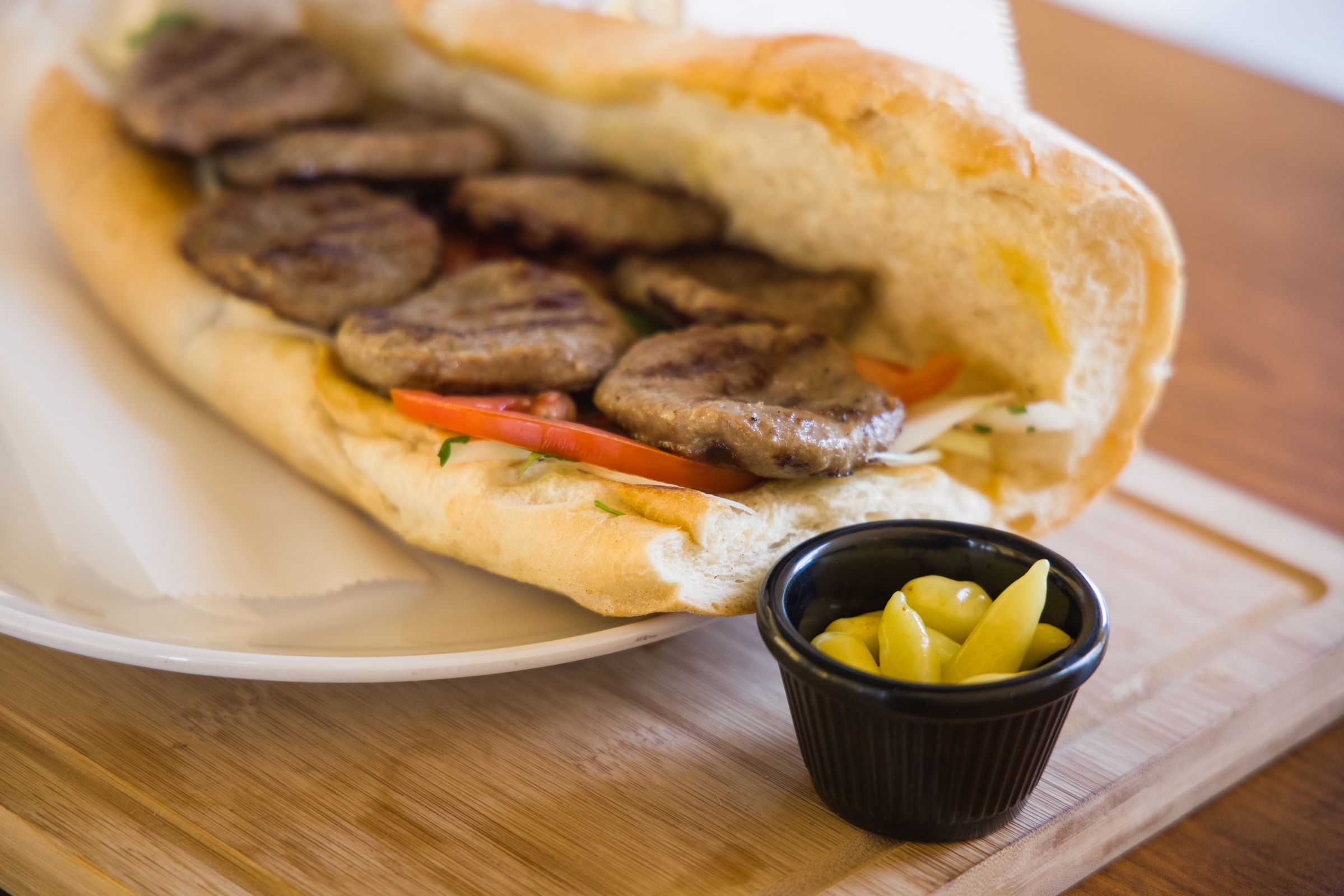
    The Cheeseburger Hoagie is a burger patty and melted cheese, dressed with lettuce, tomatoes, and onion on a long roll instead of a round bun. It’s the one item on our menu that takes a burger and reformats it entirely.
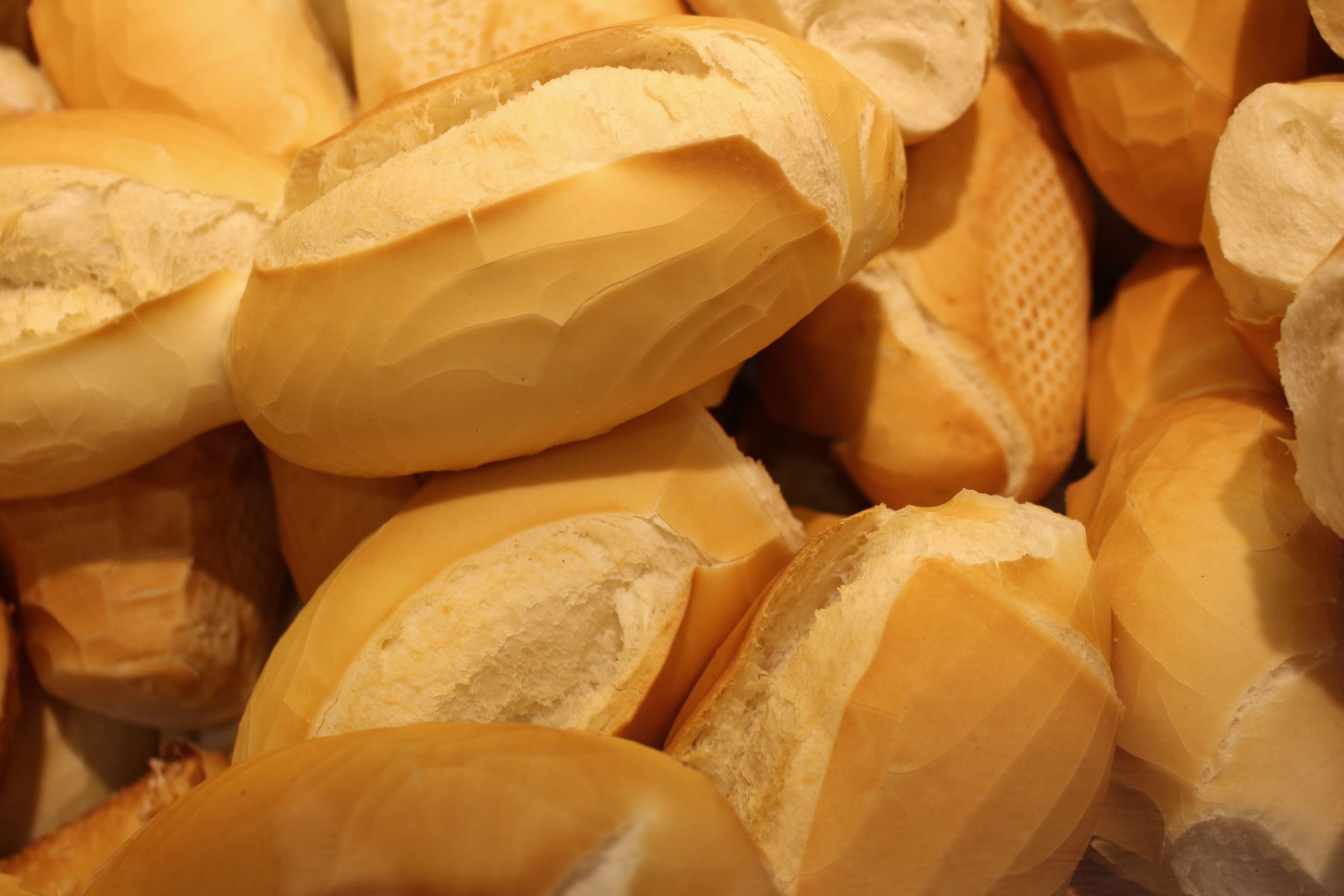
    Freshly baked bread rolls

    That format swap changes more than it looks like on paper. A round bun holds a patty snugly, with toppings stacked directly above and below it. A long roll spreads the same patty and toppings across more surface area, so the bite-to-bite ratio of bread to filling shifts noticeably compared to the same burger on its usual bun.

    Cheesesteak Hoagie: A Cheesesteak With Cold Toppings

    The Cheesesteak Hoagie is griddled chopped steak and melted cheese, finished with lettuce and tomato — no onion. It’s built from the same roll our cheesesteaks already use, just with cold toppings added on top.
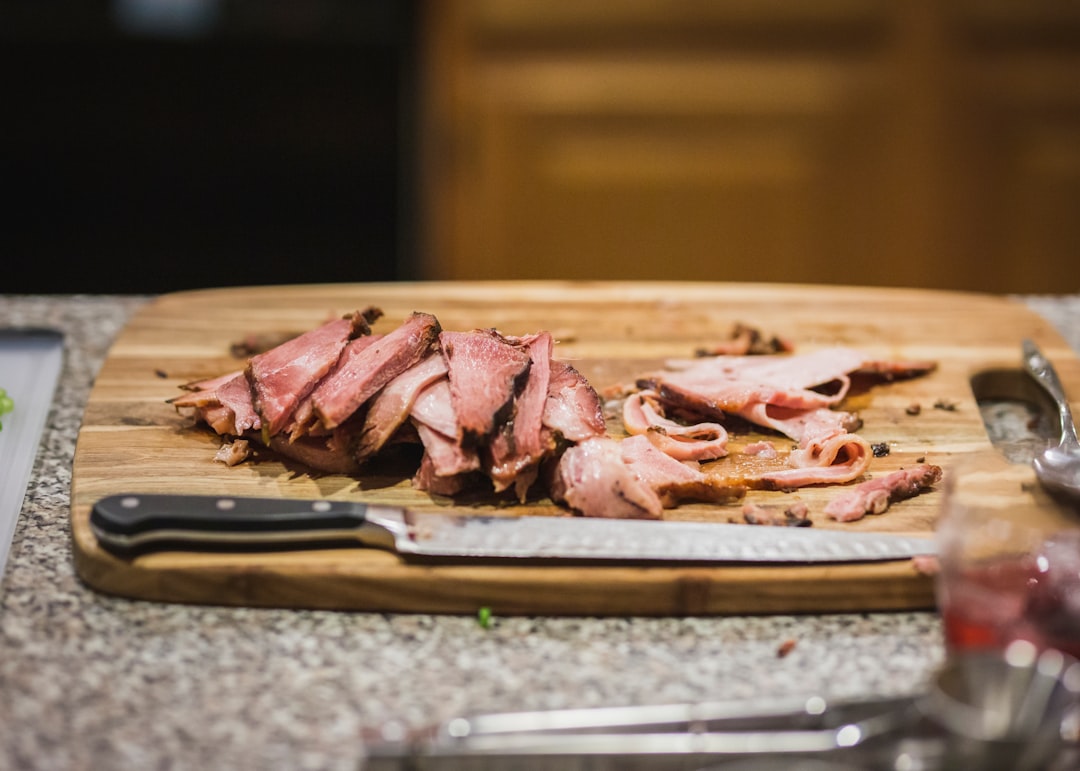
    Thin sliced steak on a cutting board

    Unlike the Cheeseburger Hoagie, this one didn’t need a format change — cheesesteaks are already served on a long roll, so adding hoagie-style toppings is a smaller adjustment than moving a burger off its bun entirely.

    The One Ingredient That Actually Separates Them

    Beyond the obvious protein swap, onion is the real detail worth knowing. The Cheeseburger Hoagie includes it standard, the same way a classic burger typically would. The Cheesesteak Hoagie leaves it out, sticking to just lettuce and tomato.
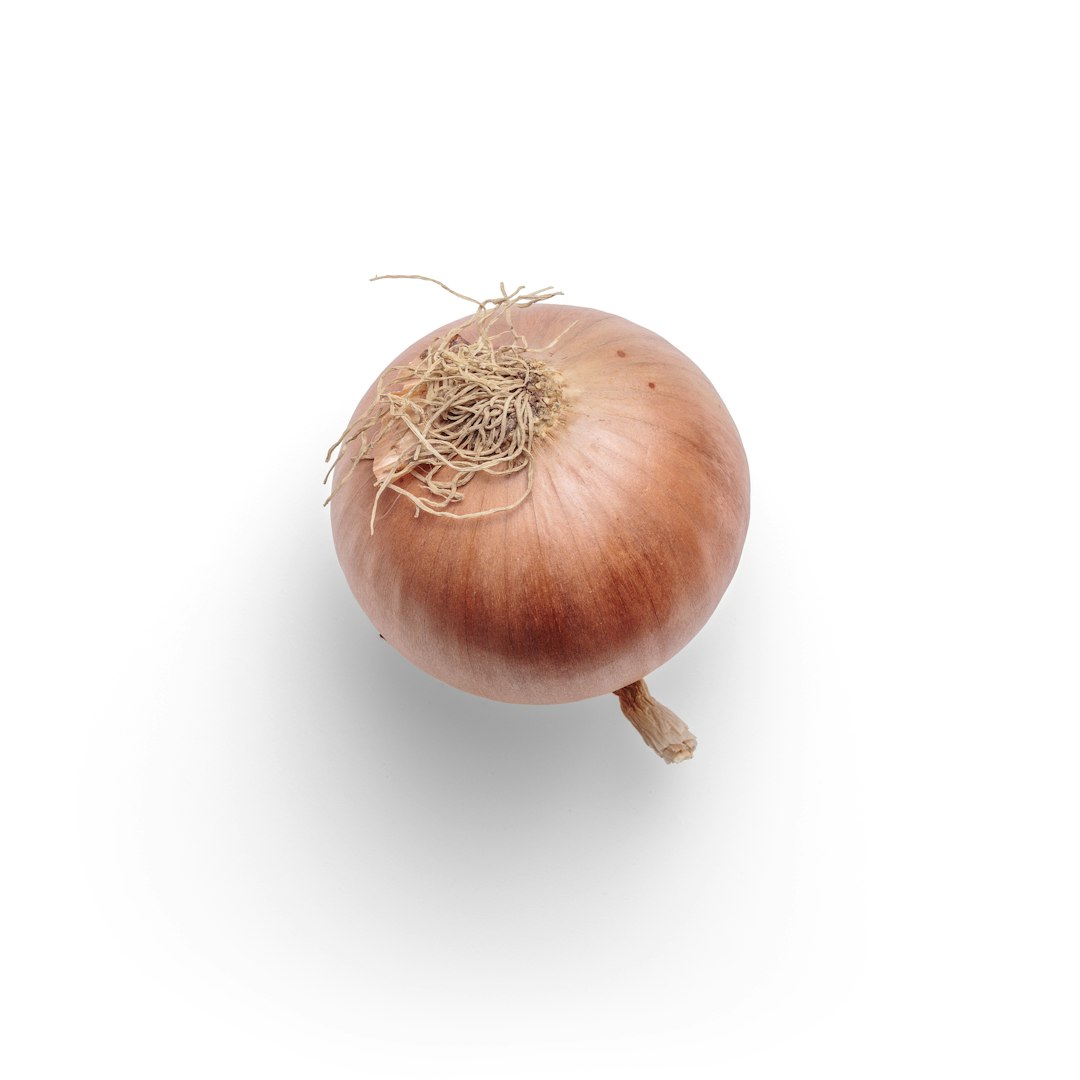
    Whole yellow onion

    That’s a small detail with a real effect on flavor. Raw onion adds a sharp, slightly bitter bite that cuts through a burger’s richness, which is likely why it’s included here the way it would be on a standard Cheeseburger. Its absence on the Cheesesteak Hoagie keeps that sandwich’s flavor closer to a plain griddled cheesesteak, just with lettuce and tomato layered on top instead of a fuller hoagie topping set.

    Same Melted Cheese, Different Protein Underneath

    Both sandwiches rely on melted cheese to tie the hot protein together, but the protein itself changes the whole eating experience. A burger patty holds together as one solid piece, so cheese melts across a defined surface and every bite gets a consistent ratio of meat, cheese, and toppings.
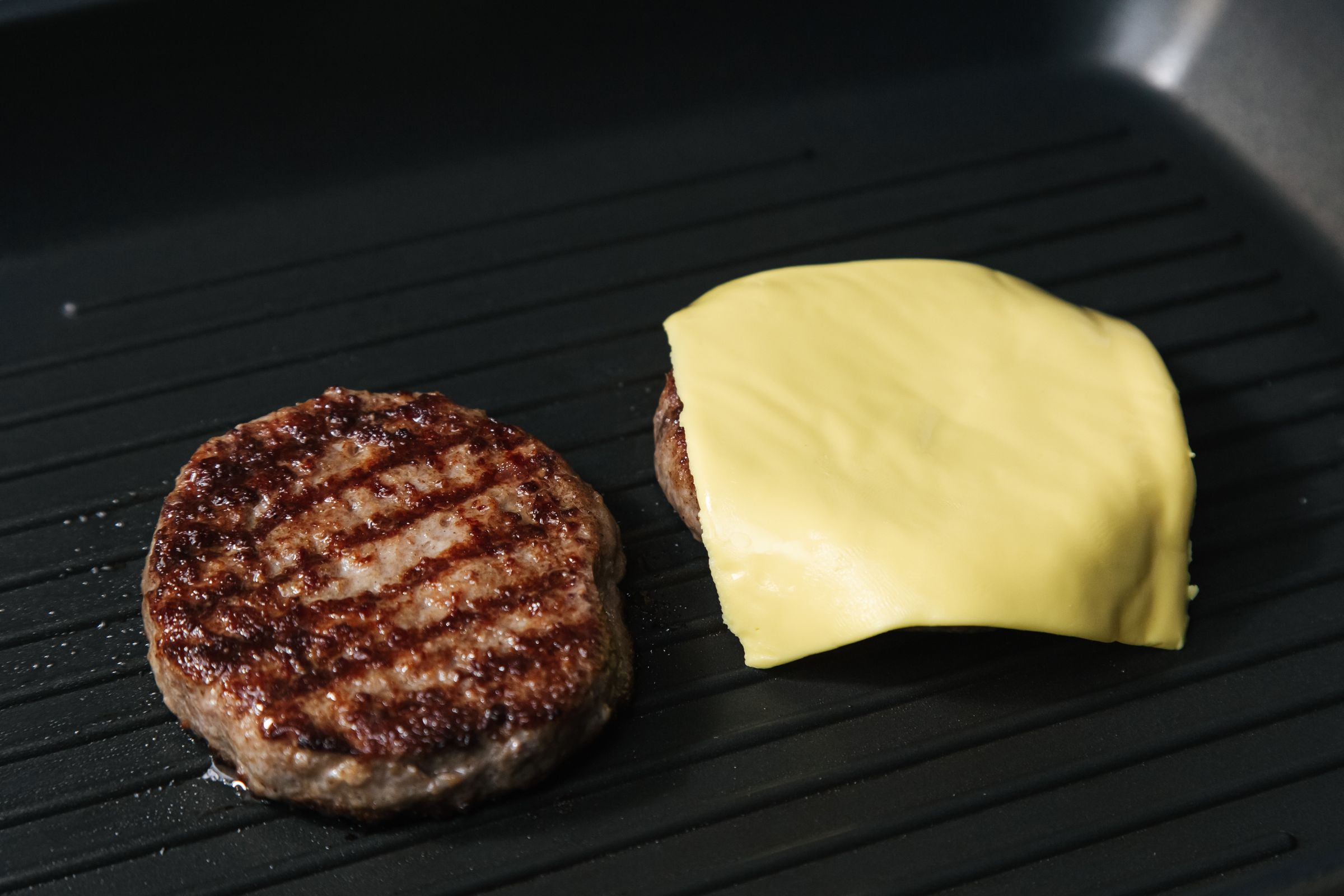
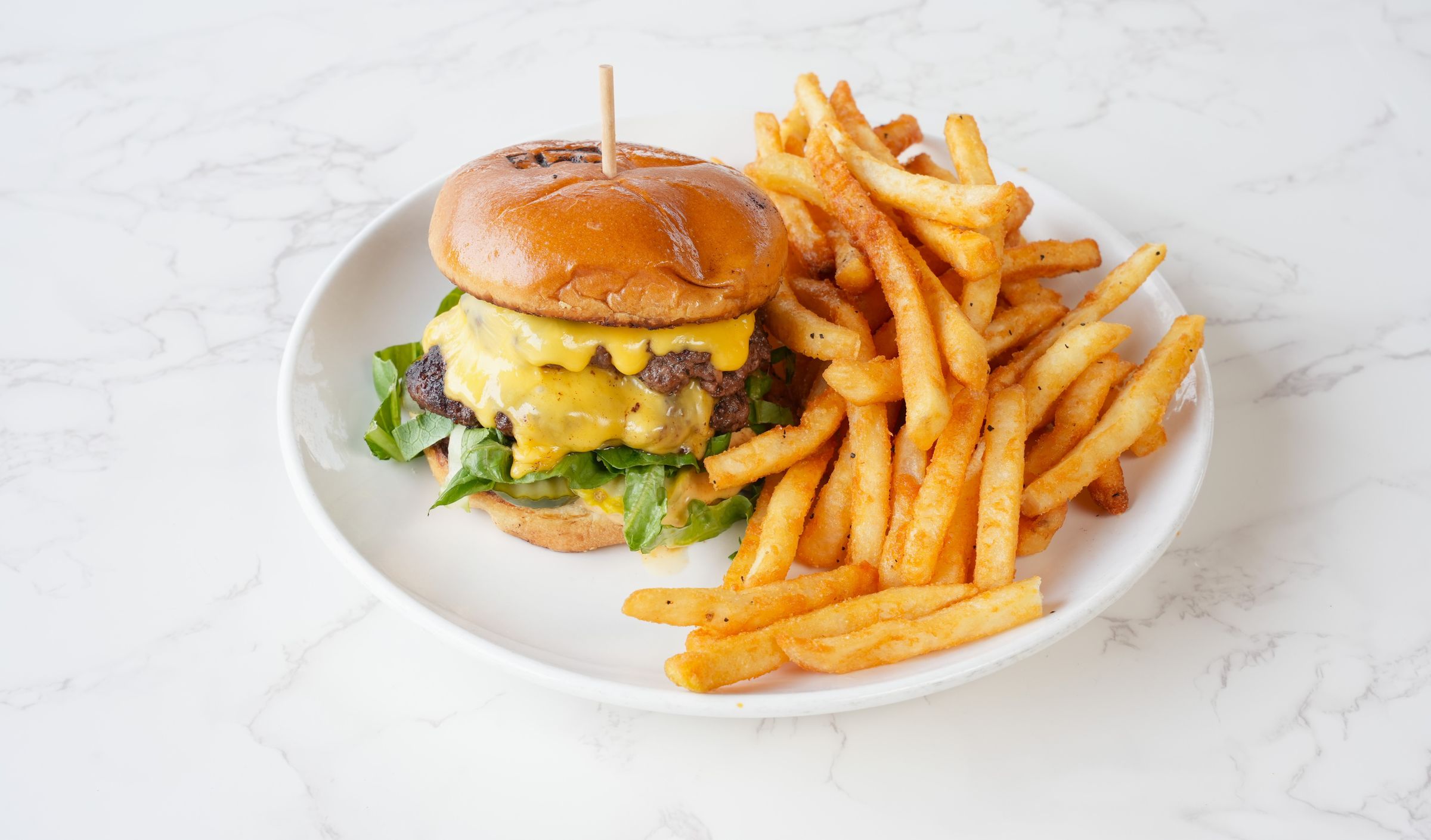
    Grilled patty with a slice of melted cheese

    Chopped, griddled steak spreads loosely through the roll instead, so the cheese and toppings mix into the meat rather than sitting in a distinct layer. If you prefer a defined, single bite of protein, the Cheeseburger Hoagie delivers that more consistently. If you like a looser, more blended texture, the Cheesesteak Hoagie is built that way by nature.
    Elegant cheese platter

    Neither sandwich specifies the exact cheese used in our recovered descriptions, though both are melted directly onto the hot protein rather than served cold. Call (215) 904-7353 if the specific cheese matters to your order.

    Ordering for a Group

    If you’re ordering both for a group and want to keep things simple, think of the Cheeseburger Hoagie as the more familiar, budget-friendly pick, and the Cheesesteak Hoagie as the more traditional Philadelphia-style order. Neither one requires explaining to someone who’s never had it before — both are recognizable formats wearing a slightly different shape than usual.

    It’s also worth remembering that these two are the only hot-protein hybrids on our hoagie menu. Every other hoagie we make, including the Italian, Ham, Turkey, and Tuna versions, is built entirely from cold deli meat with no cooking involved at the point of assembly. If a hot filling matters to your order, these two are the only real options.

    Pros and Cons of Each

    Hoagie Best For Trade-off
    Cheeseburger Hoagie Familiar burger flavor, includes onion, lower price Bread-to-filling ratio shifts from a standard burger
    Cheesesteak Hoagie Classic cheesesteak texture, blended bite Costs more, no onion included

    Which One Should You Order?

    If you want familiar burger flavor with onion included, in a long-roll format, order the Cheeseburger Hoagie. If you want a classic cheesesteak texture with cold lettuce and tomato on top, order the Cheesesteak Hoagie.

    Price is a real factor here too, more than it was between the Cheesesteak Hoagie and the fully-cold Italian Hoagie. At $8.50 versus $10.00, the Cheeseburger Hoagie is $1.50 cheaper, consistent with how burgers generally cost less than cheesesteaks across our menu — a formed patty is simply a less involved preparation than griddled, chopped steak.

    Onion is worth a final mention too, since it’s the one ingredient someone might overlook until it’s missing. If you always ask for onion on a hoagie, the Cheeseburger Hoagie already has it built in. If you specifically don’t want onion, the Cheesesteak Hoagie skips it by default, so you won’t need to ask for it on the side.

    See the rest of the lineup, including the Ham, Turkey, and Italian versions, in our complete hoagie guide, or read our Cheesesteak Hoagie vs. Italian Hoagie comparison if you’re deciding between hot and fully cold instead.

    Frequently Asked Questions

    What’s the difference between the Cheeseburger Hoagie and the Cheesesteak Hoagie?
    The Cheeseburger Hoagie uses a burger patty with lettuce, tomatoes, and onion. The Cheesesteak Hoagie uses griddled chopped steak with just lettuce and tomato, no onion.
    Which hoagie includes onion?
    Only the Cheeseburger Hoagie. The Cheesesteak Hoagie leaves it out.
    Why is the Cheeseburger Hoagie cheaper than the Cheesesteak Hoagie?
    The $1.50 price difference reflects the protein — a formed burger patty is a less involved preparation than griddled, chopped steak, the same pattern seen across our burger and cheesesteak menus generally.
    Is the Cheeseburger Hoagie the same as a regular Cheeseburger?
    Same core build — burger patty, cheese, lettuce, tomatoes, onion — just served on a long hoagie roll instead of a round bun.
    Which one has a more consistent bite, the burger or the steak version?
    The Cheeseburger Hoagie, since the patty holds together as one piece. The Cheesesteak Hoagie’s chopped steak spreads loosely through the roll, so the cheese and toppings mix in rather than sitting in a distinct layer.
    Are these the only hot sandwiches on the hoagie menu?
    Yes — the Cheeseburger Hoagie and Cheesesteak Hoagie are the only two hoagies built around a hot, cooked protein. Every other hoagie we make uses cold deli meat with no cooking involved.

    Burger or steak, both off their usual bread.

    Order a Hoagie →

  • How Many Appetizers to Order for a Group or Party

    How Many Appetizers to Order for a Group or Party

    Ordering appetizers for a group is a different math problem than ordering a main dish. Too few and the table’s picking at crumbs before the food even arrives. Too many and you’re stuck with cold mozzarella sticks nobody wants by the end of the night.

    Here’s the actual math behind how many appetizers to order for a group, using our menu’s real per-order piece counts, plus how to mix and match instead of guessing.

    Our complete appetizers guide covers what’s in all ten options. This piece is about quantity specifically — how many orders you actually need once you know your group size.

    The General Rule: Pieces Per Person

    Catering guidance generally lands in the same range regardless of the type of party. According to The Takeout’s guide to appetizer quantities, plan for roughly 4 to 6 pieces per person if appetizers are served alongside a full meal, and 8 to 12 pieces per person if appetizers are the main event.

    Since our appetizers are built to come alongside a pizza, sandwich, or salad rather than replace a meal, the lighter end of that range — 4 to 6 pieces per person — is the right target for most orders here.

    What That Means in Real Orders

    Four of our ten appetizers come with a fixed, known piece count, which makes the math concrete instead of a guess:

    Appetizer Pieces Per Order Price
    Chicken Nuggets 10 $6.00
    Jalapeño Poppers 6 $6.50
    Mozzarella Sticks 5 $6.00
    Chicken Fingers 4 $7.50
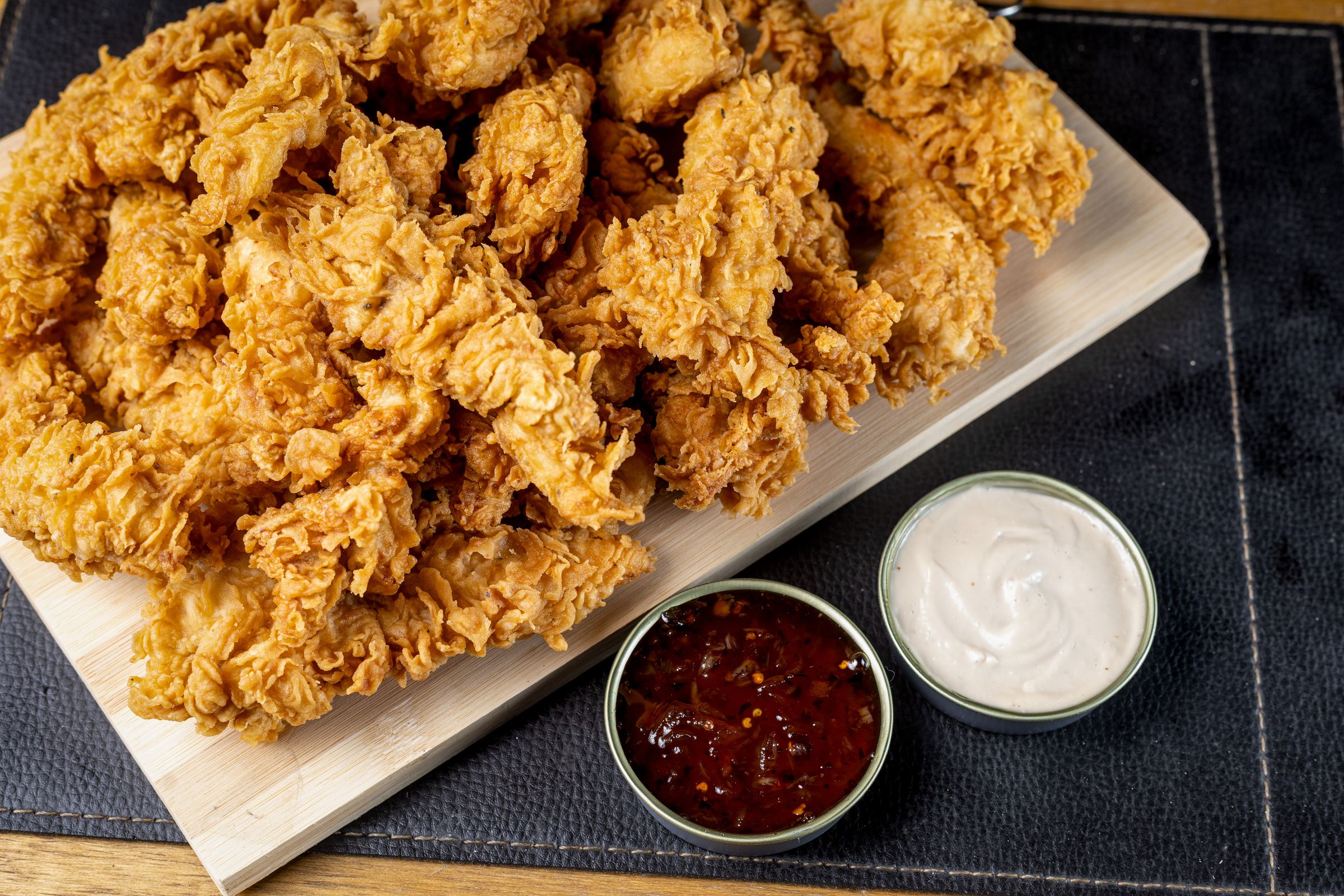
    Platter of crispy fried chicken tenders

    Chicken Nuggets are the clear volume play here — 10 pieces for $6.00 works out to the lowest cost per piece of anything on the list. If you’re feeding a larger group on a budget, one or two orders of nuggets stretches further than the same amount spent on any other single item.

    How Many Orders for Your Group Size

    Using the 4-to-6-pieces-per-person target and Chicken Nuggets’ 10-piece count as a baseline, here’s roughly how many orders that works out to:

    Group Size Total Pieces Needed Nuggets Orders (10pc each)
    4 people 16–24 2
    6 people 24–36 3
    8 people 32–48 4
    12 people 48–72 6

    This assumes appetizers alongside a real meal, not as the only food being served. If appetizers are the entire spread for your gathering, double these numbers to land in the 8-to-12-piece range instead.

    Mixing Instead of Ordering One Item

    Ordering one giant pile of a single appetizer almost never works as well as splitting the same total across two or three different ones. Our appetizers guide groups the ten options into bread sides, fried vegetables, and breaded classics — a useful frame for building variety instead of volume.

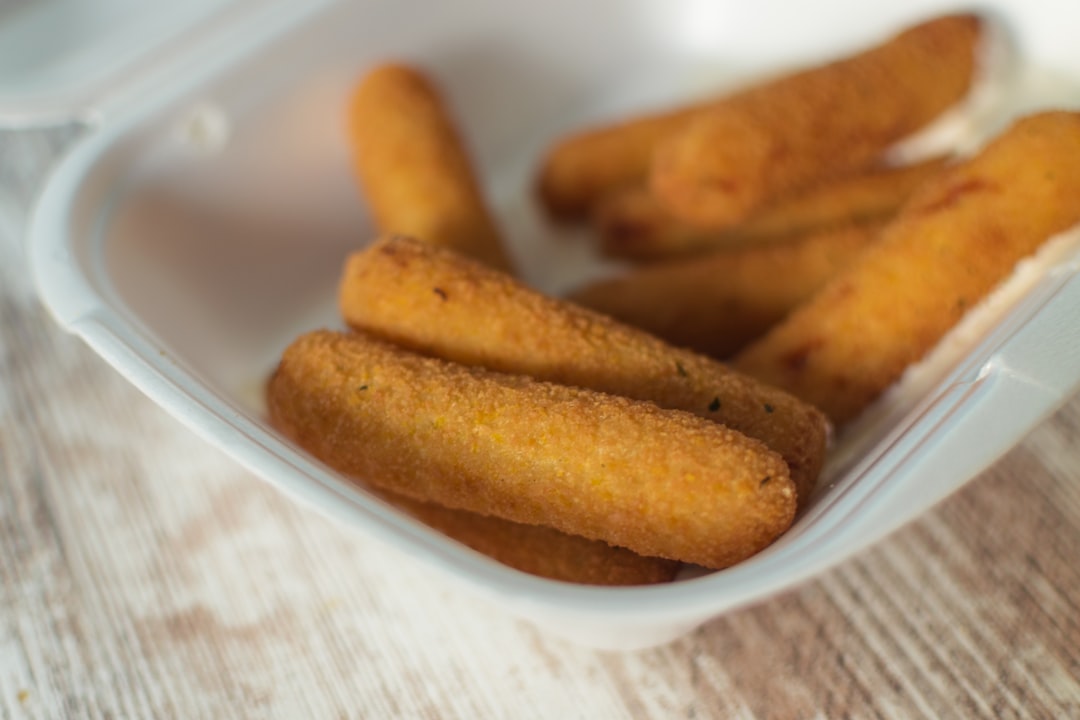
    Mozzarella sticks with marinara sauce

    For a group of 8, instead of four orders of the same item, a mixed order might look like: two orders of Chicken Nuggets (20 pieces), one order of Mozzarella Sticks (5 pieces), one order of Jalapeño Poppers (6 pieces), and one Cheese Fries to share. That’s 31 fried pieces plus a shared side across three different flavors, landing right in the 4-to-6-per-person range for 8 people.

    The Portion-Based Options

    Six of our ten appetizers — Garlic Bread, Garlic Bread with Cheese, Onion Rings, Fried Mushrooms, Broccoli Bites, and Cheese Fries — are sold as a single shared portion rather than a fixed piece count. Treat each of these orders as good for roughly 2 to 3 people sharing, rather than trying to divide it into individual pieces.

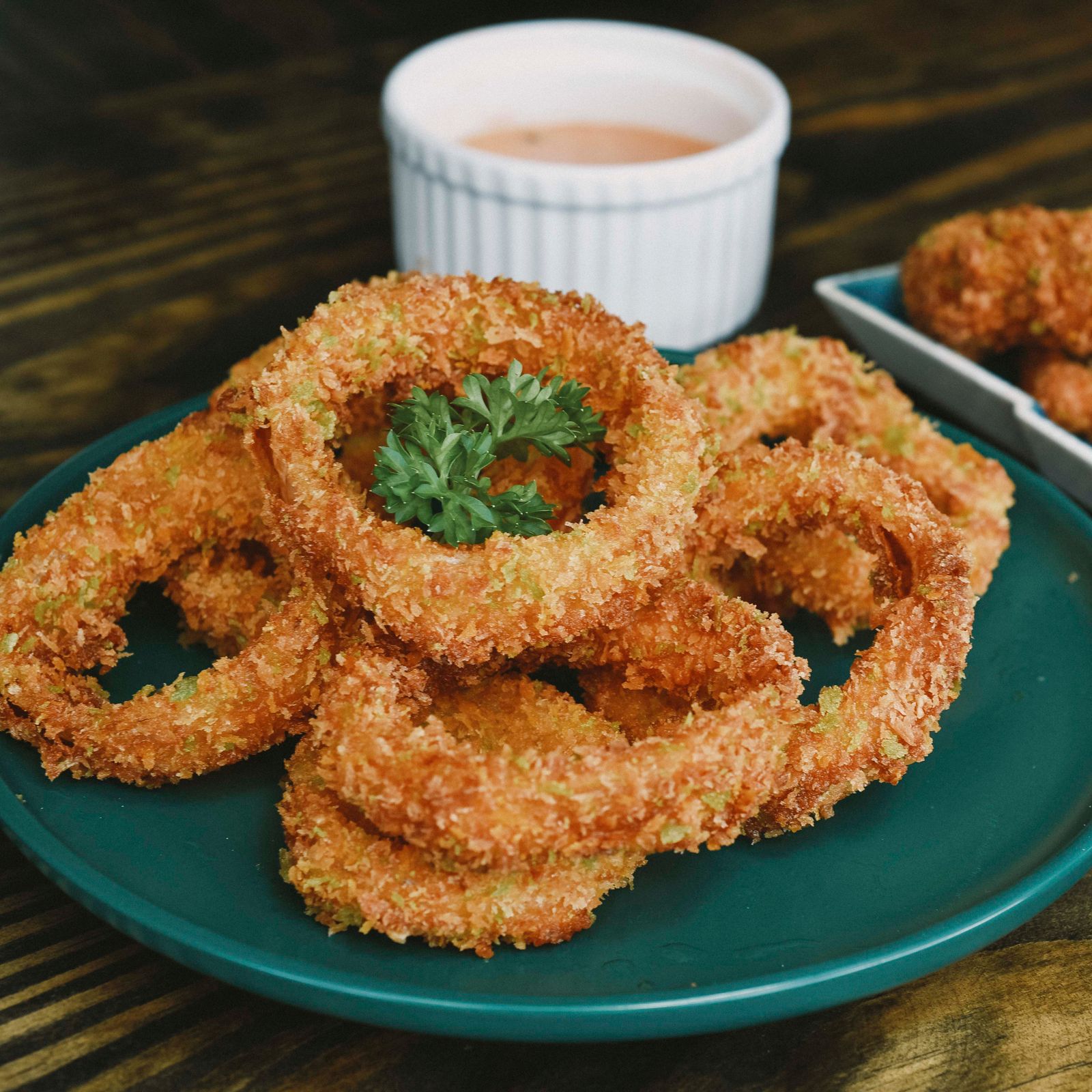
    Crispy onion rings on a plate

    For a group of 8 to 10 people, three to four of these portion-based orders spread across different types — say, one Garlic Bread with Cheese, one Onion Rings, and one Broccoli Bites — adds real variety without over-ordering. Call (215) 904-7353 if you want an exact piece count on any of these before placing a larger order.

    Crispy jalapeno poppers

    Cost Per Person, Not Just Cost Per Order

    It’s easy to compare appetizers by their sticker price alone, but cost per piece tells a more useful story when you’re feeding a group. Chicken Nuggets work out to about $0.60 per piece. Jalapeño Poppers land around $1.08 per piece. Mozzarella Sticks run about $1.20 per piece, and Chicken Fingers are the most expensive per piece at roughly $1.88, even though they’re the most substantial single bite of the four.

    That doesn’t make Chicken Fingers a worse choice — they come with honey mustard included and are simply a bigger, more filling piece than a nugget. But if you’re working with a fixed budget for a larger group, leaning on Chicken Nuggets to cover volume and adding a smaller order of something like Jalapeño Poppers or Chicken Fingers for variety stretches your budget further than an equal split across all four.

    Don’t Forget the Sides Everyone Overlooks

    Cheese Fries and plain Garlic Bread are easy to forget when you’re focused on the piece-count items, but both work well as a low-cost way to round out a larger order without adding another fried, breaded item to the mix. They also give people who don’t want fried chicken or cheese sticks something else to reach for.

    A reasonable rule for larger groups: for every three piece-count orders (nuggets, poppers, mozzarella sticks, or fingers) you plan to bring, add one portion-based side to the order. That keeps the table from feeling like an unbroken wall of fried, breaded food, and gives the spread some real textural variety.

    Ordering Alongside Your Main Course

    How many appetizers you need also depends on what else is on the table. If you’re already ordering from our lunch specials or a full round of pizzas, lean toward the lighter 4-piece-per-person end of the range, since appetizers are supplementing a meal that’s already filling on its own.

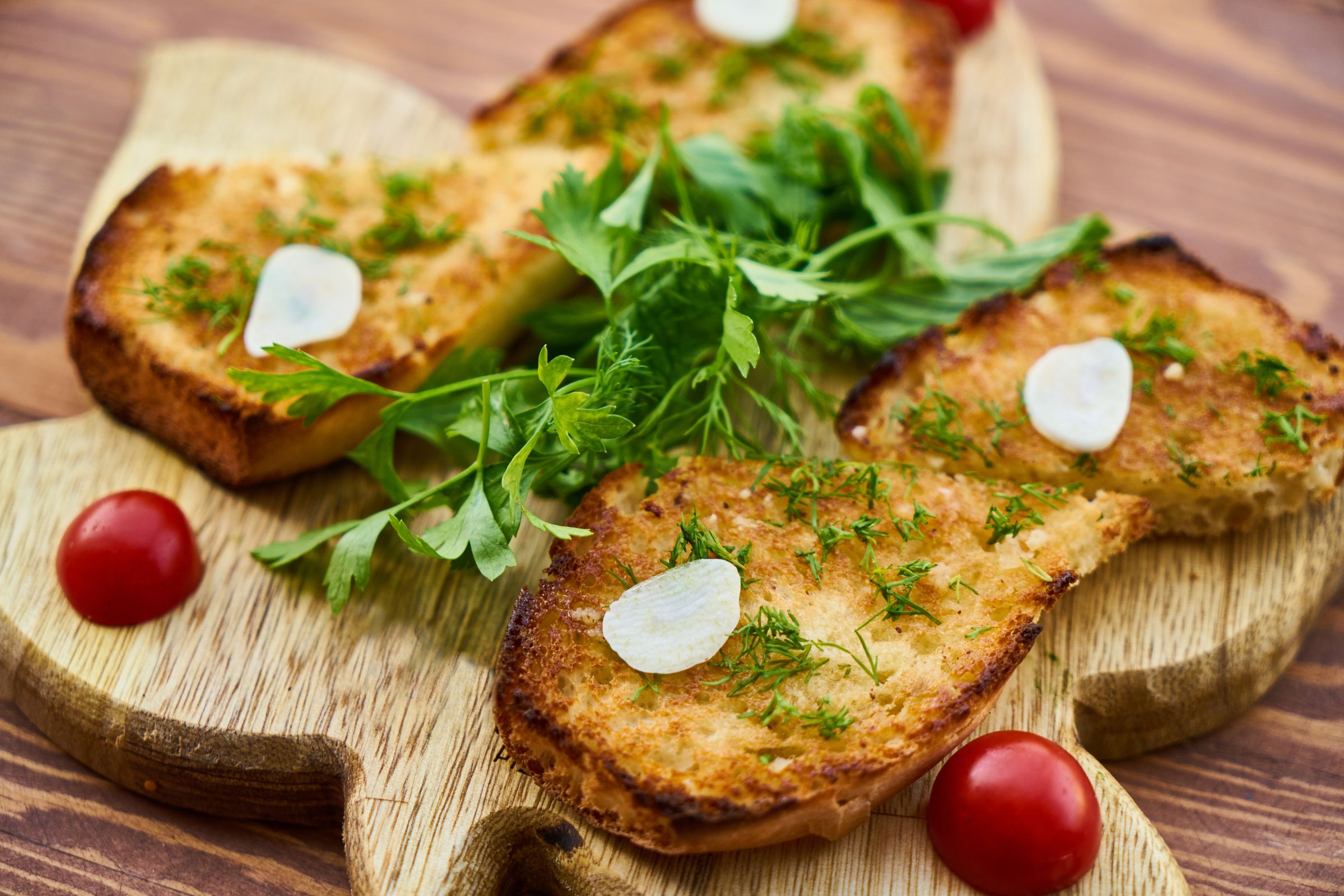
    Toasted garlic bread with herbs

    If appetizers are genuinely the centerpiece of the gathering — a casual get-together with no separate main course planned — push toward the higher end and consider adding a second round of breaded classics like Chicken Fingers or Jalapeño Poppers, since those tend to disappear fastest at any table.

    Frequently Asked Questions

    How many appetizer pieces should I order per person?
    Plan for 4 to 6 pieces per person if appetizers are served alongside a meal, or 8 to 12 pieces per person if appetizers are the main event.
    Which appetizer gives the most pieces per order?
    Chicken Nuggets, at 10 pieces for $6.00 — the lowest cost per piece of any item with a fixed count.
    How many people does one order of Garlic Bread or Onion Rings feed?
    These portion-based items generally work as a shared side for 2 to 3 people. Call (215) 904-7353 for an exact count before ordering for a large group.
    Is it better to order one large appetizer or several different ones?
    Several different ones. Splitting the same total quantity across two or three appetizers from different groups — a bread side, a fried vegetable, and a breaded classic — gives more variety than one large order of a single item.
    How many appetizer orders do I need for 10 people?
    At 4 to 6 pieces per person, that’s 40 to 60 pieces total — roughly four orders of Chicken Nuggets, or a mix of nuggets, poppers, and mozzarella sticks totaling around that range.
    Which appetizer is the best value for a large group?
    Chicken Nuggets, at roughly $0.60 per piece — the lowest cost per piece of any item on the menu with a fixed count.

    Ready to order for your group? All ten are made fresh.

    Order Appetizers →

  • Pizza Steak vs. Pizza Cheeseburger: Same Toppings, Two Different Sandwiches

    Pizza Steak vs. Pizza Cheeseburger: Same Toppings, Two Different Sandwiches

    Pizza Steak and Pizza Cheeseburger both do the exact same trick: swap a sandwich’s usual cheese and toppings for mozzarella and marinara, essentially turning it into a pizza in sandwich form. One does it to a cheesesteak. The other does it to a burger.

    Here’s how the identical flavor concept plays out differently across two different bases, what the $2.25 price gap between them actually reflects, and how to decide which format you want.

    Our complete cheesesteak guide and complete burger guide each cover this item briefly on their own. This is the first piece that puts them directly side by side.

    Pizza Steak vs. Pizza Cheeseburger at a Glance

      Pizza Steak Pizza Cheeseburger
    Base Griddled chopped steak Beef patty
    Bread Long roll Round bun
    Topping Mozzarella & marinara Mozzarella & marinara
    Price $9.75 $7.50

    Pizza Steak: The Cheesesteak Version

    The Pizza Steak takes our griddled chopped steak and tops it with mozzarella cheese and marinara sauce instead of the usual cheesesteak toppings. It’s a cheesesteak that eats like a pizza slice folded into a roll.

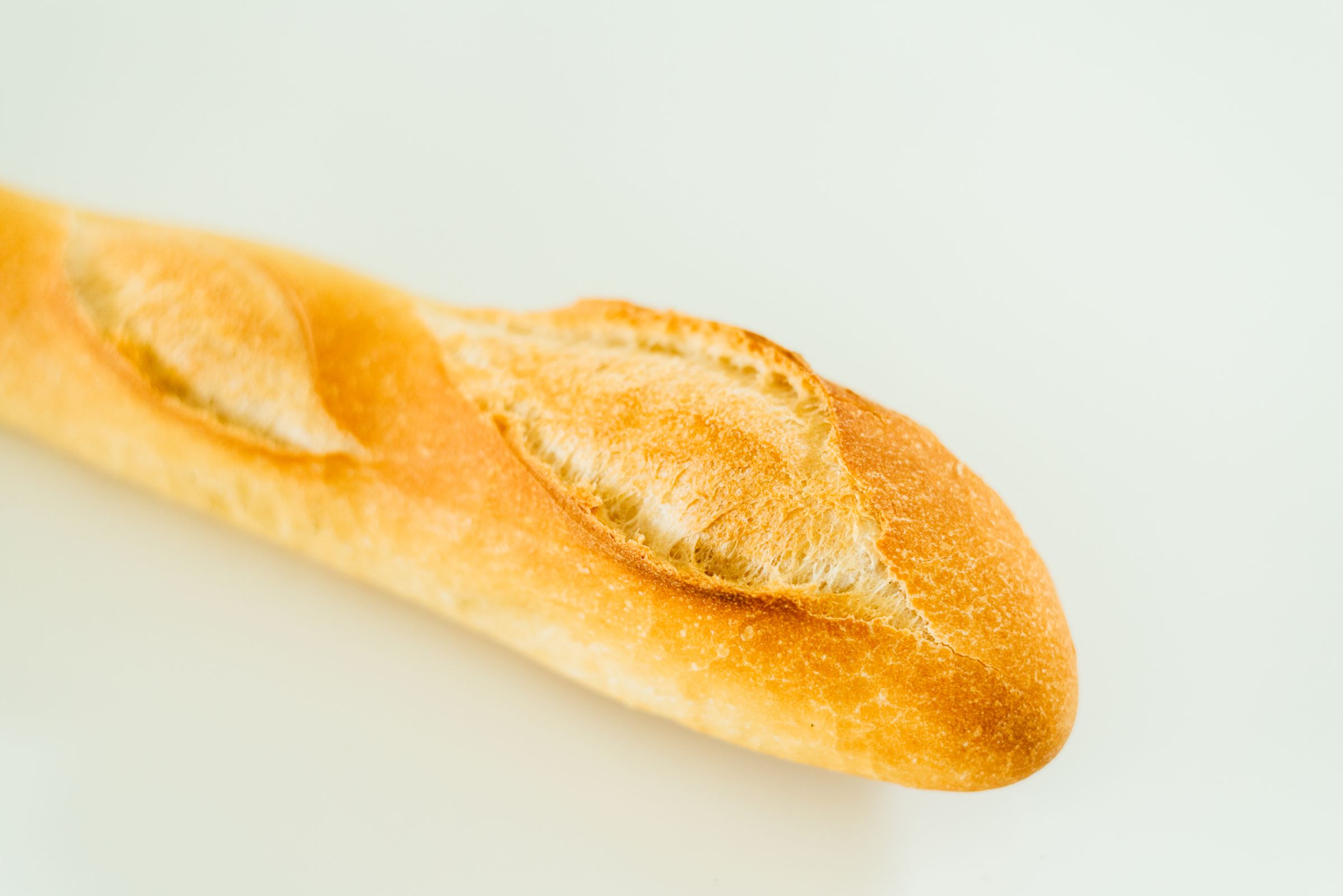
    Fresh baked baguette roll

    The chopped, griddled steak underneath is what makes this version different from the burger one, beyond just the bread. Thin-sliced steak spreads loosely through the roll, so the marinara and mozzarella work their way into the meat itself rather than sitting cleanly on top of a single patty.
    Pizza Cheeseburger: The Burger Version

    The Pizza Cheeseburger takes the same idea — mozzarella and marinara replacing the usual toppings — and applies it to a beef patty on a round bun instead of chopped steak on a long roll.

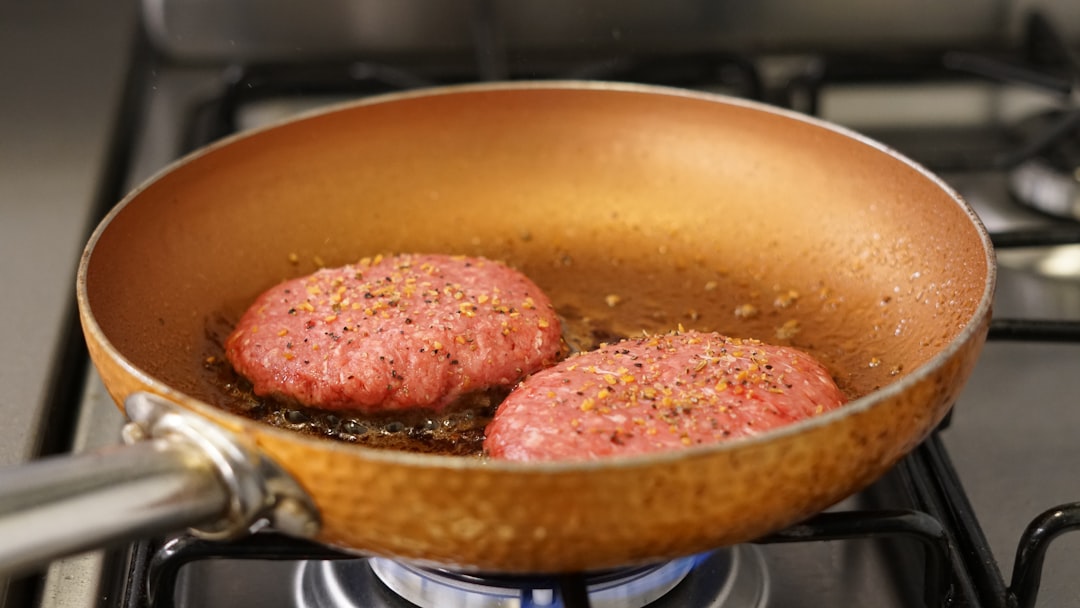
    Beef patties cooking in a pan

    Here the mozzarella and marinara sit on top of one solid patty rather than blending into loose, chopped meat. Every bite gets a consistent ratio of beef, cheese, and sauce, since the patty holds together as a single piece the way the steak doesn’t.

    Same Two Toppings, Two Different Textures

    Mozzarella and marinara are identical on both — same cheese, same sauce, same core idea. What changes entirely is how that topping interacts with what’s underneath it.

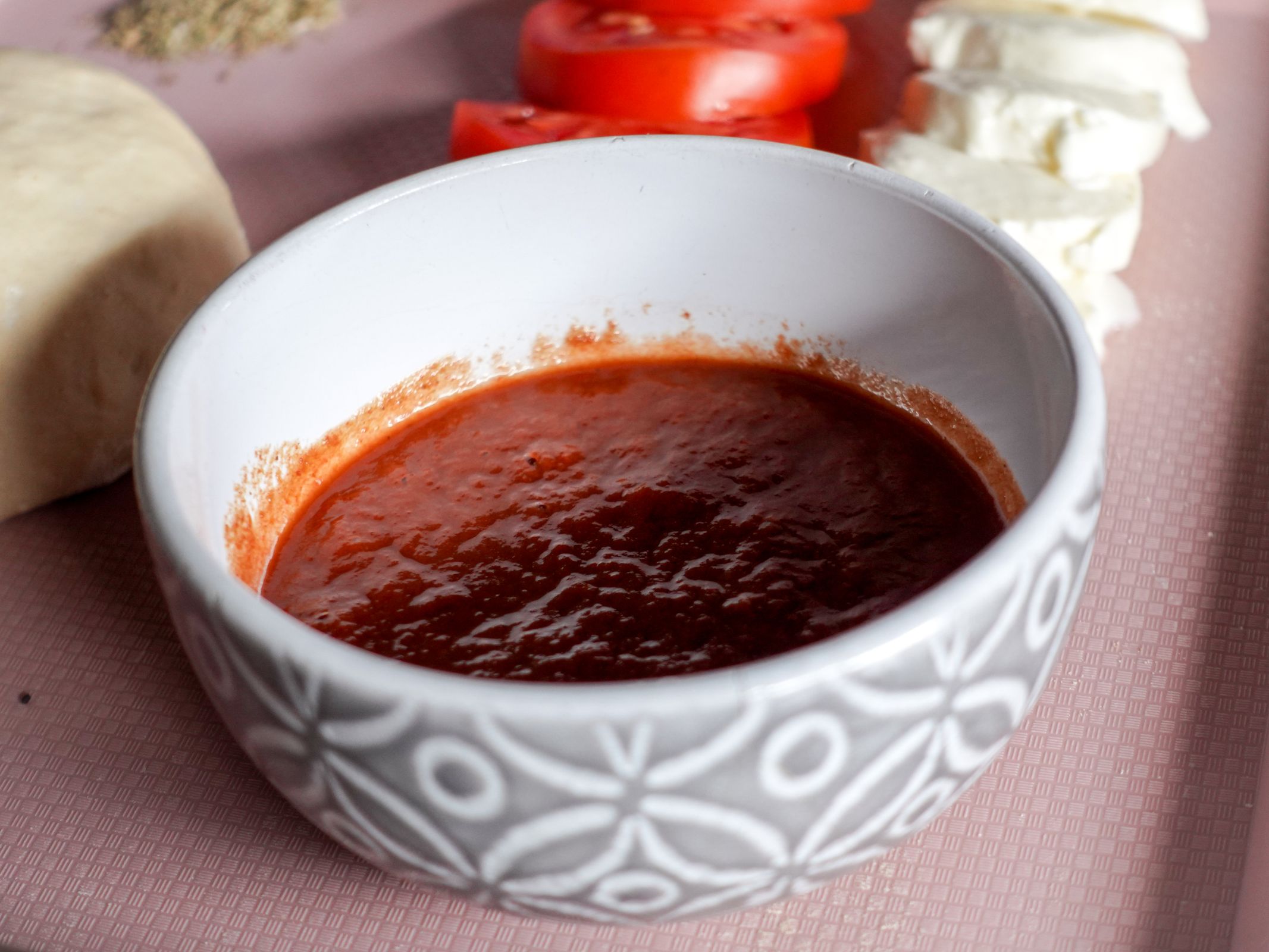
    Marinara sauce, mozzarella, and tomatoes

    On the Pizza Steak, the sauce and cheese mix into the chopped meat throughout the roll, so the pizza flavor is distributed evenly in every bite. On the Pizza Cheeseburger, the same two ingredients sit as a distinct layer on top of the patty, closer to how they’d sit on an actual slice of pizza. If you want the more literal pizza-slice experience, the burger version is structurally closer to it.

    Fresh mozzarella with tomatoes and basil

    Bread matters too. A long roll holds loose, chopped filling well but can eat messier with a wetter topping like marinara. A round bun contains the patty and toppings more predictably, since everything is stacked rather than mixed in.

    Portion shape plays into this as well. A cheesesteak roll is built to be eaten in bites along its length, so the marinara has more surface area to travel across as you eat. A burger is eaten more or less the same way through its whole diameter each bite, so the sauce-to-bread ratio stays more consistent from the first bite to the last.

    Ordering for a Group Craving Pizza Flavor

    If you’re feeding people who all want that pizza taste but can’t agree on format, ordering one of each covers both camps without anyone settling. Since the topping is identical, nobody ends up with a genuinely worse version — just a different base underneath the same flavor.

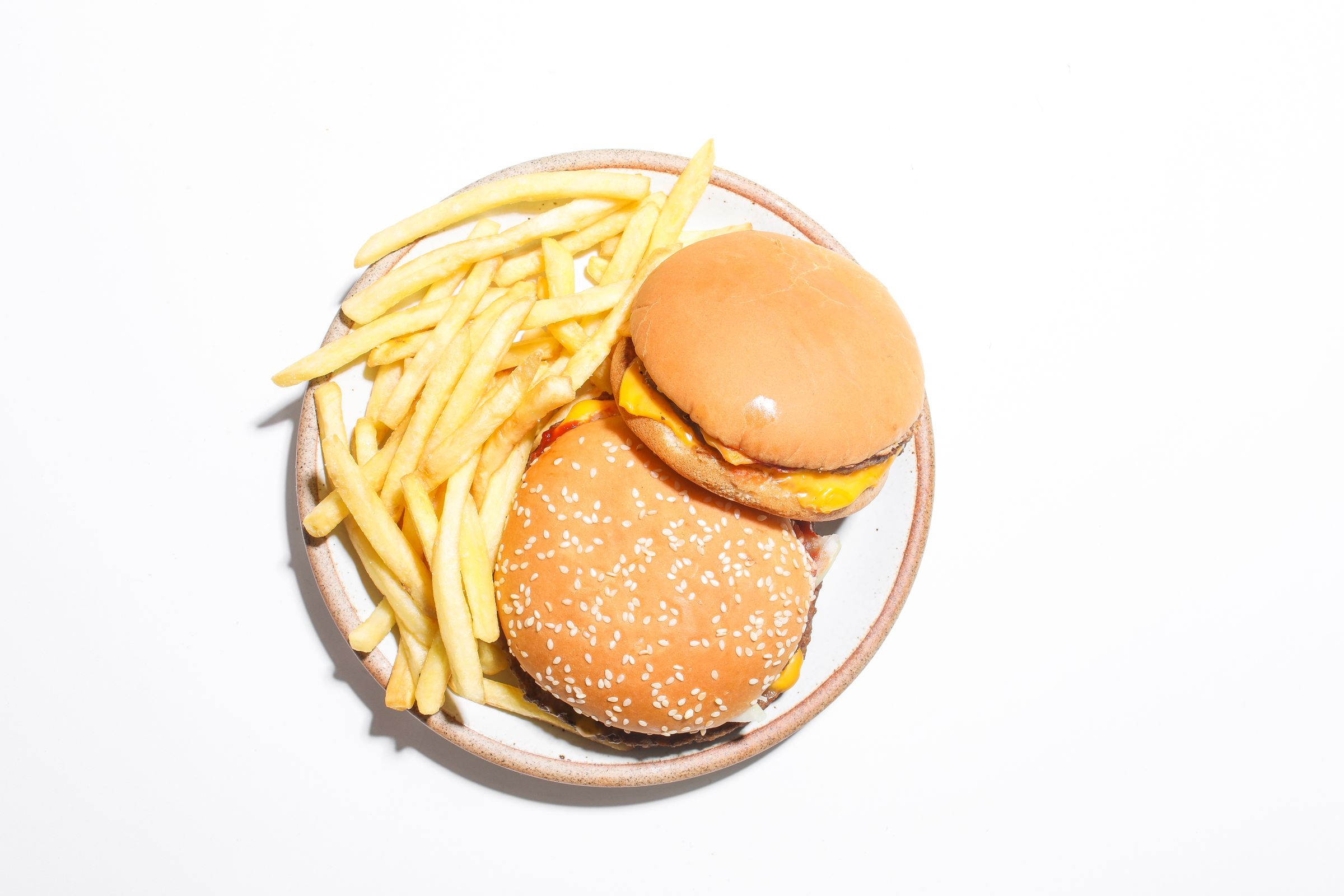
    Cheeseburger served with french fries

    It’s also a useful pair to know about if you’re trying to decide between ordering an actual pizza slice and a sandwich on a night when you’re craving pizza flavor but want something handheld instead. Either of these solves that craving without committing to a full pie.
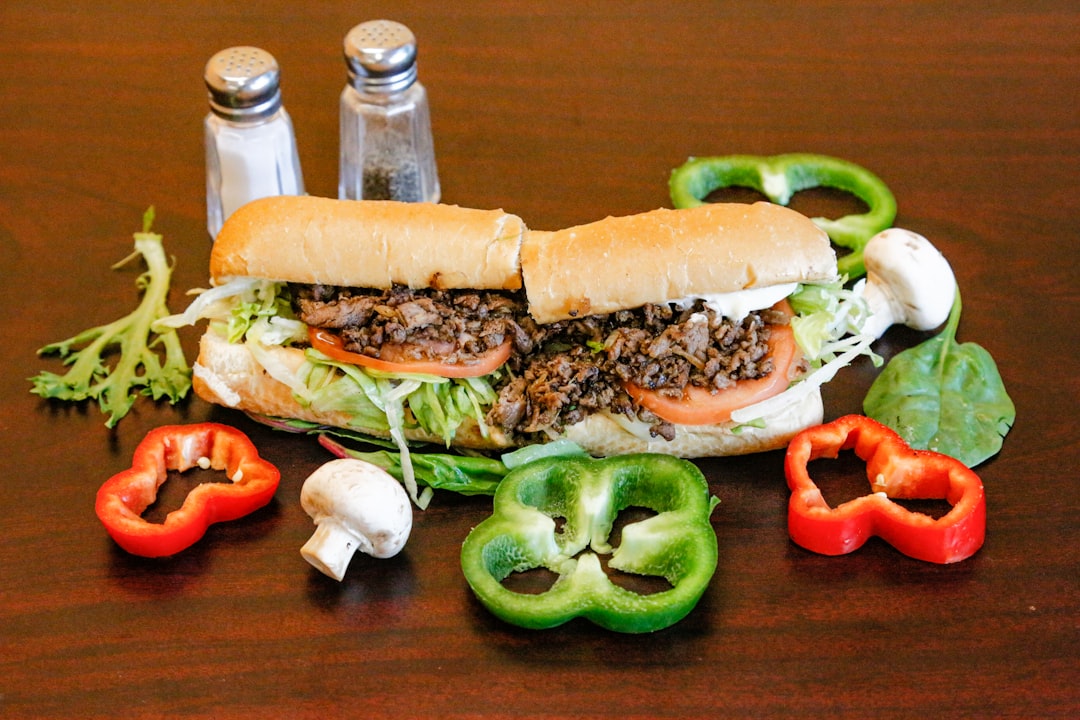
    Why Pizza Steak Costs More

    Pizza Steak is $9.75; Pizza Cheeseburger is $7.50 — a $2.25 gap between two sandwiches using the identical topping combination. Since mozzarella and marinara cost the same regardless of which base they go on, that difference comes entirely from the base itself: griddled steak versus a beef patty, and a long roll versus a bun.

    That’s consistent with how the rest of each category is priced on our menu. Every cheesesteak costs more than its closest burger equivalent, largely because chopped, griddled steak is a more involved preparation than a formed patty. Pizza Steak and Pizza Cheeseburger just make that pattern easier to see, since the topping itself is identical and isolates the base as the only real cost driver.

    Pros and Cons of Each

    Sandwich Best For Trade-off
    Pizza Steak Pizza flavor mixed through chopped steak Costs $2.25 more
    Pizza Cheeseburger Pizza flavor layered on a single patty, lower price Less blended, more separated layers

    Which One Should You Order?

    If you want the pizza flavor worked all the way through the meat, in a long-roll format, order Pizza Steak. If you want it layered on top of a single patty in a more traditional burger shape, and don’t mind spending less to get it, order Pizza Cheeseburger.

    If you’re genuinely torn, think about which format you already prefer on a normal night. If you usually reach for a cheesesteak over a burger, Pizza Steak will feel like the more natural pizza-flavored version. If burgers are your default order, Pizza Cheeseburger delivers the same idea without asking you to switch formats.

    Our Steak Calzone and Steak Stromboli take steak and mozzarella in yet another direction — baked into pizza dough instead of a roll or bun. See our complete calzones & stromboli guide for that version of the same idea.

    Frequently Asked Questions

    What’s the difference between Pizza Steak and Pizza Cheeseburger?
    Both use mozzarella cheese and marinara sauce. Pizza Steak puts it on griddled chopped steak in a long roll; Pizza Cheeseburger puts it on a beef patty in a round bun.
    Why does Pizza Steak cost more than Pizza Cheeseburger?
    The $2.25 difference comes from the base, not the topping — griddled chopped steak costs more to prepare than a formed beef patty, the same pattern seen across our cheesesteak and burger menus generally.
    Do Pizza Steak and Pizza Cheeseburger taste the same?
    They share the same core flavor from the mozzarella and marinara, but the texture differs — the topping mixes into the chopped steak on one, and sits as a distinct layer on the patty on the other.
    Is there a version of this same idea on a calzone or stromboli?
    Yes — our Steak Calzone and Steak Stromboli use steak and mozzarella cheese baked into pizza dough instead of a roll or bun.
    Which one is closer to an actual slice of pizza?
    Pizza Cheeseburger, since the mozzarella and marinara sit on top of a single patty rather than mixing into chopped meat, closer to how toppings sit on a pizza slice.
    Can I order both to share with a group?
    Yes — since both use the identical mozzarella and marinara topping, ordering one of each covers anyone craving pizza flavor regardless of whether they prefer a cheesesteak or a burger format.

    Same pizza flavor, two different sandwiches.

    Order Pizza Steak →

  • Cheesesteak Hoagie vs. Italian Hoagie: Which Should You Order?

    Cheesesteak Hoagie vs. Italian Hoagie: Which Should You Order?

    The Cheesesteak Hoagie is one of the only hot sandwiches in our hoagie lineup, built around griddled steak instead of cold deli meat. The Italian Hoagie is the most loaded of our fully cold ones. Put them side by side and you’re really choosing between two different sandwich philosophies, not just two different fillings.

    Here’s exactly what’s in each one, what actually changes between a hot single-protein sandwich and a cold three-meat one, and how to decide which you want.

    If you want the general history behind why cheesesteaks and hoagies are built so differently in the first place, our Cheesesteak vs. Hoagie guide covers that story in full. This piece is narrower and more specific — a real, ingredient-by-ingredient look at these two exact sandwiches.

    Cheesesteak Hoagie vs. Italian Hoagie at a Glance

      Cheesesteak Hoagie Italian Hoagie
    Protein Steak (1 protein) Salami, pepperoni, ham (3 proteins)
    Cheese Melted, on the steak Provolone, cold
    Toppings Lettuce, tomato Lettuce, tomato, onion
    Temperature Hot filling, cold toppings Fully cold
    Price $10.00 $8.75

    Cheesesteak Hoagie: Hot Steak, Cold Toppings

    The Cheesesteak Hoagie is built from premium griddled steak and melted cheese, finished with cold lettuce and tomato. It’s one of the only hoagies on our menu where part of the sandwich comes straight off the grill, rather than being built entirely from cold deli meat.

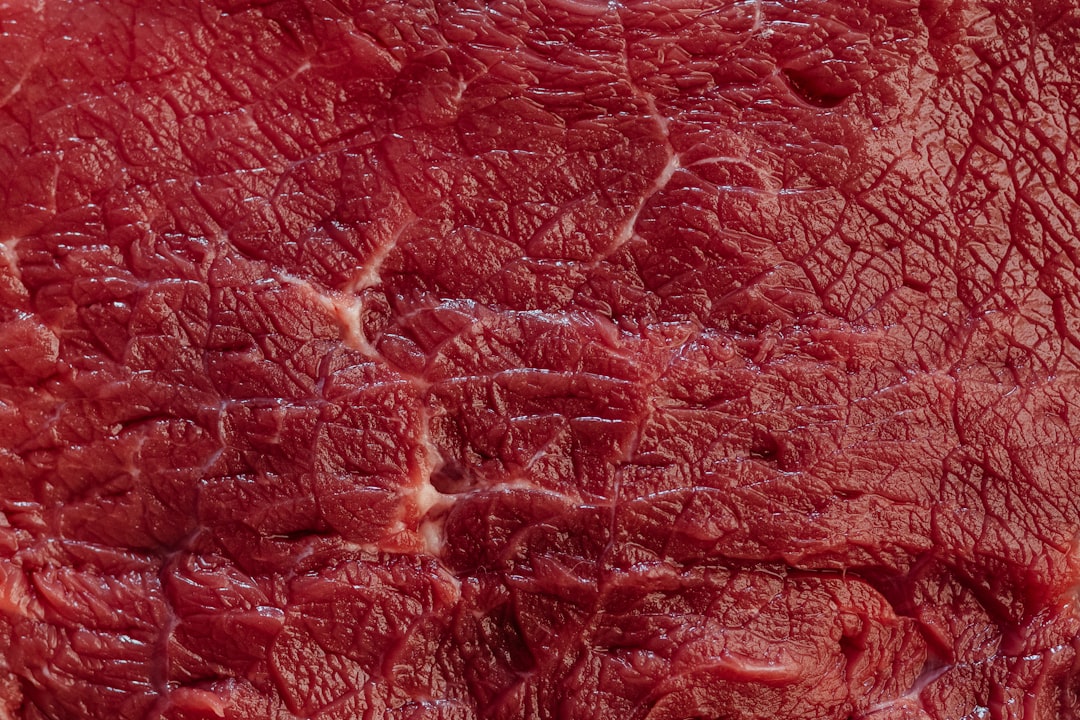
    Close-up texture of raw beef

    That hot-and-cold contrast is really the whole appeal. The steak and cheese stay hot and melted, while the lettuce and tomato arrive at room temperature, so every bite has both a warm, savory side and a cool, crisp one at the same time — something a fully cold, deli-style hoagie like the Italian can’t offer, since it involves no cooking at the point of assembly.

    Notice it’s also the only hoagie that skips onion. Every other hoagie on our menu, including the Italian, includes it standard. That’s a real, specific difference worth knowing if onion is something you either always want or always ask to leave off.

    Italian Hoagie: Three Cold Meats, No Cooking

    The Italian Hoagie is salami, pepperoni, ham, and provolone cheese, layered cold with lettuce, tomatoes, and onion. It’s the most loaded hoagie on our menu by protein count — three different cured meats in one sandwich.

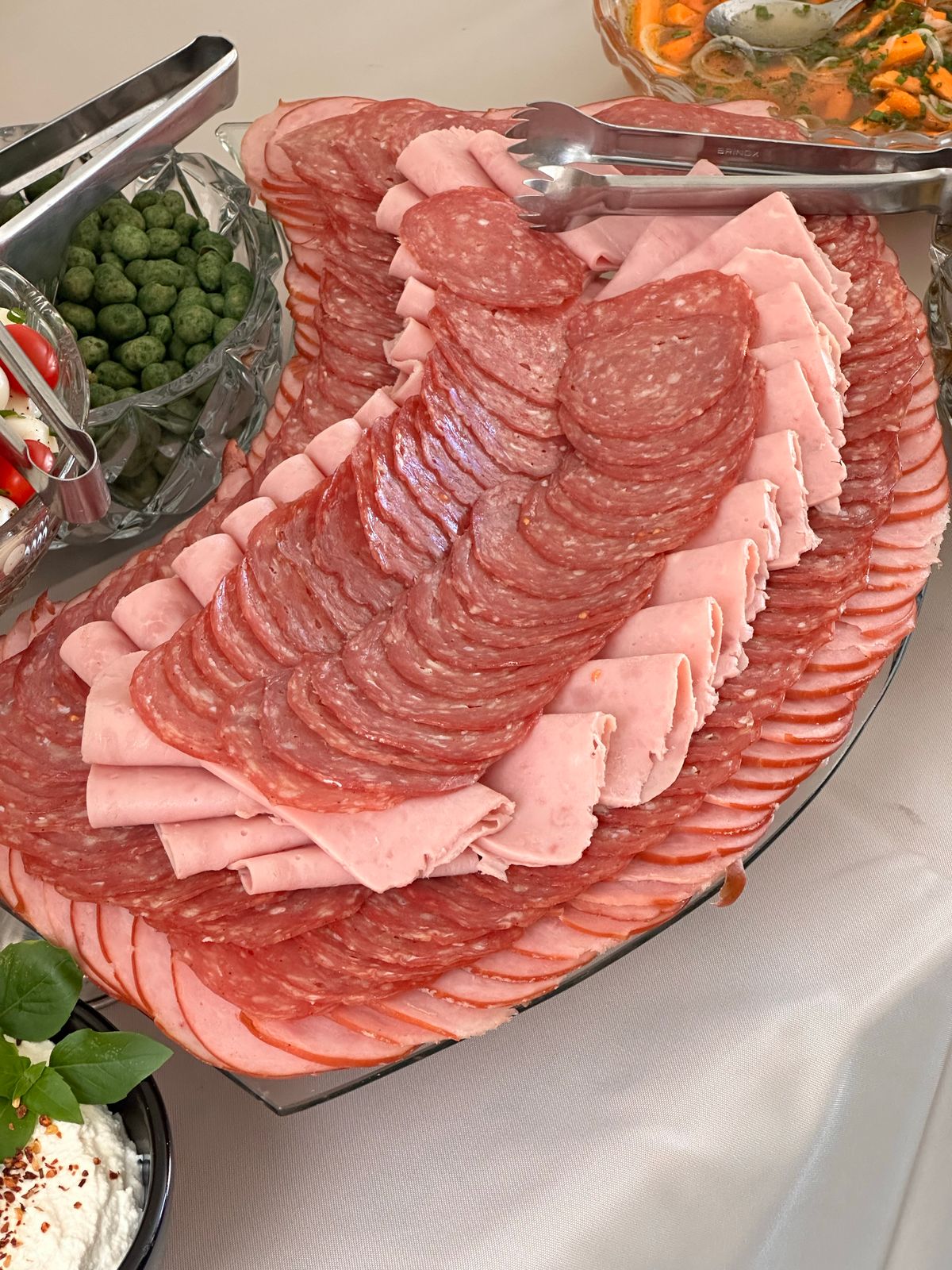
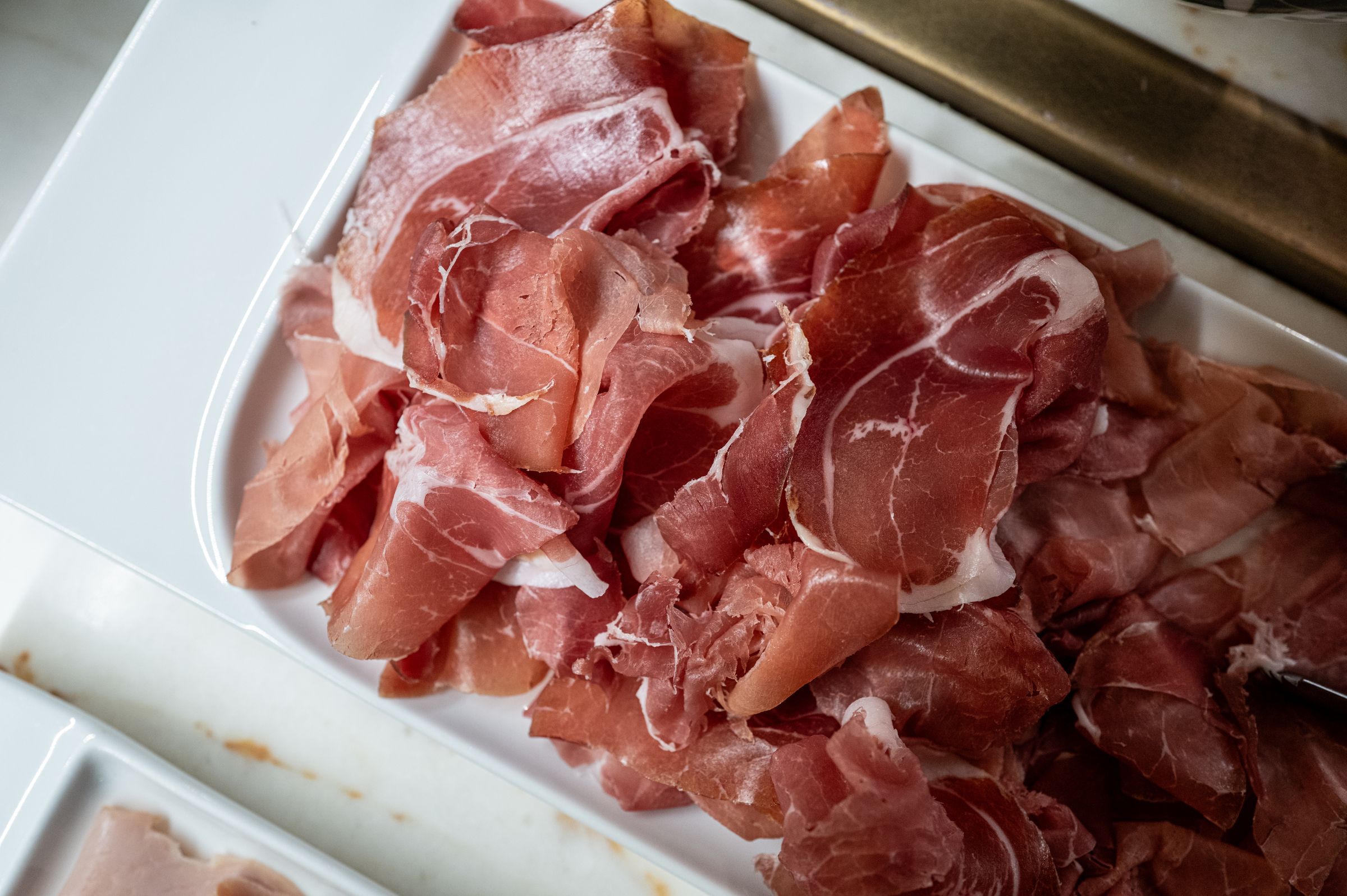
    Platter of sliced deli meats

    Nothing on this sandwich is cooked as part of assembly. Salami and pepperoni are cured, ham is cooked ahead of time and served cold, and the provolone is a cold cheese slice rather than something melted onto the sandwich. That’s the defining trait of a hoagie in the first place, and the Italian Hoagie leans into it more than any other option we make.

    Half of a red onion

    Three distinct cured meats also means three different textures and salt levels in one sandwich — salami’s fattier bite, pepperoni’s spice, ham’s milder sweetness. If you want maximum variety in a single cold sandwich, this is the one built for that.

    One Protein vs. Three: What That Actually Changes

    The Cheesesteak Hoagie’s single protein isn’t a limitation — it’s the whole point. Steak on its own, hot and melted with cheese, is a complete flavor on its own terms, the same way a classic Cheesesteak doesn’t need a second meat to feel finished.

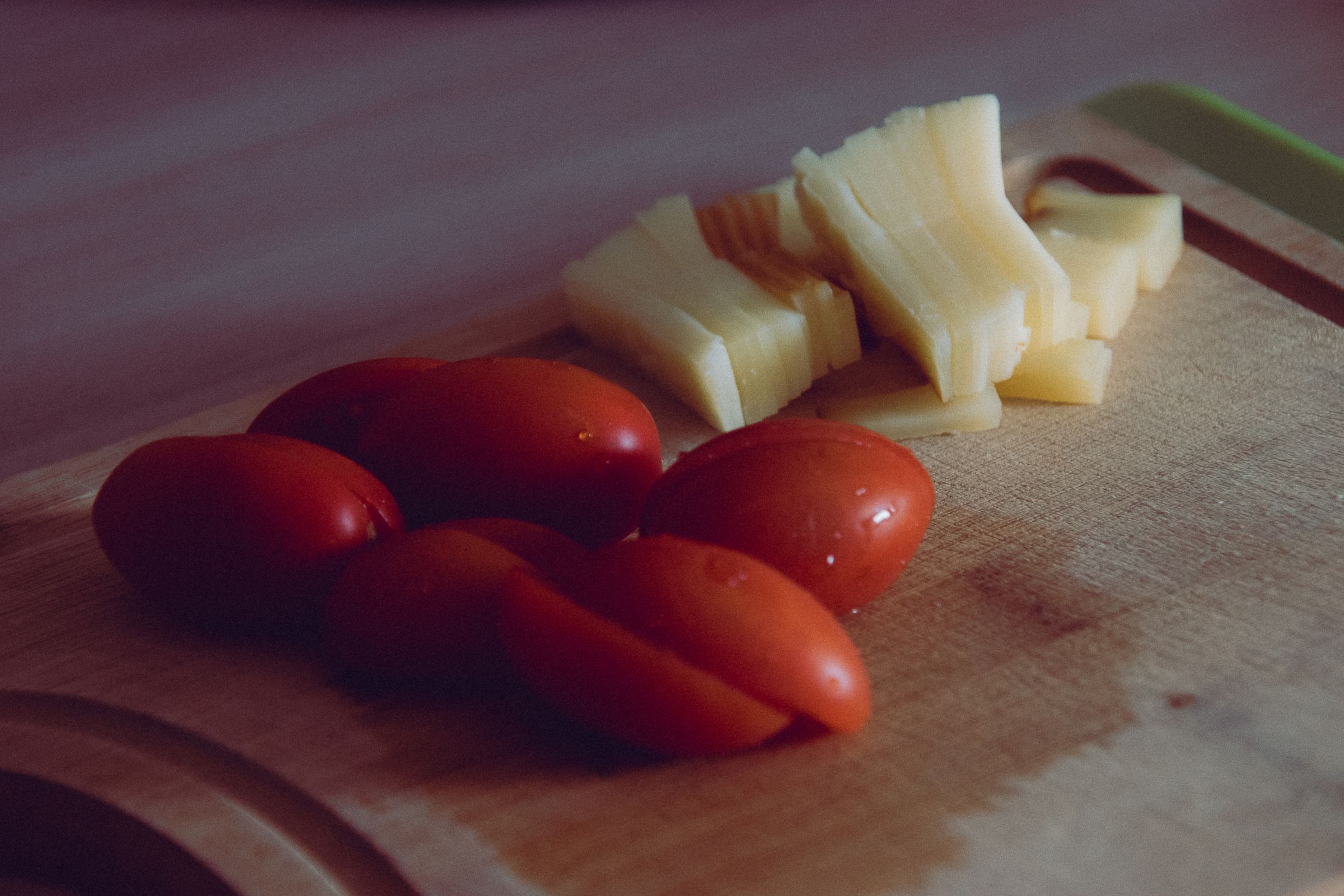
    Sliced cheese and cherry tomatoes on a cutting board

    The Italian Hoagie’s three meats work by a different logic entirely — variety within a single bite, rather than one ingredient doing all the work. Neither approach is more correct. A hot cheesesteak-style sandwich is built to showcase one protein well; a cold Italian-style hoagie is built to combine several at once.

    Why the Cheesesteak Hoagie Costs More

    At $10.00 versus $8.75, the Cheesesteak Hoagie costs $1.25 more than the Italian Hoagie, despite having fewer proteins. That price gap tracks with the extra step involved — griddling steak to order takes more active preparation than layering cold cuts, even though the Italian technically packs more ingredients into the sandwich.

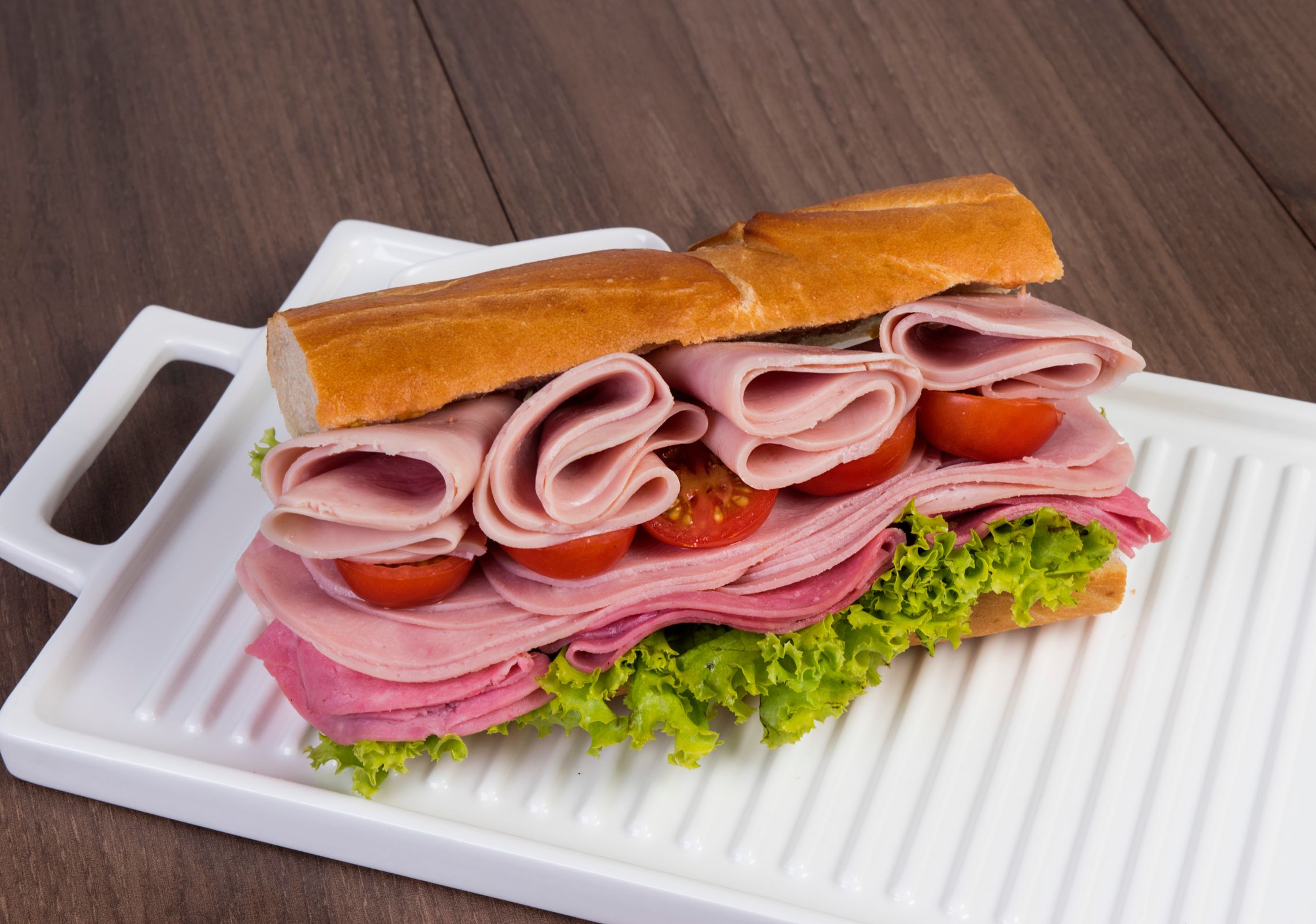
    Sub sandwich with lettuce and tomato

    It’s a useful reminder that price on our menu doesn’t always scale with ingredient count — sometimes it reflects preparation and format instead. If you’re comparing these two purely on “more food for the money,” the Italian Hoagie technically wins on protein variety per dollar. If you’re comparing them on hot-versus-cold experience, that’s not really a fair comparison to make in the first place.
    Ordering for a Group

    If you’re ordering hoagies for a group with mixed preferences, these two cover a lot of ground between them. The Cheesesteak Hoagie works for anyone who wants something warm and filling, closer to a full meal than a quick sandwich. The Italian Hoagie works for anyone who wants a traditional, grab-and-go cold sandwich that doesn’t need to be eaten right away.

    That last point matters more than it might seem. A hot sandwich like the Cheesesteak Hoagie is best eaten soon after it’s made, while the steak and cheese are still hot and the bread hasn’t had time to soften from the heat. The Italian Hoagie doesn’t have that same clock running — being fully cold to begin with, it holds up just as well an hour after pickup as it does right away, which makes it the more practical choice if you’re ordering ahead for a later meal.

    Pros and Cons of Each

    Hoagie Best For Trade-off
    Cheesesteak Hoagie Hot-and-cold contrast, single-protein simplicity Costs more, no onion, only 1 protein
    Italian Hoagie Maximum protein variety, classic cold hoagie No hot component at all

    Which One Should You Order?

    If you want a hot, melted sandwich with cold toppings on top, order the Cheesesteak Hoagie. If you want a classic, fully cold sandwich with three different meats in one bite, order the Italian Hoagie.

    Temperature is really the deciding factor here, more than ingredients. If you’re craving something warm and don’t mind paying a bit more for it, the Cheesesteak Hoagie is the clear pick. If you want a traditional deli-style sandwich you can eat anywhere without worrying about it cooling down, the Italian Hoagie holds up better for that.

    See the rest of the lineup, including the Ham, Turkey, and Tuna versions, in our complete hoagie guide, read what actually makes a Cheesesteak Hoagie different from a regular Cheesesteak if you’re deciding between those two instead, or read our Cheeseburger Hoagie vs. Cheesesteak Hoagie comparison if you want to see how it stacks up against our other hot-protein hoagie.

    Frequently Asked Questions

    What’s the difference between the Cheesesteak Hoagie and the Italian Hoagie?
    The Cheesesteak Hoagie is hot griddled steak and melted cheese with cold lettuce and tomato. The Italian Hoagie is fully cold — salami, pepperoni, ham, and provolone with lettuce, tomato, and onion.
    Why doesn’t the Cheesesteak Hoagie come with onion?
    It’s built with just lettuce and tomato in our recovered description, unlike every other hoagie on our menu, which includes onion standard.
    Which hoagie has more protein, the Cheesesteak Hoagie or the Italian Hoagie?
    The Italian Hoagie has three proteins (salami, pepperoni, ham) versus the Cheesesteak Hoagie’s one (steak), even though the Cheesesteak Hoagie costs more.
    Is the Cheesesteak Hoagie served hot or cold?
    Both — the steak and cheese are hot, while the lettuce and tomato toppings are added cold, the same way they would be on any other hoagie.
    Why does the Cheesesteak Hoagie cost more than the Italian Hoagie?
    The $1.25 price difference reflects the extra preparation involved in griddling the steak to order, not a difference in ingredient count.
    Which hoagie holds up better if I’m not eating it right away?
    The Italian Hoagie, since it’s fully cold to begin with. The Cheesesteak Hoagie is best eaten soon after pickup, while the steak and cheese are still hot.

    Hot and simple, or cold and loaded — your call.

    Order a Hoagie →

  • Creamy Linguini Alfredo vs. Classic Linguini: What’s the Real Difference?

    Creamy Linguini Alfredo vs. Classic Linguini: What’s the Real Difference?

    Classic Linguini and Creamy Linguini Alfredo start from the exact same noodle. Everything else about them — sauce, price, richness, even which country the sauce actually comes from — is different.

    Here’s exactly what separates these two, what you’re really paying that extra $2.50 for, and how to decide which one you want tonight.

    Our complete pasta guide covers all six pasta dishes we make. This is a closer look at just these two, since they share the same noodle and are the clearest red-sauce-versus-white-sauce decision on the whole menu.

    Creamy Linguini Alfredo vs. Classic Linguini at a Glance

      Creamy Linguini Alfredo Classic Linguini
    Sauce Cream-based alfredo Marinara
    Noodle Linguini Linguini
    Cheese or protein None listed beyond the sauce None
    Price $10.00 $7.50
    Price gap $2.50 — entirely the sauce

    Classic Linguini: The Simple, Red-Sauce Version

    The Classic Linguini is linguini pasta with marinara sauce, nothing else. It’s the more affordable of the two, and the more familiar red-sauce style most people picture when they think of a basic pasta order.

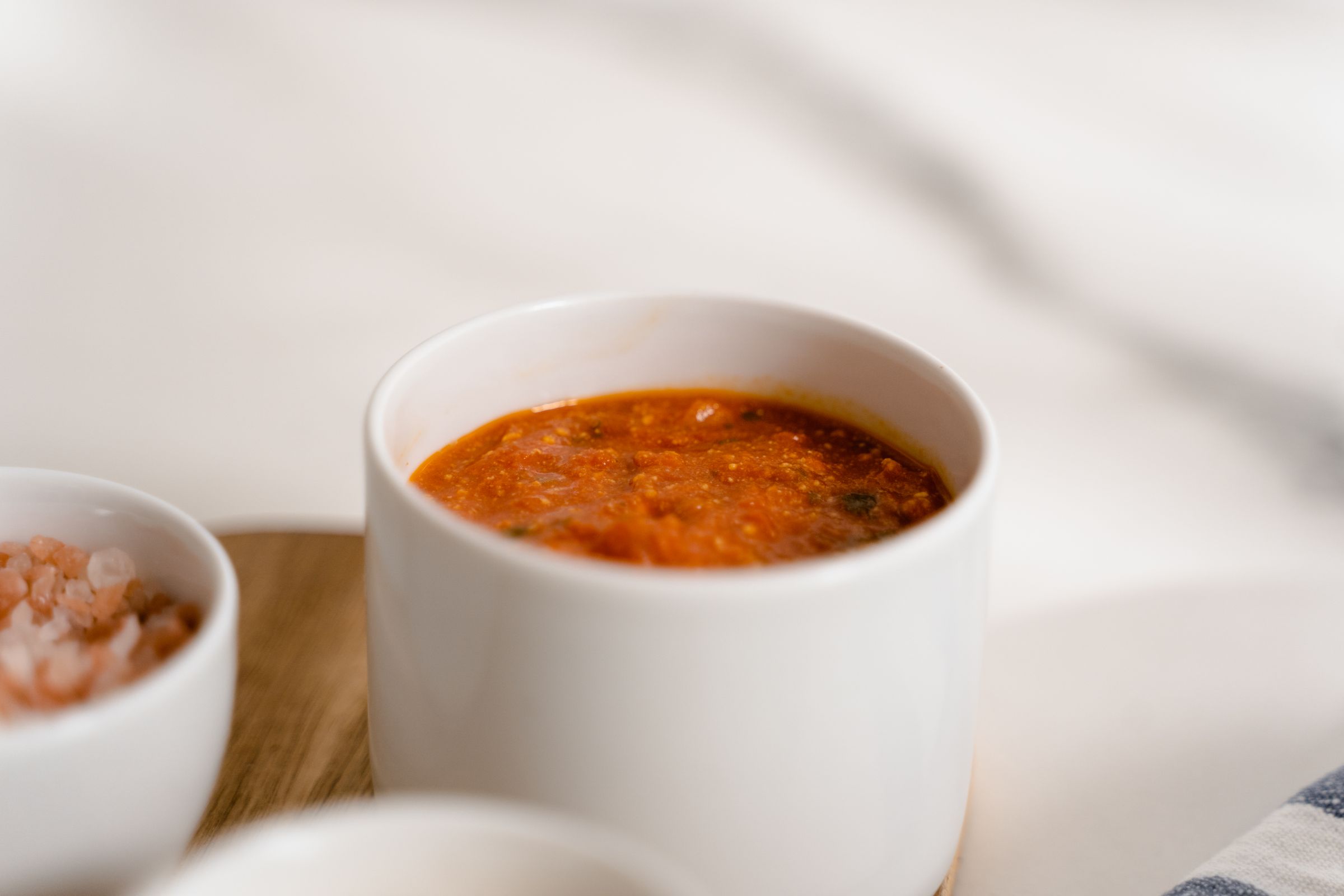
    Marinara sauce in a white cup

    Marinara is a tomato-based sauce, which means Classic Linguini is naturally lighter than the Alfredo — there’s no cream, butter, or dairy fat weighing down the dish. If you want pasta without a rich, heavy finish, this is the more sensible order of the two.

    Creamy Linguini Alfredo: The Rich, White-Sauce Version

    The Creamy Linguini Alfredo is the same linguini, tossed in a cream-based alfredo sauce instead of marinara. It’s the only dish on our entire pasta menu that skips tomato sauce completely.

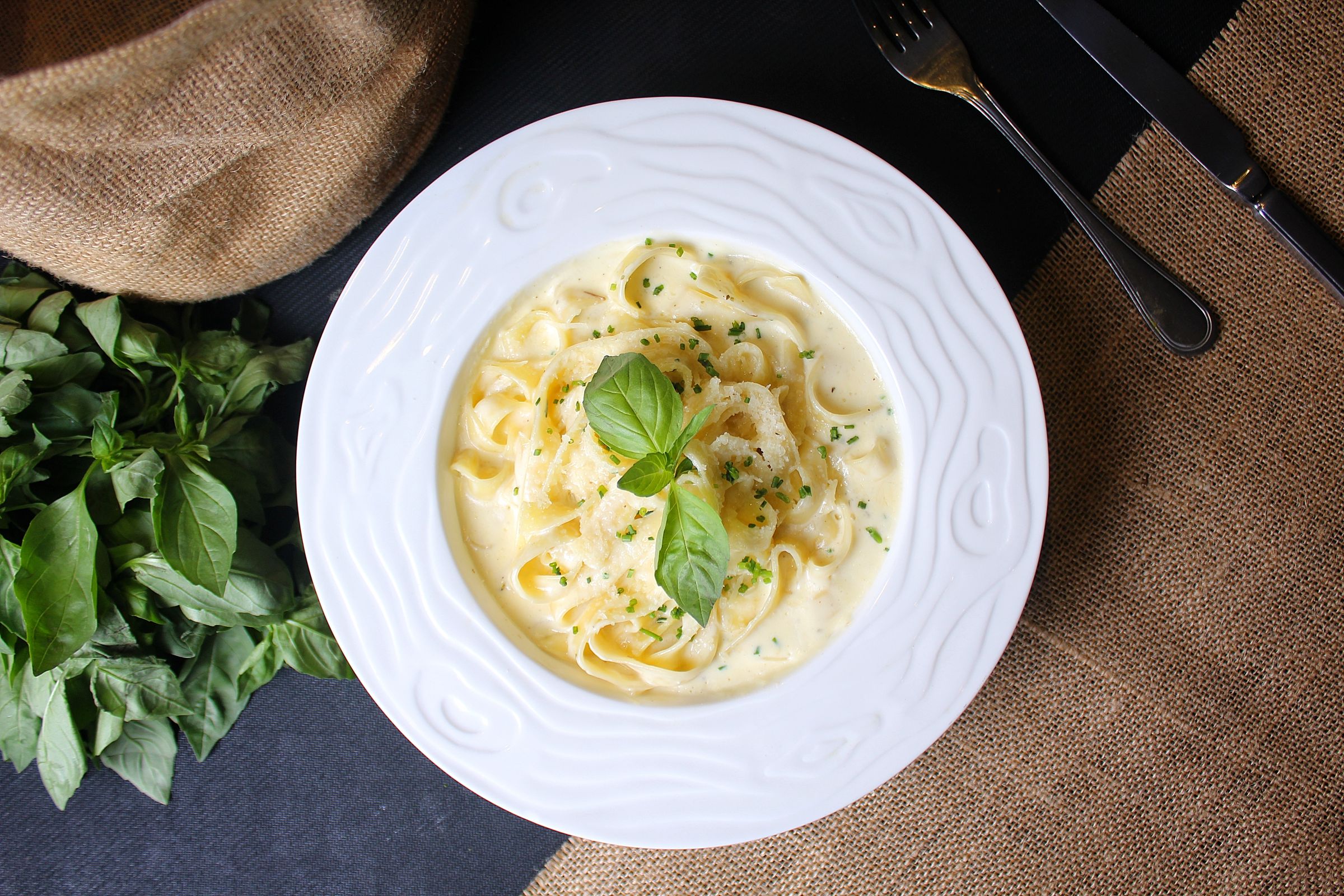
    Creamy fettuccine alfredo pasta in a white bowl

    That switch from tomato to cream is the entire $2.50 price difference between these two dishes. Nothing else changes — same noodle, same portion concept, same lack of added protein. You’re paying specifically for the sauce swap, not for more food.

    Where Alfredo Sauce Actually Comes From

    Alfredo sauce has a real, documented origin, and it’s not what most American menus imply. According to Devour Tours’ history of fettuccine Alfredo, the dish was invented in Rome in the early 1900s by a restaurateur named Alfredo di Lelio, reportedly to help his wife regain her appetite after childbirth.

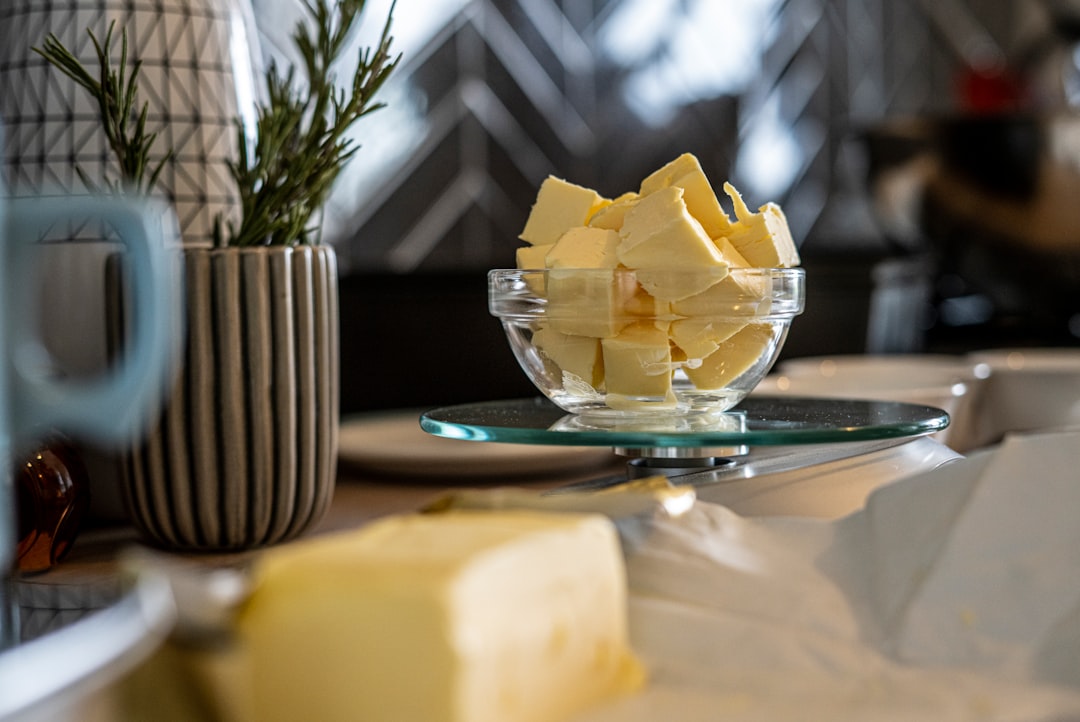
    Cubes of butter in a glass bowl

    The original Roman recipe used just three ingredients: butter, Parmesan cheese, and pasta — no cream at all. The cream-based version most people know today, including the style used on our menu, is an American evolution of the dish, not the traditional Italian one.

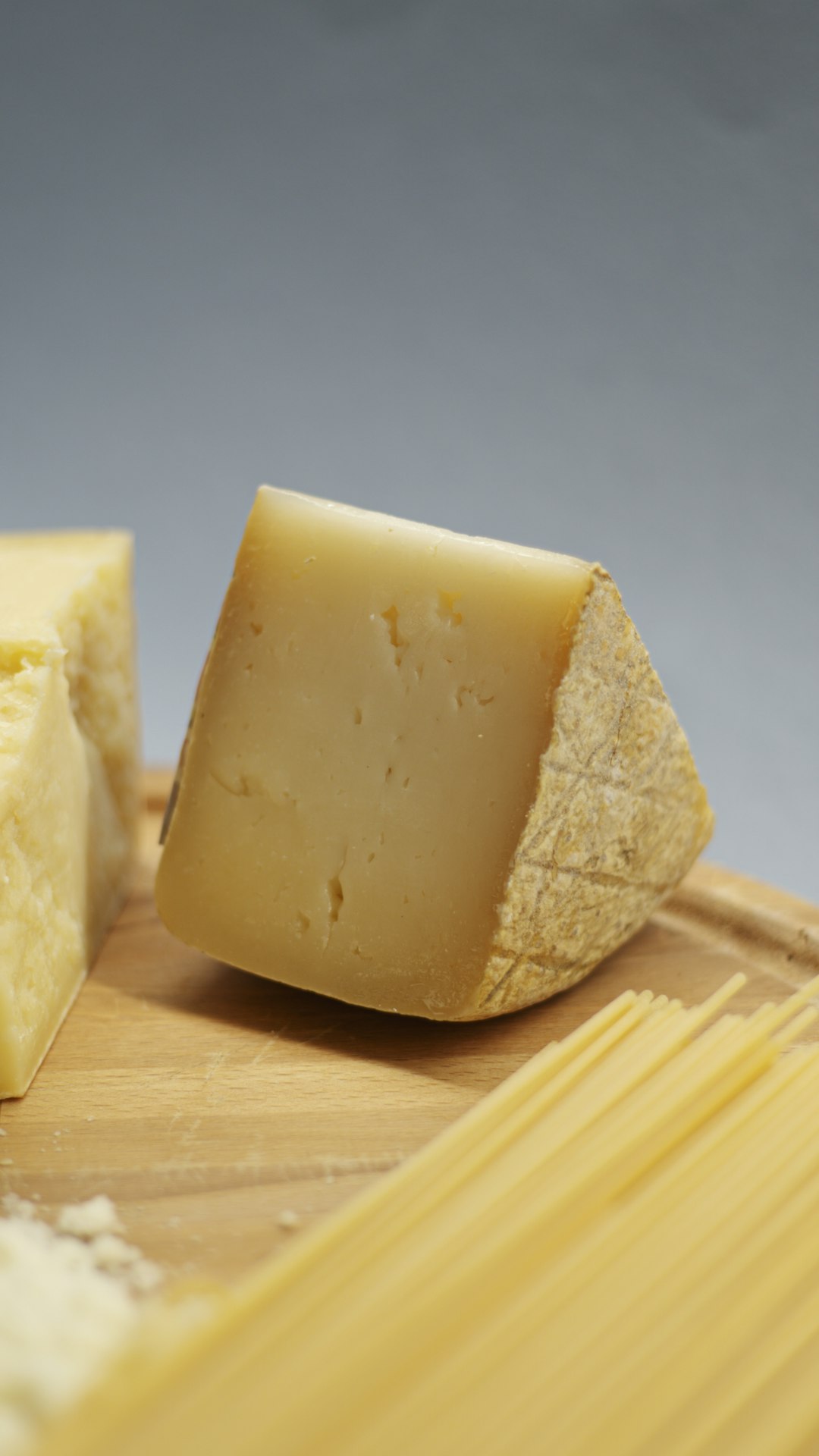
    Wedge of hard Italian cheese

    That’s a genuinely interesting fact if you assumed “Alfredo” meant the same thing everywhere — the rich, cream-heavy version most Americans grew up with is actually a departure from the original, not a faithful copy of it.

    Same Noodle, Different Everything Else

    It’s worth remembering that both dishes start from the identical linguini. Neither one changes the pasta itself — the entire experience of eating one versus the other comes down to what’s coating the noodle, not the noodle underneath it.

    That makes this one of the more controlled comparisons on our menu, similar to how Classic Linguini compares to Classic Ziti — there, the noodle shape is the only variable; here, the sauce is the only variable. Both comparisons isolate a single factor so you know exactly what you’re choosing between.

    Texture is the other real difference beyond flavor. Marinara is a thinner, looser sauce that coats the noodle without adding much bulk. Alfredo is thicker and clings more heavily, so a plate of Creamy Linguini Alfredo generally feels heavier in the mouth than the same amount of Classic Linguini, independent of portion size.

    Red Sauce vs. White Sauce: The Bigger Picture

    Marinara and Alfredo represent two entirely different traditions in Italian and Italian-American cooking, not just two flavor options. Marinara is built on tomatoes, garlic, and herbs simmered together — a technique that goes back centuries in southern Italian cooking. Alfredo, as the history above shows, is a much more recent, specifically Roman invention.

    Fresh sprig of parsley

    That difference in tradition shows up on the plate, too. Marinara-based dishes tend to taste brighter and more acidic, since tomatoes bring natural acidity to balance the dish. Cream-based dishes like Alfredo lean the opposite direction — smooth, mellow, and rich, with nothing acidic cutting through the fat.

    Neither style is objectively better; they’re built to satisfy different cravings. If you’re not sure which one you want, think about what else you’re eating that day. A day that’s already been heavy on rich or fried food often calls for the brighter marinara option, while a lighter day leaves more room for the Alfredo’s richness without feeling like too much.

    Ordering for a Group

    If you’re ordering pasta for more than one person and everyone has different preferences, these two make a natural split. Classic Linguini covers anyone who wants something familiar and lighter, while Creamy Linguini Alfredo covers anyone in the mood for something richer. Since both use the same noodle, you’re not committing to two completely different dishes — just two different finishes on the same base.

    It’s also worth checking whether anyone at the table would rather have a protein-topped option instead of either of these. Our Golden Chicken Parm and Meatball Madness Parm Linguini both build on the same linguini-and-marinara base as Classic Linguini, just with a protein added on top, if plain pasta alone isn’t enough for someone’s appetite.

    Pros and Cons of Each

    Pasta Best For Trade-off
    Classic Linguini Lighter, more affordable, familiar red sauce Less rich if you want something heartier
    Creamy Linguini Alfredo Rich, cream-based, only white-sauce option on the menu Costs $2.50 more, heavier dish

    Which One Should You Order?

    If you want something lighter and more affordable, order Classic Linguini. If you want a richer, cream-based dish and don’t mind paying $2.50 more for it, order Creamy Linguini Alfredo.

    Think about what you’re pairing it with, too. A lighter salad works well alongside the Alfredo to balance out its richness, while Garlic Bread is the more natural side for the marinara-based Classic Linguini, since it’s built for soaking up extra sauce rather than adding more.

    See the rest of the lineup, including our meat-topped options, in our complete pasta guide, or read our Classic Linguini vs. Classic Ziti comparison if noodle shape matters more to you than sauce.

    Frequently Asked Questions

    What’s the difference between Creamy Linguini Alfredo and Classic Linguini?
    Both use the same linguini noodle. Creamy Linguini Alfredo is tossed in a cream-based alfredo sauce; Classic Linguini uses marinara sauce only. The Alfredo costs $2.50 more.
    Is Alfredo sauce traditionally made with cream?
    No. The original Roman recipe used only butter, Parmesan cheese, and pasta. The cream-based version, including the style used on our menu, is an American adaptation.
    Which pasta is lighter, Alfredo or marinara?
    Classic Linguini with marinara is lighter, since it has no cream or added dairy fat. Creamy Linguini Alfredo is the richer, heavier option.
    Why does Creamy Linguini Alfredo cost more than Classic Linguini?
    The $2.50 price difference is entirely the sauce swap — both dishes use the same linguini noodle and neither includes added protein.
    Does Creamy Linguini Alfredo come with any protein?
    Not by default. Call (215) 904-7353 to ask about adding a protein to either dish.
    Is marinara or Alfredo sauce more traditional in Italian cooking?
    Marinara has a much longer history in Italian cooking generally. Alfredo sauce is a more recent, specifically Roman invention from the early 1900s, and the cream-based version most people know is an American adaptation of the original.

    Same noodle, red sauce or white — your call.

    Order Pasta →

  • Paisa’s Cheeseburger vs. Pizza Cheeseburger: Which Should You Order?

    Paisa’s Cheeseburger vs. Pizza Cheeseburger: Which Should You Order?

    Paisa’s Cheeseburger and Pizza Cheeseburger both take the same starting point — a plain beef patty — in two completely different directions. One adds a second protein and real heat. The other borrows its flavor from an entirely different dish on our menu.

    Here’s exactly what’s in each one, why they don’t really compete with each other despite both costing more than a plain cheeseburger, and how to decide which one you want.

    Our complete burger guide covers all seven burgers we make. This is a closer, side-by-side look at these two specifically, since they take the most different approaches to the same question: how do you make a cheeseburger more than a cheeseburger?

    Paisa’s Cheeseburger vs. Pizza Cheeseburger at a Glance

      Paisa’s Cheeseburger Pizza Cheeseburger
    Added to base patty Ham, provolone cheese, jalapeños Mozzarella cheese, marinara sauce
    Extra protein Yes (ham) No
    Heat Spicy (jalapeños) None
    Flavor direction Smoky, savory Italian, tomato-forward
    Price $8.75 $7.50

    Paisa’s Cheeseburger: A Second Protein, Plus Heat

    The Paisa’s Cheeseburger is our signature build: a beef patty topped with ham, provolone cheese, and jalapeños. It’s the only burger on our menu that adds a second protein rather than just more toppings or condiments.

    Platter of sliced ham

    Ham on a beef burger is a real departure from how the rest of the burger menu is built. Every other burger we make, from the plain Hamburger up through the Double Cheeseburger, sticks to beef and standard toppings. Paisa’s Cheeseburger is the one exception, layering a second meat directly onto the patty instead.

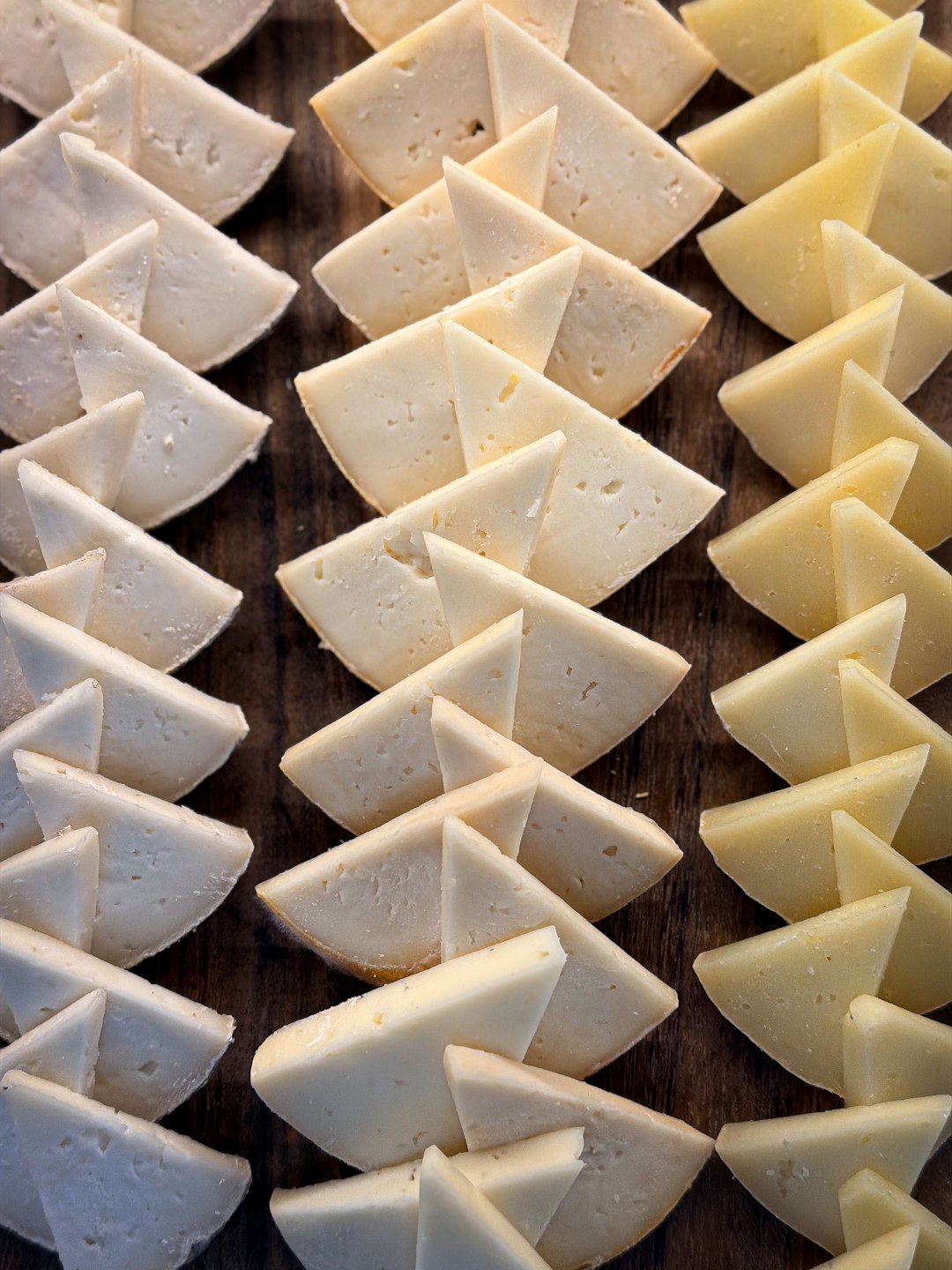
    Wedges of cheese arranged in rows

    Provolone is also the sharpest cheese used on any of our burgers — every other cheeseburger on the menu uses a milder melting cheese. It holds its own against the ham and jalapeños rather than disappearing into the mix, which is likely why it’s the one used here instead of American or cheddar.

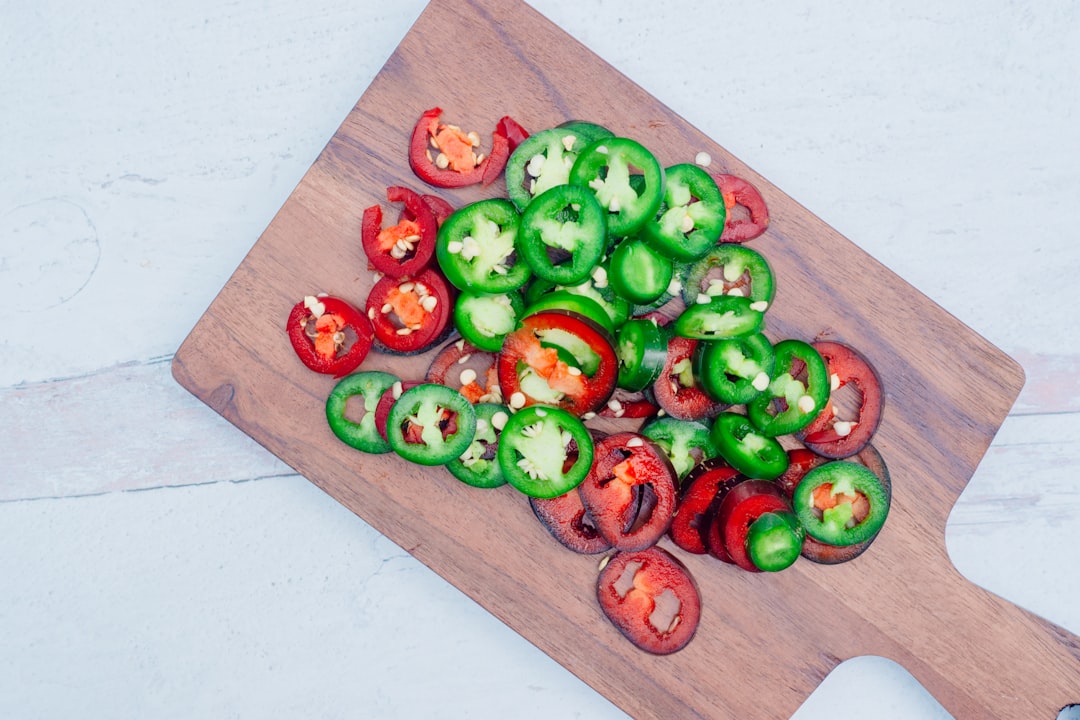
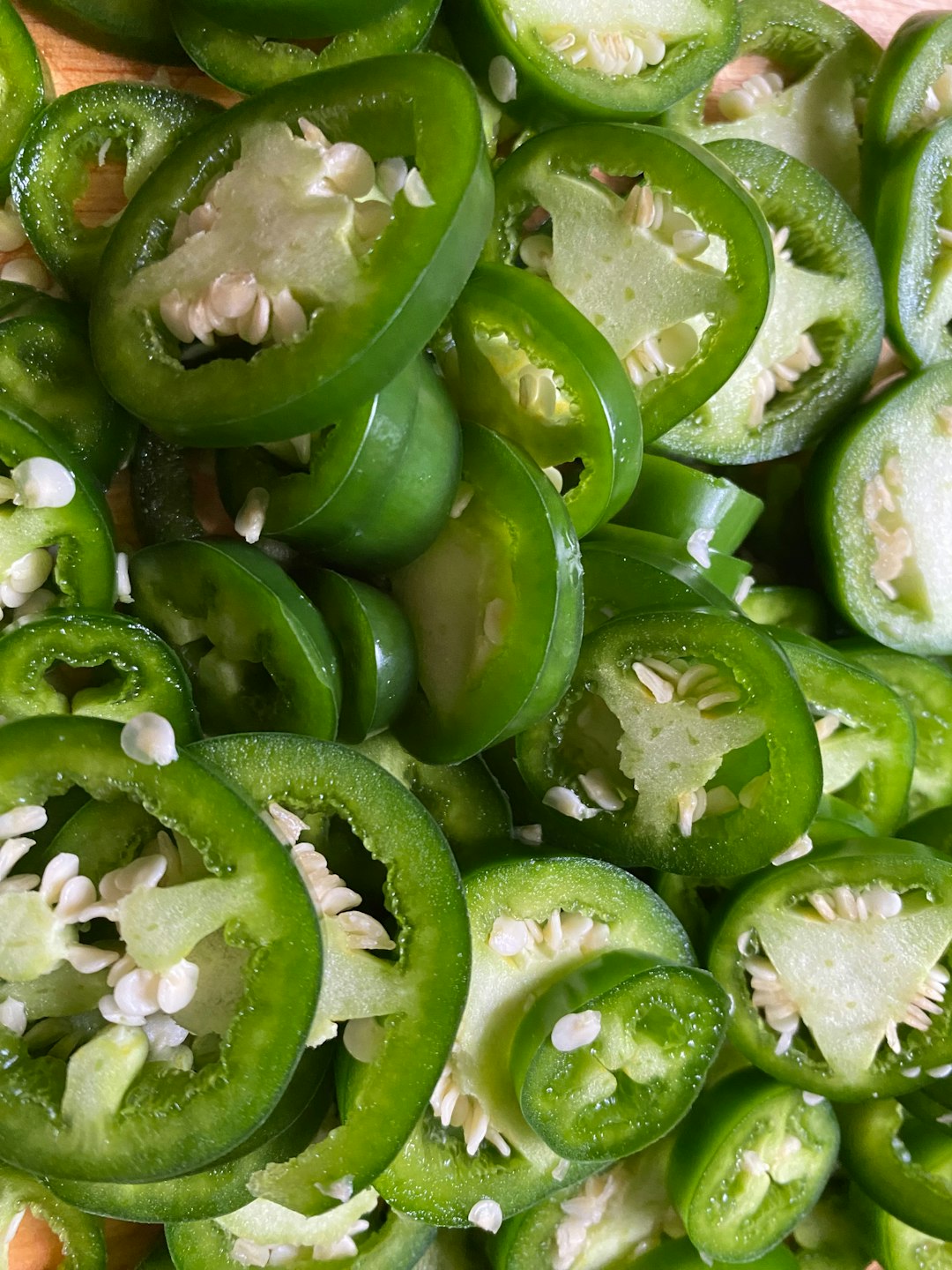
    Sliced jalapeno peppers with tomato

    Jalapeños round it out with real heat, the same way they do on our Paisa’s Cheese Steak. Between the extra protein, the sharper cheese, and the added heat, this is the most heavily modified burger we make relative to the plain base.

    Pizza Cheeseburger: Borrowed Flavor, Not Extra Protein

    The Pizza Cheeseburger takes a completely different approach: mozzarella cheese and marinara sauce on the same beef patty, with no added protein and no heat at all. It’s essentially our pizza flavor, transplanted onto a burger.

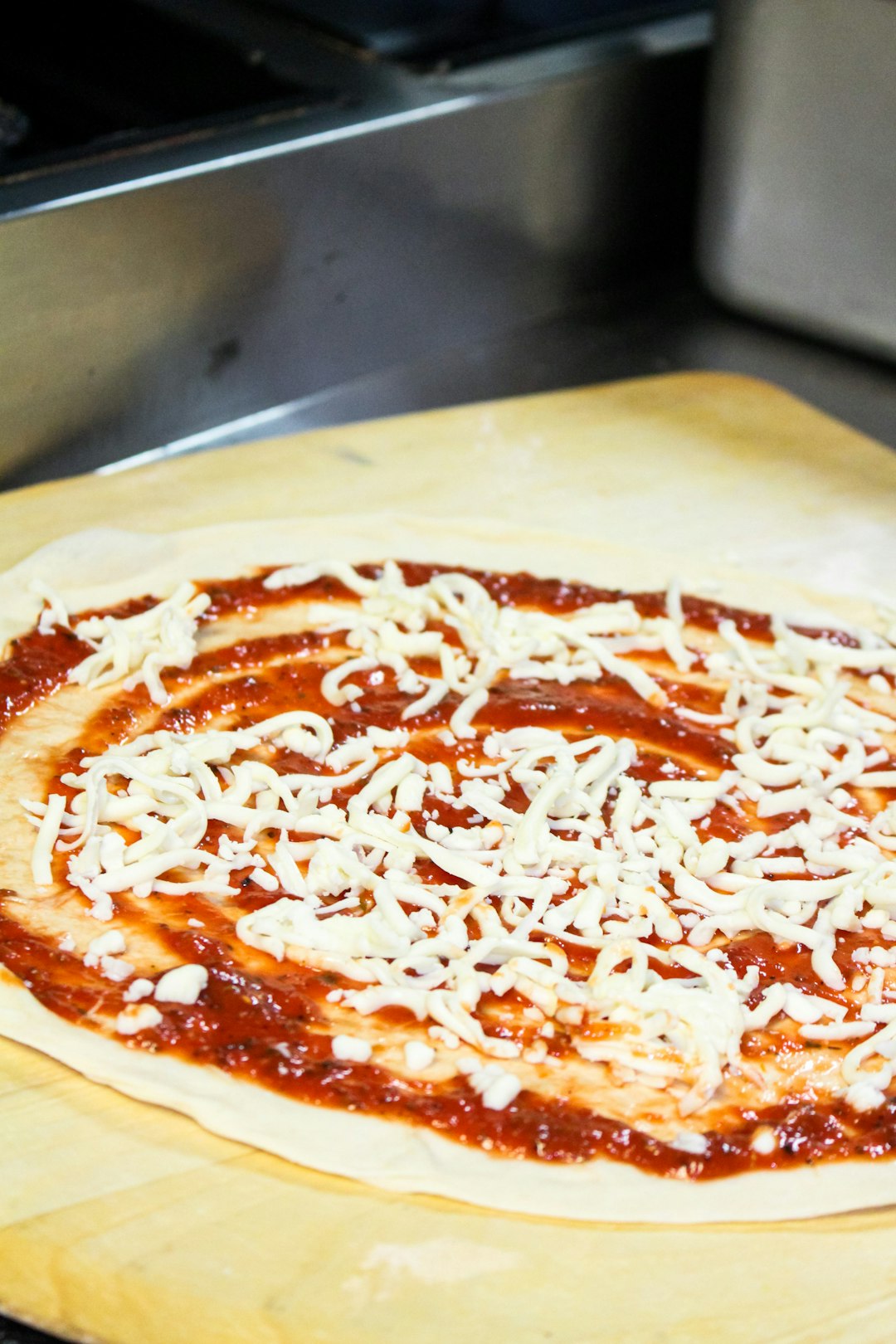
    Dough topped with marinara sauce and shredded mozzarella cheese

    That’s a genuinely different strategy from Paisa’s Cheeseburger. Instead of adding a second protein and building heat, the Pizza Cheeseburger swaps out the standard cheese and condiments for two ingredients borrowed wholesale from an entirely different dish. Our Pizza Steak cheesesteak uses the identical trick — mozzarella and marinara standing in for a sandwich’s usual toppings.

    Because nothing is added beyond cheese and sauce, it’s also a lighter modification than Paisa’s Cheeseburger, both in what changes about the sandwich and in price. If you like pizza flavor but want it in burger form without turning the whole thing into a heavier, multi-protein build, this is the more direct route there.

    The Same Beef Patty Underneath

    It’s worth remembering that both of these start from the exact same place: a beef patty, cooked to order, on a fresh bun. Every burger we make shares that same base — there’s no protein swap to think about the way there is on our cheesesteaks or hoagies.

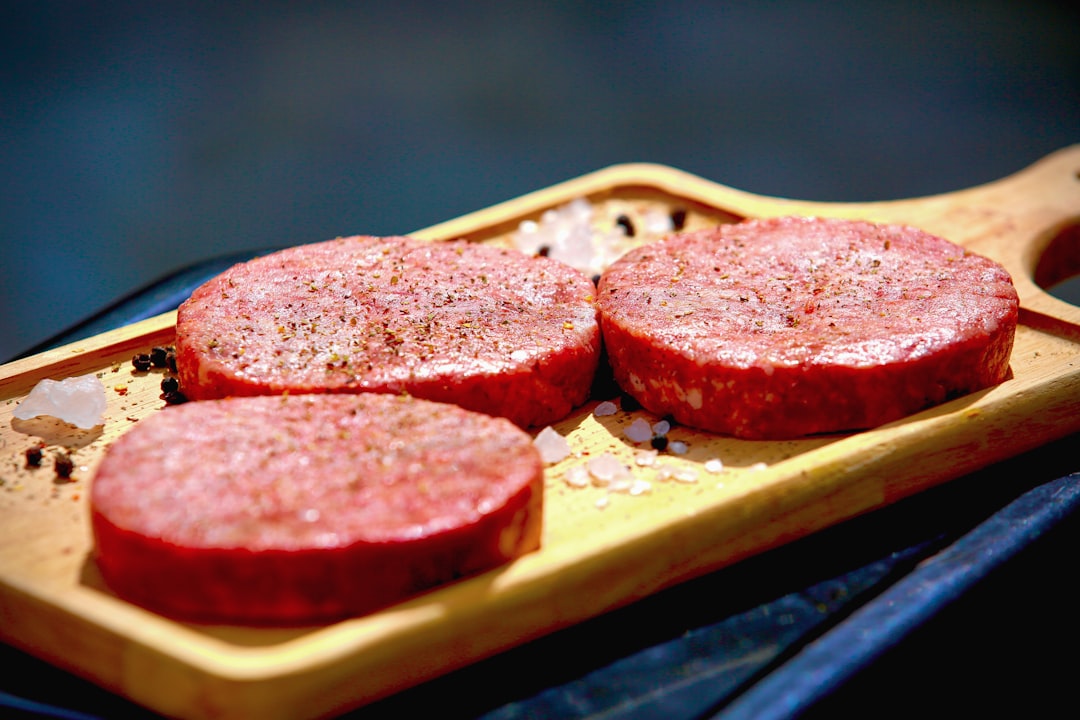
    Raw beef patties on a wooden board

    That’s part of why these two feel so different despite starting identically. Paisa’s Cheeseburger builds outward from the patty by adding an entire second protein and heat. Pizza Cheeseburger builds outward by swapping in a different cuisine’s flavor entirely. Neither one changes the patty itself — the transformation happens entirely in what gets layered on top of it, which is really the whole story of how our burger menu works. Every variation, from the plain Hamburger to these two, is the same starting point pushed in a different direction.

    Why the Price Gap Actually Makes Sense Here

    Paisa’s Cheeseburger costs $8.75; Pizza Cheeseburger costs $7.50 — a $1.25 difference. Unlike some of our other menu comparisons, this gap tracks logically with what’s actually added. Paisa’s Cheeseburger includes an entire second protein on top of the beef patty; Pizza Cheeseburger only swaps the cheese and adds a sauce, with no extra protein at all.

    That makes this pair a useful contrast to keep in mind: more ingredients and an added protein command a higher price here, the way you’d expect. It’s a different pattern from comparisons elsewhere on our menu where a more loaded item is sometimes priced lower — here, the price actually reflects what’s on the burger.

    Pros and Cons of Each

    Cheeseburger Best For Trade-off
    Paisa’s Cheeseburger Second protein, real heat, sharper cheese Highest price on the burger menu
    Pizza Cheeseburger Pizza flavor, lighter modification, lower price No added protein or heat

    Which One Should You Order?

    If you want a heartier burger with a second protein, sharper cheese, and real heat, order Paisa’s Cheeseburger. If you want pizza flavor on a burger without adding weight or spice, order the Pizza Cheeseburger.

    These two aren’t really competing for the same craving, which makes the decision more about what you’re in the mood for than a head-to-head trade-off. If you’re torn between wanting a cheesesteak-style bite and a pizza-style bite, but want it in burger form either way, that’s exactly the choice these two represent.

    If you’re ordering for a group and don’t know what everyone wants, these two also cover a lot of ground between them. Paisa’s Cheeseburger works for anyone who wants a heavier, spicier order closer to a loaded sandwich. Pizza Cheeseburger works for anyone who wants something familiar and Italian-leaning without committing to an actual pizza or cheesesteak. Between the two, you’re covering both ends of what our menu does outside of a straightforward burger.

    See the rest of our burgers, including the Bacon Cheese Burger and Cheeseburger Deluxe, in our complete burger guide, or read our Paisa’s Cheese Steak vs. Classic Philly Cheese Steak comparison if you’re curious how the jalapeño version works on a cheesesteak instead of a burger.

    Frequently Asked Questions

    What’s the difference between Paisa’s Cheeseburger and Pizza Cheeseburger?
    Paisa’s Cheeseburger adds ham, provolone cheese, and jalapeños to the beef patty. Pizza Cheeseburger adds mozzarella cheese and marinara sauce, with no extra protein or heat.
    Which cheeseburger is spicier?
    Paisa’s Cheeseburger, thanks to the jalapeños. The Pizza Cheeseburger has no added heat.
    Does the Pizza Cheeseburger taste like pizza?
    Yes — it’s built with the same mozzarella and marinara combination used on our Pizza Steak cheesesteak, giving it a pizza-forward flavor on a burger patty.
    Why does Paisa’s Cheeseburger cost more than the Pizza Cheeseburger?
    Paisa’s Cheeseburger adds a full second protein (ham) along with a sharper cheese and jalapeños, while the Pizza Cheeseburger only swaps the cheese and adds sauce. The $1.25 price difference reflects that extra protein.
    Is Paisa’s Cheeseburger the only burger with a second protein?
    Yes — every other burger on our menu uses beef only. Paisa’s Cheeseburger is the one build that adds ham on top of the patty.
    Do both burgers use the same beef patty?
    Yes — every burger we make, including both of these, starts from the same beef patty. The differences come entirely from what’s added on top.

    A second protein and real heat, or pizza flavor on a bun.

    Order a Burger →

  • Paisa’s Cheese Steak vs. Classic Philly Cheese Steak: Which Should You Order?

    Paisa’s Cheese Steak vs. Classic Philly Cheese Steak: Which Should You Order?

    Paisa’s Cheese Steak has every topping the Classic Philly Cheese Steak has, plus jalapeños on top — and it costs 25 cents less. That’s not a typo, and it’s not a discount code. It’s just how these two are priced.

    Here’s exactly what’s in each one, why that price gap is worth knowing about before you order, and how to pick between them.

    Our complete cheesesteak guide covers all ten cheesesteaks we make. This is a closer look at just these two, since they’re the most directly comparable pair on the whole list — same three core toppings, one ingredient apart, and priced in a way that doesn’t follow the pattern you’d expect.

    Paisa’s Cheese Steak vs. Classic Philly Cheese Steak at a Glance

      Paisa’s Cheese Steak Classic Philly Cheese Steak
    Toppings Onions, green peppers, mushrooms, jalapeños Green peppers, onions, mushrooms
    Topping count 4 3
    Price $10.00 $10.25
    Heat Spicy (jalapeños) Mild

    Paisa’s Cheese Steak: Our Signature, and the Spicier Option

    The Paisa’s Cheese Steak is our own build: onions, green peppers, mushrooms, and jalapeños, all on a griddled steak-and-cheese base. It’s our signature item for a reason — it’s the only cheesesteak on the menu with real heat built in.

    Hot jalapeno peppers

    Jalapeños are what separate this from every other vegetable-loaded cheesesteak we make. According to PepperScale’s breakdown of jalapeño heat, jalapeños typically measure 2,500 to 8,000 Scoville Heat Units — a moderate, genuinely noticeable heat, well above a bell pepper’s zero but nowhere near a habanero or ghost pepper. It’s enough to register as real spice without overwhelming the steak and cheese underneath.

    The other three toppings — onions, green peppers, mushrooms — are the exact same ones on the Classic Philly. Nothing is removed to make room for the jalapeños; they’re simply added on top of the same base.

    Classic Philly Cheese Steak: The Traditional, Milder Build

    The Classic Philly Cheese Steak is green peppers, onions, and mushrooms, with no added heat. It’s the more traditional of the two — the loaded, vegetable-forward build most people picture when they think of a fully-dressed Philly cheesesteak.

    Freshly diced green peppers and onions

    If you want the classic loaded flavor without any spice at all, this is the one to order. The three toppings are given more room to stand out on their own, without jalapeños competing for attention alongside them.

    The Price Gap Worth Knowing About

    Here’s the part that doesn’t follow the pattern you’d expect: Paisa’s Cheese Steak has one more topping than the Classic Philly, and it’s still 25 cents cheaper — $10.00 versus $10.25.

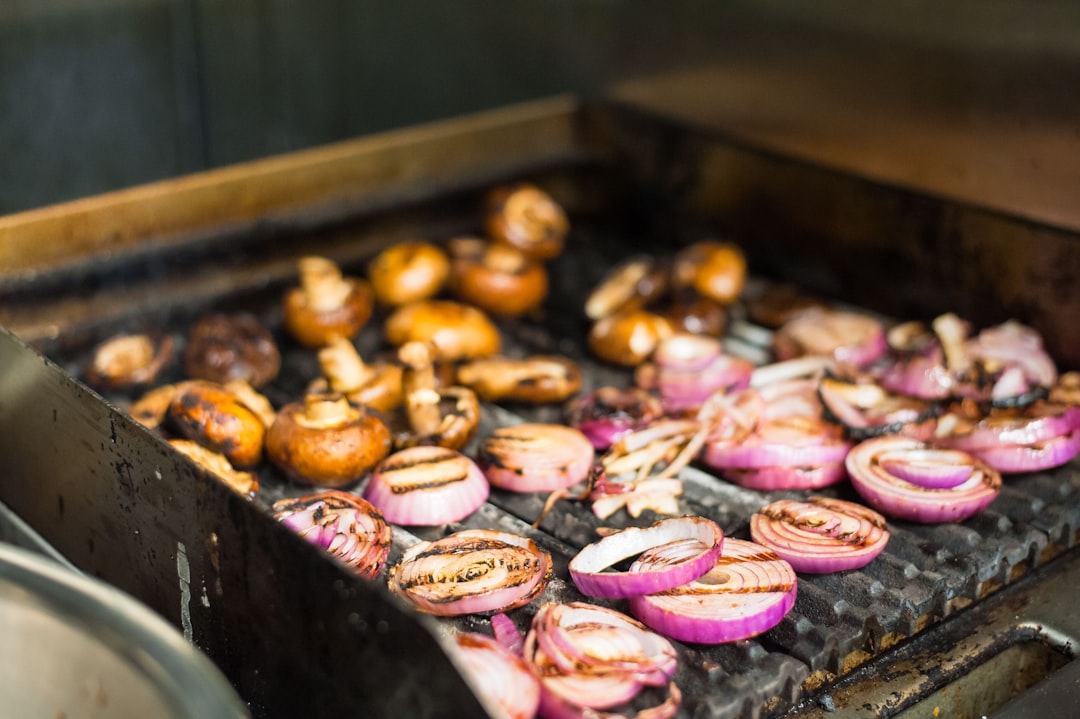
    Grilled onions and mushrooms on a griddle

    Across the rest of the cheesesteak menu, price generally does track topping count — the plain Steak is cheapest at $9.00, and items get more expensive as more goes on top. Paisa’s Cheese Steak is the one exception to that pattern, and it’s a genuinely useful thing to know if you assumed “classic” meant “priced higher because it’s fancier” or that more toppings always costs more.

    It also means there’s no financial reason to pick the milder option over the spicier one, or vice versa. If price were the only factor, Paisa’s Cheese Steak would be the easy pick — it’s both more loaded and less expensive. The choice really does come down entirely to whether you want the heat.

    Same Three Toppings, Different Result

    Because Paisa’s Cheese Steak keeps every topping the Classic Philly has, the two aren’t really offering two different flavor directions — one is simply the other plus jalapeños. That makes this one of the more predictable comparisons on the whole cheesesteak menu: if you’ve had one, you already know most of what the other tastes like.

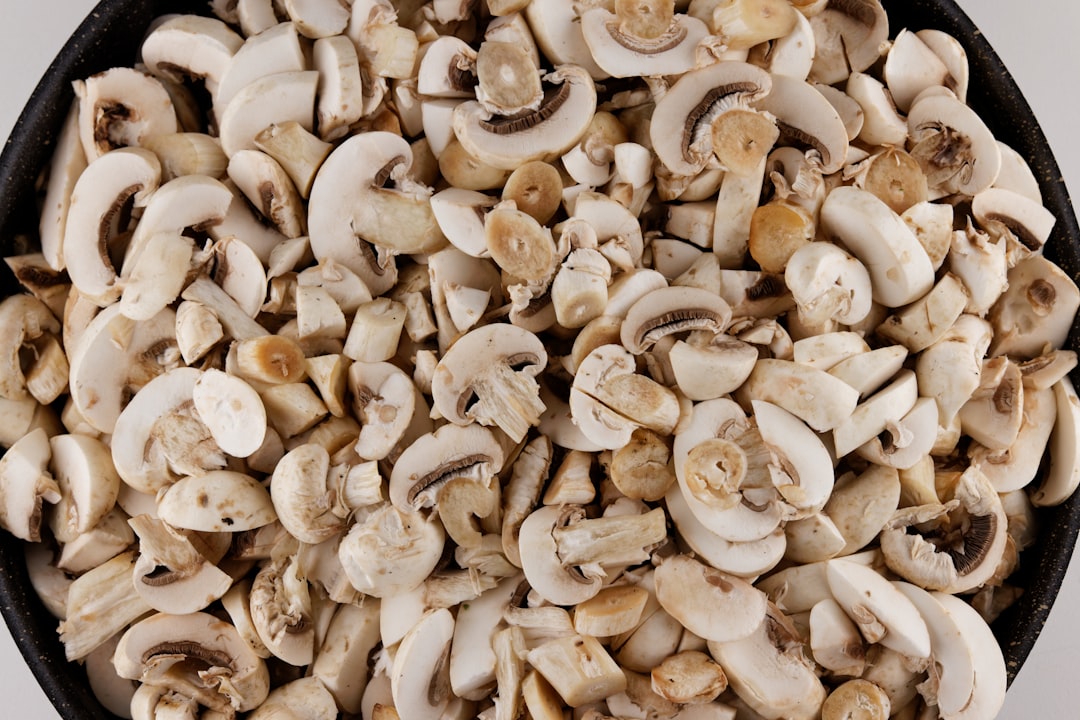
    Freshly sliced mushrooms

    That’s different from most of our other cheesesteak comparisons, where the toppings genuinely diverge — the BBQ Chicken Cheese Steak and Buffalo Chicken Cheesesteak, for example, use entirely different sauces rather than one simply adding to the other. Here, the entire decision is isolated to a single variable: jalapeños, yes or no.

    Texture stays consistent between the two as well, since all four toppings are vegetables cooked the same way. Adding jalapeños to the mix doesn’t change how the sandwich handles or eats — it changes the flavor and heat, not the bite. That’s part of why this comparison is simpler than most of the others on our cheesesteak menu: there’s no format shift to account for, just one more ingredient layered onto a build you already understand.

    Ordering for Different Preferences

    If you’re ordering for a group and don’t know everyone’s spice tolerance, it helps to think of these two as a single build with an on/off switch for heat rather than two unrelated sandwiches. Anyone who wants the loaded, vegetable-forward flavor without a second thought can get the Classic Philly. Anyone who wants that same flavor with real heat layered on top can get Paisa’s, and neither person misses out on the peppers, onions, or mushrooms either way.

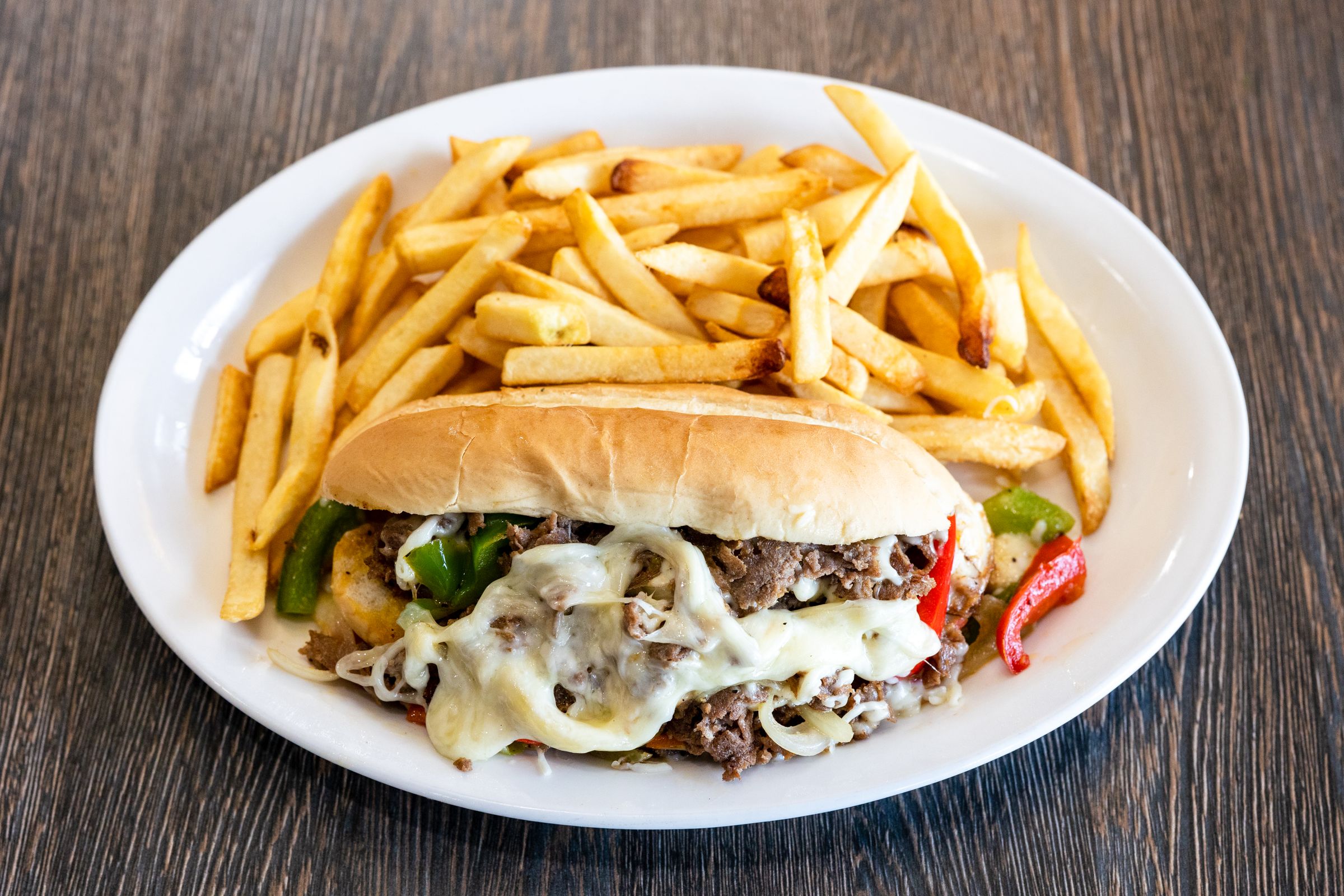
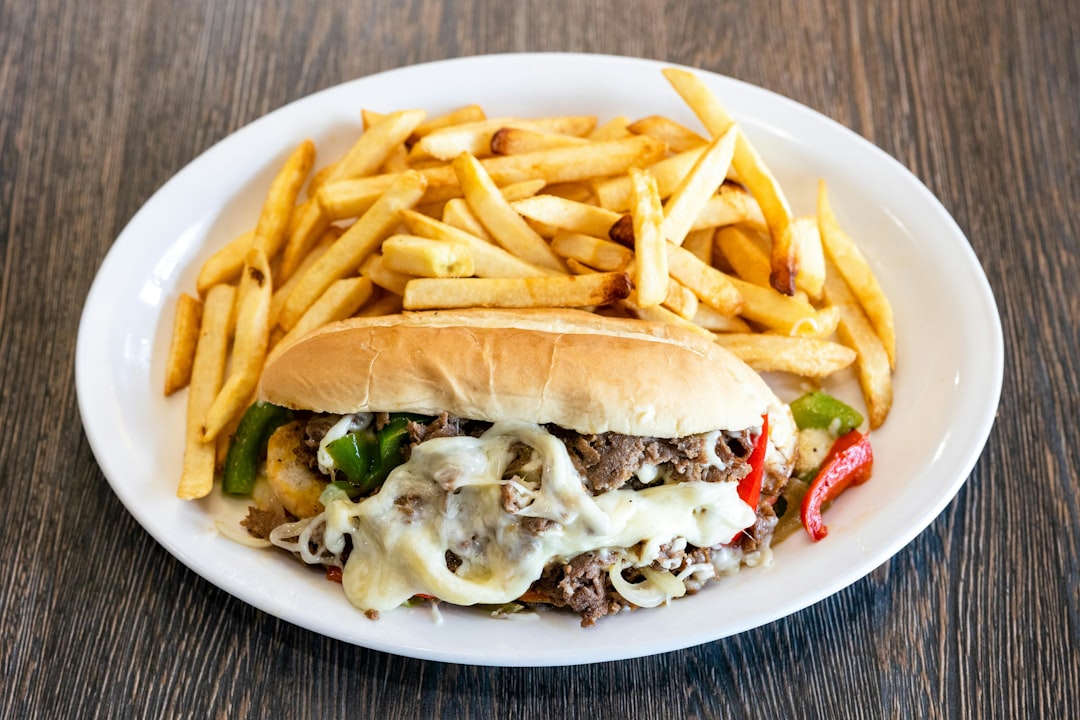
    Cheesesteak sandwich surrounded by fresh peppers and mushrooms

    It’s also worth comparing this pair to our Paisa’s Cheeseburger, which uses jalapeños the same way — added on top of an existing build rather than replacing anything. If you’ve tried that burger and liked the heat, you already know roughly what to expect from Paisa’s Cheese Steak.

    Pros and Cons of Each

    Cheesesteak Best For Trade-off
    Paisa’s Cheese Steak More toppings, real heat, lower price Not for anyone avoiding spice
    Classic Philly Cheese Steak Traditional loaded flavor, no heat Costs more despite fewer toppings

    Which One Should You Order?

    If you want real heat and don’t mind jalapeños, order Paisa’s Cheese Steak — you’ll get more toppings for less money. If you want the classic, fully-loaded flavor without any spice, order the Classic Philly Cheese Steak.

    There isn’t a version of this decision where price should sway you toward the Classic Philly. The only real question is heat tolerance: if jalapeños sound good, there’s no reason to pay more for less. If you’d rather skip the spice entirely, the extra quarter buys you exactly that.

    See the rest of the lineup, including the plain Steak and both chicken versions, in our complete cheesesteak guide, or read our Chicken Cheesesteak vs. Cheesesteak comparison if you’re deciding between steak and chicken instead.

    Frequently Asked Questions

    What’s the difference between Paisa’s Cheese Steak and Classic Philly Cheese Steak?
    Paisa’s Cheese Steak has onions, green peppers, mushrooms, and jalapeños. Classic Philly Cheese Steak has the same three toppings minus the jalapeños.
    Why is Paisa’s Cheese Steak cheaper than the Classic Philly if it has more toppings?
    That’s simply how the two are priced on our menu — $10.00 for Paisa’s Cheese Steak versus $10.25 for the Classic Philly, despite Paisa’s having one more topping.
    Which cheesesteak is spicier?
    Paisa’s Cheese Steak, thanks to the added jalapeños. The Classic Philly Cheese Steak has no added heat.
    Is the Classic Philly Cheese Steak the same as a traditional Philadelphia cheesesteak?
    It’s our version of the classic loaded style — green peppers, onions, and mushrooms on steak and cheese, without any signature additions like jalapeños.
    Do both cheesesteaks come with the same cheese?
    Our recovered descriptions don’t specify the cheese type for either. Call (215) 904-7353 to confirm before ordering if that matters to you.
    Can I get the Classic Philly with jalapeños added?
    Call (215) 904-7353 to ask about customizing either cheesesteak — our recovered descriptions only cover the standard build for each.

    More toppings, more heat, less money — or the classic without the spice.

    Order a Cheesesteak →

  • Chef Salad vs. Antipasto Salad vs. Tuna Salad: Which Should You Order?

    Chef Salad vs. Antipasto Salad vs. Tuna Salad: Which Should You Order?

    Three of our salads take genuinely different directions once you look past the shared lettuce-tomato-onion base: a classic deli combination, the richest cured-meat option on the menu, and the only salad built around seafood instead of meat at all.

    Here’s exactly what’s in our Chef, Antipasto, and Tuna Salads, and how to tell which one actually matches what you’re craving tonight.

    Our complete salad guide covers all eight salads on the menu at a glance. This is a closer, side-by-side look at just these three — the protein-forward options that go the furthest beyond a plain garden salad.

    All three, like every salad we make, come in Large and Small sizes rather than one fixed price. Call (215) 904-7353 to confirm current pricing for the size you want when you’re ready to order.

    Chef Salad vs. Antipasto Salad vs. Tuna Salad at a Glance

      Chef Salad Antipasto Salad Tuna Salad
    Protein Turkey, ham Salami, ham, pepperoni Tuna salad
    Cheese American Provolone Not listed
    Dressing included Italian Not listed Not listed
    Meat count 2 3 0 (seafood instead)
    Base Lettuce, tomatoes, onions, cucumbers, black olives (all three)

    Chef Salad: The Classic Deli Combination

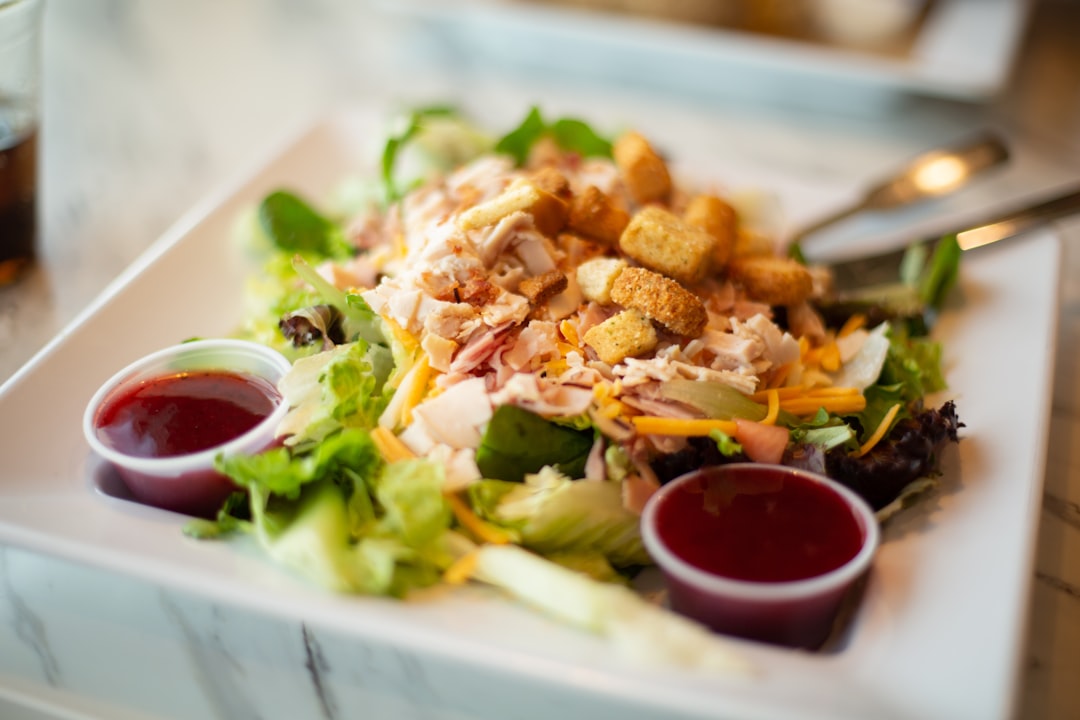
    The Chef Salad is built from turkey, ham, American cheese, and Italian dressing, over our standard base of lettuce, tomatoes, onions, cucumbers, and black olives. Two meats plus cheese is a familiar, middle-of-the-road build — not as loaded as the Antipasto, not as different as the Tuna.

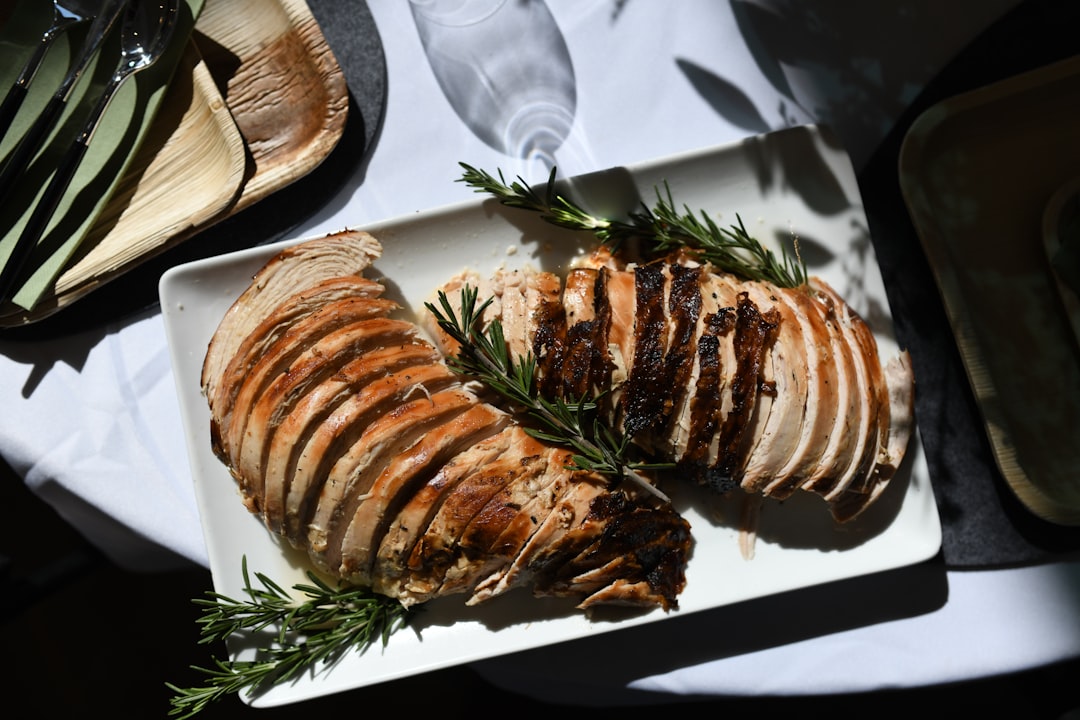
    Sliced turkey breast on a white platter

    It’s also the only one of these three salads with a dressing built into the recovered description. Italian dressing ties the turkey, ham, and American cheese together into one cohesive flavor, rather than leaving you to add dressing separately the way you might with the other two.

    The name itself has a genuinely uncertain history. According to Tasting Table’s look at the chef salad’s origins, food historians still disagree on who actually invented it — some trace it back to a 17th-century English dish called salamagundi, while others credit a specific New York or Buffalo hotel chef in the early 1900s. Nobody has ever definitively settled the question, which is a little unusual for a salad this common.

    Antipasto Salad: The Richest, Most Cured-Meat-Heavy Option

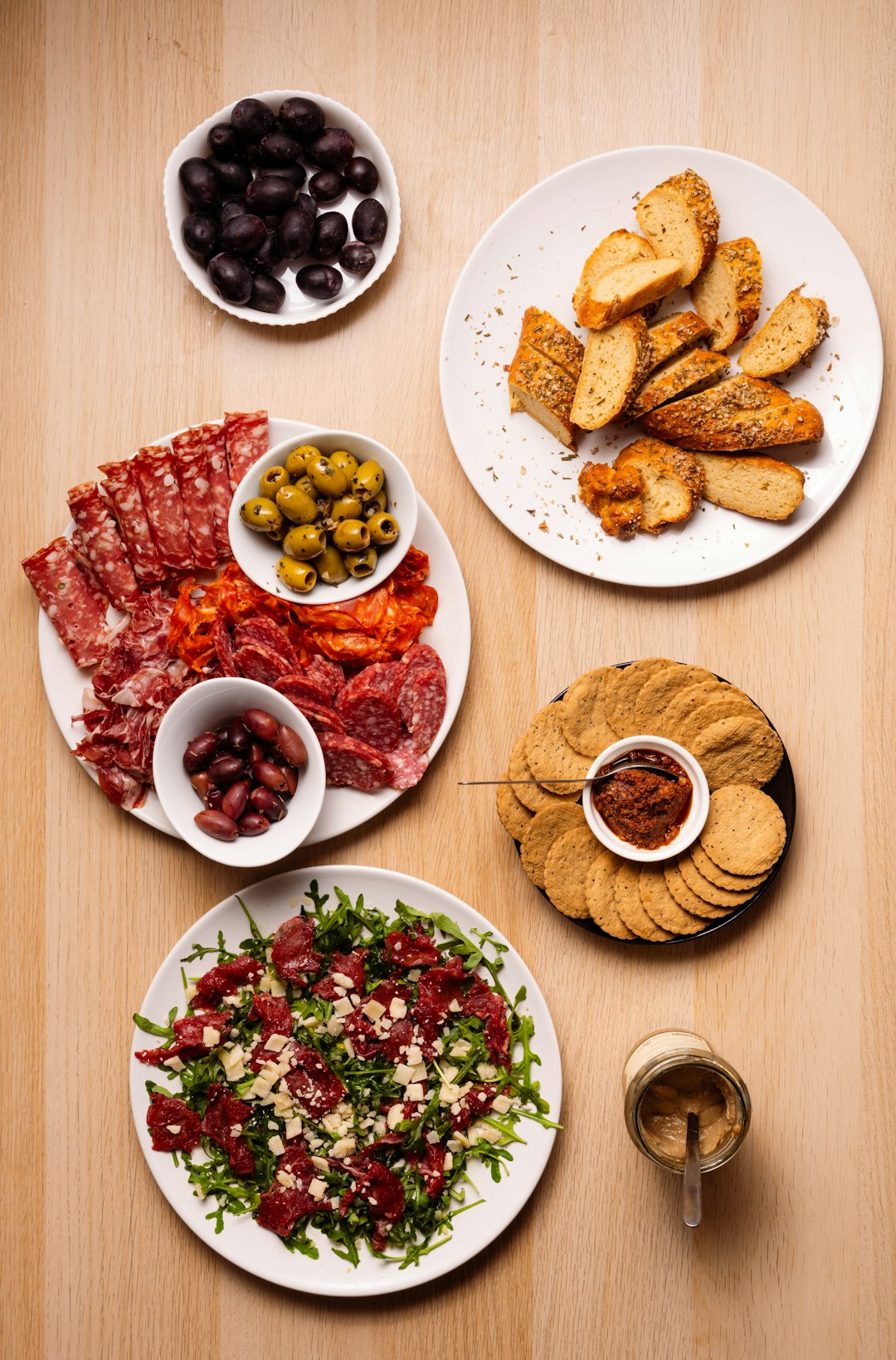
    The Antipasto Salad is the most loaded of the three: salami, ham, pepperoni, and provolone cheese, over the same lettuce-tomato-onion-cucumber-olive base. Three distinct cured meats is one more than the Chef Salad and the only fully meatless-free option among the three — the opposite end of the spectrum from the Tuna Salad.

    Assortment of cured meats and olives on a platter

    Ham is the one ingredient it actually shares with the Chef Salad — the only overlap between any two of these three salads. Everything else that separates them is real: salami and pepperoni instead of turkey, provolone instead of American, and no dressing listed in our recovered description for this one specifically.

    The name comes directly from Italian tradition. Dante University’s history of Italian antipasto explains that “antipasto” literally means “before the meal” — “anti” (before) plus “pasto” (meal) — and traces the practice of serving cured meats, cheese, and pickled vegetables ahead of a main course back to ancient Roman banquets. Our salad version borrows that same combination of cured meats and cheese, just served as a full meal rather than a starter.

    Three cured meats also means three different textures and salt levels in one bowl — salami’s fattier bite, pepperoni’s spice and crisped edges, ham’s milder sweetness. If you want the most flavor-dense option on the salad menu, this is it.

    Tuna Salad: The Only Seafood Option

    The Tuna Salad breaks from both of the others completely — tuna salad over the same lettuce, tomatoes, onions, cucumber, and black olives, with no deli meat and no cheese listed at all. It’s the only seafood-based option among all eight salads we make.

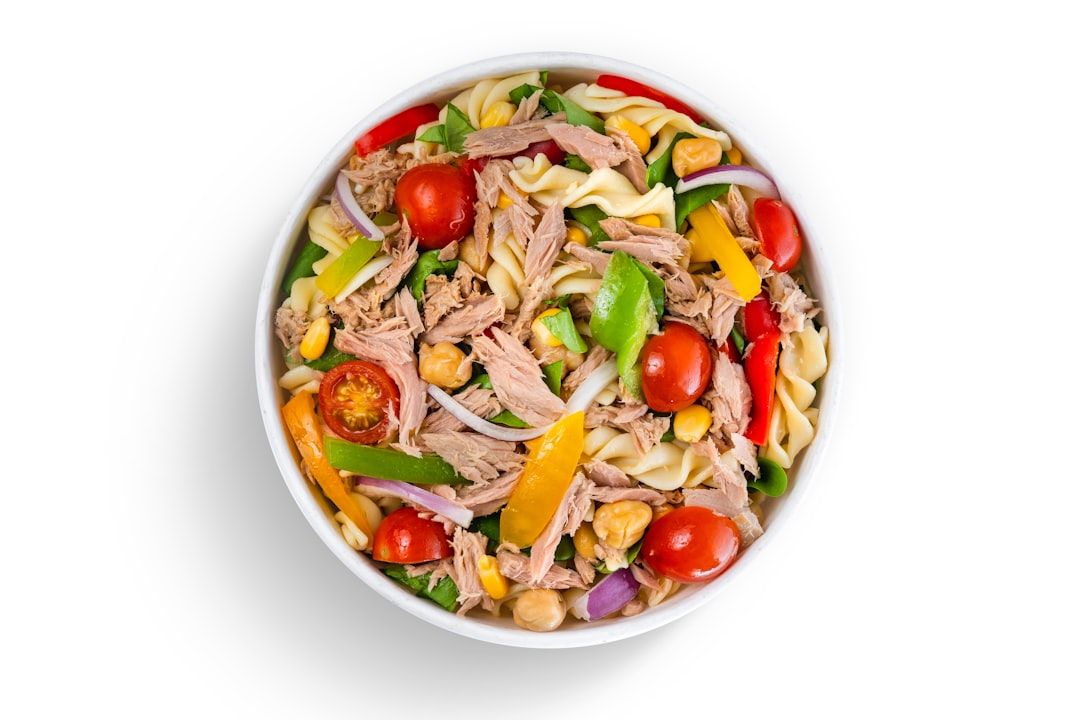
    Fresh tuna salad in a white bowl

    Texture is what actually separates it from the Chef and Antipasto Salads, more than the protein swap itself. Turkey, ham, salami, and pepperoni all arrive sliced, sitting as distinct pieces on top of the greens. Tuna salad is mixed and scooped, so it blends into the lettuce underneath rather than sitting on top of it in separate pieces — a genuinely different eating experience, not just a different protein.

    If you’ve tried our Tuna Hoagie, this is the same tuna salad, just served over a full bed of vegetables instead of inside a roll. It’s worth knowing about if you like the tuna itself but want to eat lighter than a hoagie without giving up the flavor you already know.

    The Cheese Difference

    Cheese is one of the clearest ways to tell these three apart at a glance. Chef Salad uses American, a mild, smooth-melting cheese that matches its deli-counter flavor profile. Antipasto Salad uses provolone, a firmer, sharper Italian cheese that holds its own against three different cured meats. Tuna Salad doesn’t list cheese in our recovered description at all.

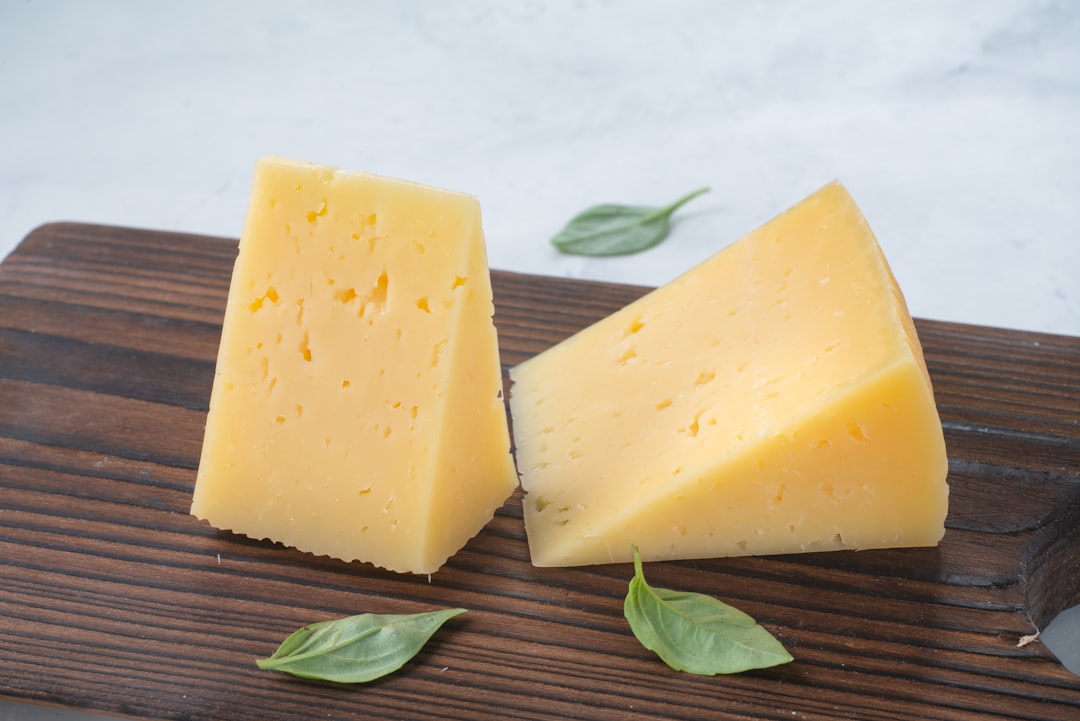
    Wedges of cheese on a wooden board

    That’s not a small detail. American cheese is mild enough to blend into a salad without competing with anything else, while provolone is assertive enough to stand up to salami and pepperoni without disappearing. If cheese specifically matters to your order and you want to confirm what’s included on the Tuna Salad, call (215) 904-7353 before ordering rather than assuming either way.

    What All Three Share

    Underneath the protein and cheese differences, all three salads use the exact same fresh base: lettuce, tomatoes, onions, cucumbers, and black olives. That’s true across six of our eight salads — only the Caesar-style salads skip it in favor of romaine and croutons.

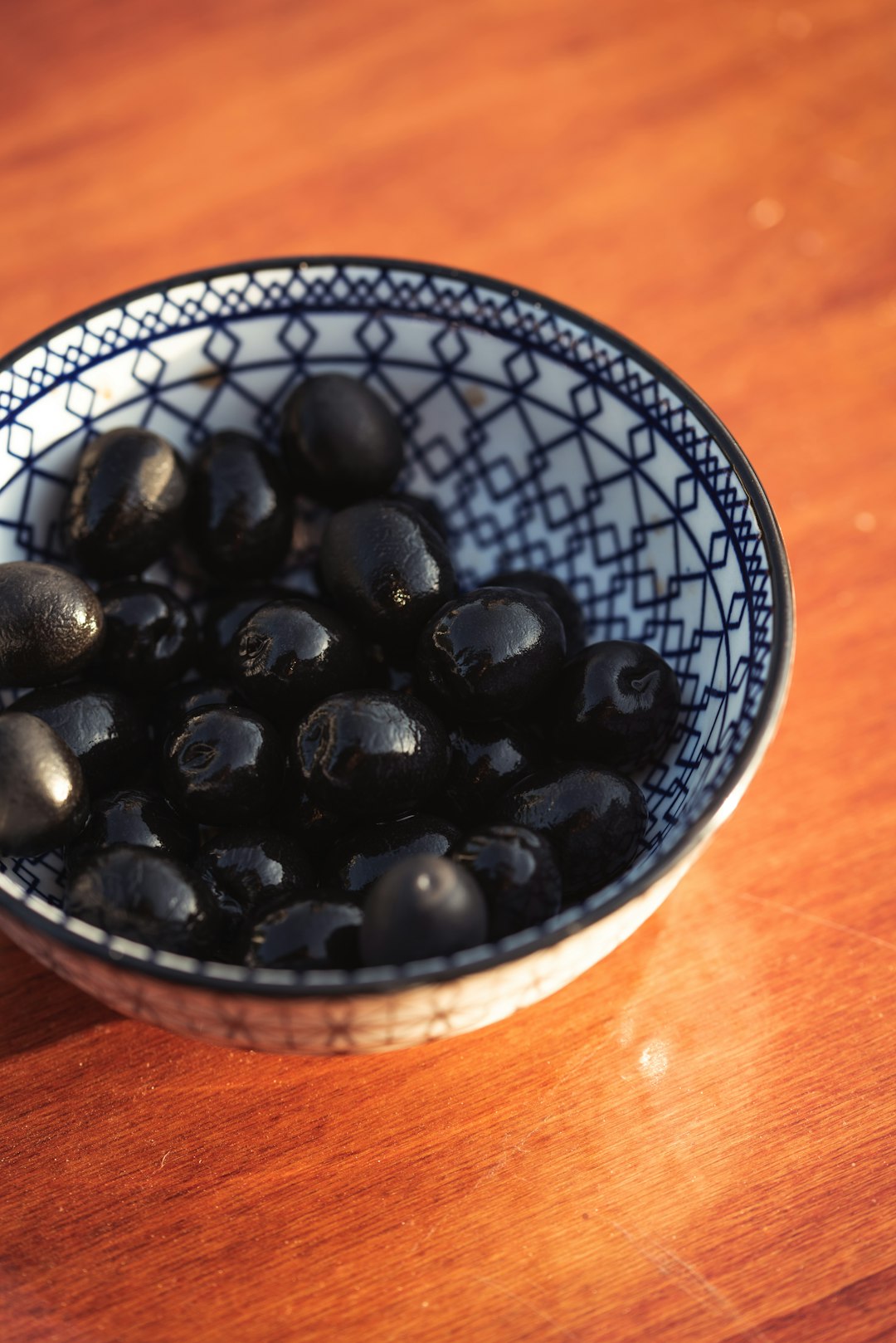
    Bowl of fresh black olives

    Knowing that base is shared is useful when you’re deciding: since the vegetables underneath don’t change, the entire decision between these three comes down to the protein, the cheese, and the texture. Sizing works the same way, too — Large and Small are both available on each, so the choice is purely about flavor, not portion or budget.

    Pros and Cons of Each

    Salad Best For Trade-off
    Chef Salad Familiar deli flavor, built-in dressing Milder than Antipasto, less variety than Tuna’s seafood switch
    Antipasto Salad Maximum meat and flavor complexity Richest and saltiest of the three
    Tuna Salad Only seafood option, different texture entirely No deli meat or confirmed cheese

    Which One Should You Order?

    If you want a familiar, balanced combination with dressing already built in, order the Chef Salad. If you want the richest, most flavor-dense option with three different cured meats, order the Antipasto Salad. If you want something that eats completely differently from a deli-style salad, order the Tuna Salad.

    Deciding between Chef and Antipasto specifically comes down to how much you want going on at once. Chef Salad is two meats and a mild cheese, held together by dressing. Antipasto is three meats and a sharper cheese, with nothing to soften the edges between them. If you’re not sure, Chef Salad is the safer, more familiar order; Antipasto is the one to pick if you already know you want a lot of flavor in one bowl.

    See the rest of the lineup — including the House Salad, Caesar Salad, and both chicken options — in our complete salad guide, or read our House Salad vs. Caesar Salad comparison if you’re weighing the two simpler options instead.

    Frequently Asked Questions

    What’s the difference between Chef Salad and Antipasto Salad?
    Chef Salad has turkey, ham, American cheese, and Italian dressing. Antipasto Salad has salami, ham, pepperoni, and provolone cheese, with no dressing listed. Ham is the only ingredient they share.
    Is the Tuna Salad the only seafood option?
    Yes — it’s the only one of our eight salads built around seafood instead of deli meat, chicken, or no protein at all.
    Which of these three salads has the most meat?
    The Antipasto Salad, with three cured meats (salami, ham, pepperoni). The Chef Salad has two (turkey, ham). The Tuna Salad has none, using tuna salad instead.
    Does the Chef Salad come with dressing?
    Yes, Italian dressing is included. It’s the only one of these three salads with a dressing listed in our recovered description.
    Do all three salads have the same base vegetables?
    Yes — lettuce, tomatoes, onions, cucumbers, and black olives are the same across all three. Only the protein, cheese, and dressing change.
    How much do these salads cost?
    All three come in Large and Small sizes, and pricing depends on which you order. Call (215) 904-7353 to confirm current pricing.

    Classic, loaded, or something from the sea.

    Order a Salad →