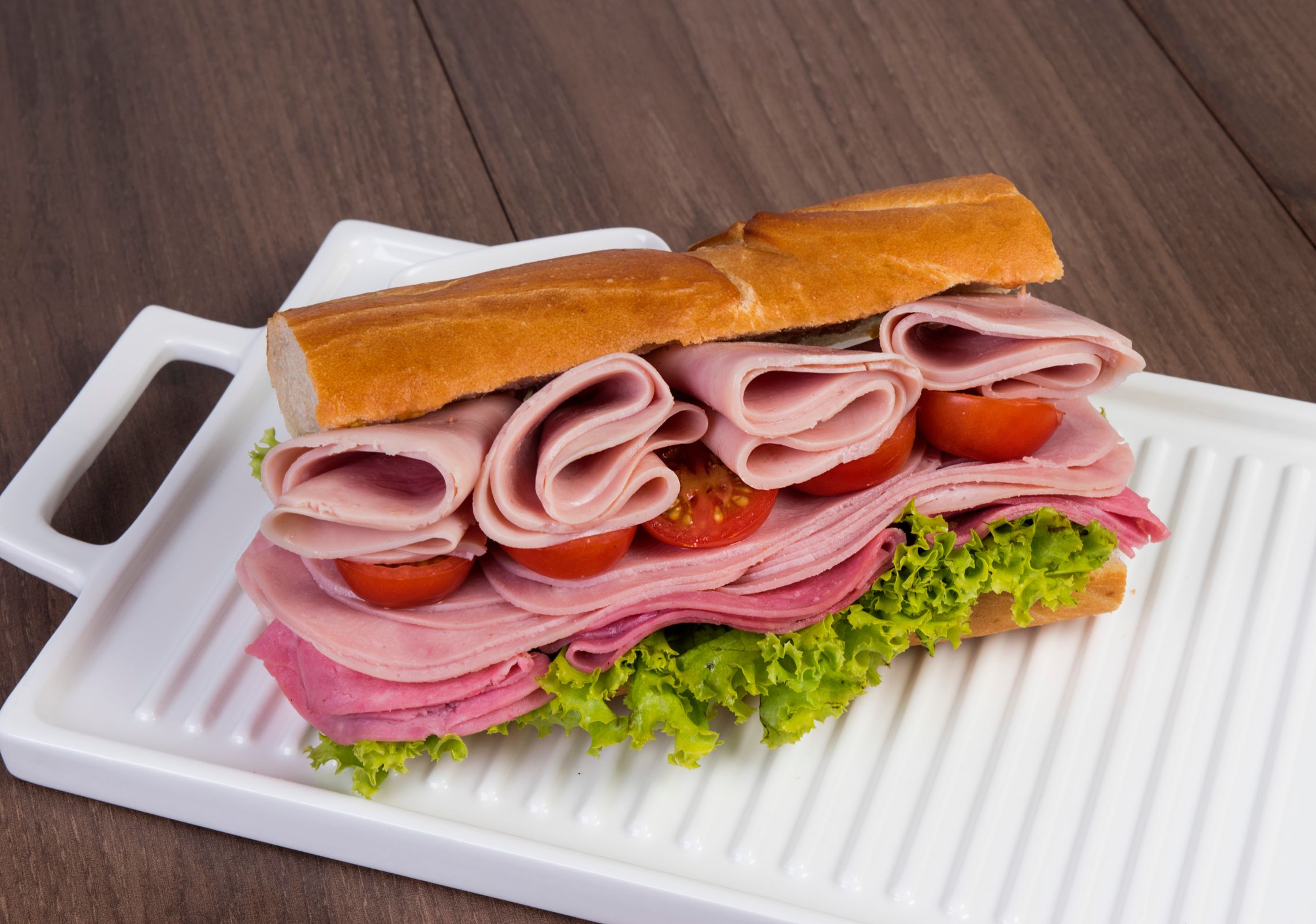
The Cheesesteak Hoagie is one of the only hot sandwiches in our hoagie lineup, built around griddled steak instead of cold deli meat. The Italian Hoagie is the most loaded of our fully cold ones. Put them side by side and you’re really choosing between two different sandwich philosophies, not just two different fillings.
Here’s exactly what’s in each one, what actually changes between a hot single-protein sandwich and a cold three-meat one, and how to decide which you want.
If you want the general history behind why cheesesteaks and hoagies are built so differently in the first place, our Cheesesteak vs. Hoagie guide covers that story in full. This piece is narrower and more specific — a real, ingredient-by-ingredient look at these two exact sandwiches.
Cheesesteak Hoagie vs. Italian Hoagie at a Glance
| Cheesesteak Hoagie | Italian Hoagie | |
|---|---|---|
| Protein | Steak (1 protein) | Salami, pepperoni, ham (3 proteins) |
| Cheese | Melted, on the steak | Provolone, cold |
| Toppings | Lettuce, tomato | Lettuce, tomato, onion |
| Temperature | Hot filling, cold toppings | Fully cold |
| Price | $10.00 | $8.75 |
Cheesesteak Hoagie: Hot Steak, Cold Toppings
The Cheesesteak Hoagie is built from premium griddled steak and melted cheese, finished with cold lettuce and tomato. It’s one of the only hoagies on our menu where part of the sandwich comes straight off the grill, rather than being built entirely from cold deli meat.
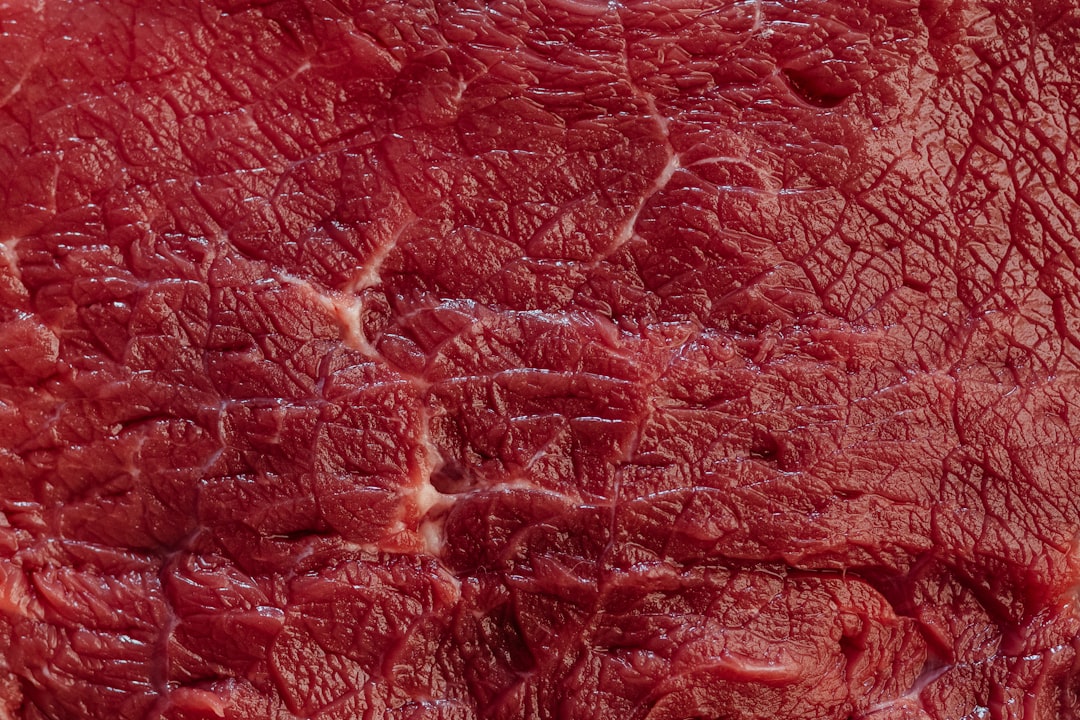
That hot-and-cold contrast is really the whole appeal. The steak and cheese stay hot and melted, while the lettuce and tomato arrive at room temperature, so every bite has both a warm, savory side and a cool, crisp one at the same time — something a fully cold, deli-style hoagie like the Italian can’t offer, since it involves no cooking at the point of assembly.
Notice it’s also the only hoagie that skips onion. Every other hoagie on our menu, including the Italian, includes it standard. That’s a real, specific difference worth knowing if onion is something you either always want or always ask to leave off.
Italian Hoagie: Three Cold Meats, No Cooking
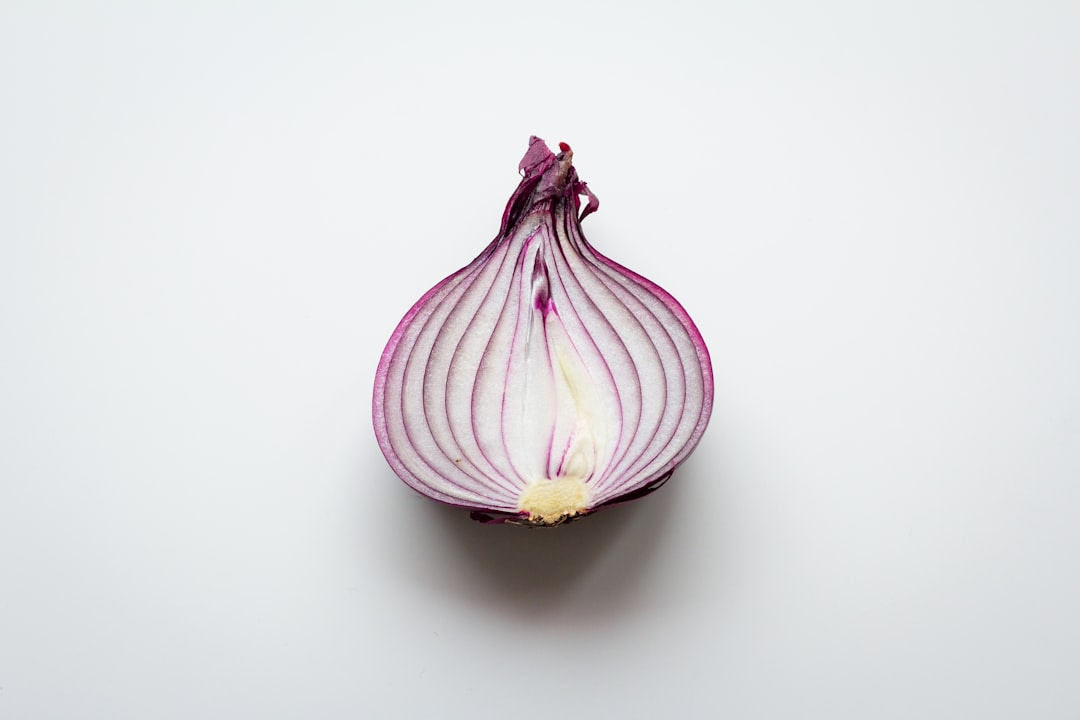
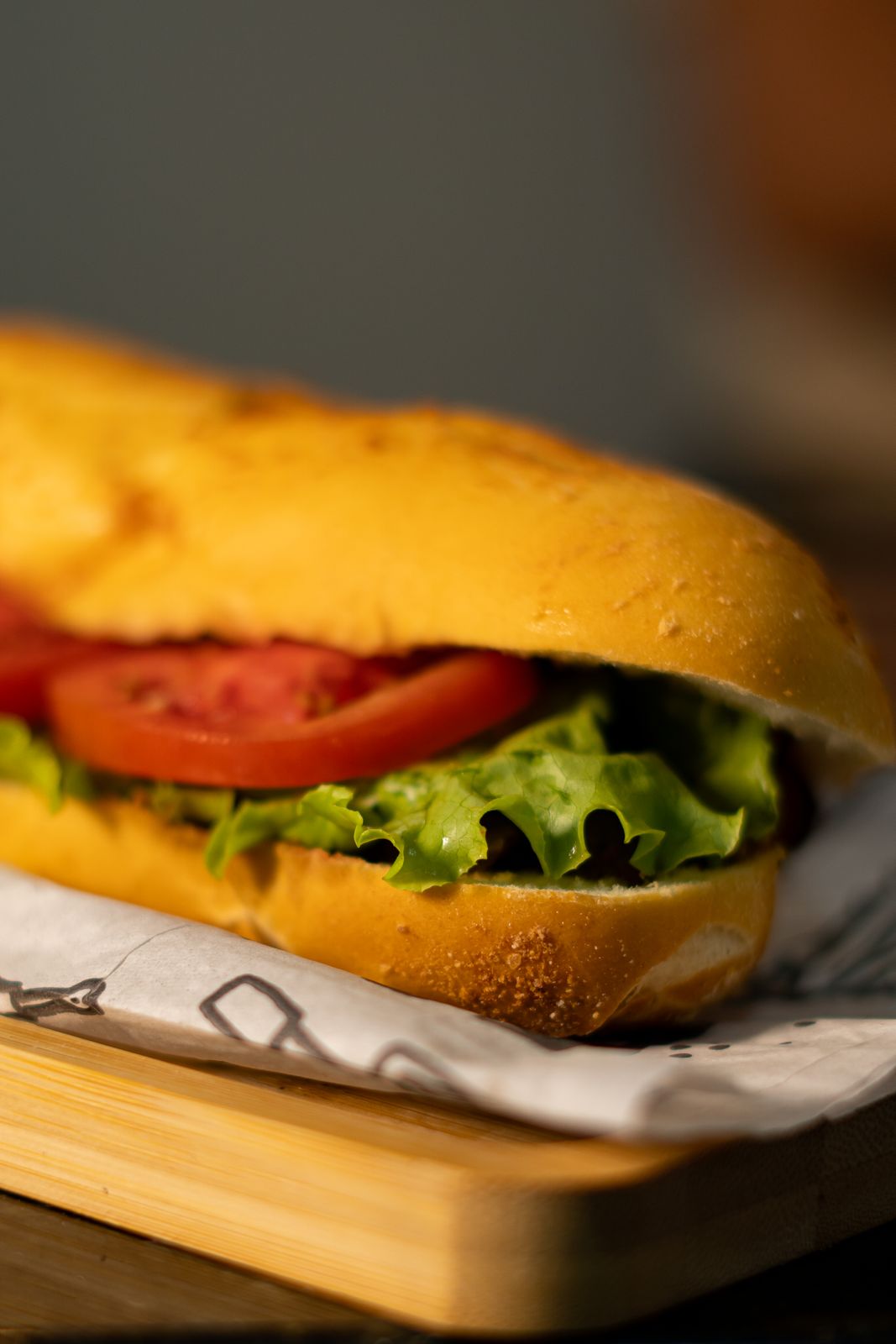
The Italian Hoagie is salami, pepperoni, ham, and provolone cheese, layered cold with lettuce, tomatoes, and onion. It’s the most loaded hoagie on our menu by protein count — three different cured meats in one sandwich.
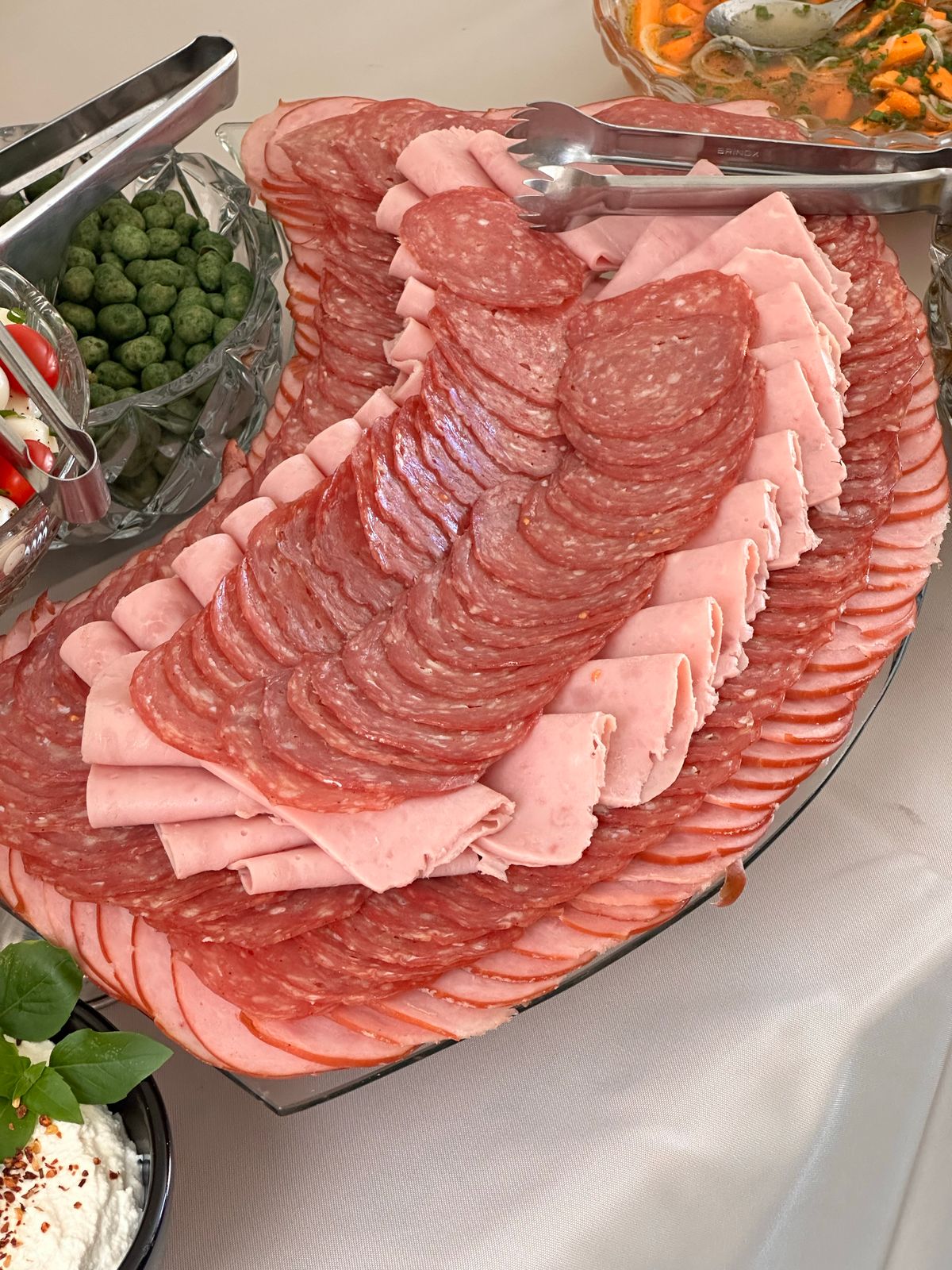
Nothing on this sandwich is cooked as part of assembly. Salami and pepperoni are cured, ham is cooked ahead of time and served cold, and the provolone is a cold cheese slice rather than something melted onto the sandwich. That’s the defining trait of a hoagie in the first place, and the Italian Hoagie leans into it more than any other option we make.
Three distinct cured meats also means three different textures and salt levels in one sandwich — salami’s fattier bite, pepperoni’s spice, ham’s milder sweetness. If you want maximum variety in a single cold sandwich, this is the one built for that.
One Protein vs. Three: What That Actually Changes
The Cheesesteak Hoagie’s single protein isn’t a limitation — it’s the whole point. Steak on its own, hot and melted with cheese, is a complete flavor on its own terms, the same way a classic Cheesesteak doesn’t need a second meat to feel finished.
The Italian Hoagie’s three meats work by a different logic entirely — variety within a single bite, rather than one ingredient doing all the work. Neither approach is more correct. A hot cheesesteak-style sandwich is built to showcase one protein well; a cold Italian-style hoagie is built to combine several at once.
Why the Cheesesteak Hoagie Costs More
At $10.00 versus $8.75, the Cheesesteak Hoagie costs $1.25 more than the Italian Hoagie, despite having fewer proteins. That price gap tracks with the extra step involved — griddling steak to order takes more active preparation than layering cold cuts, even though the Italian technically packs more ingredients into the sandwich.
It’s a useful reminder that price on our menu doesn’t always scale with ingredient count — sometimes it reflects preparation and format instead. If you’re comparing these two purely on “more food for the money,” the Italian Hoagie technically wins on protein variety per dollar. If you’re comparing them on hot-versus-cold experience, that’s not really a fair comparison to make in the first place.
Ordering for a Group
If you’re ordering hoagies for a group with mixed preferences, these two cover a lot of ground between them. The Cheesesteak Hoagie works for anyone who wants something warm and filling, closer to a full meal than a quick sandwich. The Italian Hoagie works for anyone who wants a traditional, grab-and-go cold sandwich that doesn’t need to be eaten right away.
That last point matters more than it might seem. A hot sandwich like the Cheesesteak Hoagie is best eaten soon after it’s made, while the steak and cheese are still hot and the bread hasn’t had time to soften from the heat. The Italian Hoagie doesn’t have that same clock running — being fully cold to begin with, it holds up just as well an hour after pickup as it does right away, which makes it the more practical choice if you’re ordering ahead for a later meal.
Pros and Cons of Each
| Hoagie | Best For | Trade-off |
|---|---|---|
| Cheesesteak Hoagie | Hot-and-cold contrast, single-protein simplicity | Costs more, no onion, only 1 protein |
| Italian Hoagie | Maximum protein variety, classic cold hoagie | No hot component at all |
Which One Should You Order?
If you want a hot, melted sandwich with cold toppings on top, order the Cheesesteak Hoagie. If you want a classic, fully cold sandwich with three different meats in one bite, order the Italian Hoagie.
Temperature is really the deciding factor here, more than ingredients. If you’re craving something warm and don’t mind paying a bit more for it, the Cheesesteak Hoagie is the clear pick. If you want a traditional deli-style sandwich you can eat anywhere without worrying about it cooling down, the Italian Hoagie holds up better for that.
See the rest of the lineup, including the Ham, Turkey, and Tuna versions, in our complete hoagie guide, read what actually makes a Cheesesteak Hoagie different from a regular Cheesesteak if you’re deciding between those two instead, or read our Cheeseburger Hoagie vs. Cheesesteak Hoagie comparison if you want to see how it stacks up against our other hot-protein hoagie.
Frequently Asked Questions
- What’s the difference between the Cheesesteak Hoagie and the Italian Hoagie?
- The Cheesesteak Hoagie is hot griddled steak and melted cheese with cold lettuce and tomato. The Italian Hoagie is fully cold — salami, pepperoni, ham, and provolone with lettuce, tomato, and onion.
- Why doesn’t the Cheesesteak Hoagie come with onion?
- It’s built with just lettuce and tomato in our recovered description, unlike every other hoagie on our menu, which includes onion standard.
- Which hoagie has more protein, the Cheesesteak Hoagie or the Italian Hoagie?
- The Italian Hoagie has three proteins (salami, pepperoni, ham) versus the Cheesesteak Hoagie’s one (steak), even though the Cheesesteak Hoagie costs more.
- Is the Cheesesteak Hoagie served hot or cold?
- Both — the steak and cheese are hot, while the lettuce and tomato toppings are added cold, the same way they would be on any other hoagie.
- Why does the Cheesesteak Hoagie cost more than the Italian Hoagie?
- The $1.25 price difference reflects the extra preparation involved in griddling the steak to order, not a difference in ingredient count.
- Which hoagie holds up better if I’m not eating it right away?
- The Italian Hoagie, since it’s fully cold to begin with. The Cheesesteak Hoagie is best eaten soon after pickup, while the steak and cheese are still hot.
Hot and simple, or cold and loaded — your call.