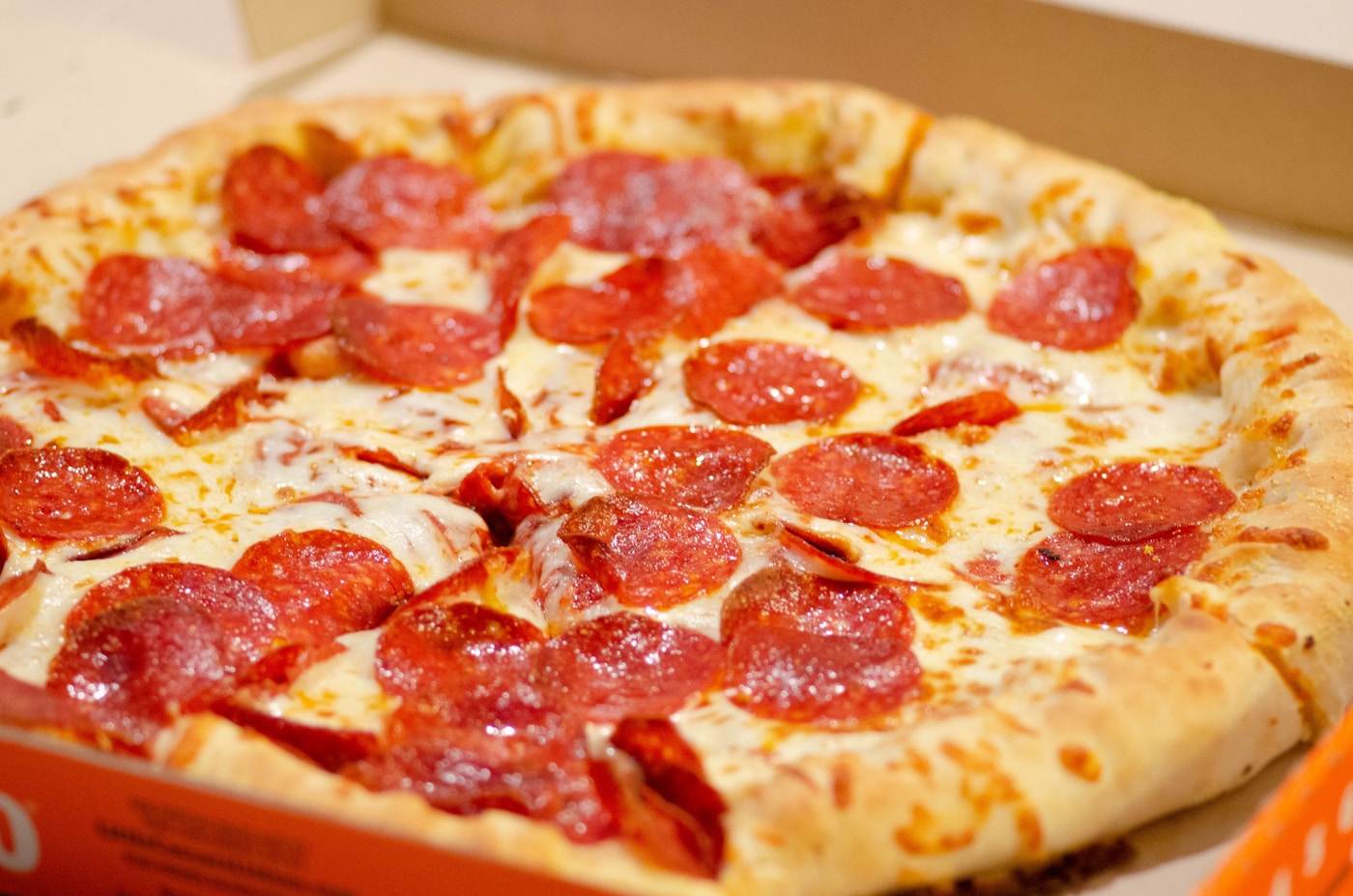
Most people default to delivery without really weighing the alternative. It’s the button that’s always visible, the option that requires nothing but a few taps. But pickup isn’t just the “old-fashioned” choice — for pizza specifically, it often wins on the things that actually matter most: temperature, texture, and cost.
Here’s a real comparison of both options, including the actual science behind why one so often beats the other.
Neither choice is objectively wrong. They’re built to solve different problems, and the right one depends less on habit and more on what you’re actually optimizing for on a given night — freshness, cost, or simply not having to think about it.
The Case for Pickup: Temperature and Texture
Pizza is engineered around a specific window of freshness. The crust has structure, the cheese is fully melted, and the whole thing is at its best in the minutes right after it leaves the oven. Every minute after that works against it.
A pizza typically stays warm in its box for only about 20 to 30 minutes before it drops out of the ideal serving temperature range, and even a well-insulated delivery bag only extends that window modestly, according to research on food holding times. Ambient temperature, traffic, and distance all chip away at that clock the moment the box leaves the kitchen.
There’s a useful overlap here with basic food safety math, too: 140°F is the same threshold the USDA uses as the bottom edge of its food safety “danger zone.” A pizza cooling toward that number isn’t just losing texture — it’s also getting closer to the temperature range where food quality and food safety start to be the same conversation, which is exactly why how you store and reheat leftovers matters just as much as how quickly the order gets to you in the first place.
Pickup shortens that window dramatically. Since you’re the one carrying the box, the trip is however long it takes you to walk or drive home, which for most people in our delivery area is a matter of minutes rather than the full delivery cycle of prep, dispatch, and drive time.
There’s also no handoff delay to account for. A delivery order still has to be found, confirmed, and carried to your door once the driver arrives, while a pickup order goes straight from the counter into your hands the moment you walk in — one less step between “ready” and “in front of you.”
Put in terms of actual minutes: a pickup order’s clock stops the moment you walk through the door, while a delivery order’s clock keeps running through dispatch, driving, and finding parking or a spot to stop. Both start from the same kitchen at the same time — the gap opens up entirely in what happens after the food is ready.
The Case for Delivery: Convenience and Weather
Delivery earns its place for a different reason entirely: it removes the trip altogether. That matters most when the alternative is genuinely unpleasant — bad weather, no reliable transportation, or simply being in the middle of something you don’t want to pause.

It’s also the only realistic option if you’re ordering from outside comfortable walking or driving distance but still inside our coverage area. Convenience and freshness are genuinely in tension here — delivery trades some temperature and texture for not having to leave the house, and depending on your night, that trade is completely worth it.
There’s a version of this decision that has nothing to do with weather, too: sometimes the math is just about time. If you’re already juggling something else — kids, work, a task you can’t easily pause — the ten or fifteen minutes it would take to drive somewhere and back is worth more to you than the freshest possible slice. That’s a completely legitimate reason to choose delivery, not a compromise.
The Real Cost Difference
Pickup has one advantage that’s easy to overlook: there’s no delivery fee and nothing extra built into the price for the trip itself. You’re paying for the food, not the logistics of getting it to your door.
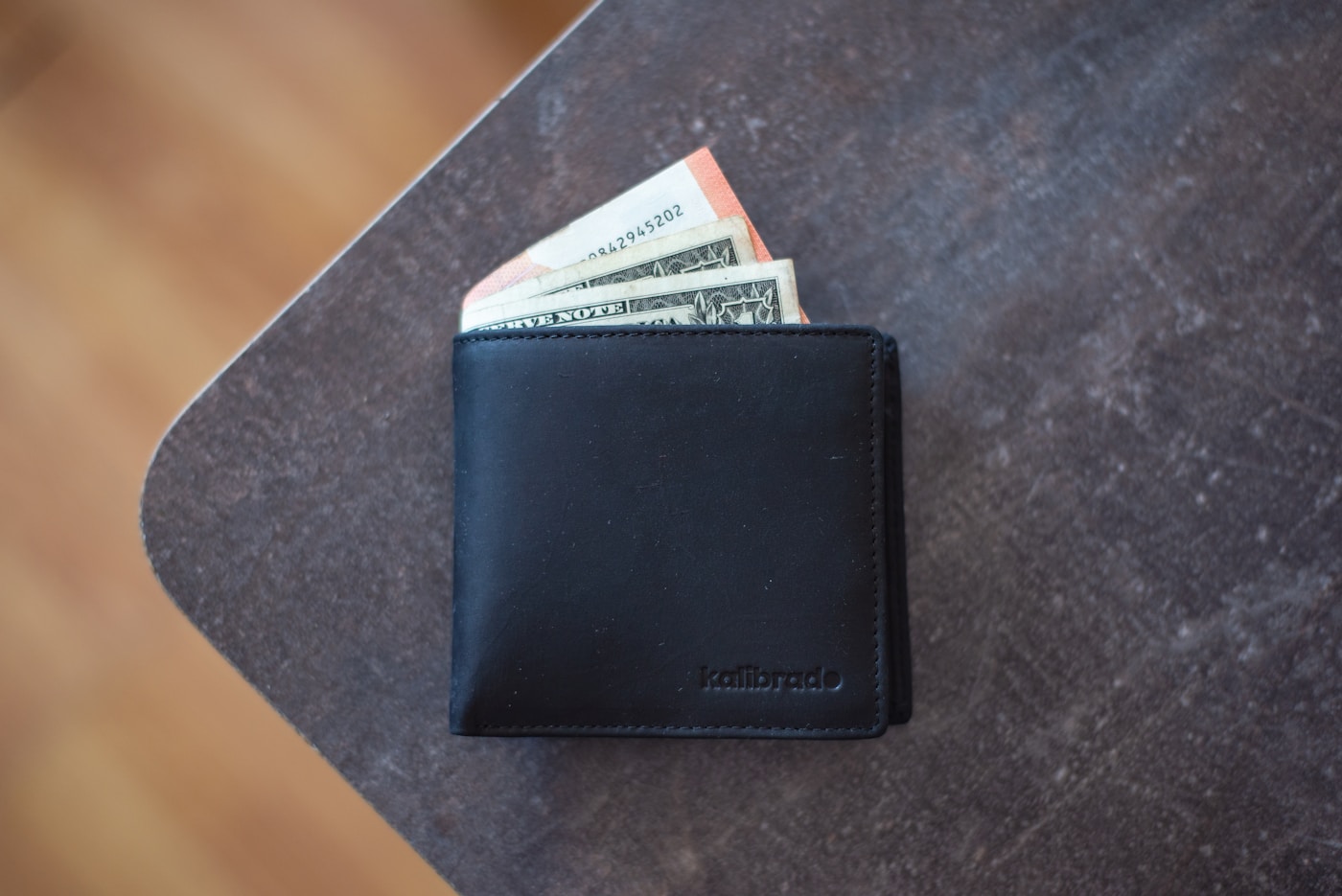
That gap matters more on larger orders. A single order might make the fee feel negligible, but if you’re ordering regularly, choosing pickup even some of the time adds up over weeks and months in a way that’s easy to underestimate in the moment.
It’s worth being honest about the other side of that trade, though: the fee exists because someone has to actually make the trip, in a vehicle, using fuel and time. Pickup doesn’t eliminate that cost so much as shift who’s paying it — you, in the form of your own time and gas, instead of a delivery fee built into the order. Neither is free; they’re just different ways of covering the same trip.
Pickup vs. Delivery: Full Comparison
| Pickup | Delivery | |
|---|---|---|
| Temperature | Best — minimal time between oven and table | Good, but drops after 20-30 minutes in transit |
| Cost | No delivery fee | Delivery fee applies |
| Convenience | Requires leaving the house | No trip required |
| Speed | Ready when the kitchen finishes cooking | Adds drive time on top of cooking time |
| Best For | Nearby orders, maximum freshness | Bad weather, no transportation, staying in |
Grabbing your own order also means you can pick it up the moment it’s ready, rather than waiting on the additional dispatch and drive time that comes after cooking finishes for a delivery order. Looking at the table this way, neither column comes out ahead across every row — pickup wins on freshness and cost, delivery wins on convenience, and the right call depends entirely on which of those matters most to you tonight.
What We’d Actually Recommend
If you’re close enough to make the trip without much hassle, pickup gets you the freshest possible version of anything on our menu, whether that’s a Plain Pizza or a full loaded pie. If the weather’s bad, you’re short on time, or you just don’t want to leave, delivery is exactly what it’s built for — check our Frankford Ave delivery zip codes and hours to confirm you’re in range.
Either way, whatever you order is made fresh when the order comes in, not pulled from a warming tray — the only real variable is how much time passes between the kitchen and your table.
If you’re genuinely unsure which way to go, a decent rule of thumb is to think about what you’d regret more: a slightly less crisp crust, or an extra fifteen minutes spent driving there and back. Neither answer is wrong, and it’s fine for the answer to change depending on the day.
Frequently Asked Questions
- Is pickup pizza actually better than delivery?
- For temperature and texture, generally yes — less time passes between the oven and your first bite, since you’re the one carrying it home.
- How long does pizza stay hot after it’s boxed?
- Around 20 to 30 minutes in a standard box before it drops out of ideal serving temperature, though insulated bags can extend that somewhat.
- Is delivery more expensive than pickup?
- Yes, delivery typically includes a fee that pickup doesn’t, since you’re paying for the trip in addition to the food itself.
- When does delivery make more sense than pickup?
- When the weather is bad, you don’t have reliable transportation, or you’d genuinely rather not leave the house — convenience is delivery’s real advantage.
- Does Paisa’s Pizza offer both pickup and delivery?
- Yes. Both options are available through our online ordering, with delivery covering our Frankford Ave zip code zone.
Ready to choose? Order either way, made fresh.